Athleisure Innovations: US Fashion Trends 2026
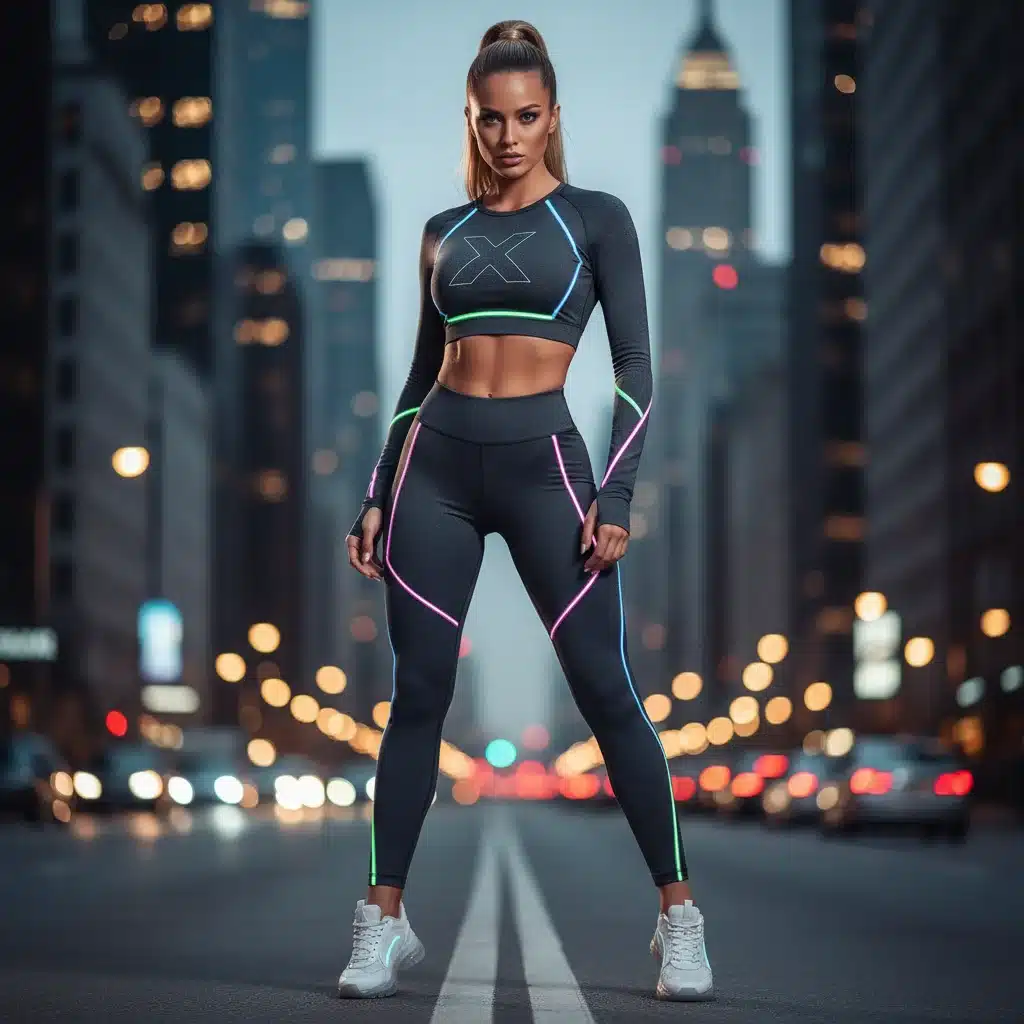
The Evolution of Athleisure: 6 Key Performance Wear Innovations Driving US Fashion in 2026
The lines between athletic wear and everyday fashion have blurred irrevocably, giving rise to athleisure as a dominant force in the global fashion landscape. As we approach 2026, the US market is poised for a new wave of innovation, pushing the boundaries of what performance wear can achieve. This article delves into the six most significant athleisure fashion innovations that will shape how Americans dress, work out, and live in the coming years.
The Rise of Hyper-Functional Fabrics: Beyond Moisture-Wicking
For years, moisture-wicking and quick-drying capabilities have been the gold standard for performance wear. However, the future of athleisure fashion innovations in fabrics goes far beyond these basic functionalities. By 2026, we will see widespread adoption of hyper-functional textiles that offer a multitude of benefits, seamlessly integrated into our daily wardrobes.
1. Advanced Thermoregulation: Adapting to Your Environment
Imagine clothing that actively adjusts to your body temperature, keeping you cool during intense workouts and warm during chilly commutes. This is no longer science fiction. Innovations in phase-change materials (PCMs) and smart fibers are enabling textiles to store and release heat as needed. Brands are incorporating microencapsulated PCMs directly into fabric weaves, creating garments that react dynamically to external temperatures and internal body heat fluctuations. This means less layering and more comfort, regardless of the activity or climate. For instance, a runner in a single athleisure top could transition from a warm indoor gym to a cooler outdoor track without feeling overheated or underdressed. This adaptability is a game-changer for the modern, active lifestyle, making these advanced thermoregulating fabrics a cornerstone of future athleisure fashion innovations.
Advertisements
2. Integrated Biometric Monitoring: Your Clothes as a Health Coach
The convergence of fashion and technology is leading to a new era of smart textiles. While wearable devices have been popular, the next step is embedding biometric sensors directly into the fabric of athleisure wear. By 2026, many performance garments will feature integrated sensors capable of monitoring heart rate, respiration, muscle activity, and even posture. These sensors will be discreet, comfortable, and seamlessly connected to smartphone apps, providing real-time feedback and personalized coaching. This innovation transforms clothing from a mere protective layer into an active participant in your health and fitness journey. Imagine a yoga pant that corrects your alignment, or a running shirt that alerts you to signs of dehydration. This level of personalized feedback will revolutionize how individuals approach their wellness routines, making integrated biometric monitoring a significant driver of athleisure fashion innovations.
The implications are vast, extending beyond personal fitness to preventative health. Athletes can optimize their training, while everyday users can gain deeper insights into their daily activity levels and stress responses. The challenge lies in ensuring data privacy and creating user-friendly interfaces, but the potential for enhancing well-being through smart clothing is undeniable.
Sustainability Takes Center Stage: Eco-Conscious Athleisure
As consumers become increasingly aware of environmental issues, sustainability is no longer a niche concern but a core expectation. The athleisure industry, known for its rapid production cycles and reliance on synthetic materials, is undergoing a significant transformation. By 2026, sustainable practices will be deeply embedded in the development of athleisure fashion innovations.
3. Circularity and Recycled Materials: Closing the Loop
The push for circular fashion is gaining momentum. Brands are investing heavily in technologies that allow for the recycling of old garments into new fibers, reducing waste and reliance on virgin resources. Expect to see an increase in athleisure wear made from recycled polyester (RPET) derived from plastic bottles, recycled nylon from fishing nets, and innovative blends incorporating post-consumer textile waste. Beyond recycling, the focus is also on designing for circularity from the outset – creating garments that are easier to disassemble and recycle at the end of their life cycle. This approach minimizes the environmental footprint of production and consumption, aligning with the growing consumer demand for ethical and eco-friendly products. The entire supply chain, from raw material sourcing to manufacturing and end-of-life solutions, is being re-evaluated to support these circular models. This commitment to circularity is not just a trend; it’s a fundamental shift in how athleisure fashion innovations are conceived and produced, reflecting a deeper commitment to planetary health.

4. Bio-Based and Biodegradable Textiles: Nature’s Performance
Moving away from petroleum-based synthetics, the industry is exploring a wealth of bio-based and biodegradable materials. Fabrics derived from natural sources like bamboo, eucalyptus (lyocell), hemp, and even algae are being engineered to offer comparable or superior performance to traditional synthetics. These materials often boast inherent properties such as breathability, softness, and natural antimicrobial qualities. Furthermore, research into biodegradable polymers means that garments could eventually break down naturally at the end of their useful life, returning nutrients to the earth rather than polluting landfills. This represents a significant leap forward in reducing the environmental impact of fashion. The development of these innovative materials is crucial for the long-term sustainability of the athleisure market and is a key area of focus for future athleisure fashion innovations. Consumers are increasingly seeking out these natural alternatives, not only for their environmental benefits but also for their comfort and unique aesthetic appeal, driving brands to invest more in their development and integration into mainstream collections.
Design and Aesthetics: Form Meets Advanced Function
The aesthetic appeal of athleisure has always been crucial, but in 2026, design will be even more intricately linked with advanced functionality. The goal is to create pieces that not only perform exceptionally but also look effortlessly chic, suitable for a variety of contexts.
5. Modular and Transformable Garments: Versatility Redefined
Modern life demands adaptability, and athleisure wear is responding with modular and transformable designs. Expect garments with detachable elements, adjustable features, and multi-functional capabilities. A jacket that converts into a vest, pants that zip off into shorts, or a top with adjustable ventilation panels – these innovations cater to the dynamic needs of consumers who transition between different activities and environments throughout their day. This focus on versatility reduces the need for multiple outfits, promoting a more minimalist and efficient wardrobe. The ability to customize a single piece of clothing for various occasions, from a morning run to an afternoon coffee meeting, highlights the practical elegance of these designs. This trend is not just about convenience; it’s about smart consumption and maximizing the utility of each garment, making modularity a significant aspect of emerging athleisure fashion innovations.
The design philosophy behind these garments often incorporates clever hidden pockets, magnetic closures, and seamless transitions, ensuring that the transformative elements do not compromise the aesthetic or comfort. This blend of practicality and style is what defines the next generation of athleisure.

6. Personalized Fit and Customization: The Perfect Match
Mass-produced clothing often fails to account for the unique variations in body shapes and sizes. By 2026, advancements in 3D body scanning, AI-driven sizing algorithms, and on-demand manufacturing will make personalized fit and customization more accessible. Consumers will be able to order athleisure wear tailored precisely to their measurements, ensuring optimal comfort, performance, and aesthetic appeal. This not only enhances the user experience but also reduces returns and waste associated with ill-fitting clothing. Imagine scanning your body at home with a smartphone app and having a pair of leggings or a sports bra custom-made to your exact specifications. This level of personalization will be a hallmark of premium athleisure fashion innovations, offering an unparalleled sense of comfort and confidence. Furthermore, customization will extend beyond fit to include personalized color choices, graphic prints, and even functional add-ons, allowing individuals to truly express their unique style while benefiting from high-performance features.
This move towards bespoke athleisurewear represents a significant shift from traditional retail models, empowering consumers to be co-creators in their fashion choices. It fosters a deeper connection between the individual and their clothing, transforming the purchasing experience into a highly personalized journey.
The Impact on US Fashion and Beyond
These six athleisure fashion innovations are not merely isolated trends; they represent a fundamental shift in how we perceive and interact with clothing. The US fashion market, a global trendsetter, will undoubtedly lead the charge in integrating these advancements into mainstream consumer offerings. The impact will be multi-faceted:
- Enhanced Consumer Experience: Greater comfort, personalized performance, and a deeper connection to health metrics will elevate the user experience significantly.
- Sustainable Practices: The widespread adoption of circular and bio-based materials will push the entire fashion industry towards more responsible production and consumption models.
- Technological Integration: Smart textiles will become more sophisticated and seamlessly integrated into daily life, making technology an invisible yet powerful part of our wardrobe.
- Design Evolution: The interplay between form and function will reach new heights, with modularity and customization offering unprecedented versatility.
- Market Competitiveness: Brands that successfully innovate in these areas will gain a significant competitive edge, driving further research and development across the industry.
The evolution of athleisure is a testament to human ingenuity and our continuous quest for clothing that supports our active, modern lifestyles while being mindful of our planet. As 2026 approaches, these innovations promise a future where our clothes do more than just cover us – they empower us, protect us, and connect us to a more sustainable and technologically advanced world.