Mastering Pattern Mixing: 5 Expert Rules for a Confident American Look
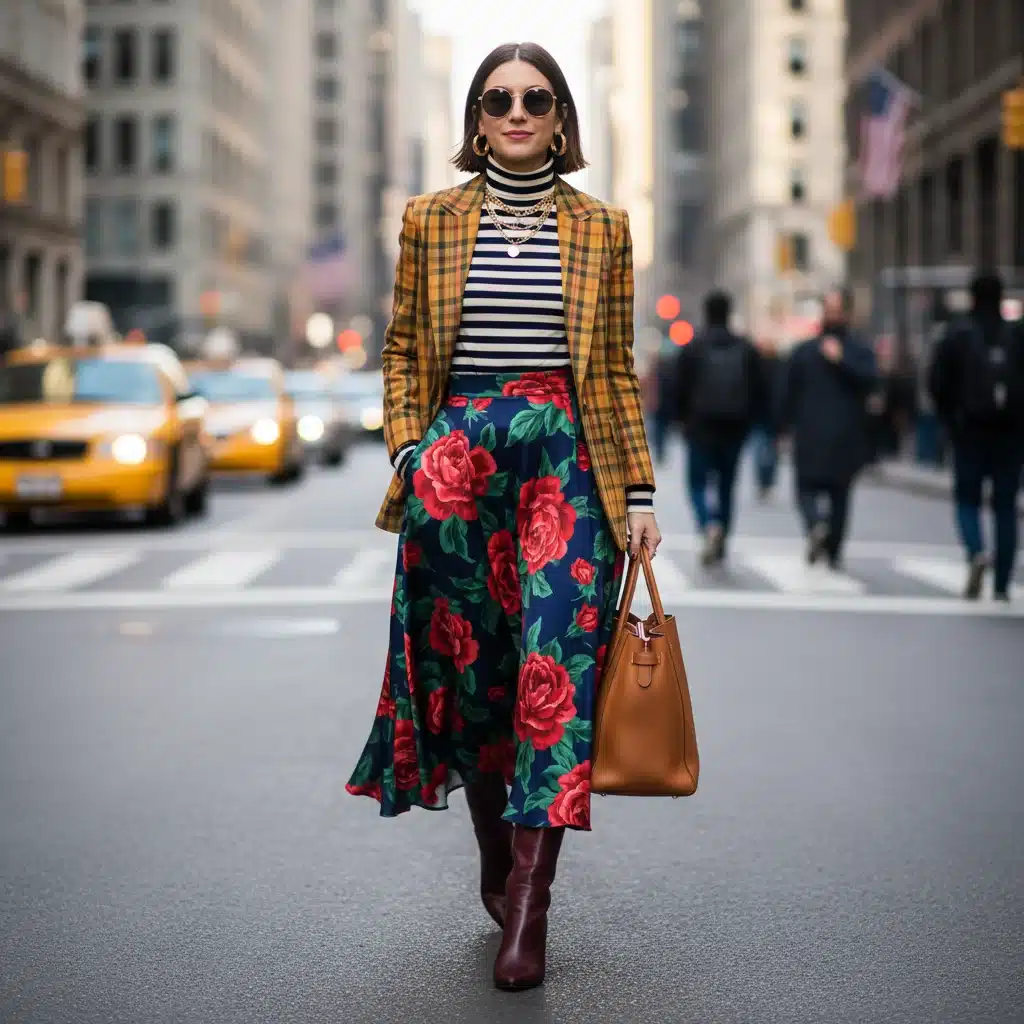
The 2026 Guide to Pattern Mixing: 5 Expert Rules for a Confident and Cohesive American Look
Are you ready to elevate your style game in 2026? Pattern mixing, once considered a fashion faux pas, has evolved into a sophisticated art form. It’s a powerful way to express individuality, add depth to your wardrobe, and create truly memorable outfits. But let’s be honest, the idea of combining different prints can be daunting. Visions of clashing colors and overwhelming designs might pop into your head. Fear not! This comprehensive guide will demystify the art of pattern mixing, providing you with five expert rules to confidently blend prints for a cohesive and distinctly American aesthetic. Whether you’re aiming for a casual chic vibe or a polished professional ensemble, mastering these pattern mixing rules will transform your approach to fashion.
Why Embrace Pattern Mixing?
In a world increasingly focused on personal branding and unique expression, your clothing choices play a crucial role. Pattern mixing isn’t just about putting on different prints; it’s about showcasing creativity, confidence, and a keen eye for detail. It allows you to break free from monochromatic monotony and inject personality into your everyday wear. For the American fashion landscape, which values both practicality and individual flair, pattern mixing offers a versatile tool. It enables you to take classic pieces and give them a contemporary twist, making your wardrobe work harder and smarter. Imagine pairing a timeless striped tee with a modern floral skirt, or a subtle checked blazer with a bold graphic scarf. The possibilities are endless, and the result is always a more dynamic and engaging look. By understanding the core pattern mixing rules, you’ll open up a new world of styling opportunities.
Beyond aesthetics, pattern mixing can also be incredibly strategic. It can draw attention to certain areas, create optical illusions, and even make your existing wardrobe feel brand new. Instead of constantly buying new clothes, you can learn to re-imagine the pieces you already own, creating fresh combinations that reflect your evolving style. This sustainable approach to fashion is not only good for your wallet but also for the planet. So, let’s dive into the foundational principles that will make you a master of pattern mixing rules.
Advertisements
Rule 1: Play with Scale – The Foundation of Successful Pattern Mixing
One of the most critical pattern mixing rules is to vary the scale of your prints. This means combining a large, dominant pattern with a smaller, more subtle one. If you pair two patterns of similar size, they tend to compete for attention, resulting in a chaotic and overwhelming look. By contrasting scale, you create visual interest and harmony. Think of it like a conversation: one pattern speaks loudly, while the other provides a gentle hum in the background.
How to Implement Scale Variation:
- Dominant and Subordinate: Choose one pattern to be your dominant print. This could be a large floral, a wide stripe, or a bold geometric design. Then, select a secondary pattern that is significantly smaller, such as a delicate polka dot, a thin pinstripe, or a tiny gingham. The dominant pattern will be the focal point, while the subordinate pattern will add texture and depth without overpowering the main print.
- The 70/30 Rule: A good guideline is to have your dominant pattern cover approximately 70% of the visual space, with the secondary pattern occupying the remaining 30%. This doesn’t necessarily mean literal fabric area, but rather visual impact.
- Example: A large buffalo check shirt paired with a tie featuring small, intricate paisley prints. Or a dress with oversized abstract art prints layered with a cardigan in a fine tweed pattern.
Understanding and applying this rule is fundamental to achieving a balanced and sophisticated mixed-pattern outfit. It’s the first step in ensuring your patterns complement each other rather than clash. As you become more comfortable, you can experiment with three patterns, ensuring that at least two of them have distinct differences in scale.
Rule 2: Harmonize with Color – The Unifying Element
Even the most disparate patterns can look cohesive if they share a common color palette. Color acts as the glue that binds different prints together, creating a sense of unity and intention. This is perhaps one of the most powerful pattern mixing rules because it can instantly transform a potentially chaotic ensemble into a polished one.
Strategies for Color Harmony:
- Shared Color: The easiest way to achieve color harmony is to ensure that both patterns share at least one color. For instance, if you have a floral print with hints of navy, pair it with a striped top that also features navy. The shared color creates an instant connection between the two pieces.
- Complementary or Analogous Colors: Beyond shared colors, consider patterns that feature complementary colors (colors opposite each other on the color wheel, like blue and orange) or analogous colors (colors next to each other, like blue and green). This creates a more dynamic yet still harmonious look.
- Neutral Ground: When in doubt, introduce a neutral color. If one of your patterns is vibrant, pair it with another pattern that incorporates a neutral like black, white, gray, or beige. This helps to ground the outfit and prevents it from becoming too busy.
- Tonal Dressing: Another advanced technique is tonal pattern mixing, where you combine patterns of the same color family but different shades. Imagine a light blue gingham shirt with a darker blue striped skirt.
Mastering color harmony is crucial for successful pattern mixing. It allows you to experiment with bold prints without fear of looking uncoordinated. Always take a moment to assess if your chosen patterns visually connect through their color story. This rule is especially important for achieving that confident, put-together American aesthetic.
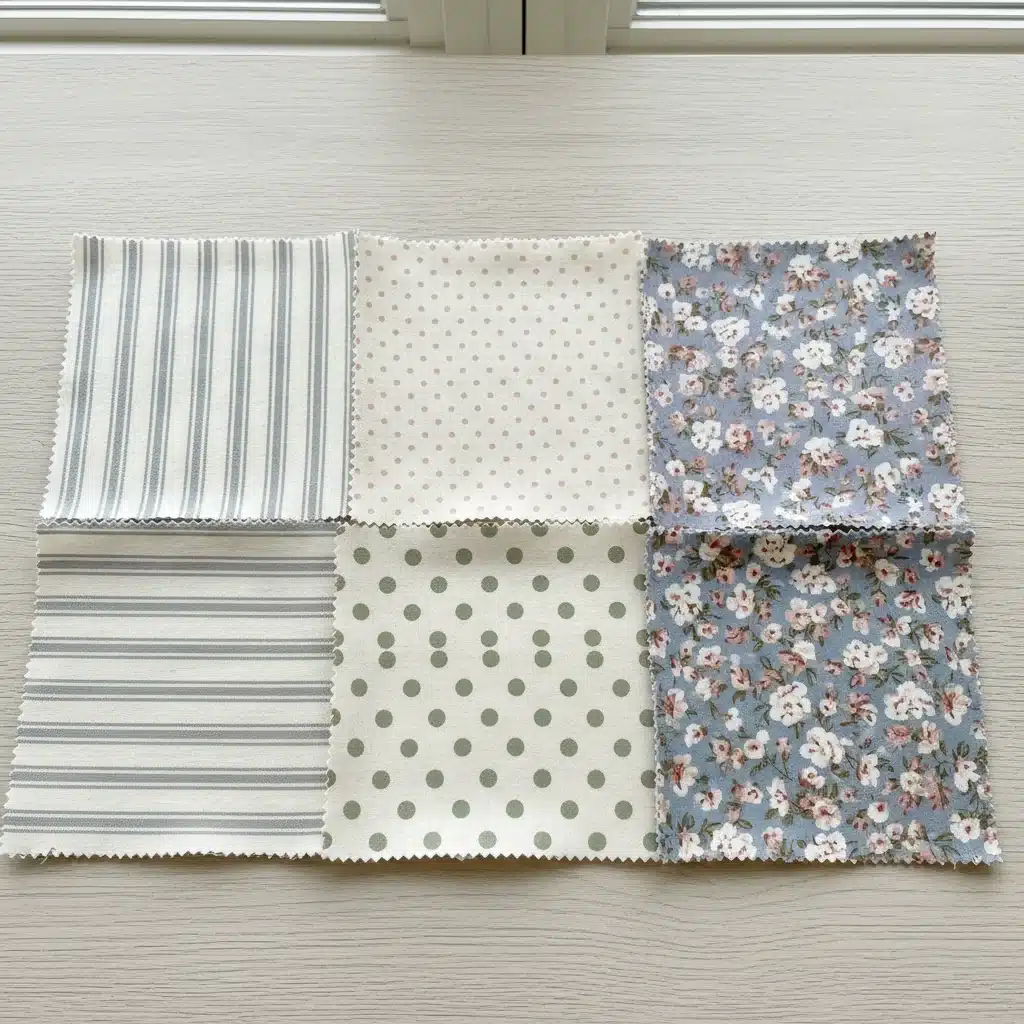
Rule 3: Mix Textures – Adding Depth and Interest
While often overlooked in discussions about pattern mixing rules, incorporating different textures can significantly enhance your outfit. Texture adds another layer of visual and tactile interest, making your mixed-pattern ensemble feel more luxurious and thoughtfully assembled. It provides a subtle contrast that can make patterns pop without adding more visual noise.
How Texture Elevates Your Look:
- Contrast is Key: Pair a smooth, sleek fabric (like silk or satin) with a textured one (like tweed, corduroy, or knit). For example, a crisp cotton shirt with a geometric print can be paired with a textured wool skirt in a subtle plaid.
- Weight and Drape: Consider the weight and drape of the fabrics. A floaty chiffon floral top might look beautiful with a structured denim skirt that features a subtle pattern. The contrast in fabric behavior adds dynamic tension to the outfit.
- Subtle Patterns in Texture: Sometimes the texture itself can create a subtle pattern. A ribbed knit, a woven basketweave, or an embossed fabric can act as a ‘neutral’ pattern that complements bolder prints. This is a clever way to introduce more visual interest without overwhelming the eye.
- Accessories: Don’t forget accessories! A patterned scarf in silk can be paired with a textured leather bag, or a printed belt can be worn over a knit dress. These small touches add to the overall textural richness.
By consciously incorporating varied textures, you move beyond just combining prints and start building a truly multi-dimensional outfit. This rule is particularly effective for creating sophisticated American looks that feel both comfortable and stylish, perfect for transitioning from a casual day out to an evening event.
Rule 4: Introduce a Neutral – The Balancing Act
When you’re experimenting with multiple patterns, it’s easy for an outfit to feel overwhelming. This is where the strategic use of a neutral element comes in. Introducing a solid neutral color is one of the most effective pattern mixing rules for grounding your look, providing a visual break, and allowing your patterns to shine without competing too aggressively.
Ways to Use Neutrals in Pattern Mixing:
- Breaker Piece: A solid neutral piece can act as a ‘breaker’ between two busy patterns. For example, if you’re wearing a striped top and a floral skirt, a solid colored belt, jacket, or even a plain camisole underneath can provide a much-needed visual pause.
- Foundation Piece: Build your outfit around a neutral foundation. A pair of solid black trousers or a simple white tee can serve as the backdrop for more adventurous pattern combinations. This allows you to introduce patterned accessories or a single patterned statement piece without feeling overwhelmed.
- Accessories as Neutrals: Don’t underestimate the power of neutral accessories. A solid-colored handbag, shoes, or a simple piece of jewelry can subtly balance out a pattern-heavy ensemble.
- Picking the Right Neutral: Choose a neutral that complements the colors in your patterns. Black, white, gray, navy, and beige are classic choices. However, you can also use a muted version of a color present in your patterns (e.g., an olive green when mixing patterns with earthy tones).
The neutral element doesn’t just provide balance; it also makes your pattern-mixed outfit feel more intentional and less haphazard. It’s a key strategy for achieving that effortlessly chic American style that looks put-together without trying too hard. Always consider where a solid block of color might enhance your patterned ensemble.
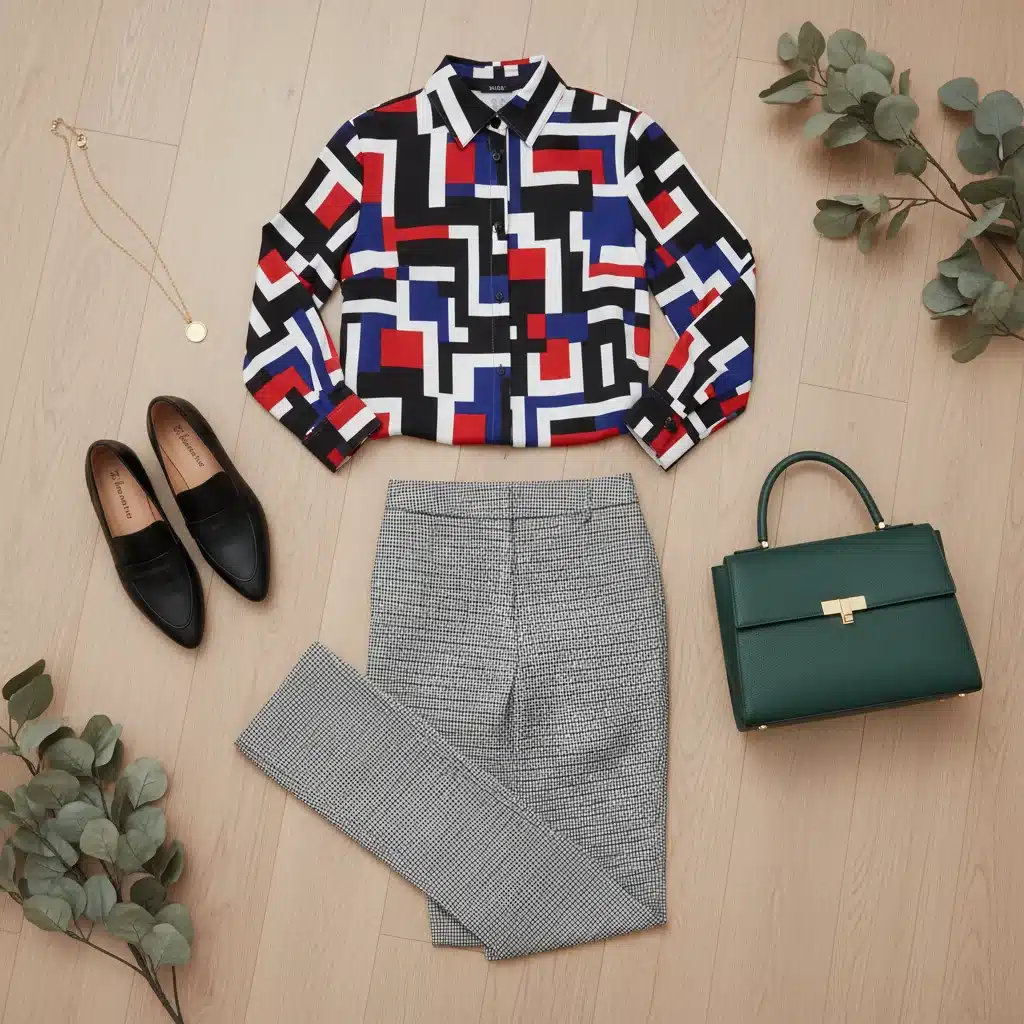
Rule 5: Confidence is Your Best Accessory – Own Your Look
Ultimately, the most important of all pattern mixing rules isn’t about colors, scales, or textures; it’s about confidence. No matter how perfectly you’ve applied all the technical guidelines, if you don’t feel good in what you’re wearing, it won’t look good. Your attitude and how you carry yourself are paramount to pulling off any bold fashion choice, especially pattern mixing.
Cultivating Confidence in Your Style:
- Start Small: If you’re new to pattern mixing, don’t feel pressured to dive into a head-to-toe patterned look. Start by pairing a patterned scarf with a striped top, or a patterned shoe with a plaid dress. Gradually incorporate more prints as you become more comfortable.
- Mirror Test: Before leaving the house, always do a full-length mirror test. Does the outfit feel like ‘you’? Do you feel comfortable and empowered? If not, adjust. Fashion should be fun, not a source of anxiety.
- Practice Makes Perfect: The more you experiment with different combinations, the more intuitive pattern mixing will become. You’ll start to develop an innate sense of what works and what doesn’t for your personal style.
- Embrace Imperfection: Fashion isn’t about perfection; it’s about expression. Sometimes the most interesting and stylish outfits come from breaking a ‘rule’ in an unexpected way. Don’t be afraid to trust your instincts.
- Personalize It: The ‘American look’ is incredibly diverse, ranging from classic preppy to bohemian chic. Adapt these pattern mixing rules to fit your personal aesthetic. Are you drawn to bold and vibrant prints, or do you prefer subtle and understated combinations? Let your personality shine through.
Remember, fashion is a form of self-expression. When you wear an outfit with confidence, you project an aura of self-assurance that makes any ensemble, especially one involving intricate pattern mixing, look effortlessly stylish. Own your choices, and let your unique style speak volumes.
Advanced Tips for the Pattern Mixing Enthusiast
Once you’ve mastered the five core pattern mixing rules, you might be ready to explore more advanced techniques. Here are a few ideas to push your boundaries:
- Three-Pattern Play: Ready to go beyond two? When combining three patterns, ensure they all adhere to the scale and color harmony rules. Often, one pattern will be dominant, one medium, and one small. Or, two patterns can share a common color, with the third introducing a complementary hue.
- Animal Prints as Neutrals: Leopard, zebra, and snake prints can often be treated as neutrals due to their earthy tones and organic patterns. They pair surprisingly well with stripes, florals, and even plaids.
- Patterned Accessories: If a full patterned garment feels like too much, integrate patterns through accessories. A patterned shoe, belt, bag, or scarf can add a pop of interest to an otherwise solid outfit or enhance an already mixed ensemble.
- Unexpected Pairings: Sometimes the most stylish looks come from unconventional combinations. Don’t be afraid to try pairing a whimsical novelty print with a classic geometric, as long as there’s a unifying element like color or a significant difference in scale.
- Layering Patterns: Consider how patterns layer. A patterned blouse under a patterned blazer, or a patterned skirt peeking out from under a patterned coat. The key here is ensuring enough contrast in scale and color, and often introducing a solid piece somewhere in the layering for balance.
These advanced tips allow you to further refine your pattern mixing skills, moving from simply following rules to intuitively creating sophisticated and personal looks. The goal is always to create a harmonious and visually interesting outfit that reflects your unique style and confidence.