Formal Wear for Women 2026: Elegance for American Events
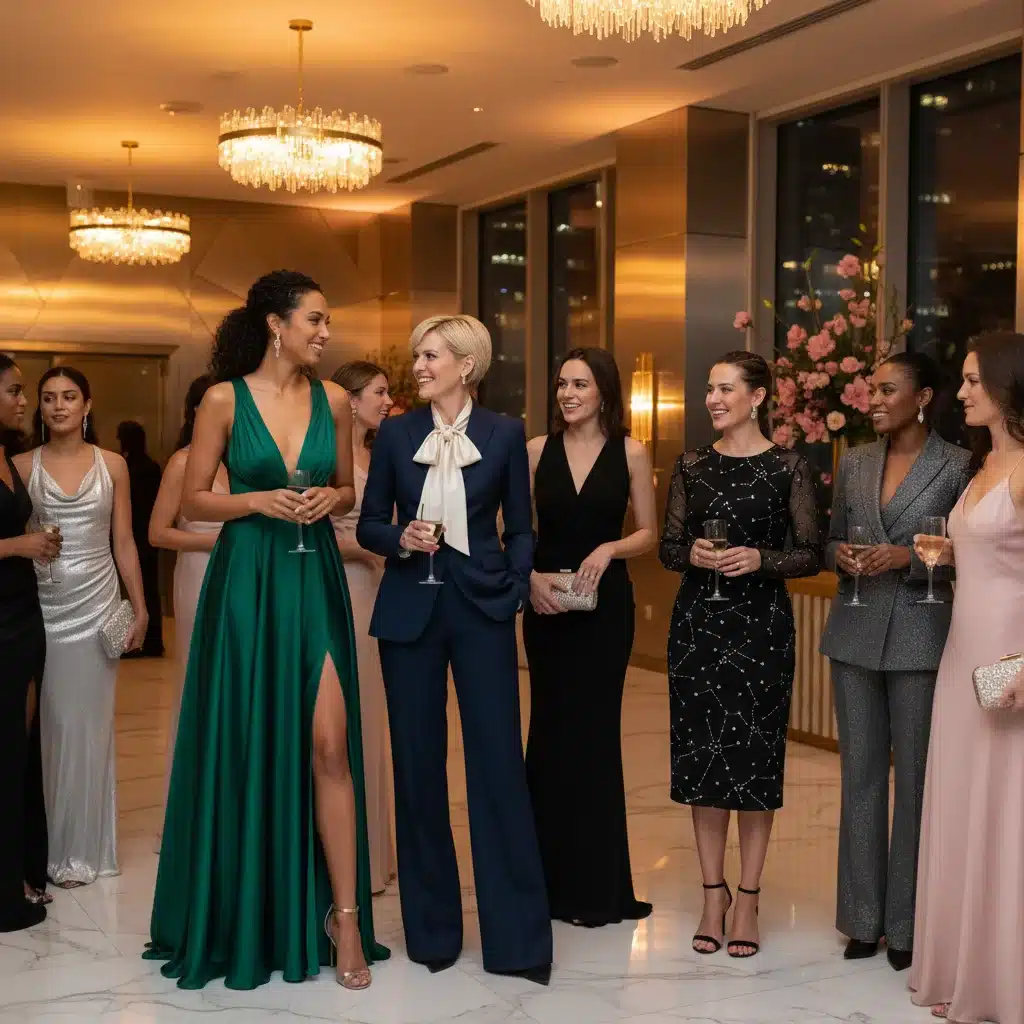
The 2026 Guide to Formal Wear for Women: Mastering Elegance for American Events
Welcome to the definitive guide on formal wear for women in 2026. As the fashion landscape evolves, so too do the nuances of dressing for formal occasions. Whether you’re attending a black-tie gala, a sophisticated wedding, a corporate awards ceremony, or a high-profile diplomatic event, understanding the intricacies of formal attire is paramount. This comprehensive article will navigate the latest trends, timeless classics, and essential etiquette to ensure you exude confidence and grace at every American event.
In 2026, formal wear continues to blend tradition with contemporary flair. While classic silhouettes and luxurious fabrics remain foundational, designers are incorporating innovative details, sustainable materials, and a renewed focus on individual expression. The goal is no longer just to meet a dress code, but to make a statement that reflects your personal style while respecting the formality of the occasion. Mastering formal wear for women means understanding not just what to wear, but how to wear it, with an emphasis on fit, fabric, and finesse.
This guide will delve into the various categories of formal attire, from the most stringent white-tie events to the increasingly popular ‘creative black-tie.’ We’ll explore the importance of accessories, hair, and makeup, and provide actionable tips for curating a versatile formal wardrobe. By the end of this article, you’ll be equipped with all the knowledge to confidently choose your perfect ensemble for any formal gathering in 2026.
Advertisements
Understanding Formal Dress Codes: A 2026 Perspective
Navigating formal dress codes can be daunting, but a clear understanding is the first step to mastering formal wear for women. In 2026, while the traditional categories still hold, there’s often more room for interpretation and personal style, particularly in less rigid environments. Let’s break down the most common formal dress codes you’ll encounter in America.
White Tie: The Pinnacle of Formal Wear
White tie remains the most formal dress code, reserved for state dinners, royal events, and some highly prestigious galas. For women, this means a full-length, often elaborate, evening gown. Think ball gowns with voluminous skirts, luxurious fabrics like silk, satin, or velvet, and exquisite detailing. Gloves (opera length) are typically expected, and elegant jewelry, a small clutch, and sophisticated updos complete the look. Diamonds, pearls, and other fine gemstones are appropriate. The key here is unapologetic grandeur and adherence to tradition.
Black Tie: The Most Common Formal Event
Black tie is the most prevalent formal dress code for evening events such as weddings, galas, and awards ceremonies. For women, a floor-length evening gown is the traditional choice. However, in 2026, sophisticated cocktail dresses that hit below the knee or a chic, tailored formal pantsuit are also widely accepted, provided they are made from luxurious fabrics and exude elegance. Colors can vary beyond black, with jewel tones, metallics, and rich pastels being popular choices. Fabric quality is crucial – opt for silk, chiffon, velvet, lace, or high-quality crepe. Accessories should be refined: delicate jewelry, an elegant clutch, and sophisticated heels. Hair can be up or down, but should be impeccably styled.
Black Tie Optional/Formal: A Blend of Choices
This dress code offers a bit more flexibility. For women, a floor-length gown is still a strong option, but a sophisticated cocktail dress or a dressy separates ensemble (think a formal top with a full skirt) is also appropriate. The distinction from strict black tie is the allowance for slightly shorter hemlines and a broader range of styles. The emphasis is on looking polished and elegant. This is where personal style can truly shine within formal boundaries. Ensure your chosen outfit feels elevated and special, distinct from business attire.
Creative Black Tie: Express Yourself
Creative black tie encourages individuality while maintaining a formal aesthetic. This is where you can play with unique colors, textures, and even subtle thematic elements. For women, a formal gown, a chic cocktail dress, or a stylish pantsuit can be chosen, but with a twist. Think bold accessories, unexpected fabric combinations, or a contemporary silhouette. For example, a classic gown might be paired with avant-garde jewelry, or a pantsuit might feature unique embellishments. The key is to be creative without straying into casual territory. It’s still formal, just with a dash of personality.
Cocktail Attire: Sophisticated and Chic
While often considered semi-formal, cocktail attire is frequently requested for evening events that require a refined look. For women, this means a dress that is knee-length, midi-length, or even a sophisticated jumpsuit. Fabrics can be a bit more varied, but still lean towards luxurious materials. This is an opportunity for more vibrant colors and playful details, though always maintaining an air of elegance. Accessories should be polished, and heels are typically expected. This category of formal wear for women is perfect for receptions, holiday parties, and upscale dinner gatherings.
Key Trends in 2026 Formal Wear for Women
The year 2026 brings exciting developments in formal wear for women. While timeless elegance remains at the core, several trends are emerging that offer fresh perspectives on classic silhouettes and modern interpretations.
Sustainable Luxury
Sustainability is no longer a niche concept; it’s a driving force in fashion. In 2026, expect to see an increased emphasis on formal garments made from ethically sourced and environmentally friendly materials. Recycled silks, organic cottons, innovative plant-based fabrics, and upcycled designs are gaining prominence. Consumers are increasingly seeking transparency and longevity in their formal purchases, investing in pieces that are both beautiful and responsible.
Architectural Silhouettes
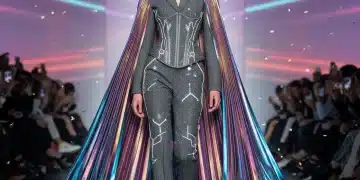
Clean lines, structured forms, and dramatic shapes are defining many formal collections. Think sculptural gowns with unexpected cut-outs, voluminous sleeves, and exaggerated shoulders. These architectural elements add a modern, artistic touch to traditional formal wear, creating visually striking ensembles that command attention without being overly ornate. This trend celebrates the power and confidence of the modern woman.
Rich Textures and Tactile Fabrics
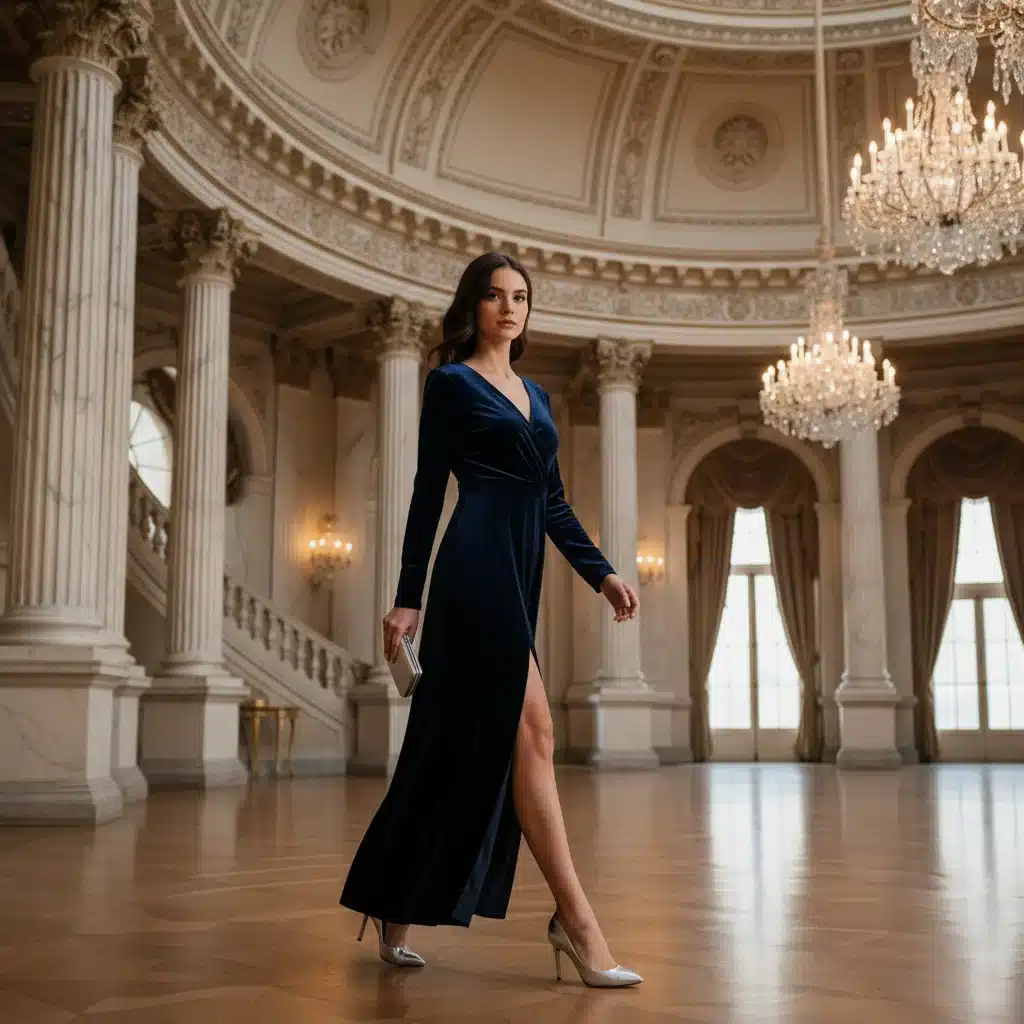
Beyond visual appeal, the feel of a garment is becoming increasingly important. Velvet, especially in deep jewel tones, continues its reign, offering a luxurious and opulent feel. Brocades, jacquards, and intricate laces are also making a strong comeback, adding depth and dimension to formal dresses and suits. Expect to see gowns with subtle metallic threads woven into the fabric, catching the light with every movement.
The Elevated Pantsuit
The formal pantsuit has evolved from a statement piece to a staple in formal wear for women. In 2026, these suits are even more refined, featuring impeccable tailoring, luxurious fabrics like silk crepe or fine wool blends, and sophisticated details such as satin lapels or embellished cuffs. Paired with a delicate camisole, a silk blouse, or even a statement bustier, the formal pantsuit offers a powerful and elegant alternative to a gown, perfect for professional galas or contemporary black-tie events.
Statement Sleeves
From dramatic puff sleeves to elegant bishop sleeves and intricate ruffled designs, sleeves are taking center stage. They add a touch of romance, drama, and high fashion to otherwise classic gowns or cocktail dresses. This trend allows for creative expression and can transform a simple silhouette into a show-stopping piece.
Metallic Accents and Shimmer
Subtle shimmer and metallic accents are key for 2026. This isn’t about overt sparkle, but rather a sophisticated gleam. Think fabrics with a metallic sheen, delicate sequin embroidery, or gowns adorned with subtle metallic threadwork. Silver, gold, and rose gold tones are popular, adding a touch of glamour and celebration to formal ensembles.
Accessorizing Your Formal Look: The Finishing Touches
No formal outfit is complete without the right accessories. They are the elements that tie your entire look together, adding personality and polish. When considering formal wear for women, pay close attention to these crucial details.
Jewelry: Less is Often More (But Make it Count)
For formal events, choose jewelry that complements your outfit without overpowering it. For white tie, elaborate pieces like diamond necklaces and earrings are expected. For black tie, a statement necklace or elegant earrings can elevate a simple gown. Alternatively, if your dress has intricate details or a high neckline, opt for subtle studs or a delicate bracelet. Pearls remain a timeless choice for any formal occasion. Consider the neckline of your dress when selecting a necklace, and the style of your hair when choosing earrings.
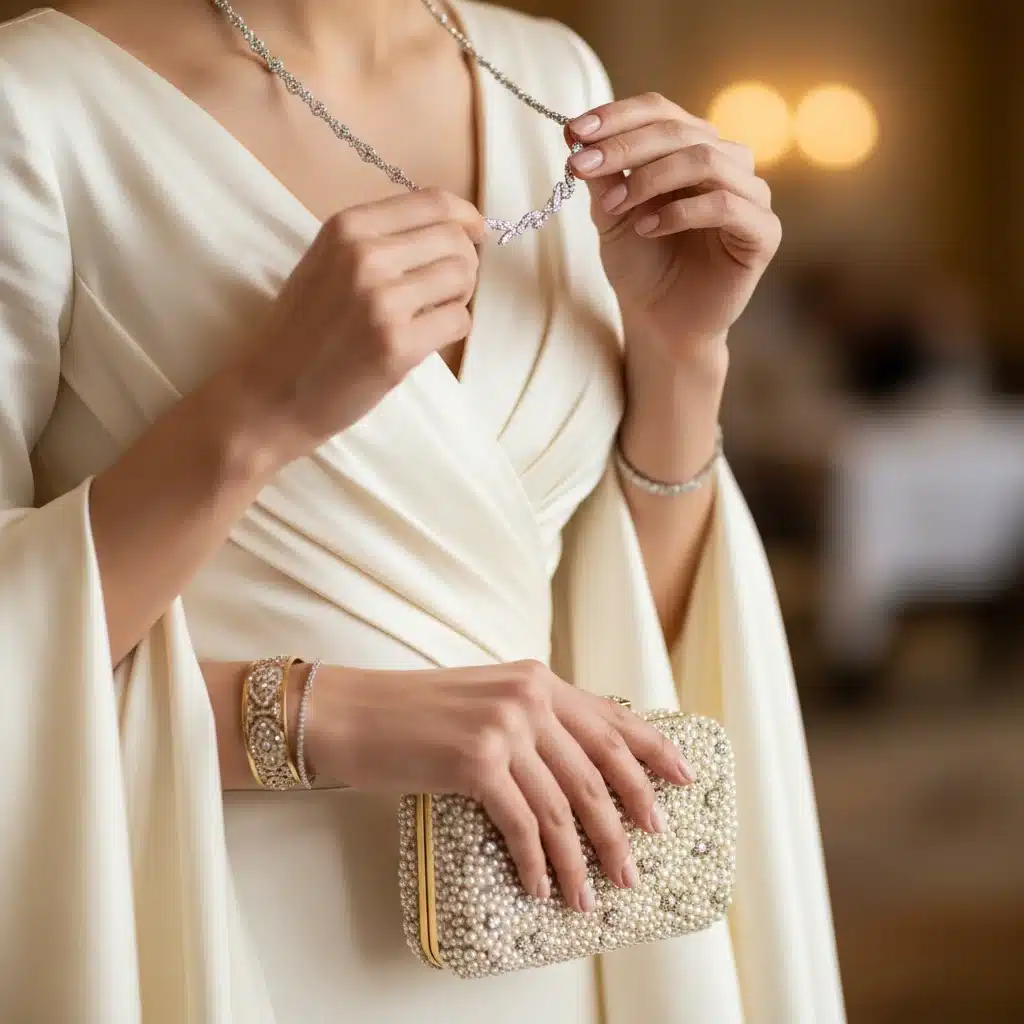
In 2026, layered delicate necklaces are also a popular choice for less rigid formal events, offering a modern twist on classic elegance. Don’t forget the power of a beautiful watch or a statement ring to add a touch of personal flair.
Clutches and Evening Bags: Practical Elegance
A small, elegant clutch or evening bag is essential. It should be large enough to hold your absolute necessities (phone, lipstick, ID) but small enough to be discreet. Materials like satin, velvet, embellished fabrics, or metallic finishes are ideal. Avoid large shoulder bags or totes, as they detract from the formality of your outfit. A structured clutch adds sophistication, while a softer, embellished bag can add a touch of glamour.
Shoes: Comfort Meets Style
Formal shoes should be elegant and complement your outfit. Classic pumps, strappy heels, or elegant sandals in satin, leather, or embellished fabrics are appropriate. While height is often desired, ensure you can comfortably walk and stand for extended periods. There’s nothing worse than hobbling around at a formal event. Consider a block heel for more stability, or opt for a kitten heel if you’re not accustomed to stilettos. The color of your shoes should either match your dress, be a neutral tone (black, nude, metallic), or offer a deliberate contrast that enhances your overall look.
Wraps and Jackets: For Practicality and Polish
Depending on the weather and the venue, a wrap, stole, or elegant jacket can be a practical and stylish addition. For gowns, a pashmina, faux fur stole, or a tailored silk or velvet wrap adds a layer of warmth and sophistication. For pantsuits or cocktail dresses, a structured blazer or a chic bolero jacket can complete the look. Ensure your outerwear is as formal as your main outfit.
Hair and Makeup for Formal Occasions
Your hair and makeup are integral components of your formal wear for women ensemble. They should enhance your features and complement the formality of the event without being distracting.
Hair: Polished and Event-Appropriate
For white-tie events, an elegant updo is almost always preferred, conveying a sense of classic sophistication. For black-tie and other formal events, you have more flexibility. A sleek chignon, a romantic braided updo, soft waves, or a polished blow-out are all excellent choices. The key is that your hair looks intentional, well-groomed, and lasts throughout the event. Avoid overly casual hairstyles or anything that looks disheveled. Consider your dress neckline – an updo often works well with intricate necklines or back details, while flowing hair can complement a simpler design.
Makeup: Refined and Long-Lasting
Formal makeup should be polished and long-wearing. A flawless base, defined eyes, and a sophisticated lip color are standard. You might opt for a classic smoky eye, a sharp winged liner, or a subtle shimmer on the lids. For lips, a timeless red, a deep berry, or a sophisticated nude can all work, depending on your personal style and the overall look you’re aiming for. Ensure your makeup is applied meticulously and consider using setting sprays to ensure it lasts through hours of socializing, dining, and dancing.
Fabric Choices: The Foundation of Formal Wear
The fabric of your formal garment plays a pivotal role in its overall elegance and drape. When selecting formal wear for women, understanding fabric properties is crucial.
- Silk: The epitome of luxury, silk offers a beautiful drape, a soft sheen, and a luxurious feel. It’s perfect for flowing gowns and elegant blouses.
- Satin: With its glossy surface and smooth texture, satin is a classic choice for formal dresses, reflecting light beautifully.
- Velvet: Rich and opulent, velvet adds depth and a tactile quality to formal wear, particularly popular for evening gowns in cooler months.
- Chiffon: Lightweight and sheer, chiffon creates ethereal layers and graceful movement, ideal for romantic and flowing silhouettes.
- Lace: Intricate and delicate, lace adds a touch of timeless romance and sophistication, often used for overlays, sleeves, or entire gowns.
- Crepe: A versatile fabric with a subtle texture and excellent drape, crepe is favored for its elegant flow and flattering fit in tailored gowns and pantsuits.
- Brocade/Jacquard: These woven fabrics feature intricate patterns, adding a rich, textured dimension and a sense of regality to formal attire.
The choice of fabric significantly impacts how your outfit looks and feels, contributing to its formality and overall impact. Prioritize quality fabrics that drape well and resist excessive wrinkling.
The Importance of Fit and Tailoring
Even the most expensive gown will fall flat if it doesn’t fit properly. Tailoring is perhaps the most crucial aspect of mastering formal wear for women. A perfectly fitted garment elevates your entire look, making you appear polished and confident.
- Length: For floor-length gowns, the hem should just skim the top of your shoes, allowing you to walk without tripping while still covering your feet elegantly. For cocktail dresses, ensure the length is appropriate for the occasion and flattering to your figure.
- Bodice: The bodice should fit snugly but comfortably, without gaping or pulling. Straps should not dig into your shoulders, nor should they slip off.
- Waistline: If your dress has a defined waist, it should sit at your natural waist or where it’s most flattering for your body shape.
- Sleeves: If applicable, sleeves should be the correct length and allow for a full range of motion.
Invest in professional alterations. A good tailor can transform an off-the-rack dress into a custom-fit masterpiece, making all the difference in your formal presentation.
Building a Versatile Formal Wardrobe
While specific events may call for unique outfits, building a versatile core of formal wear for women can save you time and stress. Consider investing in these key pieces:
- The Little Black Dress (LBD), Formal Edition: A sophisticated, knee-length or midi-length black cocktail dress made from a luxurious fabric. It can be dressed up or down with accessories.
- A Classic Floor-Length Gown: Choose a timeless silhouette in a versatile color like black, navy, emerald green, or a rich burgundy. This will serve you well for black-tie events.
- A Tailored Formal Pantsuit: A well-fitting pantsuit in black, navy, or a deep jewel tone offers a powerful and chic alternative for many formal occasions.
- Versatile Accessories: A classic pair of black heels, metallic strappy sandals, a black clutch, a metallic clutch, and a selection of elegant jewelry (pearls, delicate diamonds, or a statement piece).
- A Luxurious Wrap or Shawl: Essential for adding warmth and elegance, particularly for cooler evenings or air-conditioned venues.
By having these foundational pieces, you can mix and match, and easily adapt to various formal dress codes with minimal additional purchases.
Etiquette and Confidence: Beyond the Attire
Dressing well is only half the battle; how you carry yourself is equally important in mastering formal wear for women. Etiquette and confidence elevate your entire presence.
Posture and Poise
Stand tall, shoulders back, and head held high. Good posture not only makes your outfit look better but also projects an air of confidence and grace. Practice walking in your formal shoes before the event to ensure comfort and fluidity of movement.
Event-Specific Etiquette
Research the specific event you’re attending. Is it a seated dinner, a standing reception, or a dance? Understanding the flow of the event can help you choose an outfit that is not only appropriate but also comfortable and practical. For example, a very voluminous ball gown might be beautiful but impractical for a crowded standing reception.
Mind Your Manners
Formal events often come with specific social protocols. Be mindful of dining etiquette, conversational skills, and general decorum. Your behavior is an extension of your formal presentation.
Confidence is Your Best Accessory
Ultimately, the most important element of any formal ensemble is your confidence. When you feel good in what you’re wearing, it shows. Choose an outfit that makes you feel beautiful, comfortable, and empowered. Your inner glow will be the most striking part of your formal wear for women.
Common Formal Wear Mistakes to Avoid
Even with the best intentions, it’s easy to make a faux pas. Here are some common mistakes to avoid when selecting and wearing formal wear for women:
- Ignoring the Dress Code: This is the cardinal sin. Always adhere to the requested dress code, even if it means stepping outside your comfort zone. Being underdressed or overdressed can make you (and others) uncomfortable.
- Ill-Fitting Garments: As mentioned, poor fit can ruin an otherwise perfect outfit. Don’t skip the tailor!
- Over-Accessorizing: While accessories are important, too many can look cluttered. Choose one or two focal points and let them shine.
- Wearing Uncomfortable Shoes: Prioritize comfort to some extent. If you can’t walk, you can’t enjoy the event. Bring a pair of elegant flats for dancing if necessary.
- Casual Hair and Makeup: Your hair and makeup should match the formality of your outfit. A messy bun or minimal makeup is usually not appropriate for a black-tie event.
- Bringing a Large Everyday Bag: Leave the tote at home. A small, elegant clutch is the only appropriate bag for formal occasions.
- Choosing the Wrong Undergarments: Visible bra straps, panty lines, or ill-fitting shapewear can detract from the sleekness of your gown. Invest in seamless, supportive undergarments.
- Forgetting to Iron/Steam: A wrinkled formal dress immediately loses its elegance. Always ensure your outfit is pristine before heading out.
By being mindful of these pitfalls, you can ensure your formal presentation is impeccable.
Conclusion: Embracing Elegance in 2026
Mastering formal wear for women in 2026 is an art that blends tradition with contemporary trends, personal style with sartorial etiquette. From understanding the nuances of various dress codes to selecting the perfect gown or pantsuit, and from choosing exquisite accessories to perfecting your hair and makeup, every detail contributes to a cohesive and elegant look. The evolving landscape emphasizes sustainable luxury, architectural silhouettes, and rich textures, offering exciting new avenues for expression.
Remember that true elegance goes beyond the clothes you wear; it’s about how you carry yourself, your confidence, and your respect for the occasion. By following the guidelines in this comprehensive guide, you are well-equipped to navigate any American formal event with grace, style, and undeniable sophistication. Invest in quality pieces, embrace the power of tailoring, and let your personal style shine through within the bounds of formality. With these insights, you’ll not only meet the dress code but leave a lasting impression of refined taste and timeless glamour.