Daily Trend Watch: Is This the End of Fast Fashion? A 2026 Perspective
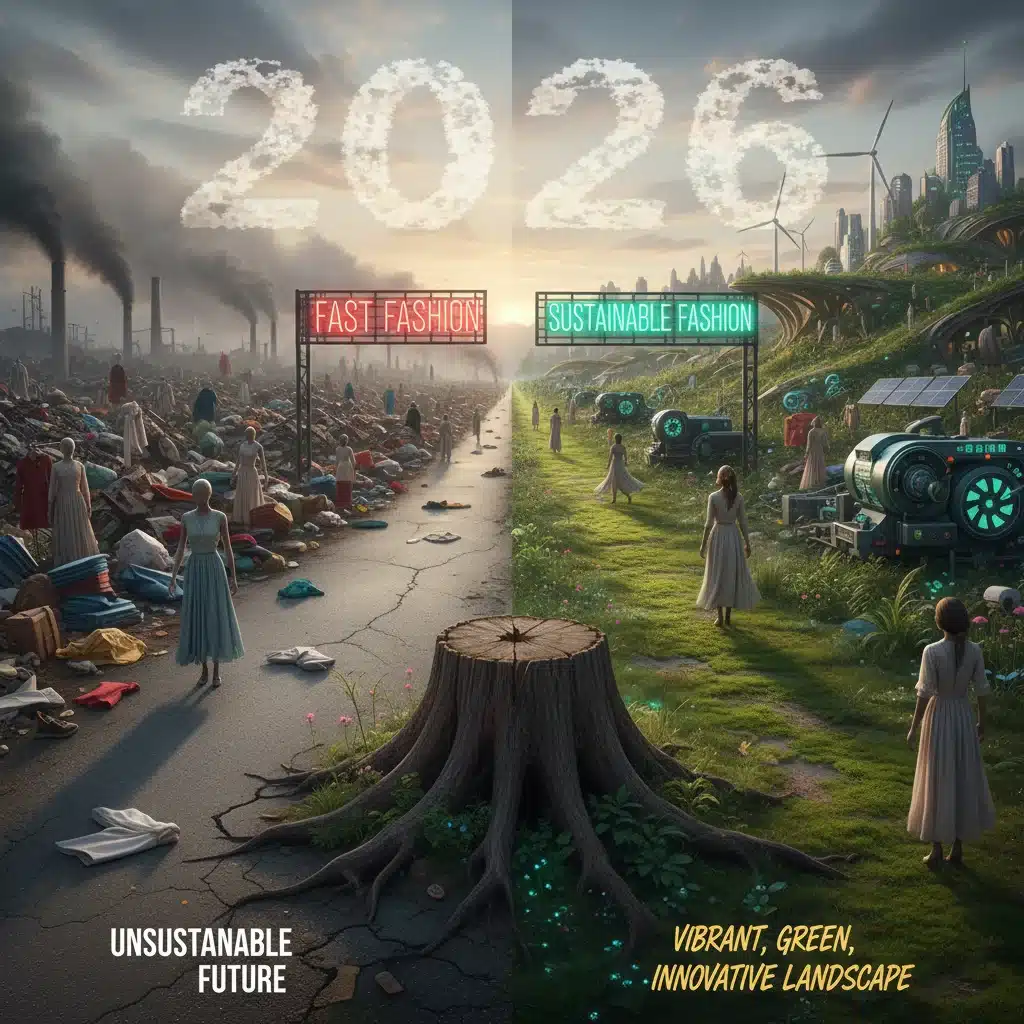
Daily Trend Watch: Is This the End of Fast Fashion? A 2026 Perspective
The fashion industry is a behemoth, a multi-trillion-dollar global enterprise that influences culture, drives economies, and, in its current iteration, significantly impacts our planet. For decades, one segment has dominated the landscape: fast fashion. Characterized by rapid production cycles, trend replication, low prices, and disposable garments, fast fashion revolutionized how consumers shop. However, as we approach 2026, a critical question looms large: is this the end fast fashion era?
The signs are increasingly clear. A confluence of factors, including growing environmental awareness, ethical concerns, shifts in consumer behavior, and technological advancements, are collectively challenging the very foundation of the fast fashion model. This article will delve deep into these trends, exploring whether the reign of fast fashion is truly coming to an end by 2026 and what a post-fast fashion world might look like.
Advertisements
The Rise and Reign of Fast Fashion: A Brief Retrospective
To understand the potential demise of fast fashion, we must first acknowledge its meteoric rise. Emerging in the late 20th century and accelerating into the 21st, fast fashion brands perfected the art of delivering catwalk trends to the high street at breakneck speed and astonishingly low prices. This model was built on several pillars:
- Speed to Market: Design to retail in weeks, not months.
- Low Production Costs: Often achieved through outsourcing to countries with lax labor laws and cheap materials.
- High Volume, Low Price: Encouraging frequent purchases and a ‘wear-once’ mentality.
- Trend Replication: Quickly copying designs from luxury brands and runway shows.
This approach democratized fashion, making trendy clothing accessible to a broader demographic. However, the hidden costs were immense, paving the way for the current debate on whether we are witnessing the end fast fashion movement as we know it.
Environmental Reckoning: The Planet’s Plea for the End of Fast Fashion
Perhaps the most significant driver behind the potential end fast fashion narrative is its devastating environmental footprint. The statistics are staggering and have become increasingly difficult for consumers and corporations alike to ignore:
- Water Consumption: The fashion industry is a thirsty beast. Producing a single cotton t-shirt can require up to 2,700 liters of water, enough drinking water for one person for 2.5 years. Denim production is even more water-intensive.
- Pollution: Textile dyeing and treatment are responsible for significant water pollution, discharging toxic chemicals into rivers and oceans. Microplastic pollution from synthetic fabrics like polyester and nylon, released during washing, is a growing concern, entering our food chain and ecosystems.
- Waste Generation: The sheer volume of clothing produced means an equally colossal amount of waste. Landfills are overflowing with discarded garments, many of which are non-biodegradable synthetics. The average person buys 60% more clothes than 15 years ago but keeps them for half as long.
- Carbon Emissions: From raw material extraction and manufacturing to transportation and disposal, the fashion supply chain is a major contributor to greenhouse gas emissions, exacerbating climate change.
As climate change impacts become more evident and public awareness grows, the pressure on brands to adopt more sustainable practices intensifies. Governments, NGOs, and informed consumers are demanding change, making the environmental cost of business as usual unsustainable. This mounting pressure is a powerful force pushing towards the end fast fashion paradigm.
Ethical Imperatives: Human Cost and the Call for an End Fast Fashion
Beyond environmental concerns, the ethical implications of fast fashion have come under intense scrutiny. The pursuit of ever-lower production costs often comes at the expense of human dignity and fair labor practices. Reports of:
- Exploitative Labor: Garment workers, often in developing countries, working long hours for meager wages, sometimes in unsafe conditions.
- Child Labor: The unfortunate reality of children being exploited in various stages of the supply chain.
- Lack of Transparency: The opaque nature of fast fashion supply chains makes it difficult to trace the origins of garments and ensure ethical production.
Tragedies like the Rana Plaza factory collapse in Bangladesh in 2013, which killed over 1,100 garment workers, served as a stark reminder of the human cost of fast fashion. These events galvanized advocacy groups and consumers, fueling a demand for greater transparency and accountability. Brands are now facing increasing pressure to demonstrate ethical sourcing and fair treatment of workers, a crucial factor in the potential end fast fashion movement.
The Shifting Sands of Consumer Behavior: Conscious Choices
Perhaps the most significant indicator of the potential end fast fashion trend is the discernible shift in consumer behavior. A new generation of shoppers, particularly Gen Z and millennials, are increasingly prioritizing values over sheer volume. They are:
- Seeking Transparency: Wanting to know where and how their clothes are made.
- Valuing Durability and Quality: Moving away from disposable items towards garments that last.
- Embracing Second-Hand and Vintage: The resale market is booming, challenging the narrative of constant newness.
- Supporting Sustainable Brands: Actively seeking out companies with demonstrable ethical and environmental commitments.
- Demanding Authenticity: Preferring brands that genuinely embody sustainable practices rather than just greenwashing.
Social media has played a pivotal role in this shift, amplifying messages about sustainability and ethical consumption. Influencers and activists are educating their followers, making conscious consumerism a growing trend. This evolving mindset is directly impacting the profitability and public perception of fast fashion giants, compelling them to adapt or risk being left behind in the race to end fast fashion.
Innovation and Technology: Paving the Way for a Sustainable Future
The fashion industry is not just reacting to external pressures; it’s also innovating from within. Technological advancements and creative solutions are offering viable alternatives to traditional fast fashion practices, accelerating the move towards the end fast fashion era:
Material Innovation: The Dawn of New Textiles
Researchers and startups are developing revolutionary materials that are less resource-intensive and more environmentally friendly. Examples include:
- Bio-based Fabrics: Materials derived from plant waste (e.g., pineapple leaves, mushroom mycelium, orange peels) offering sustainable alternatives to traditional fibers.
- Recycled Materials: Advanced techniques for recycling textiles, including polyester from plastic bottles and innovative cotton recycling processes, reducing reliance on virgin resources.
- Lab-Grown Leather: Cultivated leather alternatives that bypass the ethical and environmental concerns of traditional animal leather.
Circular Economy Models: Beyond Linear Production
The concept of a circular economy, where products are designed for durability, reuse, repair, and recycling, is gaining traction. This directly contradicts the linear ‘take-make-dispose’ model of fast fashion. Initiatives include:
- Rental Services: Fashion rental platforms allowing consumers to access high-quality garments for specific occasions without permanent ownership.
- Repair and Upcycling Initiatives: Brands offering repair services or encouraging consumers to upcycle their clothes, extending garment lifespans.
- Take-Back Programs: Companies collecting old garments for recycling or repurposing, closing the loop on textile waste.

Digitalization and Transparency: Tracking the Journey
Blockchain technology and advanced data analytics are enabling greater transparency in supply chains. Consumers can potentially trace a garment’s journey from raw material to finished product, verifying ethical and sustainable claims. This increased visibility makes it harder for brands to engage in greenwashing and empowers consumers to make truly informed choices, further contributing to the end fast fashion movement.
Regulatory Landscape: Government Intervention and Policy
Governments and international bodies are also beginning to take notice and implement policies aimed at curbing the excesses of fast fashion. Regulations around waste management, chemical use, and labor practices are becoming stricter. Extended Producer Responsibility (EPR) schemes, for example, hold brands accountable for the entire lifecycle of their products, including disposal. While still in nascent stages in many regions, these regulatory shifts will increasingly force brands to rethink their business models, accelerating the push to end fast fashion practices.
The Fast Fashion Response: Adaptation or Obsolescence?
Facing unprecedented pressure, fast fashion giants are not standing idly by. Many are attempting to adapt, albeit with varying degrees of sincerity and success. Their strategies include:
- Sustainability Collections: Launching lines made from recycled or organic materials.
- Greenwashing Accusations: Often, these efforts are criticized as superficial attempts to appear sustainable without fundamental changes to their core business model.
- Investing in Technology: Exploring automation and AI to optimize production and reduce waste.
- Supply Chain Overhauls: Some are working to improve transparency and labor conditions, though this is a long and complex process.
- Circular Economy Pilots: Experimenting with rental or resale platforms.
The challenge for these behemoths is immense. Their entire business model is predicated on speed, volume, and low cost. A genuine pivot to sustainability often requires a complete re-evaluation of their operations, which can be costly and disruptive. The question remains whether these adaptations are enough to prevent the eventual end fast fashion as we currently understand it.
The Rise of Slow Fashion and Conscious Consumption
As fast fashion potentially declines, its antithesis, slow fashion, continues to gain momentum. Slow fashion emphasizes quality, craftsmanship, durability, and ethical production. It encourages consumers to:
- Buy Less, Choose Well: Invest in timeless, well-made pieces.
- Value Artisanship: Appreciate the skill and effort behind each garment.
- Repair and Reuse: Extend the life of clothing through mending and creative repurposing.
- Support Local and Ethical Brands: Prioritize companies that align with their values.
This movement is not just about clothing; it’s a broader lifestyle choice that values mindfulness and sustainability across all consumption patterns. The growing embrace of slow fashion is a clear indicator that many consumers are actively seeking the end fast fashion in their own wardrobes.

What Will 2026 Look Like? Forecasting the Future of Fashion
By 2026, it is unlikely that fast fashion will completely disappear. Its accessibility and affordability still appeal to a significant portion of the global population. However, its dominance will almost certainly be eroded. We can anticipate a more diversified and polarized fashion landscape:
- Increased Segmentation: A clear divide between genuinely sustainable, ethical brands and those still clinging to outdated fast fashion models.
- Premium on Transparency: Brands that can authentically demonstrate their ethical and environmental credentials will gain a significant competitive advantage.
- Growth of the Circular Economy: Rental, resale, and repair services will become mainstream, offering consumers more sustainable ways to engage with fashion.
- Innovation as a Driver: New materials and production technologies will continue to emerge, making sustainable fashion more accessible and desirable.
- Regulatory Scrutiny: Governments will likely implement more stringent regulations regarding waste, chemicals, and labor, pushing even reluctant brands towards better practices.
- Conscious Consumer Dominance: The influence of ethically-minded consumers will continue to grow, shaping market demand.
While a complete end fast fashion might be an ambitious goal for 2026, a significant transformation is inevitable. The industry will be forced to evolve, prioritizing people and planet alongside profit. Those brands that fail to adapt risk becoming relics of a bygone era.
The Role of the Consumer in Shaping the Future
Ultimately, the power to truly bring about the end fast fashion lies with consumers. Every purchasing decision is a vote for the kind of fashion industry we want to support. By:
- Educating Ourselves: Understanding the impact of our clothing choices.
- Choosing Wisely: Investing in durable, versatile pieces.
- Supporting Ethical Brands: Researching and buying from companies committed to sustainability.
- Embracing Second-Hand: Exploring thrift stores, consignment shops, and online resale platforms.
- Repairing and Repurposing: Extending the life of garments we already own.
- Demanding Transparency: Asking brands tough questions about their supply chains.
These individual actions, collectively, create immense pressure for systemic change. The narrative is no longer about simply buying clothes, but about conscious consumption and responsible citizenship. The drive to end fast fashion is a collective effort, and each consumer plays a vital role.
Conclusion: A New Dawn for Fashion
The question of whether 2026 marks the definitive end fast fashion is complex. While a complete eradication is unlikely, the industry is undoubtedly at a pivotal juncture. The unsustainable practices and ethical compromises that defined fast fashion’s golden age are now its greatest liabilities. Environmental degradation, social injustice, and shifting consumer values are creating an undeniable momentum towards a more responsible and sustainable future.
By 2026, we will likely see a fashion landscape where sustainability is not a niche concern but a core expectation. Brands that genuinely embrace ethical production, circular economy principles, and material innovation will thrive. Those that resist change will face increasing irrelevance. The era of mindless consumption is giving way to mindful choices, and in this evolution, the fashion industry is poised for a significant and necessary transformation. The journey to truly end fast fashion may be long, but 2026 will undoubtedly be a landmark year in its progression towards a more ethical and sustainable global wardrobe.