Market Shifts: How Recent Supply Chain Updates Will Affect Your Shopping in 2026
Market Shifts: How Recent Supply Chain Updates Will Affect Your Shopping in 2026
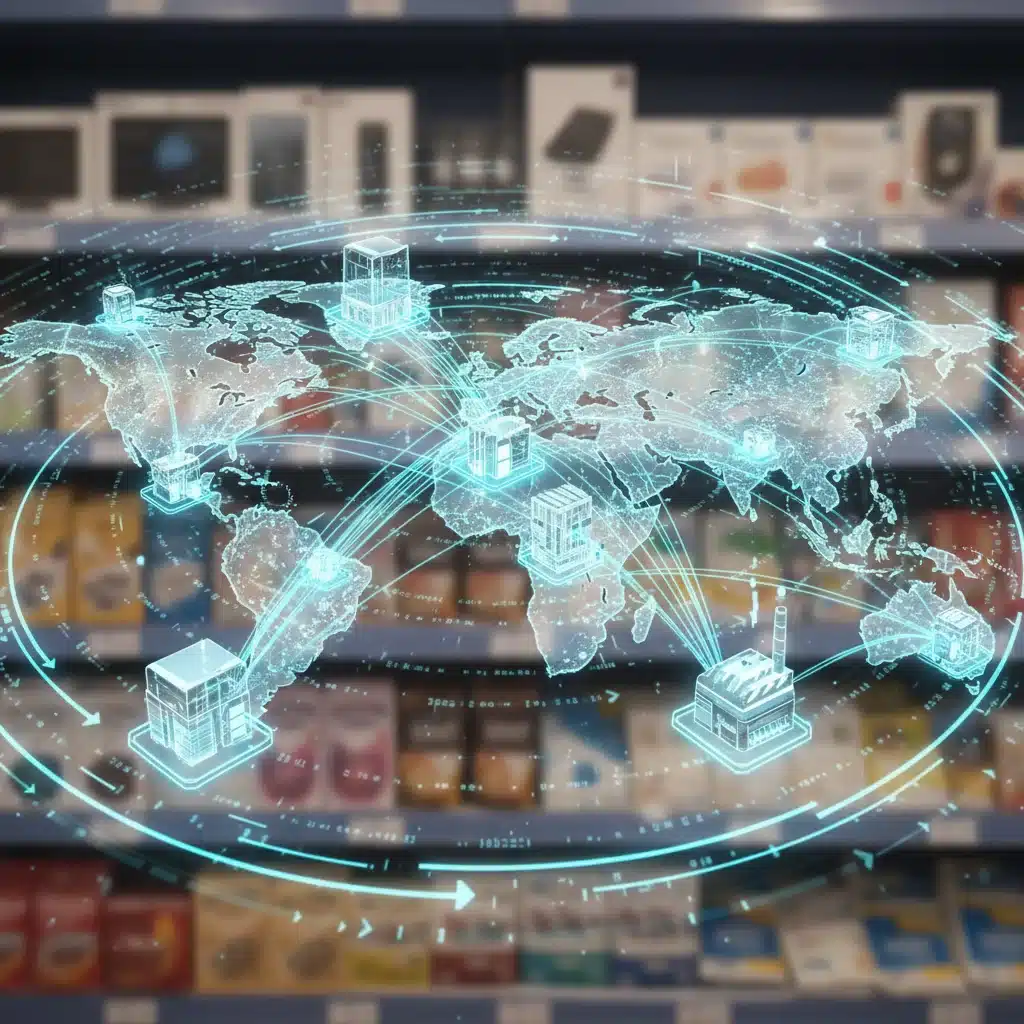
The global economy is a complex, interconnected web, and at its heart lies the supply chain. From the raw materials extracted from the earth to the finished product landing on your doorstep, every step is a delicate dance of logistics, manufacturing, and distribution. In recent years, this intricate system has faced unprecedented challenges, from pandemics and geopolitical tensions to climate change impacts and labor shortages. These disruptions are not merely fleeting events; they are fundamentally reshaping how goods move around the world and, consequently, how you will experience shopping in 2026. Understanding this supply chain impact is crucial for every consumer.
As we look ahead to 2026, it’s clear that the ‘new normal’ for supply chains will be defined by resilience, regionalization, and technological integration. This article delves deep into these evolving dynamics, exploring the specific ways in which recent supply chain updates will ripple through the market and directly influence your purchasing decisions, product availability, and even the prices you pay. Prepare to gain insights into how these market shifts will redefine your shopping experience.
Advertisements
The Unfolding Landscape of Global Supply Chains
Before we pinpoint the direct effects on your shopping cart, it’s essential to grasp the foundational changes occurring within global supply chains. The era of ‘just-in-time’ inventory, while efficient, proved vulnerable to sudden shocks. The new paradigm emphasizes ‘just-in-case,’ fostering greater redundancy and robustness. This strategic pivot is a direct response to the lessons learned from recent disruptions and will have a significant supply chain impact on how products reach consumers.
From Globalization to Regionalization: A Strategic Shift
One of the most prominent trends is the move towards regionalization, or ‘friend-shoring.’ Companies are increasingly diversifying their manufacturing bases, moving away from over-reliance on a single country or region. This means more production facilities are being established closer to end markets, often within allied nations. While this can reduce transit times and increase reliability, it may also lead to higher production costs due to varying labor and regulatory environments. For consumers, this could mean a more stable supply of certain goods, but potentially at a slightly elevated price point. The goal is to mitigate future disruptions and ensure a more consistent supply chain impact on product availability.
Technological Integration: AI, IoT, and Blockchain
Technology is playing an increasingly vital role in fortifying supply chains. Artificial Intelligence (AI) is being used for demand forecasting, optimizing inventory levels, and predicting potential disruptions before they occur. The Internet of Things (IoT) provides real-time tracking of goods, offering unprecedented visibility into the movement of products. Blockchain technology is enhancing transparency and traceability, allowing consumers to verify the origin and journey of their purchases, particularly in sectors like food and luxury goods. These innovations are designed to make the supply chain more resilient and efficient, ultimately improving the consumer experience and managing the supply chain impact.
Sustainability at the Forefront
Environmental, Social, and Governance (ESG) considerations are no longer optional but integral to supply chain strategy. Consumers are demanding more sustainable products, and companies are responding by re-evaluating their sourcing, manufacturing processes, and logistics. This includes reducing carbon footprints, ethical labor practices, and circular economy principles. While beneficial for the planet, these initiatives can sometimes add to production costs, which may be reflected in product prices. However, they also offer consumers the choice of more environmentally friendly options, directly influencing the supply chain impact on ethical consumption.
Direct Impact on Your Shopping Experience in 2026
Now, let’s get down to how these overarching changes will specifically manifest in your day-to-day shopping habits and choices in 2026. The supply chain impact will be felt across various aspects, from what you buy to how much you pay.
Product Availability: Fewer Out-of-Stocks, but Potentially Less Variety
One of the most frustrating aspects of recent years has been the unpredictable availability of products. Thanks to regionalization and improved forecasting, 2026 should see a more stable supply of essential goods. However, the focus on resilience might lead companies to streamline product lines, prioritizing core offerings over niche items. This could mean fewer choices in certain categories as retailers and manufacturers aim for efficiency and reduced complexity in their supply chains. The trade-off for consistent availability might be a slightly narrower selection. This will be a noticeable supply chain impact for many shoppers.
Pricing: Expect Continued Volatility and Potential Increases
Inflation has been a major concern, and while some pressures may ease, the underlying structural changes in supply chains could sustain higher price levels for certain goods. Increased labor costs in reshoring efforts, investments in new technologies, and the shift towards more sustainable (and often more expensive) materials will all contribute to the final price tag. Furthermore, the cost of energy and transportation remains a significant factor. Consumers should anticipate continued price volatility and a general upward trend for many products. Understanding this supply chain impact on pricing is key to budgeting.
Delivery Times and Costs: Faster Local, Slower Global?
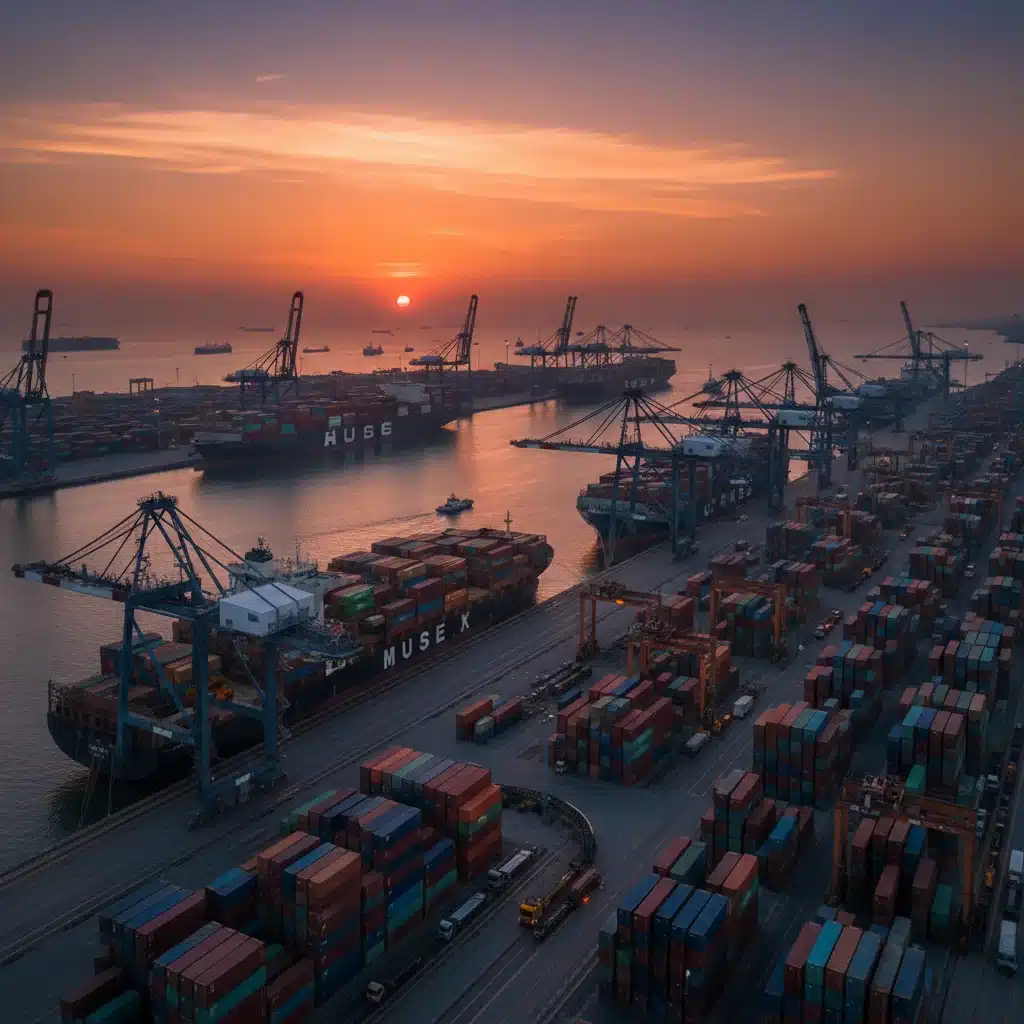
For goods sourced regionally, delivery times could become faster and more predictable. The emphasis on local production and distribution hubs aims to reduce the transit time from factory to consumer. However, for items still reliant on complex global networks, unexpected delays could still occur, albeit with better communication and tracking thanks to technological advancements. Shipping costs, particularly for international orders, may remain elevated due to higher fuel prices and increased demand for expedited services. This dual effect on delivery is another significant supply chain impact.
The Rise of ‘Ethical’ and ‘Local’ Shopping
As sustainability and transparency become more central to supply chain operations, consumers will find it easier to make informed choices. Expect more detailed labeling about product origins, environmental footprint, and ethical labor practices. The demand for locally sourced goods will likely continue to grow, driven by a desire for freshness, reduced environmental impact, and supporting local economies. This trend will empower consumers to align their purchasing power with their values, creating a positive supply chain impact on conscious consumption.
Increased Personalization and Customization (for some goods)
While some product lines might consolidate, technological advancements in manufacturing (like 3D printing) and more agile regional supply chains could enable greater personalization and customization for certain goods. This might be particularly true for apparel, home goods, or specialized electronics, where production can be closer to the customer and respond quickly to individual preferences. This localized approach can reduce waste and offer unique products, a niche but growing supply chain impact.
Navigating the New Shopping Landscape: What Consumers Can Do
Given these impending changes, how can you, as a consumer, best prepare and adapt your shopping strategies for 2026? Understanding the supply chain impact allows for proactive adjustments.
Embrace Flexibility and Early Planning
For essential or highly desired items, adopting a more flexible mindset and planning purchases further in advance can be beneficial. If you have a specific brand or model in mind, consider ordering it earlier, especially if it’s an item with a historically volatile supply. This proactive approach can help mitigate the frustration of out-of-stock situations.
Diversify Your Shopping Sources
Don’t rely solely on one retailer or e-commerce platform. Explore local businesses, independent sellers, and different online marketplaces. A diversified approach can increase your chances of finding what you need, potentially at a better price, and support a broader range of businesses that are also adapting to the evolving supply chain impact.
Prioritize Needs Over Wants (Sometimes)
In an environment of potentially higher prices and streamlined product offerings, it might be wise to prioritize essential purchases. Differentiating between ‘needs’ and ‘wants’ can help manage your budget and avoid impulsive buys that might later seem overpriced or less available. This mindful approach helps manage the personal supply chain impact.
Research and Compare More Rigorously
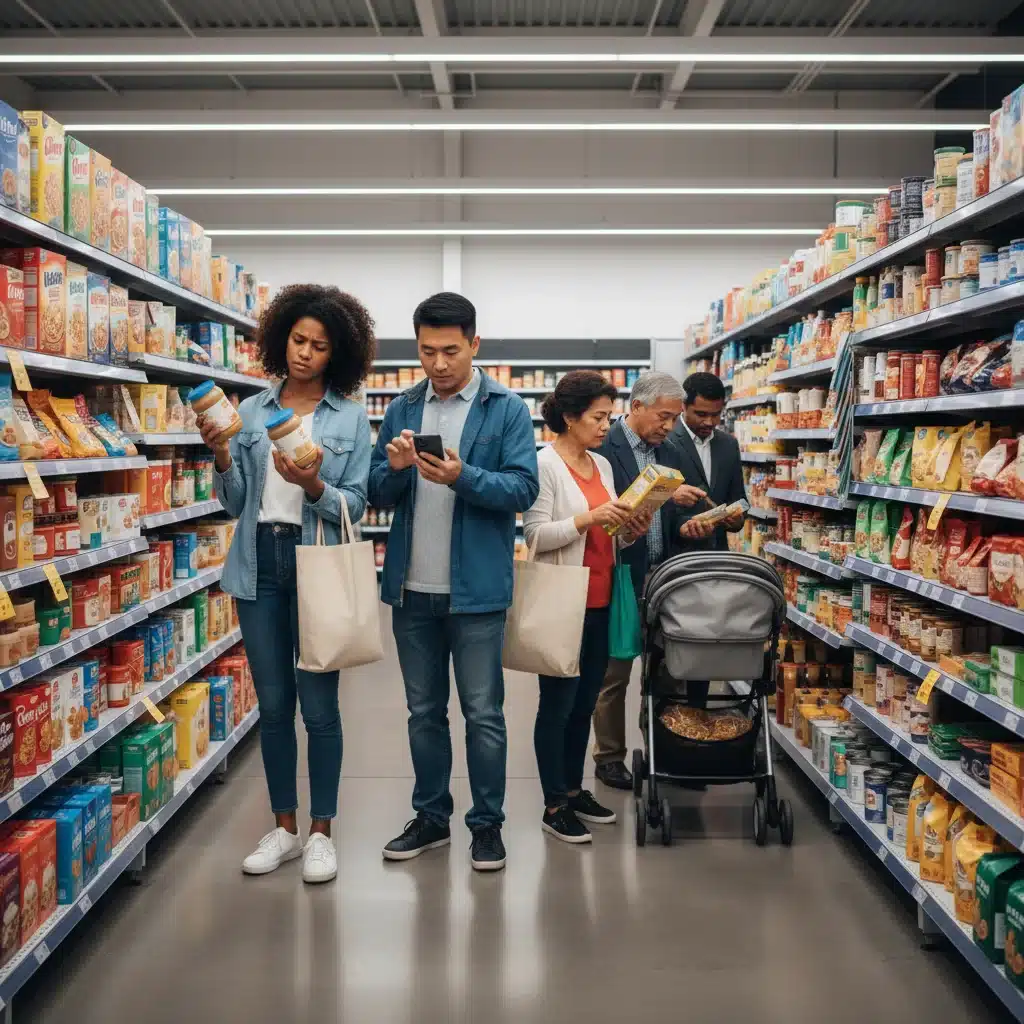
With potential price volatility, dedicated research and price comparison will become even more valuable. Utilize online tools, read reviews, and check multiple vendors before making a significant purchase. Understanding the factors contributing to price (e.g., origin, sustainability efforts) can also help you make more informed decisions.
Support Sustainable and Local Options
If sustainability and ethical sourcing are important to you, actively seek out brands and retailers that prioritize these values. Supporting local businesses can not only reduce the environmental footprint of your purchases but also strengthen community resilience against global supply chain shocks. Your choices have a collective supply chain impact.
The Long-Term Outlook: A More Resilient, Transparent Future
While the immediate future of shopping in 2026 might present some challenges, the long-term outlook for supply chains is one of increased resilience and transparency. The investments being made in technology, regionalization, and sustainability are not temporary fixes but foundational changes designed to create a more robust and ethically sound global trade system. The ongoing supply chain impact is pushing us towards better practices.
Enhanced Consumer Trust
As blockchain and other traceability technologies become more widespread, consumers will gain unprecedented insight into the journey of their products. This enhanced transparency can build greater trust between brands and their customers, especially for products where origin and ethical production are paramount. Knowing the full supply chain impact of a product can empower better choices.
Innovation Driven by Necessity
The challenges faced by supply chains have spurred incredible innovation. From advanced robotics in warehouses to AI-powered predictive analytics, the industry is transforming rapidly. These innovations will eventually lead to more efficient, cost-effective, and environmentally friendly ways of bringing products to market, ultimately benefiting consumers.
A Shift in Consumer Expectations
Consumers themselves are evolving. The experiences of recent years have made many more aware of the complexities of global trade. This heightened awareness will likely lead to a greater appreciation for product availability, a willingness to support sustainable practices, and an expectation of transparency from brands. This change in consumer mindset will further shape the future supply chain impact.
Conclusion: Adapting to the Evolving Supply Chain Impact
The year 2026 will mark a significant point in the evolution of global commerce. The recent updates and strategic shifts within supply chains are not just abstract economic phenomena; they are tangible forces that will directly influence how you shop, what you buy, and how much you pay. From the move towards regionalized manufacturing and advanced technological integration to a renewed focus on sustainability, every aspect of the supply chain is being re-evaluated and rebuilt for greater resilience.
As consumers, adapting to this evolving landscape means embracing flexibility, becoming more discerning in our choices, and leveraging available information to make informed decisions. While there might be adjustments to pricing and product variety, the long-term benefits include more stable availability, greater transparency, and a stronger emphasis on ethical and sustainable practices. The supply chain impact of these changes will ultimately forge a more robust and responsible global marketplace.
Stay informed, stay adaptable, and prepare to navigate the exciting, albeit sometimes challenging, shopping landscape of 2026. Your role as a conscious consumer is more important than ever in shaping the future of global trade.