Transform Your Wardrobe: Top 5 Sustainable Fashion Swaps for 2026
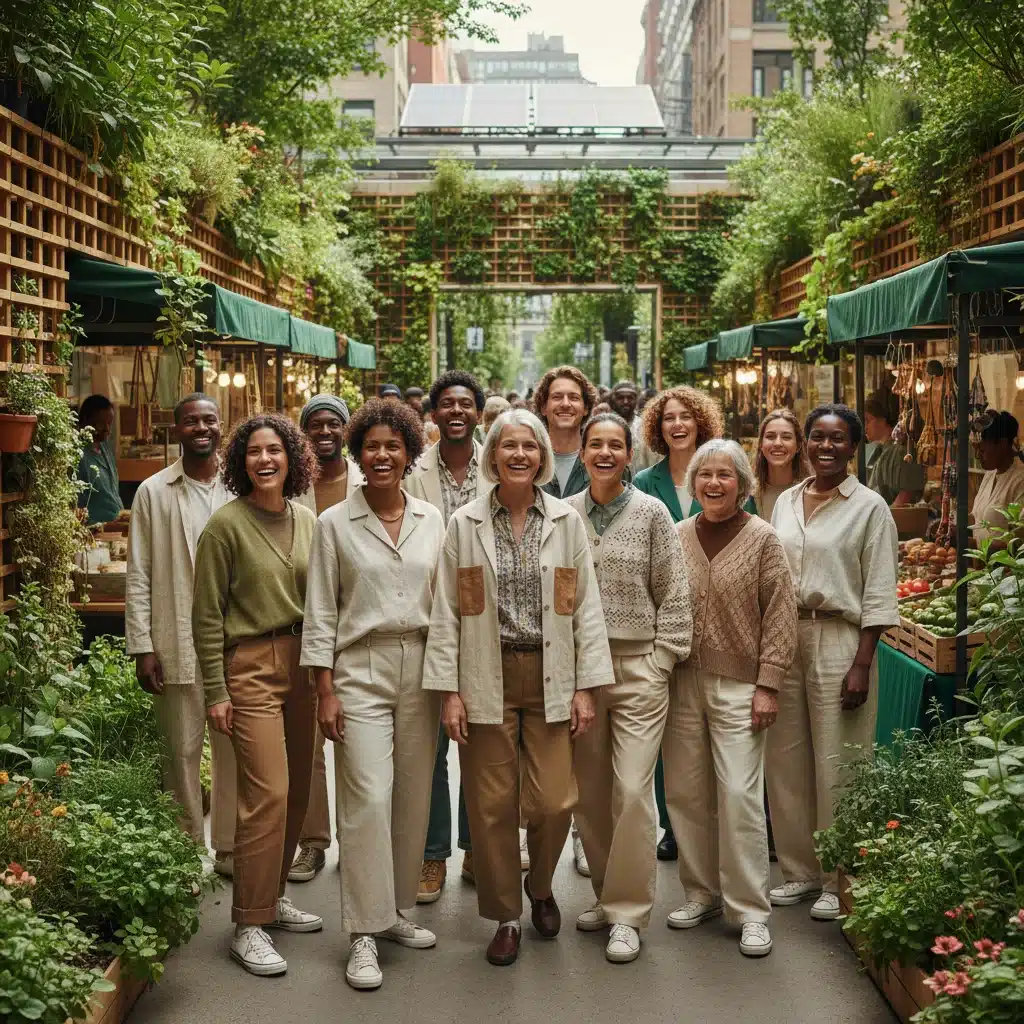
Transform Your Wardrobe: Top 5 Sustainable Fashion Swaps for Your 2026 Wardrobe: A Guide to Eco-Conscious Style
The fashion industry, a behemoth of creativity and commerce, has long been under scrutiny for its substantial environmental footprint and often questionable ethical practices. From vast water consumption and chemical pollution to excessive waste and exploitative labor, the true cost of our clothing extends far beyond the price tag. However, a seismic shift is underway. Consumers are becoming increasingly aware, demanding transparency, ethical production, and genuine sustainability. This growing consciousness is paving the way for a fashion revolution, where sustainable fashion swaps are not just a trend, but a necessity for a healthier planet and a more equitable society.
As we look towards 2026, the urgency to adopt more eco-conscious habits intensifies. The good news is that embracing sustainable fashion doesn’t mean sacrificing style or breaking the bank. It’s about making informed choices, valuing quality over quantity, and understanding the lifecycle of our garments. This comprehensive guide will walk you through the top 5 sustainable fashion swaps you can make to transform your wardrobe into a beacon of eco-conscious style. These aren’t just minor adjustments; they are impactful changes that contribute to a larger movement, fostering a fashion industry that respects both people and the planet.
By integrating these sustainable practices into your daily life, you become an active participant in building a better future. Each swap, no matter how small it may seem, collectively creates a ripple effect, encouraging brands to adopt more responsible practices and inspiring others to join the movement. Get ready to embark on a journey towards a more mindful, stylish, and sustainable wardrobe.
Advertisements
Understanding the Urgency: Why Sustainable Fashion Matters More Than Ever
Before diving into specific sustainable fashion swaps, it’s crucial to grasp the magnitude of the problem we’re addressing. The fashion industry is one of the world’s largest polluters, second only to the oil industry in some estimates. This isn’t just about fast fashion, though its rapid production cycles and disposable nature are significant contributors. It’s a systemic issue embedded in every stage of a garment’s life, from raw material extraction to manufacturing, transportation, use, and disposal.
Environmental Impact: A Closer Look
- Water Consumption: Growing cotton, for instance, is incredibly water-intensive. It can take thousands of liters of water to produce a single cotton t-shirt. Dyeing and finishing processes also consume vast amounts of water, much of which is then discharged as polluted wastewater.
- Chemical Pollution: From pesticides used in cotton farming to harsh dyes and finishing agents, the industry relies heavily on toxic chemicals. These chemicals contaminate water sources, harm ecosystems, and pose significant health risks to workers and local communities.
- Carbon Emissions: The entire supply chain, from manufacturing plants to global shipping, generates substantial greenhouse gas emissions, contributing to climate change. Synthetic fibers like polyester are derived from fossil fuels, further exacerbating this issue.
- Waste Generation: The rise of fast fashion has led to an unprecedented amount of textile waste. Millions of tons of clothing end up in landfills annually, where synthetic materials can take hundreds of years to decompose, releasing microplastics and harmful chemicals into the environment. Even natural fibers can contribute to landfill issues if not properly managed.
- Biodiversity Loss: Deforestation for rayon and viscose production, habitat destruction for certain materials, and the pollution of natural ecosystems all contribute to a decline in biodiversity.
Social and Ethical Concerns: Beyond the Environment
Sustainability in fashion isn’t solely about environmental impact; it also encompasses social and ethical responsibility. The pursuit of cheap labor and rapid production often leads to:
- Poor Working Conditions: Factory workers, particularly in developing countries, often face low wages, long hours, unsafe environments, and a lack of basic labor rights.
- Child Labor and Forced Labor: In some parts of the world, these heinous practices are still prevalent within the supply chain, hidden deep within complex production networks.
- Lack of Transparency: The intricate global supply chains make it difficult for consumers to know where and how their clothes are made, allowing unethical practices to persist unchecked.
By choosing sustainable fashion swaps, you’re not just making an environmental statement; you’re supporting a movement that advocates for fair wages, safe working conditions, and respect for human rights across the globe. This holistic approach to sustainability ensures that our fashion choices contribute to a more just and healthy world.
The Top 5 Sustainable Fashion Swaps for Your 2026 Wardrobe
Now that we understand the ‘why,’ let’s delve into the ‘how.’ Here are the top 5 sustainable fashion swaps that will make a significant positive impact on your wardrobe and the planet.
Swap 1: Fast Fashion for Secondhand & Vintage
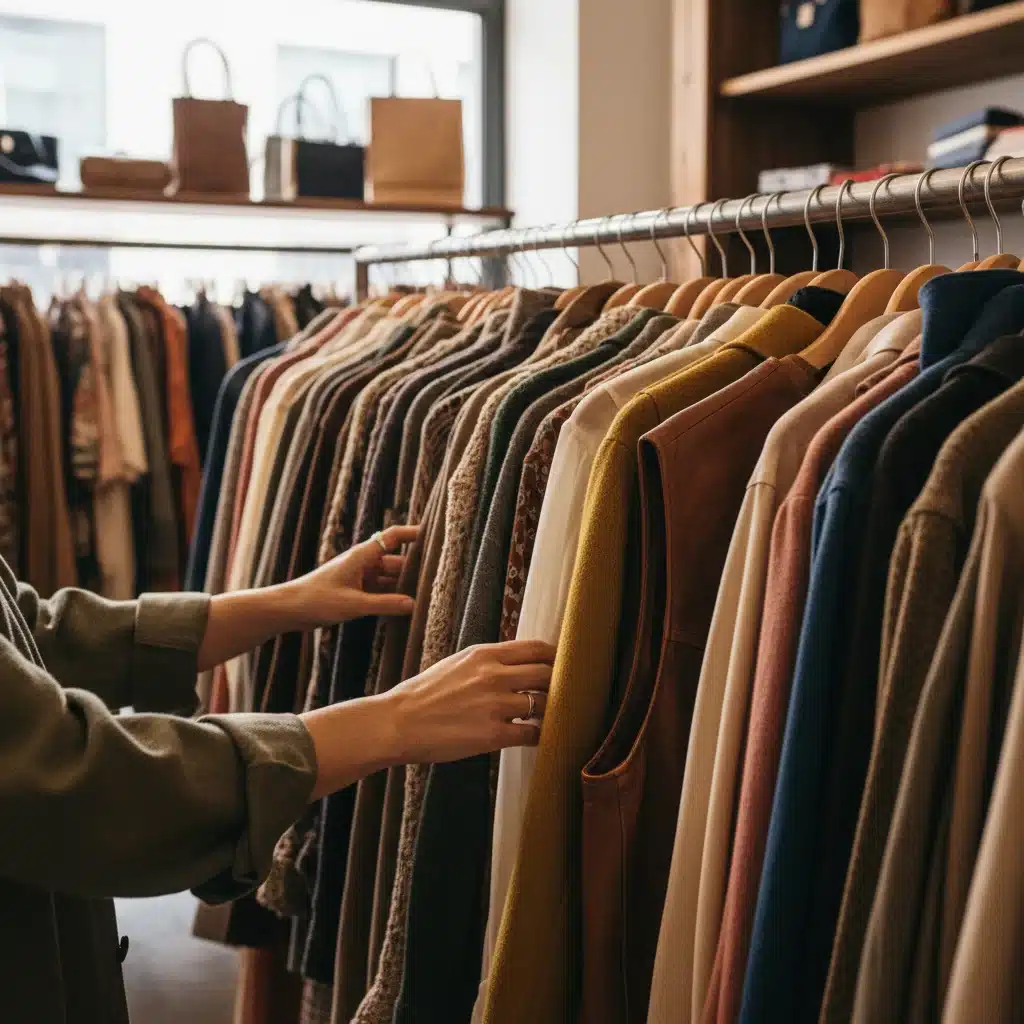
This is arguably the most impactful and accessible sustainable fashion swap you can make. Instead of buying new, mass-produced items, embrace the treasure hunt of secondhand shopping. The environmental benefits are enormous: it reduces the demand for new production, conserves resources (water, energy, raw materials), and keeps clothing out of landfills.
Why it’s a game-changer:
- Reduces Waste: Every item bought secondhand is one less item contributing to textile waste.
- Lowers Carbon Footprint: No new manufacturing means significantly fewer emissions.
- Unique Style: Vintage pieces offer unparalleled individuality and character that you won’t find on high street racks.
- Affordability: Often, you can find high-quality garments at a fraction of their original price.
- Supports Circular Economy: This practice is a cornerstone of the circular economy, where resources are kept in use for as long as possible.
How to make the swap:
- Explore Thrift Stores & Charity Shops: These are goldmines for affordable and unique finds. Dedicate time to browse, and you’ll be surprised by what you discover.
- Visit Consignment Stores: For higher-end or designer items, consignment shops offer curated collections of pre-owned luxury.
- Shop Online Marketplaces: Websites and apps like Depop, Poshmark, eBay, and Vinted provide vast selections of used clothing from sellers worldwide.
- Attend Flea Markets & Vintage Fairs: These events are not just shopping opportunities but cultural experiences, often featuring carefully curated vintage collections.
- Organize Clothing Swaps: Gather friends and exchange clothes you no longer wear. It’s a fun, free, and sustainable way to refresh your wardrobe.
When shopping secondhand, look for quality fabrics and sturdy construction. A well-made vintage piece will often outlast several fast fashion items. Don’t be afraid to envision alterations; a simple hem or a new set of buttons can transform a garment.
Swap 2: Synthetic Fabrics for Natural & Regenerative Materials
Many of our clothes are made from synthetic fibers like polyester, nylon, and acrylic, which are essentially plastics derived from petroleum. These materials are not biodegradable and release microplastic fibers into our waterways with every wash. The solution? Prioritize natural, organic, and regenerative materials.
Why it’s a game-changer:
- Biodegradability: Natural fibers eventually break down, returning nutrients to the earth.
- Reduced Microplastic Pollution: Eliminates the release of plastic microfibers into oceans and ecosystems.
- Breathability & Comfort: Natural fibers often offer superior comfort, breathability, and moisture-wicking properties.
- Lower Chemical Footprint: Organic and regenerative materials are grown without harmful pesticides and synthetic fertilizers.
How to make the swap:
- Embrace Organic Cotton: Grown without toxic pesticides and synthetic fertilizers, organic cotton uses significantly less water and is better for soil health and farmer well-being. Look for GOTS (Global Organic Textile Standard) certification.
- Discover Linen & Hemp: These ancient fibers are incredibly sustainable. Hemp requires minimal water and no pesticides, replenishes soil nutrients, and is exceptionally durable. Linen, made from flax, is similarly low-impact and gets softer with age.
- Explore Tencel™ Lyocell & Modal: These are semi-synthetic fibers made from sustainably sourced wood pulp (eucalyptus, beechwood) using a closed-loop production process that recycles water and solvents. They are soft, breathable, and biodegradable.
- Consider Recycled & Upcycled Materials: While still a form of synthetic, recycled polyester (rPET) diverts plastic bottles from landfills. Upcycled materials give new life to existing fabrics.
- Look for Innovative Materials: Keep an eye out for emerging sustainable materials like Pinatex (pineapple leaf fiber), mushroom leather, and other bio-based alternatives.
When buying new, always check the fabric composition label. Opt for garments made from 100% natural fibers or certified sustainable blends. This is a key step in reducing your wardrobe’s environmental impact and making effective sustainable fashion swaps.
Swap 3: Disposable Trends for Timeless, Durable Pieces
Fast fashion thrives on fleeting trends, encouraging consumers to constantly buy new items to keep up. This cycle of consumption and disposal is highly unsustainable. The third sustainable fashion swap is to invest in timeless, durable pieces that transcend seasonal fads and can be worn for years, even decades.
Why it’s a game-changer:
- Reduces Consumption: Buying fewer items means less demand for new production.
- Saves Money Long-Term: While initial investment might be higher, quality pieces last longer, reducing the need for frequent replacements.
- Cultivates Personal Style: Moving away from trends allows you to develop a unique style that truly reflects you.
- Minimizes Waste: Durable items stay out of landfills for longer.
How to make the swap:
- Build a Capsule Wardrobe: Focus on versatile, high-quality basics that can be mixed and matched to create numerous outfits. Think classic silhouettes, neutral colors, and functional designs.
- Prioritize Quality Construction: Look for strong seams, well-finished hems, quality zippers and buttons, and durable fabrics. These details indicate a garment built to last.
- Choose Versatile Pieces: Opt for items that can be dressed up or down, suitable for various occasions. A classic white shirt, well-fitting jeans, a timeless blazer, or a simple black dress are excellent examples.
- Research Brands: Support brands known for their commitment to quality and ethical production. Read reviews and look for certifications that attest to their sustainability efforts.
- Resist Impulse Buys: Before purchasing, ask yourself if you genuinely need the item, if it fits your existing wardrobe, and if you can see yourself wearing it for years to come.
Investing in durable, timeless pieces is a powerful act of rebellion against the disposability culture of fast fashion. It’s about valuing craftsmanship and longevity, making it one of the most effective sustainable fashion swaps.
Swap 4: Chemical Dyes for Natural & Low-Impact Alternatives
The dyeing process in fashion is notoriously polluting. Conventional synthetic dyes often contain heavy metals and toxic chemicals that are discharged into waterways, devastating ecosystems and impacting human health. The fourth sustainable fashion swap involves seeking out garments dyed with natural or low-impact alternatives.
Why it’s a game-changer:
- Reduces Water Pollution: Natural dyes and low-impact synthetic dyes significantly minimize toxic runoff.
- Safer for Workers & Consumers: Eliminates exposure to harmful chemicals for those involved in production and reduces chemical residues on the clothes we wear.
- Biodegradability: Natural dyes are inherently biodegradable.
- Unique Aesthetics: Natural dyes often produce beautiful, subtle, and unique color variations.
How to make the swap:
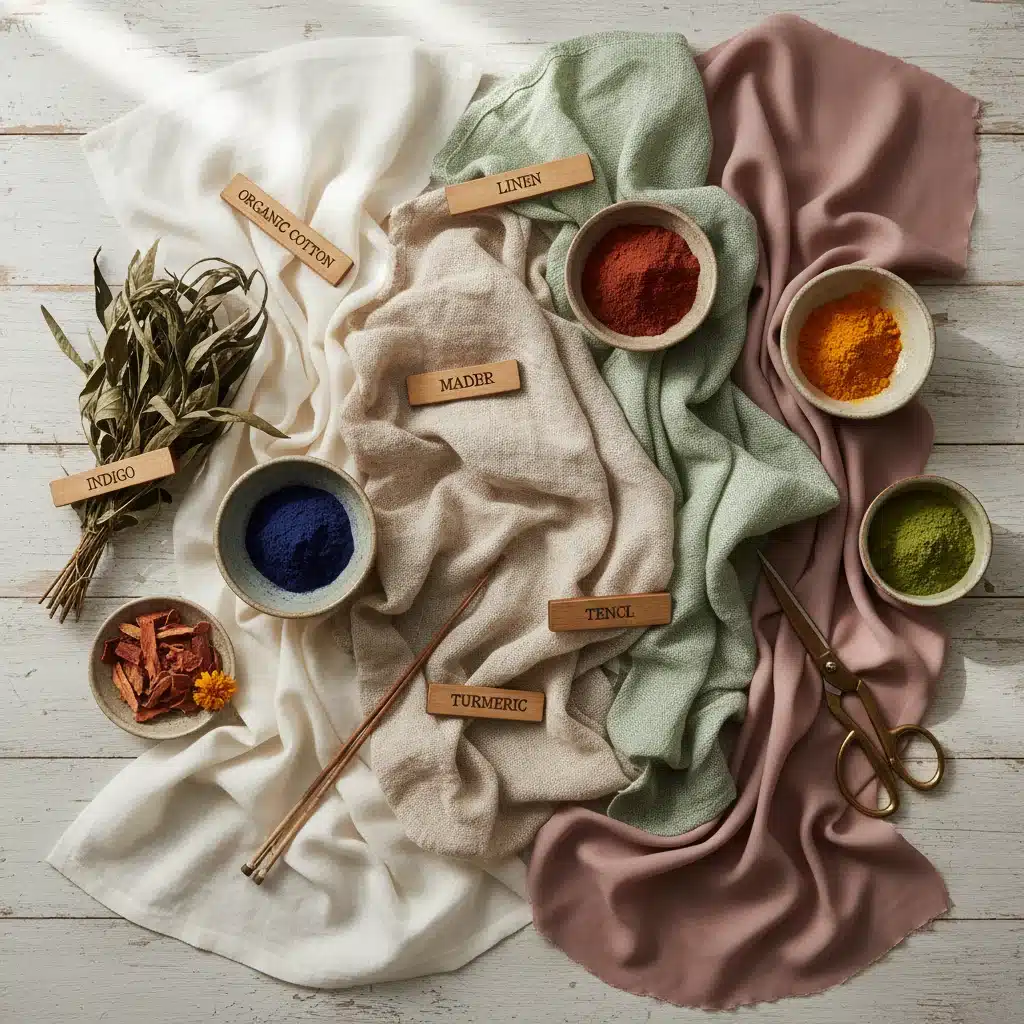
- Look for Natural Dyes: Seek out brands that use plant-based dyes (e.g., indigo, madder root, turmeric), mineral dyes, or insect-based dyes. These are often highlighted by artisan brands.
- Prioritize Low-Impact Dyes: When natural dyes aren’t feasible, look for brands using low-impact synthetic dyes that are free of heavy metals, azo compounds, and other harmful chemicals. These dyes are applied with processes that minimize water and energy use.
- Consider Undyed or Naturally Colored Fabrics: Some brands offer garments made from undyed fabrics, showcasing the natural beauty of the fiber itself. Naturally colored cotton, for example, grows in shades of brown and green.
- Support Brands with GOTS or Oeko-Tex Certification: These certifications ensure that textiles are processed without harmful chemicals, including in their dyeing stages.
- Embrace Garment Dyeing: This process dyes the finished garment rather than the fabric roll, which can sometimes lead to less waste and more precise color control.
Choosing naturally or low-impact dyed clothing is a powerful way to reduce the chemical footprint of your wardrobe and support cleaner production methods. This is a vital component of making effective sustainable fashion swaps.
Swap 5: Neglecting Garment Care for Mindful Maintenance & Repair
The environmental impact of clothing doesn’t end when you buy it. The ‘use phase’ – how we wash, dry, and care for our clothes – contributes significantly to their overall footprint. Furthermore, discarding items at the first sign of damage is incredibly wasteful. The fifth sustainable fashion swap is to adopt mindful garment care practices and embrace repair.
Why it’s a game-changer:
- Extends Garment Lifespan: Proper care and timely repairs can significantly prolong the life of your clothes, delaying their journey to the landfill.
- Reduces Resource Consumption: Washing less, using cold water, and air-drying saves water and energy.
- Minimizes Microplastic Release: Gentle washing reduces the shedding of microfibers from synthetic garments.
- Saves Money: Repairing is almost always cheaper than replacing.
- Fosters Appreciation: Taking care of your clothes instills a greater appreciation for them and reduces the urge for constant new purchases.
How to make the swap:
- Wash Less Frequently: Many garments don’t need washing after every wear. Airing them out or spot cleaning can often suffice.
- Use Cold Water: Washing in cold water saves energy and is gentler on fabrics, helping them last longer and preventing color fading.
- Air Dry Whenever Possible: Tumble dryers are energy hogs and can be harsh on fabrics. Air drying is free, gentle, and extends garment life.
- Use Eco-Friendly Detergents: Choose detergents that are biodegradable and free from harsh chemicals and phosphates.
- Learn Basic Mending Skills: A simple needle and thread can fix a loose button, a small tear, or a popped seam. There are countless online tutorials for basic repairs.
- Utilize Professional Repair Services: For more complex repairs, tailoring, or shoe repair, support local businesses that specialize in garment and accessory restoration.
- Store Clothes Properly: Use appropriate hangers, fold knitwear to prevent stretching, and store seasonal items carefully to protect them from damage.
By treating your clothes with care and opting to repair rather than replace, you’re not only being sustainable but also fostering a deeper connection with your wardrobe. This mindful approach to maintenance is a crucial part of making effective sustainable fashion swaps.
Beyond the Swaps: Cultivating a Sustainable Fashion Mindset
While these five sustainable fashion swaps are excellent starting points, true eco-conscious style is a holistic journey that extends beyond individual purchases. It’s about cultivating a deeper understanding and appreciation for what we wear and how it impacts the world.
Educate Yourself Continuously
The sustainable fashion landscape is constantly evolving. New materials, technologies, and ethical practices are emerging regularly. Stay informed by reading articles, following sustainable fashion advocates, and watching documentaries. Understanding the issues empowers you to make better choices and advocate for change.
Support Ethical & Sustainable Brands
When you do need to buy new, actively seek out brands that are transparent about their supply chains, use sustainable materials, pay fair wages, and prioritize ethical production. Look for certifications like Fair Trade, GOTS, B Corp, and Bluesign, which indicate a commitment to higher standards.
Demand Transparency from Brands
Use your voice as a consumer. Ask brands questions about their production processes, materials, and labor practices. Social media platforms make it easier than ever to engage directly with companies. Your demand for transparency can push brands to be more accountable.
Become a Fashion Activist
Sustainable fashion is a collective effort. Share your knowledge and enthusiasm with friends and family. Participate in initiatives like Fashion Revolution Week, which advocates for greater transparency in the fashion industry. Every voice contributes to the movement for a more sustainable future.
Embrace Slow Fashion Principles
Slow fashion is an antidote to fast fashion. It advocates for thoughtful consumption, durable clothing, and a connection to the craftsmanship behind each garment. It encourages consumers to buy less, choose well, and make it last. This philosophy underpins all the sustainable fashion swaps discussed.
Conclusion: Your Wardrobe, Your Impact in 2026 and Beyond
The journey towards a fully sustainable wardrobe is not an overnight transformation, but rather a continuous process of learning, adapting, and making conscious choices. By implementing these top 5 sustainable fashion swaps – embracing secondhand, choosing natural and regenerative materials, investing in timeless pieces, opting for natural dyes, and practicing mindful garment care – you are actively contributing to a fashion industry that is more equitable, ethical, and environmentally sound.
As we move into 2026, the power to shape the future of fashion lies increasingly in the hands of informed consumers. Your choices send a clear message to brands and manufacturers: sustainability is no longer optional; it’s essential. Each thoughtful purchase, each repair, and each decision to opt for pre-loved over new, collectively weaves a stronger, greener fabric for our planet.
Start small, be patient with yourself, and celebrate every step you take towards a more sustainable fashion swaps wardrobe. Your style can be a powerful statement, not just of who you are, but of the values you uphold. Let 2026 be the year you truly transform your wardrobe into a force for good, inspiring others and contributing to a healthier, more beautiful world, one conscious choice at a time.