Breaking Down the Top 3 Fashion Headlines of the Week: What’s Driving Trends in 2026?
The fashion world is a whirlwind of innovation, tradition, and constant evolution. Every week brings new announcements, groundbreaking collections, and shifts in consumer behavior that redefine what’s ‘in’ and what’s next. As we look towards 2026, the pace of change is only accelerating, driven by technological advancements, a heightened sense of environmental responsibility, and an ever-blurring line between luxury and everyday wear. This week, three major headlines have captured the industry’s attention, offering crucial insights into the direction of fashion trends 2026. From revolutionary sustainable materials to the unexpected rise of digital fashion experiences and the enduring influence of luxury streetwear, these stories are not just news; they are harbingers of the future.
Understanding these shifts is paramount for anyone involved in fashion, whether as a designer, retailer, influencer, or an enthusiastic consumer. The decisions made today by leading brands and innovators will directly shape the aesthetics, ethics, and accessibility of fashion in the coming years. This article will delve deep into each of these top three headlines, dissecting their implications, exploring the underlying forces, and projecting how they will contribute to the overarching fashion trends 2026. Get ready to navigate the intricate landscape of tomorrow’s style, where sustainability meets spectacle, and technology intertwines with textile.
Headline 1: The Bio-Revolution in Textiles – Sustainable Innovations Taking Center Stage
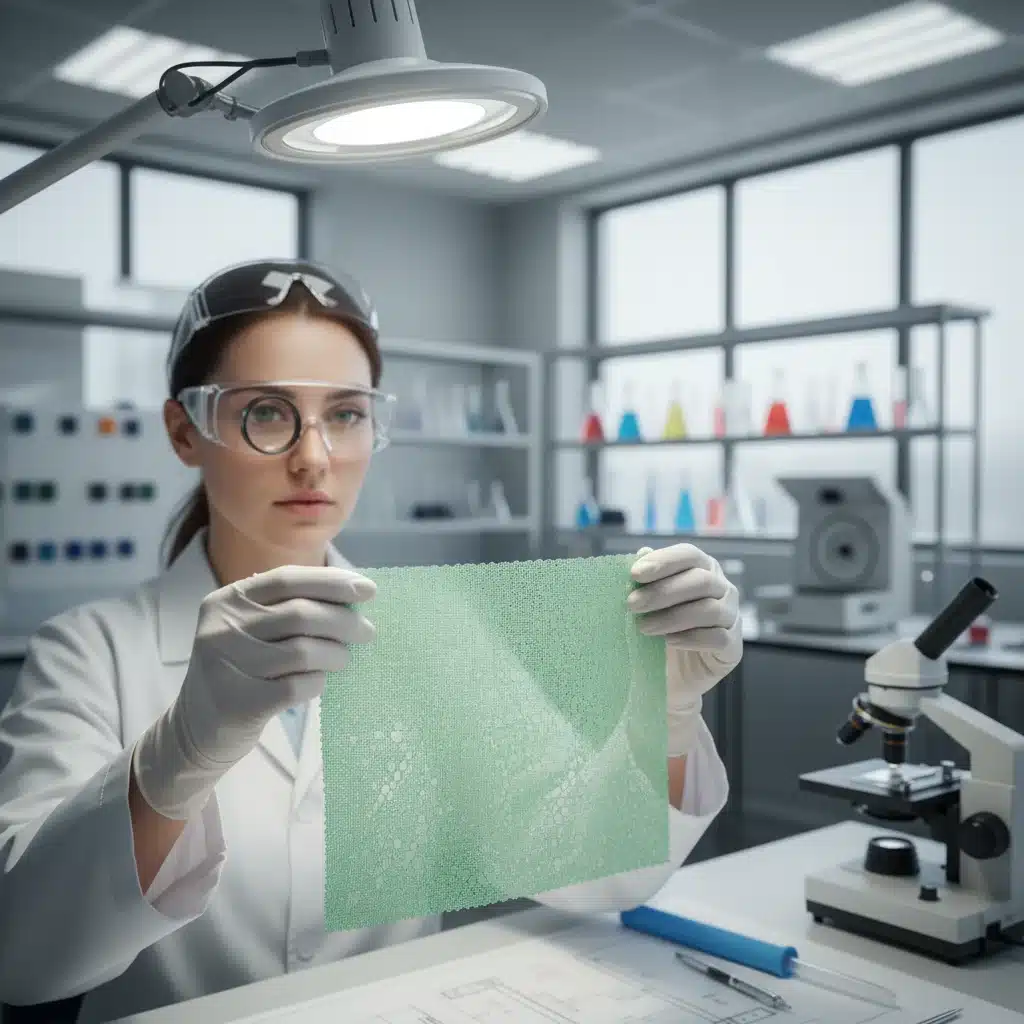
The first headline making waves across the industry is the rapid acceleration of bio-based and sustainable textile innovations. For years, sustainability has been a buzzword, often associated with eco-conscious niche brands. However, 2026 is poised to be the year it truly goes mainstream, driven by consumer demand, regulatory pressures, and remarkable scientific breakthroughs. This week, a major textile conglomerate announced a significant investment in a new facility dedicated solely to producing mycelium-based leather alternatives and algae-derived fabrics at scale. This isn’t just about reducing environmental impact; it’s about creating superior materials that offer new aesthetic possibilities and performance characteristics.
Advertisements
The Rise of Mycelium and Algae
Mycelium, the root structure of mushrooms, is proving to be an incredible resource for creating durable, versatile, and biodegradable leather alternatives. Unlike traditional synthetic leathers, which are often petroleum-based and contribute to microplastic pollution, mycelium-based materials offer a genuinely circular solution. They can be grown efficiently, require less water and land than animal agriculture, and decompose naturally at the end of their life cycle. Brands are experimenting with different textures, finishes, and colors, pushing the boundaries of what’s possible with this innovative material. We anticipate seeing mycelium leather integrated into everything from high-end accessories to mainstream footwear, influencing fashion trends 2026 significantly.
Similarly, algae-derived fabrics are emerging as a game-changer. Beyond their ability to sequester carbon during growth, these fabrics can offer unique properties like enhanced breathability, moisture-wicking capabilities, and even natural dyes. Imagine activewear that not only performs exceptionally but also actively contributes to a healthier planet. The ability to cultivate algae in controlled environments minimizes land use and allows for consistent production, addressing some of the supply chain challenges faced by other natural fibers. This focus on bio-innovation is not merely a trend; it’s a fundamental shift in how garments are conceived, manufactured, and ultimately disposed of, directly shaping the ethical and material landscape of fashion trends 2026.
Implications for the Industry and Consumers
This bio-revolution has profound implications. For designers, it opens up a new palette of materials with unique tactile qualities and environmental stories. For manufacturers, it necessitates re-tooling and investing in new production processes. For consumers, it means greater access to truly sustainable options without compromising on style or quality. The ‘green premium’ often associated with sustainable products is expected to diminish as these technologies scale, making eco-friendly fashion more accessible to a broader demographic. This accessibility is key to cementing sustainability as a core pillar of fashion trends 2026, moving beyond a niche concern to a universal expectation.
Furthermore, the investment in these materials signals a broader commitment from the industry to address its environmental footprint. Brands that fail to adapt and integrate these sustainable practices risk falling behind in a market increasingly conscious of ethical consumption. The narrative is shifting from ‘what’s new’ to ‘what’s responsible,’ and these bio-textiles are at the forefront of that transformation. Expect to see these materials showcased prominently in collections and marketing campaigns, becoming a hallmark of forward-thinking design in 2026.
Headline 2: The Metaverse Takes the Runway – Digital Fashion Experiences Redefine Engagement
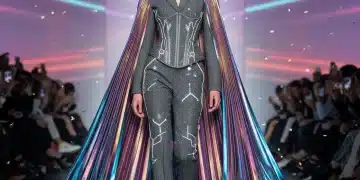
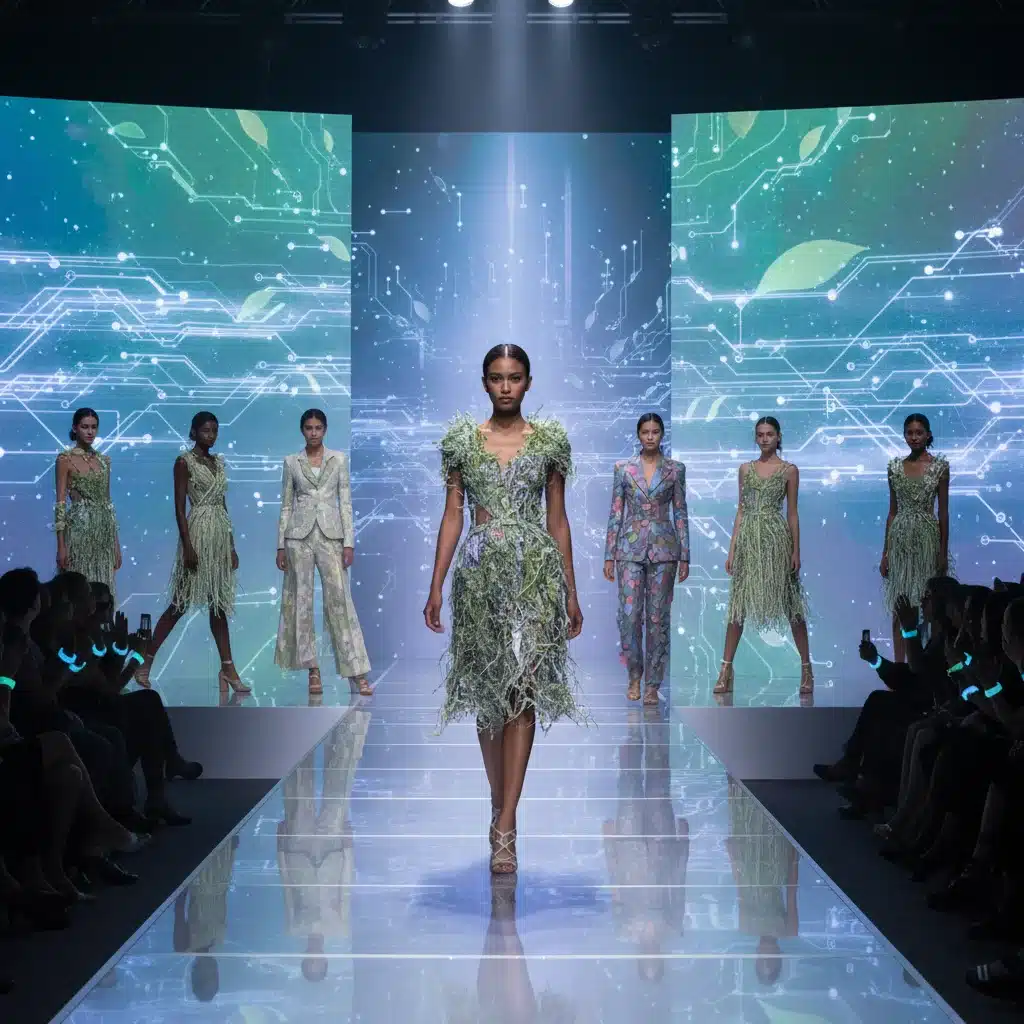
The second major headline this week comes from the intersection of fashion and technology: a prominent luxury fashion house announced it will host its entire Fall/Winter 2026 collection reveal exclusively within a bespoke metaverse environment. This isn’t just a live stream; it’s a fully immersive, interactive digital experience where attendees can customize their avatars, virtually ‘try on’ digital garments, and even purchase NFTs of the collection that grant access to exclusive physical pieces. This move signifies a critical turning point for digital fashion, transforming it from a speculative concept into a tangible, revenue-generating, and trend-setting reality.
From Avatars to Augmented Reality
While digital fashion has been experimented with for a few years, this announcement pushes the boundaries of engagement. The metaverse isn’t just a platform; it’s a new frontier for creative expression and brand storytelling. Designers are no longer constrained by the laws of physics or the limitations of traditional manufacturing. Fabrics can shimmer with impossible luminosity, garments can defy gravity, and silhouettes can be as fantastical as imagination allows. This freedom is attracting a new generation of digital designers and artists, leading to a vibrant ecosystem of innovation that will undoubtedly influence physical fashion trends 2026, from color palettes to conceptual designs.
Beyond the metaverse, augmented reality (AR) continues to enhance the consumer experience. ‘Try-on’ filters on social media platforms are becoming more sophisticated, allowing users to visualize how a garment would look on them in real-time. This technology is moving beyond novelty, becoming a valuable tool for reducing returns, increasing confidence in online purchases, and offering a playful, interactive way to engage with new collections. The lines between physical and digital wardrobes are blurring, and brands that master this hybrid approach will gain a significant competitive advantage in shaping fashion trends 2026.
The Business of Digital Threads
The financial implications of digital fashion are also substantial. NFTs (Non-Fungible Tokens) are at the heart of this new economy, allowing brands to create scarcity and value in the digital realm. Owning a digital garment or accessory can be a status symbol in virtual worlds, much like physical haute couture. Furthermore, digital fashion offers a sustainable alternative to fast fashion, reducing material waste and carbon footprint. Brands can test designs, gauge consumer interest, and even sell digital-only collections without the environmental impact of physical production. This dual benefit of innovation and sustainability makes digital fashion a powerful force that will continue to grow and mature by 2026.
The success of this metaverse fashion show will likely inspire other major players to follow suit, leading to a proliferation of digital fashion weeks, virtual pop-up stores, and NFT collaborations. This expansion will create new revenue streams, attract younger, digitally native consumers, and fundamentally alter how fashion is presented, consumed, and valued. Expect to see ‘phygital’ (physical + digital) collections become the norm, with physical garments accompanied by their digital twins, profoundly influencing the entire fashion ecosystem and defining key aspects of fashion trends 2026.
Headline 3: Luxury Streetwear’s Enduring Reign – Evolution, Not Extinction
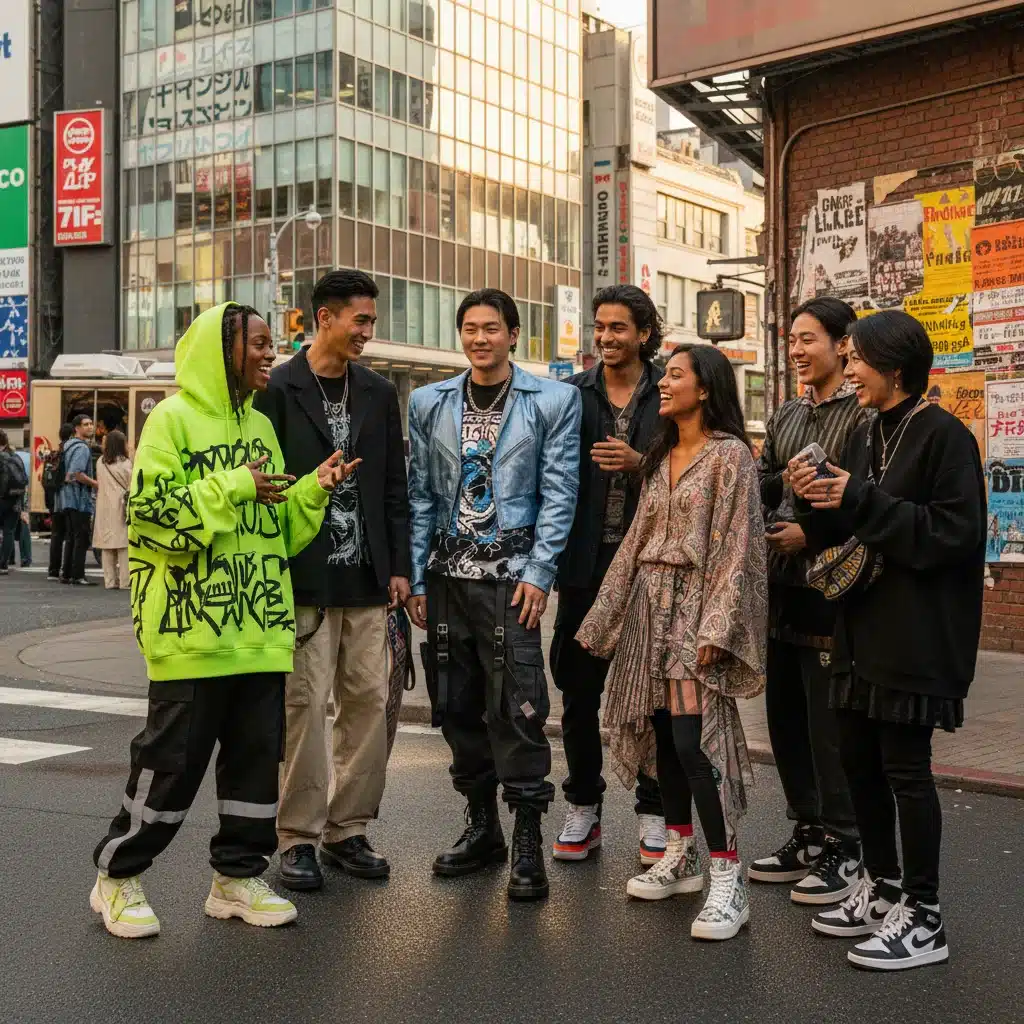
The third headline confirms what many have suspected: luxury streetwear is not a fleeting trend but a foundational shift in contemporary style. This week, a major fashion critic, known for her traditionalist views, penned an editorial acknowledging the permanent integration of streetwear aesthetics into high fashion. She argued that what was once considered a subculture has now matured into a dominant force, influencing everything from tailored suits to evening wear. This isn’t about tracksuits on the runway; it’s about the ethos of comfort, individuality, and cultural relevance that streetwear embodies, now elevated with luxury materials and craftsmanship.
From Subculture to Mainstream Luxury
The evolution of luxury streetwear has been fascinating to watch. Originating from urban youth cultures, skateboarding, and hip-hop, it has systematically dismantled traditional notions of luxury. It prioritized comfort, authenticity, and a democratic appeal over exclusivity and formality. High fashion, initially resistant, eventually embraced its energy, leading to iconic collaborations between streetwear giants and venerable luxury houses. These collaborations have taught luxury brands how to speak to a younger, more diverse audience and how to infuse their heritage with contemporary edge.
By 2026, luxury streetwear will have shed its ‘trend’ label entirely, becoming an established category that continues to innovate. We’ll see further refinement of silhouettes, a deeper exploration of advanced technical fabrics, and an increased focus on artisanal details. The emphasis will be on elevated basics – perfectly cut hoodies, meticulously crafted sneakers, and sophisticated graphic tees – that blur the lines between casual and formal. This blend of comfort and elegance will define a significant portion of fashion trends 2026, catering to a lifestyle that values both ease and sophistication.
The Influence on Design and Consumer Behavior
The enduring appeal of luxury streetwear lies in its ability to reflect and adapt to contemporary lifestyles. As work-from-home models become more common and societal norms around dress codes relax, the demand for versatile, comfortable, yet stylish clothing continues to grow. Luxury streetwear perfectly meets this need, offering pieces that can transition seamlessly from a casual daytime look to an evening event with the right styling. This versatility is a key driver for fashion trends 2026, as consumers seek value and longevity in their wardrobes.
Furthermore, streetwear’s emphasis on limited drops, collaborations, and a strong sense of community has influenced how all fashion brands engage with their audience. The ‘hype’ culture, once exclusive to streetwear, is now a tactic employed by luxury brands to create desirability and excitement. This strategic approach to product releases and community building will continue to shape marketing strategies and consumer expectations in 2026. Expect to see more unexpected collaborations, innovative retail experiences, and a continued focus on storytelling that resonates with a culturally aware consumer base.
Connecting the Dots: How These Headlines Shape Fashion Trends 2026
These three headlines, while distinct, are deeply interconnected and collectively paint a comprehensive picture of fashion trends 2026. The bio-revolution in textiles directly feeds into the industry’s push for greater sustainability, a value increasingly prioritized by consumers, especially those engaged with digital fashion and streetwear. Digital fashion, with its boundless creativity, offers a platform to experiment with the aesthetics of these new materials in virtual realms before physical production, or even to create purely digital garments as sustainable alternatives.
Luxury streetwear, in its evolved form, will undoubtedly incorporate these sustainable materials and may even embrace digital twins or NFT components for its most coveted drops. Imagine a limited-edition luxury sneaker made from mycelium leather, available both physically and as an exclusive NFT for your metaverse avatar. This convergence of sustainability, technology, and redefined luxury is the core narrative of fashion trends 2026.
The Consumer at the Center
At the heart of all these shifts is the evolving consumer. Today’s fashion enthusiast is more informed, more ethically conscious, and more digitally native than ever before. They demand transparency, authenticity, and innovation. They seek brands that align with their values, whether that’s environmental stewardship, technological forward-thinking, or a celebration of diverse cultures. Brands that successfully navigate these demands will be the ones that thrive in 2026 and beyond.
The future of fashion is not just about what we wear, but how it’s made, how it’s experienced, and what it represents. These top three headlines are not isolated incidents but rather critical indicators of a holistic transformation underway. The industry is moving towards a more responsible, technologically integrated, and culturally resonant future. Being aware of these trends allows us to better understand the choices designers are making, the products hitting the market, and ultimately, how we will express ourselves through style in the years to come.
Anticipating the Next Wave: Beyond 2026
While these headlines provide a strong foundation for understanding fashion trends 2026, the industry’s dynamic nature means constant anticipation of the next wave. What comes after mycelium and algae? How will AI further personalize digital fashion experiences? What new subcultures will emerge to challenge and redefine luxury? These are questions that will continue to drive innovation and discussion.
One area to watch closely is the integration of artificial intelligence (AI) in design processes. AI is already being used for trend forecasting, supply chain optimization, and personalized recommendations. By 2026, we might see AI co-creating collections with human designers, generating intricate patterns, or even designing bespoke garments based on individual biometric data and preferences. This level of personalization could revolutionize mass production, moving towards a more ‘on-demand’ and less wasteful model.
Furthermore, the concept of ‘repair and reuse’ will gain even more prominence. Beyond just sustainable materials, the longevity of garments and the services that support their extended life cycle will become key differentiators for brands. This could involve enhanced repair services, sophisticated recycling programs, and even rental models becoming mainstream for high-value items. This circular economy approach will be a critical complement to the bio-revolution in textiles, ensuring that the entire life cycle of a garment is considered.
The Global Influence of Local Craft
Another subtle but growing trend that will contribute to fashion trends 2026 is the re-appreciation of local craftsmanship and artisanal techniques. As globalization continues, there’s a counter-movement towards celebrating unique cultural heritage and the skilled hands that create bespoke pieces. This doesn’t mean a rejection of global trends, but rather an integration of local artistry into global aesthetics, creating a richer, more diverse fashion landscape. Luxury brands are increasingly collaborating with artisans from various regions, bringing unique textures, embroidery, and weaving techniques to a wider audience, thereby enriching the narrative of their collections.
The interplay of these forces – technological advancement, environmental consciousness, evolving consumer values, and a global appreciation for diverse aesthetics – will continue to shape the exciting world of fashion. The top three headlines of this week are not just isolated events; they are interconnected threads in the rich tapestry of fashion trends 2026, signaling a future that is more innovative, more responsible, and profoundly engaging. Stay tuned, as the fashion narrative continues to unfold, bringing with it endless possibilities for style and self-expression.