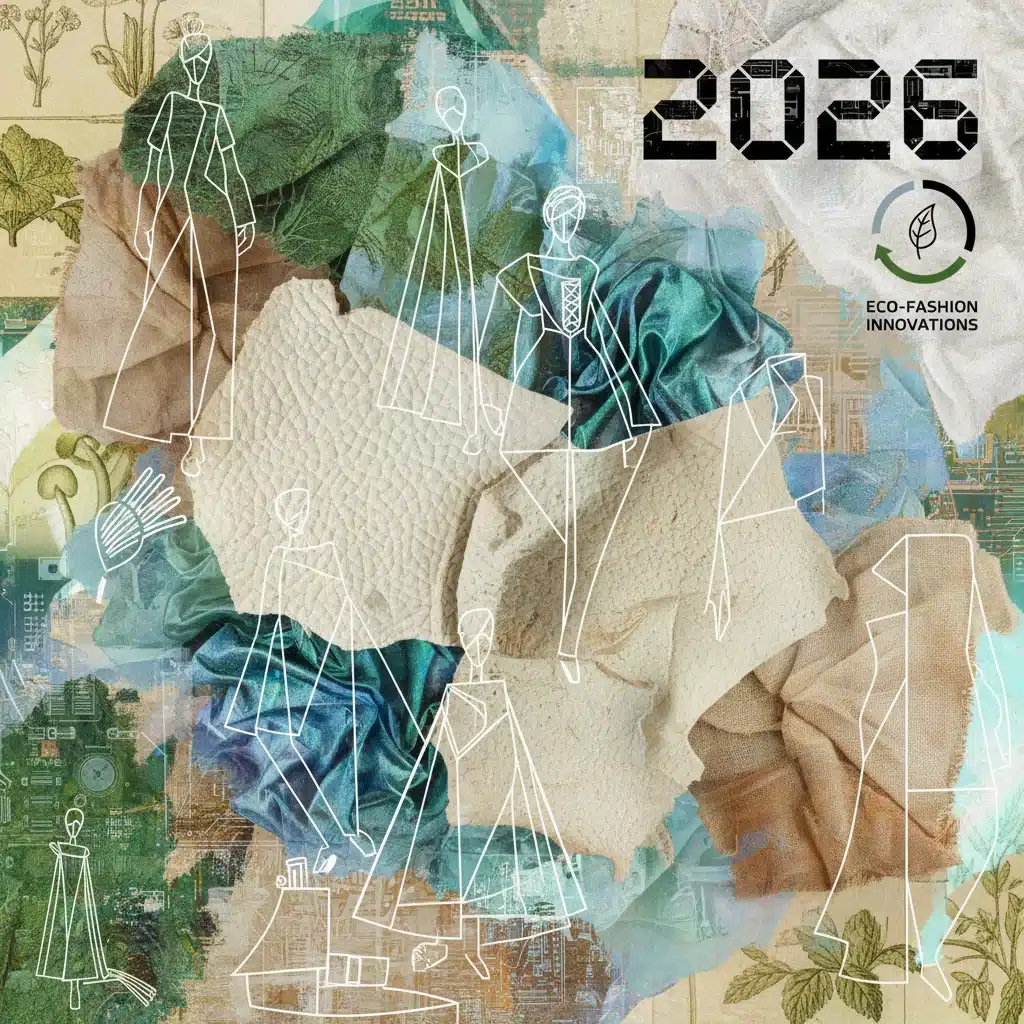
The Rise of Sustainable Fabrics: 3 Eco-Friendly Fashion Innovations Gaining Traction in the U.S. Market by 2026
The fashion industry, long criticized for its environmental footprint, is currently undergoing a profound metamorphosis. As consumer awareness about climate change and ethical production practices grows, the demand for sustainable fashion innovations is skyrocketing. This shift isn’t merely a fleeting trend; it represents a fundamental recalibration of priorities, with sustainability moving from a niche concern to a core business imperative. By 2026, the U.S. market is poised to see a significant acceleration in the adoption of eco-friendly fabrics, driven by technological advancements, evolving consumer values, and increasing regulatory pressures. This article will delve into the critical importance of embracing sustainable fabrics, explore the driving forces behind their adoption, and highlight three groundbreaking sustainable fashion innovations that are set to redefine the industry landscape.
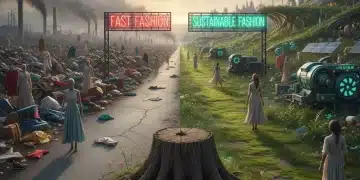
The environmental impact of conventional textile production is staggering. From water-intensive cotton farming to the chemical-laden dyeing processes and the massive waste generated by fast fashion, the industry contributes significantly to pollution, resource depletion, and greenhouse gas emissions. Recognizing this urgent need for change, innovators are developing materials that offer viable, environmentally superior alternatives. These sustainable fashion innovations are not just about reducing harm; they are about creating a regenerative system where fashion can thrive without compromising the planet’s health.
The Imperative for Sustainable Fashion Innovations
The journey towards a more sustainable fashion industry is complex but absolutely essential. The current linear ‘take-make-dispose’ model is unsustainable in the long run, depleting natural resources and overflowing landfills. Sustainable fashion innovations offer a path forward, addressing these critical issues head-on. These innovations encompass a wide range of approaches, from using renewable resources and minimizing waste to improving energy efficiency and ensuring fair labor practices throughout the supply chain. The goal is to create a circular economy for textiles, where materials are reused, recycled, and regenerated, minimizing their environmental footprint at every stage.
Consumer demand is a powerful catalyst for this change. A growing segment of the population, particularly younger generations, is actively seeking out brands that align with their values. They are willing to pay a premium for products that are ethically sourced, environmentally friendly, and transparent in their production. This consumer-driven demand is forcing brands to re-evaluate their material choices and invest in sustainable fashion innovations. Furthermore, investors are increasingly scrutinizing companies’ environmental, social, and governance (ESG) performance, making sustainability a key factor in financial viability and long-term success.
Beyond consumer and investor pressure, regulatory bodies worldwide are beginning to implement policies aimed at curbing the fashion industry’s environmental impact. This includes regulations on chemical use, waste management, and extended producer responsibility, which holds brands accountable for the entire lifecycle of their products. These external pressures, combined with a genuine desire within the industry to do better, are creating fertile ground for the rapid adoption of sustainable fashion innovations. The U.S. market, with its significant consumer base and influential brands, is at the forefront of this transformation, setting trends and driving the global shift towards greener practices.
Driving Forces Behind Eco-Friendly Fabric Adoption in the U.S.
Several key factors are propelling the widespread adoption of eco-friendly fabrics and sustainable fashion innovations across the United States. Understanding these drivers is crucial for businesses aiming to thrive in this evolving landscape. Firstly, technological advancements have made it possible to produce sustainable materials that are not only environmentally superior but also comparable in quality, performance, and cost to their conventional counterparts. Innovations in biotechnology, material science, and recycling processes are continually expanding the possibilities for sustainable textiles.
Secondly, heightened consumer awareness and ethical considerations play a pivotal role. Social media, documentaries, and investigative journalism have shed light on the dark side of fast fashion, educating consumers about the human and environmental costs. As a result, ethical consumption is no longer a niche concept but a mainstream expectation. Consumers are actively seeking transparency from brands regarding their supply chains, material sourcing, and labor practices. This shift in consumer values directly translates into increased demand for sustainable fashion innovations.
Thirdly, corporate social responsibility (CSR) initiatives are becoming integral to brand identity and competitive advantage. Many leading fashion brands are setting ambitious sustainability targets, committing to reduce their carbon footprint, minimize waste, and transition to sustainable materials. These commitments are often driven by a genuine desire to contribute positively to society and the environment, but also by the recognition that strong CSR performance enhances brand reputation, attracts talent, and appeals to a growing segment of conscious consumers. The pressure to innovate and integrate sustainable fashion innovations is therefore internal as well as external.
Finally, governmental policies and regulations are beginning to create a more level playing field for sustainable practices. While still developing, policies related to waste management, chemical restrictions, and carbon emissions are encouraging companies to adopt more sustainable production methods. For instance, initiatives promoting circularity and discouraging textile waste are pushing brands towards utilizing recycled and recyclable materials. These combined forces are creating an undeniable momentum for sustainable fashion innovations to become the norm, rather than the exception, in the U.S. fashion market.
Innovation 1: Mycelium-Based Leathers – The Fungus Among Us
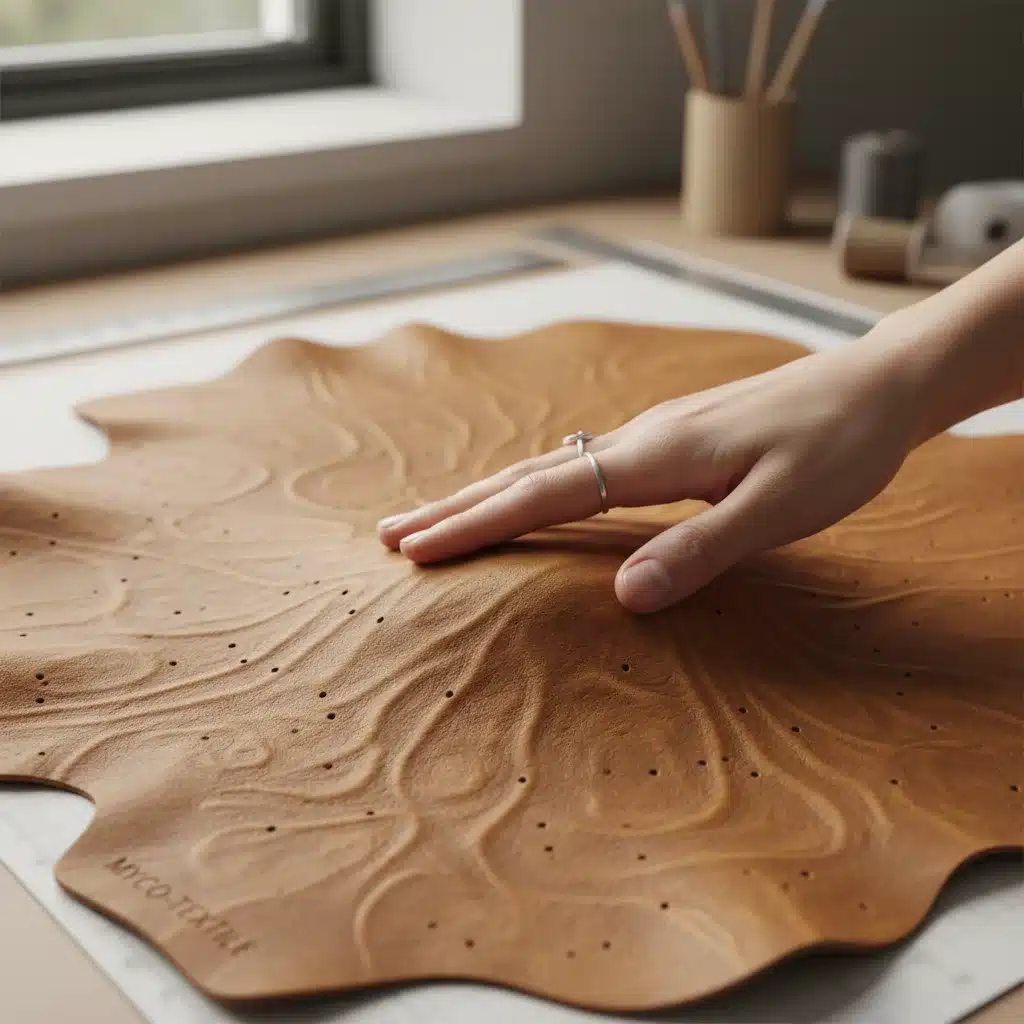
One of the most exciting and disruptive sustainable fashion innovations emerging is mycelium-based leather. Mycelium is the root structure of mushrooms, and it can be grown in controlled environments using agricultural waste as a feedstock. This process is remarkably efficient, requiring significantly less water, land, and time compared to traditional animal husbandry, which is notoriously resource-intensive and a major contributor to greenhouse gas emissions. Mycelium-based leathers offer a truly animal-free alternative that mimics the look, feel, and durability of conventional leather, without the ethical and environmental baggage.
Companies like Bolt Threads with their Mylo™ material, and MycoWorks with Reishi™, are at the forefront of this innovation. They are collaborating with major fashion houses, bringing mycelium leather to high-end accessories and apparel. The production process involves growing mycelium cells on a substrate, which then form a dense, interconnected network. This network is harvested, processed, and treated to create a material that can be dyed, embossed, and cut just like animal leather. The resulting material is strong, flexible, and breathable, making it suitable for a wide range of applications, from handbags and shoes to jackets and car interiors.
The environmental benefits of mycelium-based leathers are substantial. They reduce reliance on animal farming, thereby mitigating associated land use, water consumption, and methane emissions. Furthermore, the cultivation process often utilizes agricultural waste, transforming what would otherwise be discarded into a valuable resource, thus contributing to a circular economy. As the technology scales and production costs decrease, mycelium leather is projected to become a significant player in the sustainable fashion innovations market, offering a compelling alternative that satisfies both aesthetic desires and environmental responsibilities. Its rapid adoption in the U.S. market by 2026 is highly anticipated, driven by its luxurious feel and strong sustainability credentials.
Innovation 2: Advanced Recycled and Upcycled Textiles – Closing the Loop
The concept of recycling and upcycling textiles is not new, but advanced technologies are transforming these practices into truly impactful sustainable fashion innovations. The sheer volume of textile waste generated globally is staggering, with a significant portion ending up in landfills. Advanced recycling processes aim to close the loop, turning discarded garments and industrial textile waste back into high-quality fibers suitable for new clothing. This reduces the demand for virgin resources, conserves energy, and minimizes landfill waste.
One prominent area of innovation is chemical recycling of polyester and cotton. Unlike mechanical recycling, which can degrade fiber quality over time, chemical recycling breaks down textile waste into its molecular components, allowing for the creation of new fibers that are indistinguishable from virgin materials. Companies like Renewcell with their Circulose® material, and Infinited Fiber Company with Infinna™, are pioneering these technologies. They are taking cotton-rich textile waste and transforming it into a regenerated cellulosic fiber that can be used to produce new garments, extending the life of materials indefinitely. Similarly, advancements in polyester recycling are enabling the creation of high-quality recycled polyester from plastic bottles and post-consumer textile waste, reducing reliance on fossil fuels.
Upcycling, on the other hand, involves creating new products from discarded materials or unwanted items, often without breaking down the original material. While traditional upcycling has been practiced for years, contemporary sustainable fashion innovations in this area involve more sophisticated design and manufacturing techniques to create high-value, aesthetically pleasing products from waste. This could include transforming old denim into new garments, repurposing industrial offcuts into unique accessories, or using innovative cutting techniques to maximize fabric utilization. These advanced recycling and upcycling methods are crucial for achieving a circular economy in fashion, significantly reducing the industry’s environmental footprint and driving forward sustainable fashion innovations.
Innovation 3: Bio-Synthetics and Cellulosic Fibers – Nature-Inspired Performance
The third major category of sustainable fashion innovations gaining significant traction encompasses bio-synthetics and next-generation cellulosic fibers. These materials leverage natural processes and renewable resources to create high-performance textiles with a reduced environmental impact. Bio-synthetics are polymers derived from biological sources, such as plant sugars or algae, rather than fossil fuels. They offer the performance characteristics of traditional synthetics, like durability and water resistance, but with a much smaller carbon footprint and often improved biodegradability.
An example of a promising bio-synthetic is bio-based nylon, which can be made from castor beans. This offers a renewable alternative to petroleum-based nylon, which is energy-intensive to produce. Similarly, bio-based polyesters derived from plant-based feedstocks are emerging as alternatives to conventional polyester. While still in their early stages of commercialization, these materials represent a significant step towards decoupling the fashion industry from its reliance on finite fossil resources, embodying the spirit of sustainable fashion innovations.
Next-generation cellulosic fibers, derived from wood pulp or other plant-based sources, are also seeing rapid innovation. While traditional rayon and viscose have been around for a while, newer processes like Tencel™ Lyocell and Modal by Lenzing, and new materials like Orange Fiber (made from citrus byproducts) or Piñatex (made from pineapple leaf fibers), offer significantly improved environmental profiles. These fibers are produced using closed-loop systems that recycle water and chemicals, minimizing waste and pollution. They are also often biodegradable and compostable, offering an end-of-life solution that conventional synthetics cannot.
These nature-inspired sustainable fashion innovations combine the best of both worlds: the high performance and versatility of synthetic fibers with the environmental benefits of natural materials. Their development is crucial for creating a truly sustainable fashion industry, providing designers and brands with a diverse palette of eco-friendly options that do not compromise on quality or functionality. As research and development continue, the range and accessibility of these materials are expected to expand dramatically in the U.S. market by 2026.
Challenges and Opportunities for Sustainable Fashion Innovations
Despite the exciting progress in sustainable fashion innovations, challenges remain. Scalability is a significant hurdle; many innovative materials are still produced at a relatively small scale, making them more expensive and less accessible for mass market adoption. Investment in research and development, as well as infrastructure for collection, sorting, and recycling, is crucial to overcome this. Furthermore, consumer education is vital. While awareness is growing, many consumers still lack a deep understanding of what makes a fabric truly sustainable, and greenwashing remains a concern. Clear labeling and transparent communication from brands are essential to build trust.
However, the opportunities presented by sustainable fashion innovations far outweigh the challenges. For brands, embracing these materials can lead to enhanced brand reputation, increased customer loyalty, and access to new markets. It also fosters innovation within companies, pushing designers and product developers to think creatively about material use and product lifecycle. For consumers, it means access to products that align with their values, offering peace of mind and contributing to a healthier planet. Moreover, the growth of the sustainable fashion market creates new jobs and drives economic development in green industries.
The U.S. market is uniquely positioned to lead this transition. With its vast consumer base, strong innovation ecosystem, and influential fashion industry, the adoption of sustainable fashion innovations here can set a global precedent. Collaboration between designers, material scientists, manufacturers, and policymakers will be key to accelerating this shift. Initiatives that support textile recycling infrastructure, promote sustainable farming practices, and incentivize the use of eco-friendly materials will be instrumental in making sustainable fashion the norm.
The Future is Fabric: Embracing a Sustainable Wardrobe
The trajectory of sustainable fashion innovations in the U.S. market towards 2026 is undeniably upwards. The three innovations discussed – mycelium-based leathers, advanced recycled and upcycled textiles, and bio-synthetics/next-generation cellulosic fibers – represent just a snapshot of the ingenuity driving this transformation. These materials are not just alternatives; they are superior solutions that offer a blend of performance, aesthetics, and environmental responsibility that traditional materials often cannot match. As technology continues to advance, we can expect even more groundbreaking materials to emerge, further reducing the fashion industry’s ecological footprint.
For consumers, the increasing availability of these sustainable fabrics means more choices for building an ethical and eco-conscious wardrobe. It empowers individuals to make purchasing decisions that reflect their values and contribute to a more sustainable future. For fashion brands and designers, integrating sustainable fashion innovations into their collections is no longer optional; it is a strategic imperative for long-term success and relevance in a rapidly changing market. Those who embrace these innovations early will be best positioned to capture the growing demand for sustainable products and solidify their leadership in the industry.
The shift towards sustainable fabrics is a collective effort, requiring commitment from every stakeholder in the fashion ecosystem. From the farmers growing raw materials to the scientists developing new fibers, from the designers creating garments to the consumers making informed choices, each plays a vital role. By championing sustainable fashion innovations, the U.S. market can continue to drive positive change, proving that style and sustainability are not mutually exclusive but rather inextricably linked. The future of fashion is green, and it’s being woven with these incredible new materials.