
Fashion Industry Regulations 2026: Navigating New Policy Changes
The fashion industry, a dynamic and ever-evolving sector, stands on the precipice of significant transformation. As we approach 2026, a wave of new regulations and policy changes is set to reshape how fashion businesses operate, from design and manufacturing to supply chain management and consumer engagement. These changes are not merely bureaucratic hurdles; they represent a fundamental shift towards greater sustainability, transparency, and ethical responsibility. Understanding these impending shifts, particularly the crucial fashion policy 2026 landscape, is paramount for brands, manufacturers, and retailers aiming not just to comply, but to thrive in the future.
For too long, the fashion industry has been criticized for its environmental footprint, labor practices, and lack of transparency. Governments, international bodies, and consumer advocacy groups are now responding with concrete legislative action. The year 2026 is emerging as a critical juncture, with several key policies coming into full effect or undergoing significant updates. This comprehensive guide will delve into the most impactful of these changes, offering insights into what they mean for your business and how you can proactively prepare. We will explore everything from extended producer responsibility (EPR) schemes and digital product passports to enhanced labor protections and new standards for material sourcing. Staying informed about the evolving fashion policy 2026 is no longer optional; it’s a strategic imperative.
The Global Push for Sustainability: Core of Fashion Policy 2026
At the heart of the upcoming fashion policy 2026 framework is an undeniable global push for sustainability. This isn’t a fleeting trend but a deeply ingrained shift driven by urgent environmental concerns and increasing consumer demand for eco-friendly products. Regulators worldwide are introducing measures designed to mitigate the industry’s environmental impact, focusing on areas such as waste reduction, circularity, and responsible resource management. These policies aim to transform fashion from a linear ‘take-make-dispose’ model to a more circular economy.
Advertisements
One of the most significant developments is the expansion and strengthening of Extended Producer Responsibility (EPR) schemes. EPR initiatives mandate that producers are responsible for the entire lifecycle of their products, including their end-of-life management. For fashion, this means brands will increasingly be held accountable for the collection, sorting, reuse, recycling, and disposal of textiles and apparel. By 2026, many regions are expected to have robust EPR frameworks in place, requiring brands to fund or directly manage these processes. By 2026, many regions are expected to have robust EPR frameworks in place, requiring brands to fund or directly manage these processes. This will necessitate significant investment in reverse logistics, recycling infrastructure, and innovative material design. Brands that fail to integrate EPR principles into their operations will face substantial penalties and reputational damage. The proactive adoption of circular design principles, such as designing for durability, repairability, and recyclability, will become a competitive advantage under the new fashion policy 2026 directives.
Furthermore, stricter regulations on chemical use and hazardous substances are anticipated. The industry has historically relied on various chemicals in dyeing, finishing, and production processes, many of which are harmful to both the environment and human health. New policies will likely impose more stringent limits on permissible chemicals, encouraging the adoption of safer, greener alternatives. This will require brands to meticulously vet their supply chains and invest in R&D for sustainable chemical solutions. Compliance with these chemical restrictions will be a non-negotiable aspect of the fashion policy 2026 agenda.
Beyond chemicals, water usage and pollution are also under scrutiny. Textile production is notoriously water-intensive and often contributes to water contamination. Upcoming regulations are expected to introduce targets for water efficiency, wastewater treatment standards, and restrictions on discharge of pollutants. Brands will need to implement advanced water management systems and explore innovative technologies like waterless dyeing to meet these new environmental benchmarks. The overall goal is to foster an industry that operates within planetary boundaries, and the fashion policy 2026 is designed to accelerate this transition.
Digital Product Passports and Supply Chain Transparency
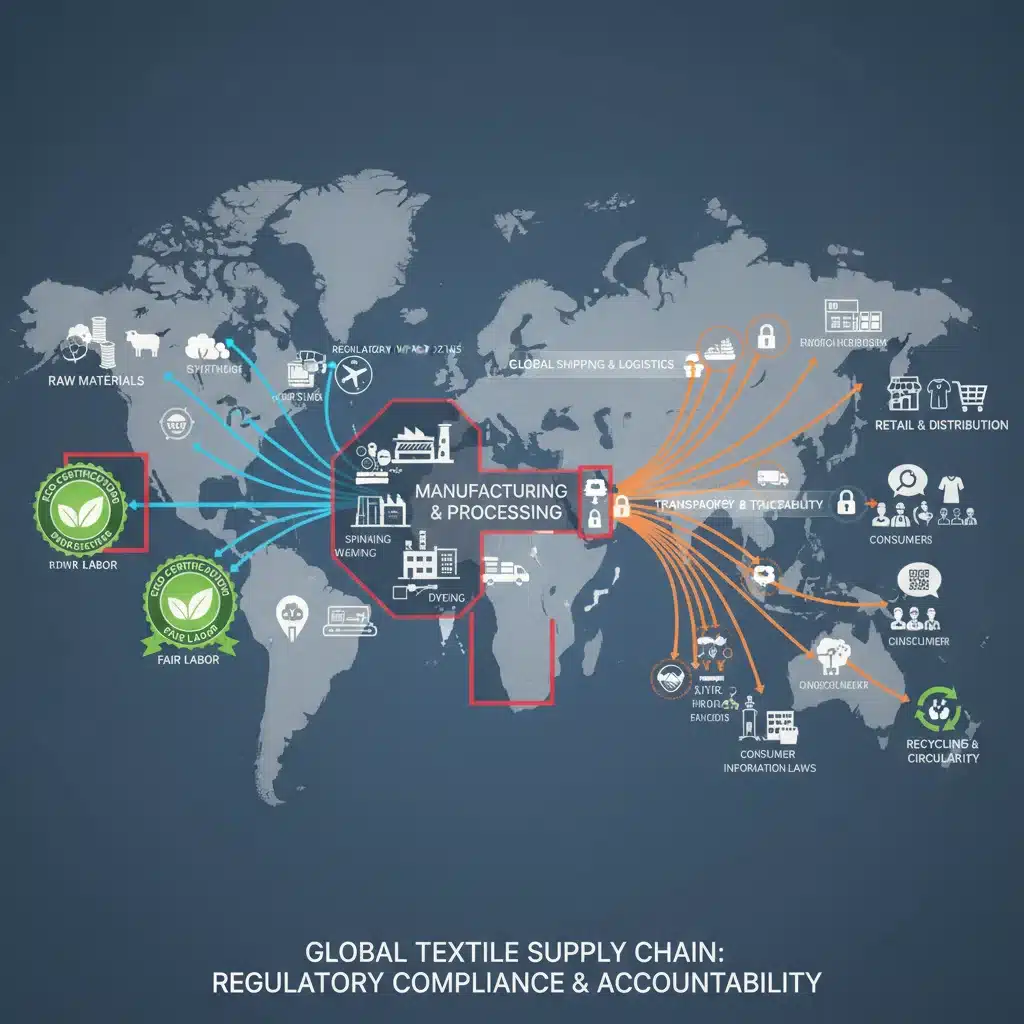
Another monumental shift embedded within the fashion policy 2026 landscape is the widespread adoption of digital product passports (DPPs) and an enhanced focus on supply chain transparency. Consumers, investors, and regulators are increasingly demanding to know the true origin and journey of fashion products. The era of opaque supply chains is rapidly coming to an end.
Digital Product Passports are essentially digital records attached to products, containing comprehensive information about their composition, origin, manufacturing process, environmental impact, repairability, and end-of-life instructions. These passports, often accessible via QR codes or NFC tags, will provide unprecedented transparency throughout the product lifecycle. For brands, implementing DPPs means investing in robust data management systems, collaborating closely with suppliers, and ensuring the accuracy and integrity of shared information. The benefits, however, extend beyond compliance; DPPs can build consumer trust, facilitate recycling and repair, and enhance brand storytelling. The European Union is at the forefront of this initiative, with similar mandates expected to emerge globally, making DPPs a cornerstone of future fashion policy 2026.
Beyond DPPs, general supply chain transparency requirements are becoming more stringent. This includes mandatory disclosure of supplier lists, manufacturing locations, and raw material sources. The aim is to combat issues like forced labor, child labor, and environmentally damaging practices hidden deep within complex global supply chains. Brands will be required to conduct thorough due diligence on their suppliers, implement traceability systems, and publicly report on their efforts. This will necessitate a shift from transactional relationships with suppliers to more collaborative, long-term partnerships built on shared values and mutual accountability. Companies that can demonstrate a verifiable, transparent supply chain will gain a significant competitive edge and meet the evolving demands of fashion policy 2026.
Ethical Labor Practices and Social Responsibility
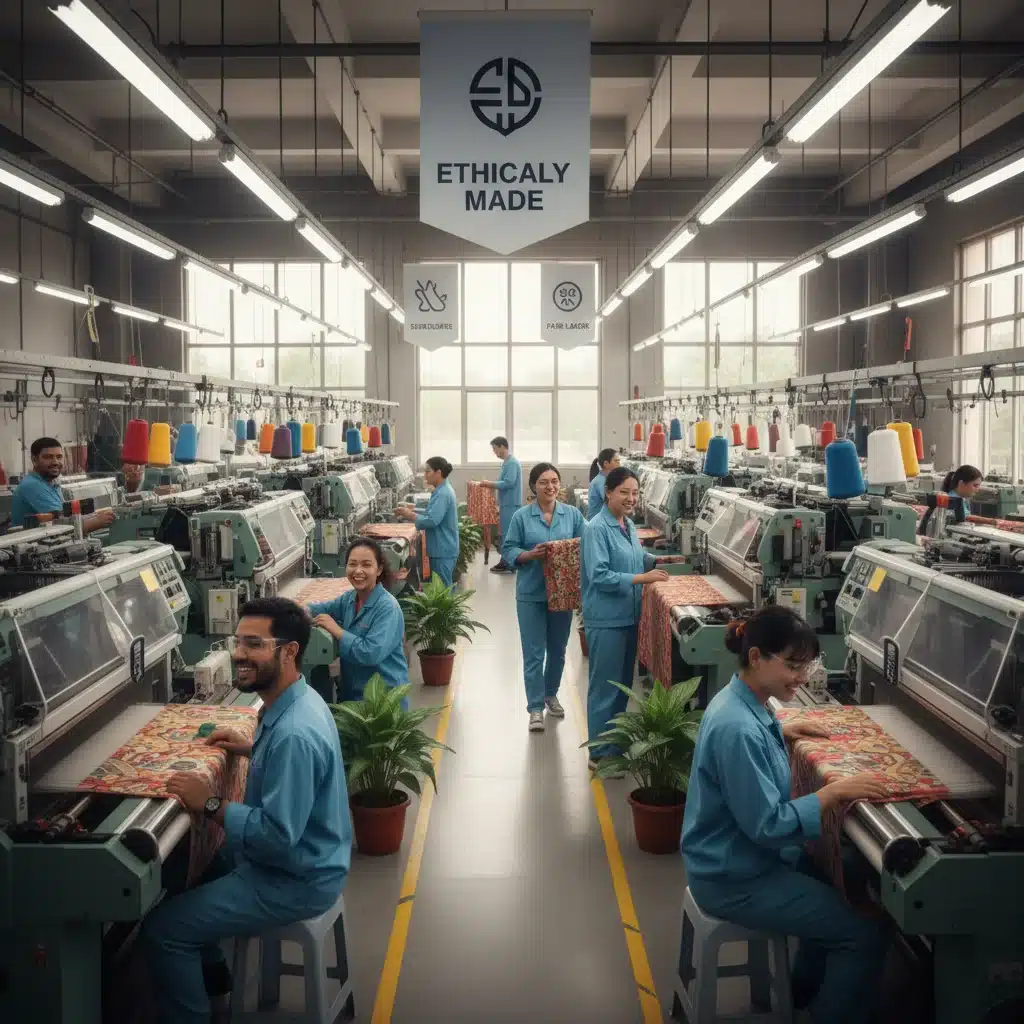
While environmental sustainability often dominates headlines, the social dimension of sustainability is equally critical within the evolving fashion policy 2026 framework. Concerns about worker exploitation, unsafe working conditions, and inadequate wages have long plagued the fashion industry. New regulations are designed to bolster labor protections and ensure greater social responsibility across the supply chain.
Mandatory human rights due diligence laws are gaining traction, requiring companies to identify, prevent, mitigate, and account for human rights impacts in their operations and supply chains. This means brands will be legally obligated to assess risks related to forced labor, child labor, discrimination, and freedom of association, and to take concrete steps to address them. Failure to comply can result in significant fines and legal action. This proactive approach to human rights will require brands to implement robust monitoring systems, conduct regular audits, and establish grievance mechanisms for workers. The emphasis on ethical labor practices is a defining characteristic of the fashion policy 2026 agenda.
Furthermore, there’s a growing movement towards ensuring living wages for garment workers. While not always directly legislated, policies promoting fair purchasing practices and responsible sourcing will indirectly push brands to pay prices that allow their suppliers to afford living wages. Consumer pressure and investor scrutiny will also play a significant role in driving this change. Brands that can demonstrate a commitment to fair wages and safe working environments will not only comply with new regulations but also enhance their brand reputation and attract socially conscious consumers. The ethical treatment of workers is no longer a ‘nice-to-have’ but a ‘must-have’ under the new fashion policy 2026 directives.
Beyond direct labor laws, there’s also an increasing focus on diversity, equity, and inclusion (DEI) within companies themselves. While not always regulatory, many governments are encouraging or mandating reporting on DEI metrics, and investors are increasingly factoring these into their decisions. A holistic approach to social responsibility, encompassing both supply chain labor and internal corporate practices, will be essential for navigating the evolving fashion policy 2026 landscape.
Impact on Business Models and Innovation
The impending fashion policy 2026 changes are not just about compliance; they are catalysts for innovation and transformation of business models. Brands that view these regulations as opportunities rather than burdens will be better positioned for long-term success. The shift towards circularity, transparency, and ethical production demands a rethinking of traditional approaches.
New business models are emerging, such as rental, resale, repair, and made-to-order services, all of which align perfectly with the goals of reducing waste and extending product lifecycles. Policies supporting these circular models, through incentives or mandates, will accelerate their adoption. For instance, regulations promoting repairability might necessitate brands to offer repair services or provide spare parts, opening up new revenue streams and fostering deeper customer relationships. The move away from fast fashion’s disposable model is a core tenet of the fashion policy 2026 agenda.
Investment in sustainable materials and manufacturing technologies will also become critical. Regulations favoring recycled content, bio-based materials, and low-impact production processes will drive demand for innovation in these areas. Brands will need to collaborate with material scientists, textile innovators, and technology providers to develop and integrate these solutions. This could lead to a renaissance in textile research and development, creating new competitive advantages for pioneering companies. The regulatory push will undoubtedly spur significant innovation within the fashion policy 2026 framework.
Furthermore, the increased focus on data and transparency, particularly with Digital Product Passports, will necessitate robust digital infrastructure. This includes implementing blockchain for traceability, AI for supply chain optimization, and advanced analytics for impact assessment. Brands that embrace digital transformation will be better equipped to manage the complexities of new regulations and communicate their sustainability efforts effectively to stakeholders. The digital backbone will be crucial for navigating the intricacies of fashion policy 2026.
Geographical Variations and International Harmonization
While many of the themes in fashion policy 2026 are global, it’s crucial to acknowledge that regulations will vary significantly by region. The European Union, with its ambitious Green Deal and Circular Economy Action Plan, is often a frontrunner in introducing comprehensive environmental and social legislation. Countries like France and Germany have already implemented pioneering EPR schemes for textiles, and their models often influence policies in other nations.
North America is also seeing increased regulatory activity, particularly in states like California and New York, which are often at the forefront of environmental and consumer protection laws. While a unified federal approach might be slower, state-level initiatives can still create significant compliance challenges for brands operating across the US. Similarly, countries in Asia, where a large portion of global fashion manufacturing takes place, are beginning to introduce their own environmental and labor standards, often in response to international pressure and growing domestic concerns. Understanding these geographical nuances is vital for brands with international supply chains and markets. A ‘one-size-fits-all’ approach to fashion policy 2026 compliance will likely be insufficient.
The challenge for global brands will be to navigate this patchwork of regulations. This often means aiming for the highest common denominator – adopting practices that meet the strictest requirements across all operating regions. There’s also an ongoing effort by international bodies and industry associations to harmonize standards and promote best practices, which could eventually lead to more streamlined compliance. However, for the immediate future leading up to and beyond 2026, a granular understanding of regional fashion policy 2026 will be essential for effective risk management and strategic planning.
This includes staying abreast of trade agreements that may incorporate environmental and labor clauses, potentially impacting market access or imposing tariffs on non-compliant goods. The interplay between national policies and international trade rules will add another layer of complexity to the fashion policy 2026 landscape.
Preparing Your Brand for Fashion Policy 2026
Given the breadth and depth of these impending changes, proactive preparation is not just advisable, it’s critical for survival and success. Here’s a strategic roadmap for brands to navigate the fashion policy 2026:
- Conduct a Comprehensive Impact Assessment: Begin by identifying which specific regulations will affect your brand, products, and supply chain. This includes assessing your current practices against future requirements for sustainability, transparency, and labor. Understand your baseline and pinpoint areas of non-compliance or high risk.
- Invest in Traceability and Data Management: Implement robust systems to track products and materials throughout your supply chain. This is crucial for Digital Product Passports and general transparency requirements. Explore technologies like blockchain, RFID, and advanced ERP systems.
- Redesign for Circularity: Integrate circular design principles into your product development process. Focus on durability, repairability, recyclability, and the use of sustainable and recycled materials. This will help you meet EPR obligations and reduce environmental impact.
- Strengthen Supplier Relationships and Due Diligence: Collaborate closely with your suppliers to ensure they understand and can meet new regulatory requirements. Implement rigorous due diligence processes to monitor social and environmental performance across your entire supply chain. Consider long-term partnerships based on shared sustainability goals.
- Educate and Train Your Team: Ensure that all relevant departments – from design and product development to legal, procurement, and marketing – are fully aware of the new regulations and their implications. Provide training to build internal capacity for compliance and sustainable practices.
- Engage with Industry Bodies and Regulators: Stay informed by actively participating in industry associations and engaging with regulatory bodies. This allows you to influence policy development, share best practices, and gain early insights into upcoming changes.
- Communicate Transparently with Stakeholders: Be open and honest with consumers, investors, and other stakeholders about your sustainability journey and efforts to comply with new regulations. Transparent communication builds trust and enhances brand reputation.
- Allocate Resources for Innovation: Dedicate resources to research and development in sustainable materials, manufacturing processes, and new circular business models. Innovation will be key to turning regulatory challenges into competitive advantages.
- Seek Expert Advice: Consider consulting with legal and sustainability experts who specialize in fashion policy. Their guidance can be invaluable in navigating complex regulatory landscapes and ensuring comprehensive compliance.
By taking these proactive steps, brands can not only prepare for the specific mandates of fashion policy 2026 but also position themselves as leaders in a more responsible and sustainable fashion industry. The transition will undoubtedly present challenges, but it also offers immense opportunities for growth, innovation, and positive impact.
The Long-Term Vision Beyond 2026
The year 2026 marks a significant milestone, but it is by no means the end of the regulatory journey for the fashion industry. The trajectory is clear: an ongoing and accelerating shift towards a fully circular, transparent, and ethically responsible sector. The policies coming into effect in 2026 are foundational, laying the groundwork for even more ambitious goals in the decades to come. Brands must adopt a long-term strategic vision that anticipates continuous evolution in fashion policy 2026 and beyond.
Future regulations are likely to expand in scope, potentially covering aspects like microplastic pollution, biodiversity impact, and further restrictions on virgin fossil-fuel-derived materials. The integration of artificial intelligence and advanced analytics will also play a larger role in monitoring compliance and optimizing sustainable practices. Furthermore, the concept of ‘greenwashing’ will come under even greater scrutiny, with stricter rules on environmental claims and marketing. Brands will need to ensure that their sustainability narratives are backed by verifiable data and genuine efforts, aligning with the spirit of fashion policy 2026.
Ultimately, the goal is to create a fashion industry that not only produces beautiful and desirable products but also contributes positively to society and the planet. This requires a collaborative effort from all stakeholders: governments, businesses, consumers, and civil society. The policy changes of 2026 are a critical step in this direction, pushing the industry towards a more sustainable and equitable future. Brands that embrace this vision, integrate sustainability into their core strategy, and continuously adapt to evolving regulations will be the ones that thrive in the long run.
Conclusion: A New Era for Fashion
The impending fashion policy 2026 represents a watershed moment for the global fashion industry. From stringent sustainability mandates and the widespread adoption of Digital Product Passports to enhanced labor protections and a demand for radical transparency, the regulatory landscape is undergoing a profound transformation. These changes are not merely compliance exercises; they are fundamental drivers for innovation, responsible business practices, and a more sustainable future.
Brands that proactively understand, embrace, and integrate these new policies into their core strategies will not only mitigate risks but also unlock new opportunities for growth, build deeper consumer trust, and enhance their competitive edge. The era of unchecked environmental and social impact is drawing to a close, giving way to a new paradigm where accountability, sustainability, and ethics are paramount. Preparing for fashion policy 2026 is an investment in the longevity and relevance of your brand in a rapidly changing world. The future of fashion is sustainable, transparent, and ethical, and the policies of 2026 are the blueprint for this exciting new chapter.