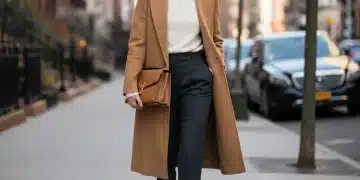
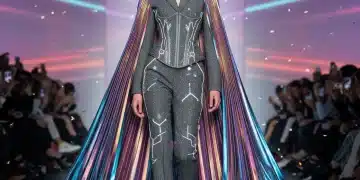
Mastering High Fashion: Accessible Ways to Elevate Your Daily Style
The allure of high fashion often feels like a distant dream, reserved for the runways of Paris and Milan, or the exclusive wardrobes of celebrities. We see breathtaking designs, innovative silhouettes, and exquisite craftsmanship, only to sigh and think, ‘That’s not for me.’ But what if we told you that integrating high-fashion aesthetics into your daily wardrobe is not only possible but also surprisingly accessible? The key lies not in replicating head-to-toe designer looks, but in understanding the core principles that make high fashion so captivating and then adapting them to your personal style and budget. This article, focusing on accessible high fashion, will guide you through five practical strategies to elevate your everyday style, transforming your wardrobe from ordinary to extraordinary without requiring a celebrity budget.
High fashion, at its essence, is about intentionality, quality, and a keen eye for detail. It’s about how clothes make you feel and the statement they make, not just the label inside. By breaking down these elements, we can demystify the world of haute couture and bring its essence into our everyday lives. From mastering the art of layering to understanding the impact of accessories, and from investing in foundational pieces to playing with proportions, we’ll explore how you can infuse your daily outfits with that coveted high-fashion flair. Get ready to unlock your inner stylist and embrace a more elevated, sophisticated version of your everyday self.
1. The Power of Proportions: Mastering Silhouette and Fit
One of the most striking characteristics of high fashion is its meticulous attention to silhouette and fit. Designers spend countless hours perfecting how garments drape, flow, and shape the body. This isn’t just about size; it’s about the intentional interplay of loose and fitted, structured and fluid, long and short. Understanding and applying the power of proportions is perhaps the most impactful step you can take towards achieving accessible high fashion in your daily life.
Understanding Your Body and Clothing Fit
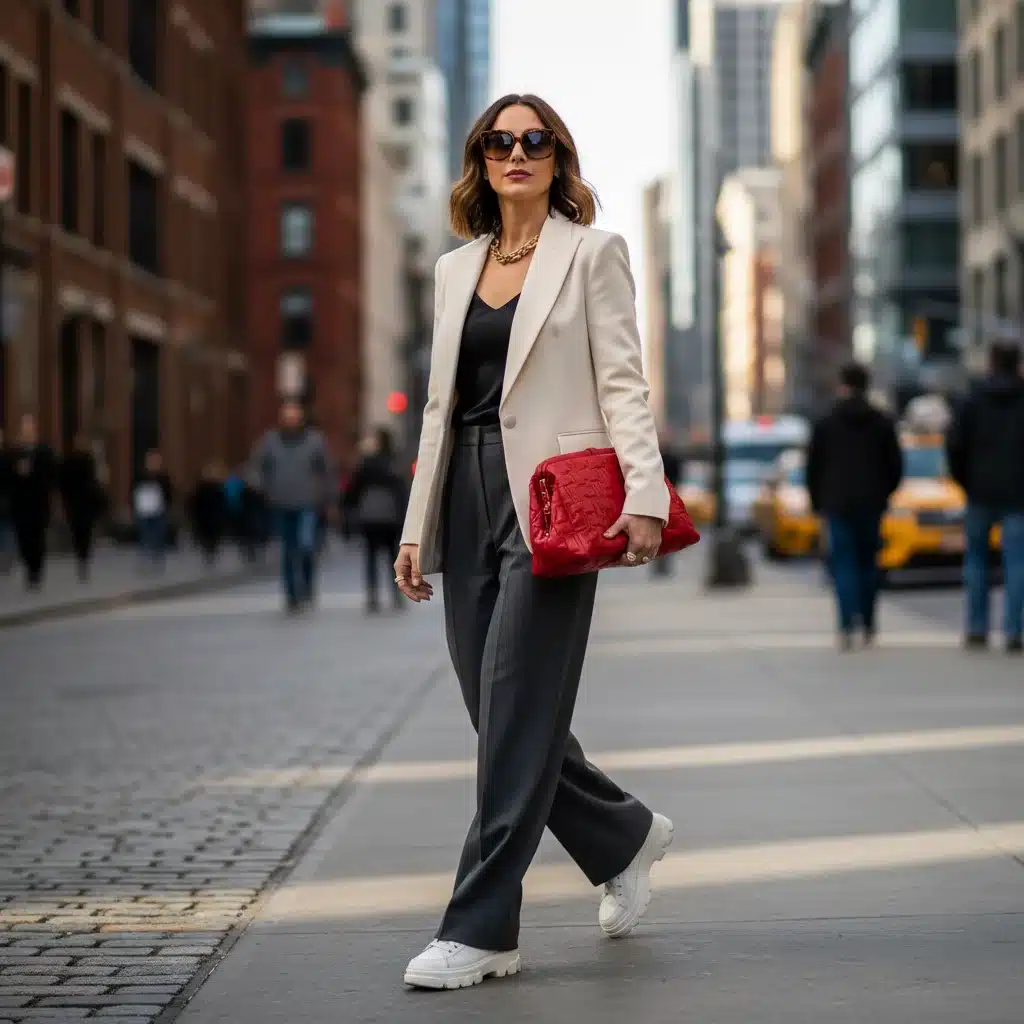
Before you can manipulate proportions, you need to understand how clothes fit your unique body. Forget about arbitrary sizing; focus on how a garment sits on your shoulders, skims your waist, or falls at your ankle. High fashion often plays with exaggerated or unexpected fits – an oversized blazer paired with slim-fit trousers, or a voluminous skirt balanced by a fitted top. The key is balance. If you opt for a wide-leg pant, consider pairing it with a more streamlined top. If your top is flowy and oversized, balance it with tailored bottoms. This deliberate contrast creates visual interest and sophistication, hallmarks of high-end styling.
Advertisements
Tailoring: Your Secret Weapon for Accessible High Fashion
No matter how expensive a garment is, if it doesn’t fit well, it won’t look high fashion. This is where tailoring becomes your most valuable tool. A well-tailored piece can transform an inexpensive item into something that looks custom-made and luxurious. Hemming trousers to the perfect length, taking in the waist of a skirt, or adjusting the sleeves of a blazer can make an enormous difference. Investing a small amount in tailoring can elevate your entire wardrobe, making every piece look more polished and intentional. This is a truly accessible way to achieve a high-fashion finish.
Experimenting with Silhouettes
High fashion frequently introduces new silhouettes or reinvents classic ones. Don’t be afraid to experiment. Try a monochromatic outfit with varying textures to create depth without relying on bold patterns. Explore architectural shapes, like a strong-shouldered jacket or a sculpted skirt. The goal is to create a dynamic and interesting outline with your clothing. Pay attention to how different lengths interact – a long tunic over cropped pants, or a short jacket over a maxi dress. These thoughtful pairings are what define a sophisticated, high-fashion aesthetic.
2. The Art of Accessorizing: Elevating with Intentional Details
If clothing forms the canvas of your outfit, then accessories are the brushstrokes that add depth, character, and a touch of artistic flair. High fashion understands the transformative power of accessories, using them not just as afterthoughts, but as integral components that complete and elevate a look. This is another prime area where accessible high fashion can be easily achieved, as you don’t need a designer wardrobe to invest in impactful accessories.
Statement Pieces vs. Everyday Staples
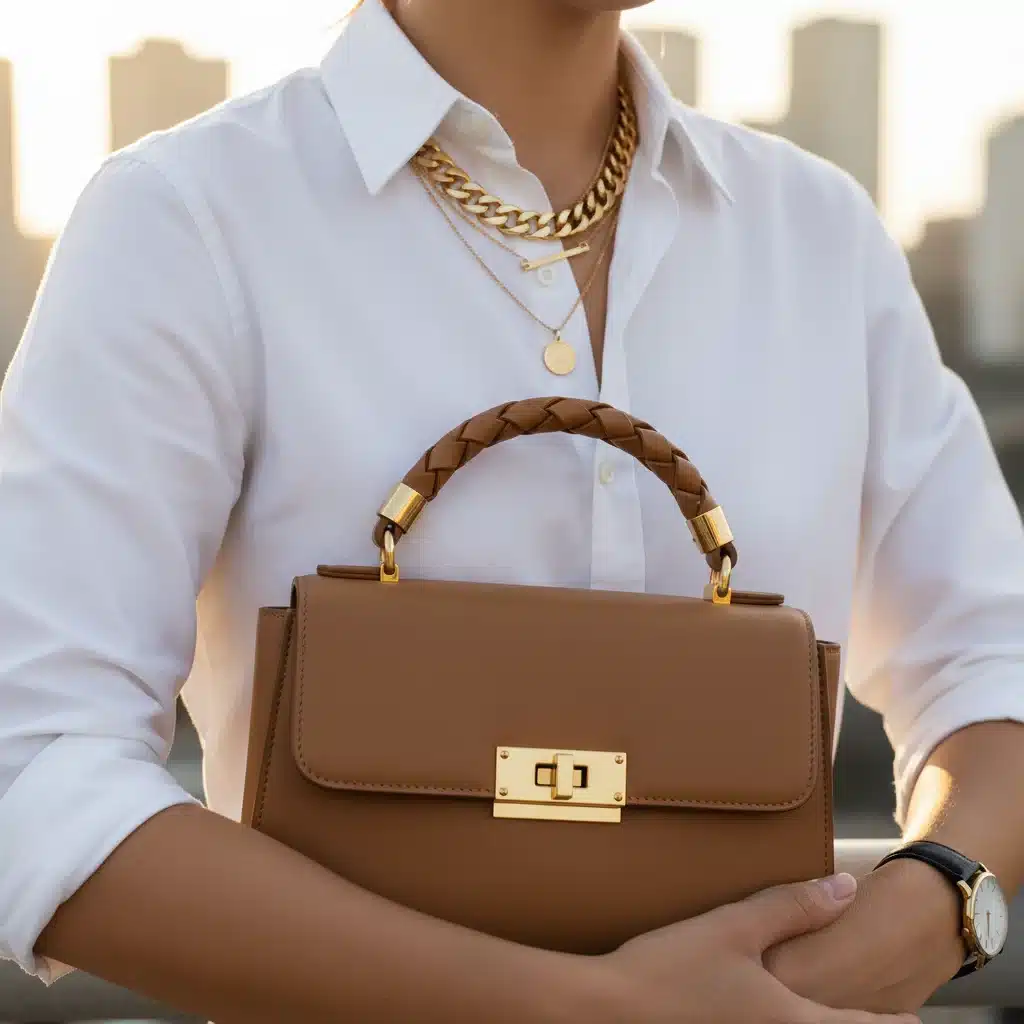
High-fashion looks often feature one or two carefully chosen statement accessories that draw the eye and define the ensemble. This could be an oversized pair of sunglasses, a unique sculptural necklace, a bold belt, or a structured handbag. The trick is to let these pieces shine by keeping the rest of your outfit relatively simple. Conversely, don’t underestimate the power of high-quality everyday staples like a classic watch, delicate layered necklaces, or elegant stud earrings. These foundational accessories, even if subtle, contribute to an overall polished and intentional look.
Texture and Material Play
High fashion revels in the interplay of textures and materials. Apply this principle to your accessories. A leather handbag with a smooth finish, a silk scarf with a subtle sheen, or a chunky knit beanie can add tactile interest and visual richness to your outfit. Mixing different textures – for example, a delicate chain necklace with a ribbed sweater, or a patent leather shoe with a tweed skirt – creates a dynamic and sophisticated feel. This attention to material quality and variety is a hallmark of high-end styling that is entirely within reach.
The Strategic Use of Scarves and Belts
Scarves and belts are incredibly versatile accessories that can instantly elevate an outfit and bring a touch of high-fashion sensibility. A silk scarf can be tied around your neck, woven through belt loops, used as a headscarf, or even tied to a handbag handle for a pop of color and pattern. Belts can cinch a loose dress, define the waist of a blazer, or add a graphic element to trousers. Experiment with different widths, materials, and buckle styles to see how these simple additions can dramatically alter the silhouette and overall feel of your look. They are perfect examples of how accessible high fashion can be infused into your wardrobe.
3. Invest in Foundational Pieces: Quality Over Quantity
A common misconception about high fashion is that it requires a closet bursting with designer labels. In reality, many high-fashion enthusiasts build their wardrobes around a core of high-quality, versatile foundational pieces. These are the items that form the backbone of countless outfits, enduring trends and seasons. Prioritizing quality over quantity in these key areas is a cornerstone of achieving accessible high fashion.
Defining Your Foundational Wardrobe
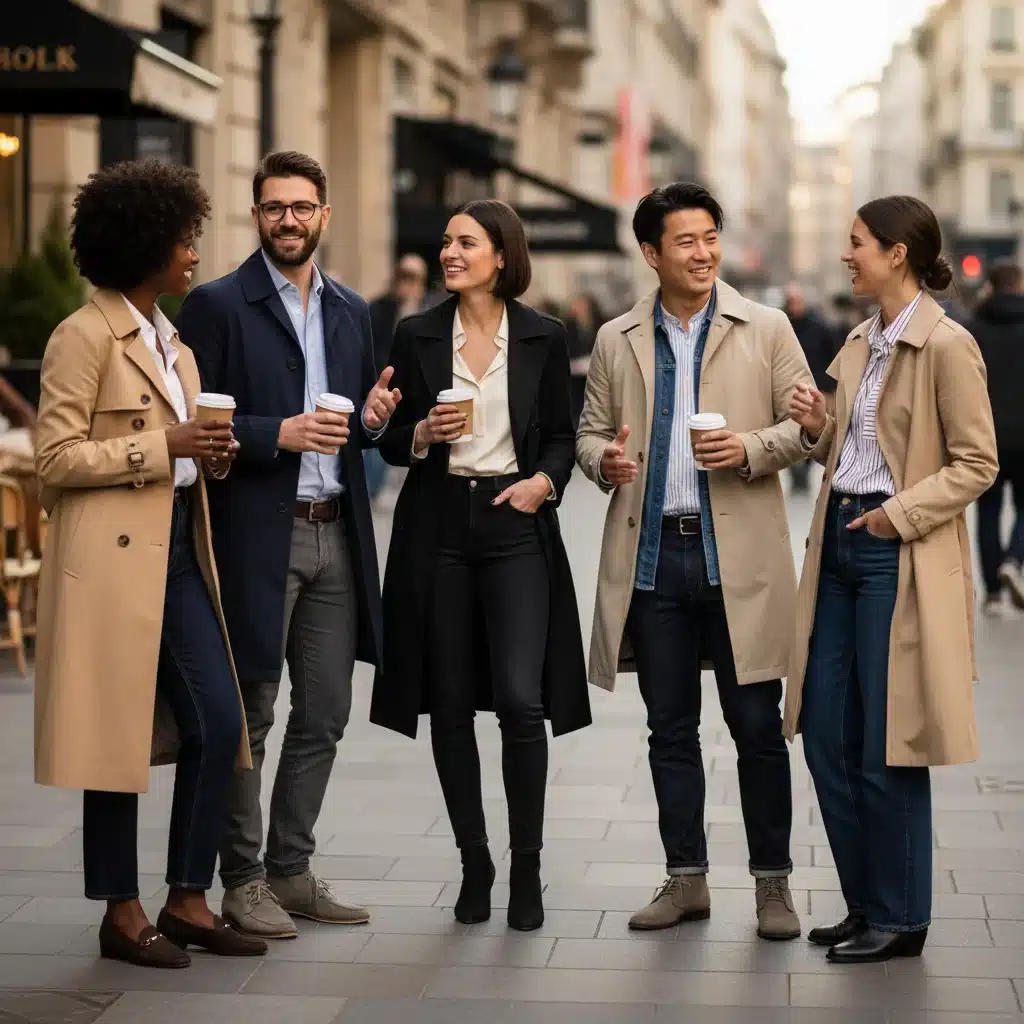
What constitutes a foundational piece will vary slightly based on your personal style and lifestyle, but generally includes items like a well-fitting blazer, a classic trench coat, a crisp white shirt, dark wash jeans, tailored trousers, a versatile little black dress, and comfortable yet stylish shoes. These pieces are often in neutral colors (black, white, navy, grey, camel) because they offer maximum versatility and can be easily mixed and matched. When selecting these items, look for superior fabrics, excellent craftsmanship, and timeless designs.
The Longevity and Versatility of Quality
Investing in higher-quality foundational pieces means they will last longer, wear better, and look more polished over time. A well-made wool coat will keep its shape and warmth for years, while a cheap alternative might pill and lose its structure after a single season. This long-term perspective is very much in line with high-fashion principles, which often emphasize enduring style rather than fleeting trends. Furthermore, these versatile pieces can be dressed up or down, allowing you to create a multitude of looks with a smaller, more curated wardrobe, making high fashion more accessible.
How to Shop for Quality on a Budget
Investing in quality doesn’t always mean spending a fortune. Look for sales at reputable stores, explore consignment shops, and consider buying pre-owned designer items. Focus on fabric composition (natural fibers like cotton, wool, linen, silk often indicate better quality) and construction (neat stitching, matching patterns, durable hardware). A carefully chosen, slightly more expensive piece that you wear for years is a far better investment than several cheap, trendy items that quickly fall apart. This mindful approach to shopping is crucial for building an accessible high fashion wardrobe.
4. Embrace Monochromatic Dressing and Strategic Color Blocking
Color plays a pivotal role in high fashion, often used to create powerful visual statements. While vibrant prints and bold hues certainly have their place, two techniques that consistently convey sophistication and a high-fashion aesthetic are monochromatic dressing and strategic color blocking. These methods offer a straightforward yet impactful way to elevate your daily style.
The Elegance of Monochromatic Looks
Dressing monochromatically means wearing an outfit composed entirely of one color, or various shades and tints of that same color. Think an all-white ensemble, a head-to-toe navy look, or varying shades of beige. This approach instantly creates a sleek, elongated, and effortlessly chic silhouette. It’s a favorite technique on the runways because it exudes confidence and refinement. To keep a monochromatic outfit from looking flat, introduce texture (e.g., a knit sweater with satin pants), different fabrics (e.g., leather and wool), and varied finishes (e.g., matte and shiny). This adds depth and visual interest, making it a truly accessible high fashion statement.
Strategic Color Blocking
Color blocking involves combining two or more solid blocks of contrasting or complementary colors in a single outfit. This technique creates a bold, modern, and often artistic statement, reminiscent of abstract art. The key to successful color blocking is intentionality. Choose colors that either provide a strong contrast (e.g., black and white, cobalt blue and orange) or colors that sit harmoniously on the color wheel (e.g., different shades of blue and green). Limit the number of colors to typically two or three to avoid a chaotic look. High fashion often uses color blocking to highlight specific parts of the body or to create interesting visual divisions within an outfit. This can be achieved with individual garments, or even with accessories like a brightly colored bag or shoes against a neutral outfit.
Psychology of Color in High Fashion
Beyond aesthetics, high fashion often uses color to evoke emotion and convey messages. Understanding basic color psychology can further enhance your style. For instance, black and navy often convey authority and sophistication, while pastels suggest softness and elegance. Bright colors can project confidence and playfulness. By consciously choosing your color palette, you’re not just putting together an outfit; you’re crafting a narrative, a sophisticated approach that makes your style feel more aligned with accessible high fashion principles.
5. Layering Like a Pro: Adding Depth and Dimension
Layering is more than just a practical way to stay warm; it’s an art form in high fashion, used to create complex, multi-dimensional looks that are rich in texture and visual interest. Mastering the art of layering can dramatically elevate your daily wardrobe, allowing you to transform simple pieces into sophisticated ensembles. This technique is highly adaptable and makes accessible high fashion a reality for everyone.
The Fundamentals of Effective Layering
Successful layering involves building an outfit from thinner, closer-fitting pieces to thicker, looser ones. Start with a lightweight base, such as a thin turtleneck or a silk camisole. Add a mid-layer, like a button-down shirt, a fine-gauge knit sweater, or a vest. Finish with an outer layer, such as a blazer, a trench coat, or a structured jacket. The goal is to create a harmonious flow, where each layer contributes to the overall silhouette without adding unnecessary bulk.
Playing with Textures and Lengths
High-fashion layering thrives on the interplay of different textures. Combine a smooth silk blouse under a chunky knit sweater, or a delicate lace camisole peeking out from under a tailored wool blazer. This contrast adds visual depth and makes the outfit more interesting. Similarly, experiment with varying lengths. A long tunic under a cropped jacket, or a short dress with a long cardigan, creates dynamic lines and prevents the look from appearing flat. These thoughtful combinations are what distinguish a merely functional layered outfit from a truly high-fashion one.
Layering Accessories for Impact
Don’t limit layering to just clothing. Accessories can also be layered to great effect. Consider stacking delicate necklaces of different lengths, layering bracelets on one wrist, or combining a thin belt over a dress with a longer, open cardigan. These accessory layers add further dimension and a personalized touch, enhancing the overall high-fashion feel. Even something as simple as a watch paired with a bracelet can make a difference. The key is to avoid overcrowding and ensure each piece has room to breathe and contribute to the aesthetic.
Seasonal Adaptability and Versatility
One of the greatest benefits of mastering layering is its versatility across seasons. You can adapt your existing wardrobe to different temperatures and occasions by simply adding or removing layers. A summer dress can be transitioned into fall with a turtleneck underneath and a blazer on top. A light jacket can be worn under a heavier coat in winter. This makes your wardrobe more functional and sustainable, aligning perfectly with a smart, accessible high fashion approach that maximizes the potential of each garment.
Conclusion: Your Journey to Accessible High Fashion Begins Now
Stepping into the world of high fashion doesn’t require an unlimited budget or a complete overhaul of your wardrobe. As we’ve explored, it’s about understanding and applying key principles that define sophisticated styling. By mastering the power of proportions and fit, intentionally using accessories, investing wisely in foundational pieces, embracing monochromatic dressing and strategic color blocking, and becoming a layering expert, you can infuse your daily outfits with that coveted high-fashion aesthetic.
Remember, true style is personal and evolves over time. These five strategies for accessible high fashion are not rigid rules but rather guidelines to inspire your creativity and help you see your existing wardrobe with fresh eyes. Start small, experiment with one or two techniques, and observe how these changes transform not just your appearance, but also your confidence. The most important accessory you can wear is self-assurance, and when you feel good in what you’re wearing, that high-fashion glow naturally follows. So, go ahead, unlock your inner stylist, and embark on your journey to a more elevated, intentional, and undeniably chic daily style.