Mastering Fabric Choices: Your Guide to 2026 American Wardrobe Materials
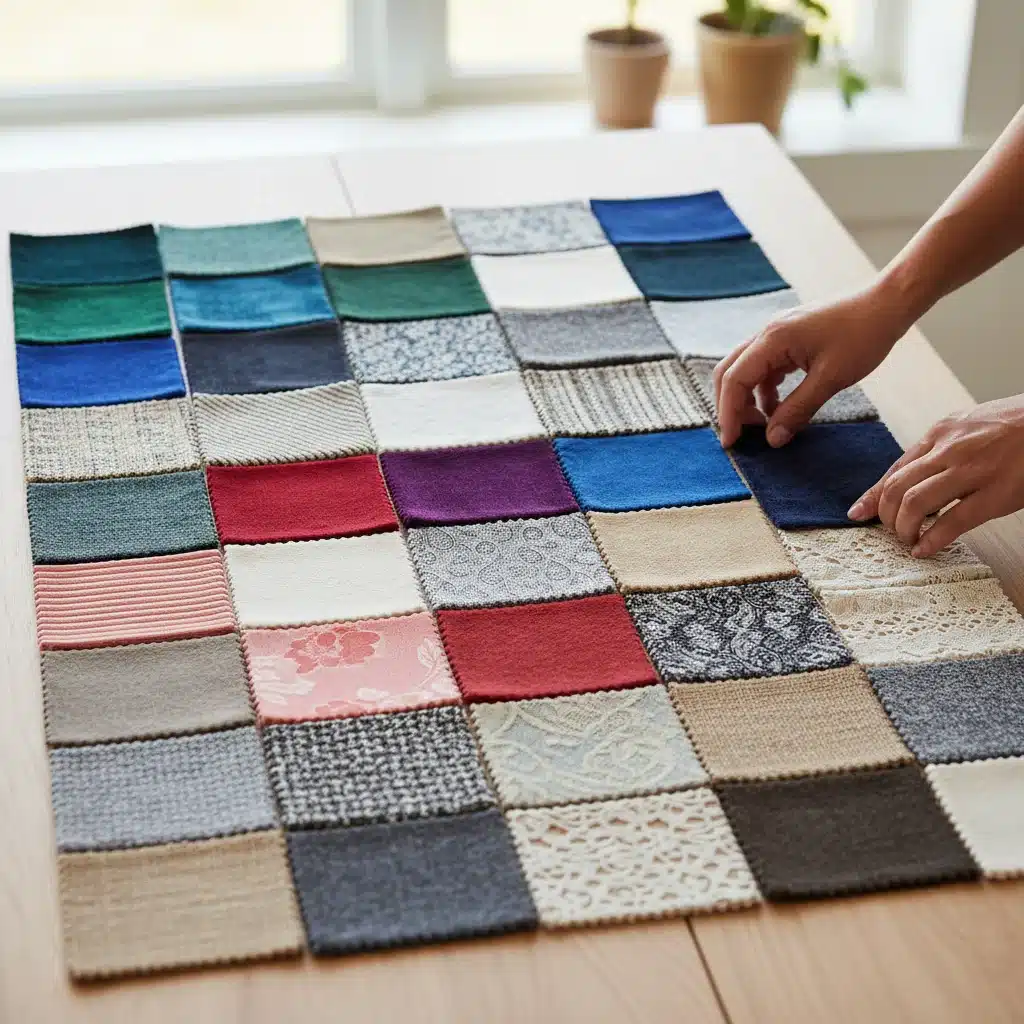
In the ever-evolving world of fashion, understanding the foundational elements of our clothing is more crucial than ever. As we look towards 2026, the American wardrobe is becoming increasingly diverse, demanding a deeper knowledge of fabric types guide to make informed decisions. Beyond mere aesthetics, the choice of fabric impacts comfort, durability, sustainability, and the overall feel of a garment. This comprehensive guide will navigate you through the intricate landscape of textiles, empowering you to curate a wardrobe that is not only stylish but also thoughtful and long-lasting.
From the soft embrace of natural fibers to the innovative performance of synthetics, each fabric tells a story and serves a purpose. Whether you’re a seasoned fashion enthusiast or just beginning to explore the nuances of textiles, this exploration of fabric types guide will equip you with the knowledge to choose the best materials for every occasion and season.
The Foundation: Why Understanding Fabric Types Matters
Before diving into specific materials, it’s essential to grasp why a deep understanding of fabric types guide is paramount. The fabric is the first point of contact with your skin, influencing your comfort throughout the day. It dictates how a garment drapes, breathes, and holds its shape. Furthermore, in an era of heightened environmental awareness, the production and lifecycle of fabrics have significant ecological implications. Making conscious choices about the materials in your wardrobe contributes to a more sustainable future.
Advertisements
Consider the myriad factors at play: the climate you live in, the activities you engage in, and the desired aesthetic. A summer dress made from a heavy, non-breathable fabric would be impractical, just as a winter coat made from thin linen would offer no protection. This highlights the importance of knowing your fabric types guide to match the material to its intended use. As we approach 2026, designers and consumers alike are placing a greater emphasis on functionality, longevity, and ethical sourcing, making fabric knowledge a core competency for any modern dresser.
Key Considerations When Choosing Fabrics
- Comfort: How does it feel against your skin? Is it soft, itchy, smooth?
- Breathability: Does it allow air circulation, preventing overheating?
- Durability: How well does it withstand wear and tear, washing, and fading?
- Drape: How does the fabric fall and flow on the body?
- Maintenance: Is it easy to care for? Does it wrinkle easily, or require special cleaning?
- Sustainability: What is its environmental impact, from production to disposal?
- Cost: How does its price point align with your budget and perceived value?
Natural Fibers: Gifts from the Earth
Natural fibers have been the cornerstone of human clothing for millennia, revered for their inherent comfort, breathability, and biodegradability. They originate from plants or animals, each offering unique characteristics that make them suitable for a wide range of garments. Delving into this section of our fabric types guide reveals the timeless appeal and modern applications of these organic materials.
Cotton: The Ubiquitous Comfort King
Cotton remains one of the most popular natural fibers globally, and for good reason. It’s soft, breathable, absorbent, and relatively inexpensive. From crisp shirts to comfortable denim, cotton is incredibly versatile. Different weaves and finishes give cotton a vast array of textures and uses. For example, Egyptian and Pima cottons are known for their extra-long staples, resulting in softer, stronger, and more lustrous fabrics. Organic cotton, grown without harmful pesticides and chemicals, represents a more sustainable choice, aligning with the growing demand for eco-conscious fashion in 2026.
However, cotton does have its drawbacks. It can wrinkle easily and is susceptible to shrinking if not cared for properly. It also takes a long time to dry once wet, which can be a disadvantage in certain climates or for activewear. Despite these minor issues, cotton’s comfort and adaptability ensure its continued reign in the American wardrobe.
Linen: The Epitome of Summer Chic
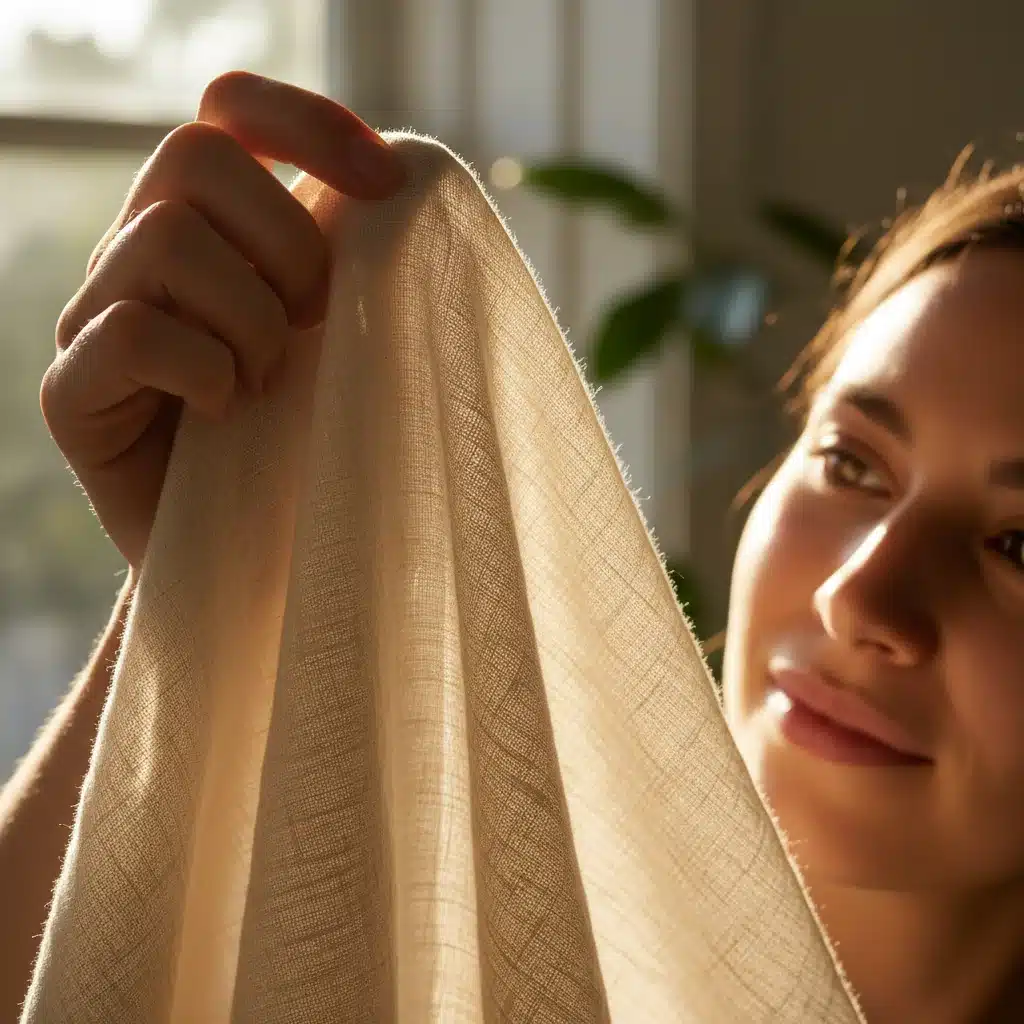
Derived from the flax plant, linen is celebrated for its exceptional breathability and strength. It’s a natural choice for warm weather clothing, as it wicks moisture away from the body and dries quickly. Linen garments often have a distinct, slightly crinkled texture that adds to their relaxed, sophisticated charm. While it wrinkles easily, many consider this a part of its appeal, contributing to an effortlessly elegant look.
Linen is also highly durable and becomes softer with each wash, making it a long-lasting addition to any wardrobe. Its sustainable profile, requiring less water and pesticides than cotton, makes it an increasingly favored option in the evolving fashion landscape. Incorporating linen into your 2026 wardrobe is a smart move for both style and sustainability.
Wool: The Warmth and Resilience Expert
Sourced primarily from sheep, wool is a remarkable natural fiber known for its warmth, elasticity, and moisture-wicking properties. It can regulate body temperature, keeping you warm in cold weather and relatively cool in moderate conditions. Varieties like Merino wool are incredibly fine and soft, making them suitable for next-to-skin garments, unlike coarser traditional wools.
Wool is also naturally wrinkle-resistant and can absorb a significant amount of moisture before feeling damp. Its natural lanolin content provides some water repellency and makes it resistant to dirt and odors. While it requires careful washing to prevent shrinking (unless superwash treated), wool’s durability and comfort make it indispensable for outerwear, sweaters, and even sophisticated suiting. Understanding the different grades of wool is a crucial part of our fabric types guide for cold-weather dressing.
Silk: The Luxurious Touch
Often considered the ‘queen of fibers,’ silk is a natural protein fiber produced by silkworms. Renowned for its lustrous sheen, smooth feel, and elegant drape, silk exudes luxury. It’s surprisingly strong for its delicate appearance and offers excellent temperature regulation, feeling cool in summer and warm in winter. Silk is also hypoallergenic, making it a good choice for sensitive skin.
However, silk requires delicate care, often necessitating dry cleaning or gentle hand washing. It can also be susceptible to sun damage and perspiration stains. Despite the higher price point and maintenance, the unparalleled elegance and comfort of silk ensure its place in high-end fashion and special occasion wear, continuing to be a desirable fabric for discerning consumers in 2026.
Synthetic Fibers: Innovation and Performance
Synthetic fibers are man-made, developed through chemical processes, and engineered to offer specific performance characteristics. They often excel in areas where natural fibers fall short, such as water resistance, elasticity, and stain resistance. This segment of our fabric types guide explores the scientific marvels that have revolutionized modern clothing, particularly in activewear and technical garments.
The following video provides an excellent visual and auditory guide to understanding the various fabric types discussed in this post:
Polyester: The Versatile Workhorse
Polyester is arguably the most widely used synthetic fiber due to its exceptional durability, wrinkle resistance, and quick-drying properties. It’s resistant to stretching, shrinking, and many chemicals, making it ideal for a vast array of applications, from athletic wear to upholstery. Modern advancements have significantly improved polyester’s feel, making it less ‘plastic-like’ and more comfortable against the skin.
Its ability to hold dyes well and resist fading also contributes to its popularity. While its breathability can be a concern for some, especially in 100% polyester garments, blends often mitigate this issue. The sustainability of polyester is a complex topic, but recycled polyester (rPET), made from plastic bottles, offers a more environmentally friendly alternative that is gaining significant traction in 2026 fashion.
Nylon: Strength and Resilience
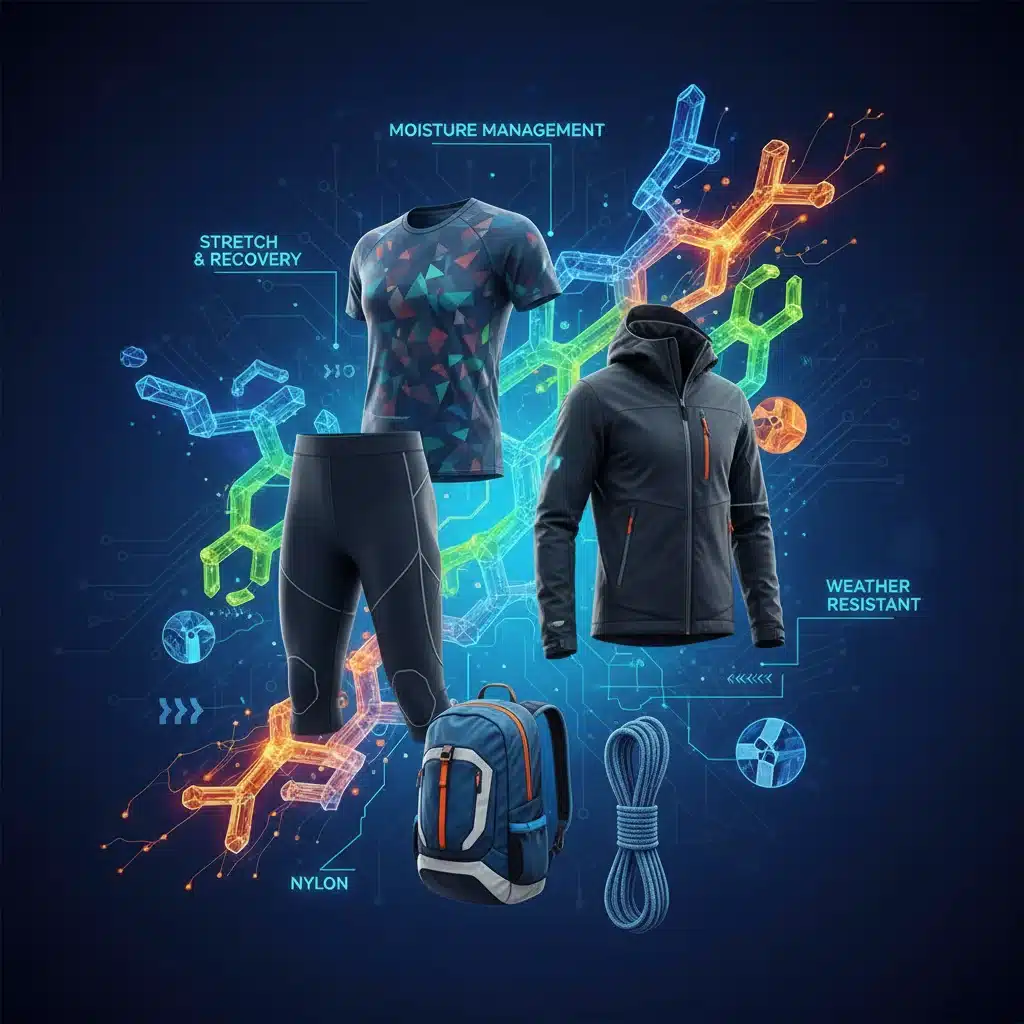
Nylon, the first fully synthetic fiber, is celebrated for its incredible strength, elasticity, and abrasion resistance. It’s often used in activewear, hosiery, swimwear, and outerwear due to its ability to stretch without losing shape and its quick-drying nature. Nylon is also highly resistant to water, making it excellent for rain gear and windbreakers.
Like polyester, nylon is durable and easy to care for, resisting wrinkles and shrinking. While not as breathable as natural fibers, its performance characteristics make it indispensable for garments requiring high resilience and flexibility. The development of more sustainable nylon production methods is an ongoing focus for the textile industry.
Rayon (Viscose): The ‘Artificial Silk’
Rayon is a semi-synthetic fiber, often referred to as regenerated cellulose fiber, as it’s made from purified cellulose, primarily from wood pulp. It shares many characteristics with natural fibers, offering a soft, smooth feel, good drape, and breathability. It’s often used as a more affordable alternative to silk or cotton due to its similar luxurious hand and absorbency.
However, rayon can be prone to wrinkling and may lose strength when wet, requiring careful handling during washing. Different types of rayon, such as Modal and Lyocell (Tencel), represent more advanced and environmentally friendly versions, boasting improved strength, softness, and sustainability credentials. These newer forms of rayon are increasingly popular choices in contemporary fashion, offering a natural feel with enhanced performance.
Spandex (Lycra/Elastane): The Stretch Innovator
Spandex, known by its brand names Lycra or Elastane, is a synthetic fiber renowned for its exceptional elasticity. It can stretch up to 5-8 times its original length and return to its original shape, providing unparalleled comfort and freedom of movement. Spandex is rarely used alone but is blended with other fibers to add stretch to garments, from jeans to athletic wear and swimwear.
Its ability to enhance fit and comfort has made it a staple in modern clothing. While not biodegradable, the small percentage typically used in blends means its environmental impact is often considered in conjunction with the primary fiber. For anyone seeking garments that move with them, understanding the role of spandex is vital to our fabric types guide.
Blended Fabrics: The Best of Both Worlds
Often, the ideal fabric for a particular garment isn’t a single fiber but a blend of two or more. Blended fabrics combine the desirable properties of different fibers to create materials that offer enhanced performance, comfort, and aesthetics. This section of our fabric types guide highlights how designers leverage blends to optimize clothing for specific needs.
Common Blends and Their Benefits
- Cotton-Polyester: This is one of the most common blends, combining cotton’s softness and breathability with polyester’s durability, wrinkle resistance, and quick-drying properties. It’s widely used in T-shirts, casual wear, and uniforms.
- Wool-Cashmere: Blending wool with cashmere creates a fabric that retains the warmth of wool but adds the luxurious softness and lightness of cashmere, often at a more accessible price point than 100% cashmere.
- Cotton-Spandex: Adding a small percentage of spandex to cotton provides stretch and shape retention, making garments like jeans, leggings, and activewear more comfortable and form-fitting.
- Silk-Linen: This elegant blend marries the luxurious drape and sheen of silk with the crisp, breathable qualities of linen, resulting in a fabric perfect for sophisticated summer attire.
- Rayon-Polyester: This blend can offer the soft drape of rayon with the durability and wrinkle resistance of polyester, often seen in blouses and dresses.
Blends allow for innovative textile solutions, addressing specific performance requirements while often managing costs. When evaluating a blended fabric, it’s important to consider the percentages of each fiber, as this will dictate the dominant characteristics of the material. For example, a fabric with 80% cotton and 20% polyester will feel and perform much more like cotton than a 50/50 blend.
Sustainable Fabric Choices for 2026 and Beyond
As consumer awareness around environmental and ethical issues grows, the demand for sustainable fabrics is skyrocketing. The 2026 American wardrobe is increasingly prioritizing materials that minimize ecological footprint and promote fair labor practices. This crucial part of our fabric types guide focuses on materials that are better for the planet and its people.
Organic and Recycled Materials
Organic Cotton: Grown without synthetic pesticides, fertilizers, or genetically modified organisms, organic cotton significantly reduces environmental pollution and water consumption compared to conventional cotton. Certifications like GOTS (Global Organic Textile Standard) ensure strict ecological and social criteria are met throughout the supply chain.
Recycled Polyester (rPET): Made from post-consumer plastic bottles or textile waste, rPET diverts waste from landfills and oceans, reduces reliance on virgin petroleum, and lowers energy consumption. Its performance characteristics are comparable to virgin polyester, making it an excellent sustainable alternative for activewear and outerwear.
Recycled Nylon: Similar to rPET, recycled nylon (often made from fishing nets and industrial waste) offers the same durability and strength as virgin nylon with a reduced environmental impact.
Innovative and Regenerative Fibers
Lyocell (Tencel): A form of rayon, Lyocell is produced using a closed-loop solvent spinning process, meaning almost all chemicals and water are recovered and reused. It’s known for its exceptional softness, strength, and breathability, often hailed as a ‘green’ alternative to cotton and silk.
Hemp: A highly sustainable crop, hemp requires minimal water and no pesticides to grow. Its fibers are strong, durable, and become softer with age. Hemp fabric is naturally resistant to UV light, mold, and mildew, making it an excellent choice for a variety of garments. Its cultivation can also regenerate soil, offering significant environmental benefits.
Bamboo Lyocell: While bamboo viscose can be chemically intensive to produce, bamboo lyocell uses a similar closed-loop system to Tencel, making it a more sustainable option. It’s incredibly soft, breathable, and has natural antimicrobial properties.
Piñatex (Pineapple Leather): An innovative, vegan leather alternative made from pineapple leaf fibers. It’s durable, versatile, and offers a cruelty-free option for accessories and footwear, showcasing the ingenuity in sustainable material development.
Certifications to Look For
When shopping for sustainable clothing, look for certifications that guarantee environmental and social responsibility. Key certifications include:
- GOTS (Global Organic Textile Standard): For organic fibers.
- OEKO-TEX Standard 100: Ensures fabrics are free from harmful substances.
- Bluesign: Focuses on sustainable production processes, from raw materials to finished products.
- Fair Trade Certified: Guarantees fair wages and safe working conditions.
Caring for Your Fabrics: Longevity and Preservation
Understanding fabric types guide extends beyond selection to proper care. The way you wash, dry, and store your garments significantly impacts their lifespan, appearance, and environmental footprint. Proper care reduces the need for frequent replacements, contributing to a more sustainable wardrobe.
General Care Tips
- Read the Label: Always check the care label inside your garment. Manufacturers provide specific instructions based on the fabric composition.
- Sort Your Laundry: Separate clothes by color, fabric type, and level of dirtiness. This prevents color bleeding and protects delicate items.
- Use Appropriate Water Temperature: Cold water is generally gentler on fabrics, saves energy, and prevents shrinking and fading. Hot water is best for sanitizing and heavily soiled items (if the fabric allows).
- Choose the Right Detergent: Use mild detergents for delicate fabrics and avoid harsh chemicals that can damage fibers.
- Avoid Overloading the Washer/Dryer: This can lead to inefficient cleaning, excessive wear, and wrinkling.
Specific Fabric Care
- Cotton: Can typically be machine washed in warm or cold water. Tumble dry on low or hang to dry to prevent shrinking. Iron while damp for best results.
- Linen: Machine wash cold on a gentle cycle or hand wash. Air dry flat to maintain shape and prevent wrinkles. Iron at high heat while damp.
- Wool: Hand wash in cold water with a wool-specific detergent or dry clean. Lay flat to dry to prevent stretching or shrinking. Never put wool in a hot dryer.
- Silk: Hand wash in cold water with a gentle detergent or dry clean. Do not wring. Lay flat or hang to dry away from direct sunlight. Iron on a low setting on the reverse side.
- Polyester & Nylon: Machine wash cold with like colors. Tumble dry on low or hang dry. They are generally wrinkle-resistant and require little to no ironing.
- Rayon: Hand wash cold or dry clean. Rayon can lose strength when wet, so handle gently. Air dry flat. Iron on a low setting.
- Spandex Blends: Machine wash cold on a gentle cycle. Air dry or tumble dry on very low heat. High heat can damage the elastic fibers.
By investing a little time in understanding and implementing proper fabric care, you can significantly extend the life of your clothing, maintain its aesthetic appeal, and reduce your overall fashion consumption, aligning with sustainable practices for 2026 and beyond.
The Future of Fabrics: Innovations for 2026 and Beyond
The textile industry is in a constant state of innovation, driven by demands for performance, sustainability, and unique aesthetics. As we project our fabric types guide into 2026, several exciting trends and emerging technologies are set to shape the future of our wardrobes.
Smart Textiles and Wearable Technology
Fabrics are no longer just passive materials; they are becoming interactive components of our lives. Smart textiles, embedded with sensors, conductive threads, and microelectronics, can monitor health metrics, regulate body temperature, provide light, or even charge devices. Imagine activewear that tracks your performance without external gadgets, or clothing that adapts to environmental changes, keeping you comfortable in any climate. While still in nascent stages for mass market, 2026 will see more integration of these technologies into specialized garments and possibly everyday wear.
Bio-fabricated Materials
Scientists are exploring revolutionary ways to grow fabrics using biological processes. This includes mushroom leather (Mylo), which offers a sustainable, animal-free alternative to traditional leather, and spider silk, engineered in labs for incredible strength and lightness. These bio-fabricated materials promise to reduce reliance on resource-intensive agriculture and petroleum-based synthetics, offering truly circular solutions for the future of fashion.
Recycling and Upcycling Technologies
Advancements in textile recycling are crucial for closing the loop in fashion. New technologies are making it possible to efficiently recycle mixed fiber garments, breaking them down into their original components to create new fibers. Chemical recycling processes can separate polyester from cotton blends, for instance, a significant challenge for traditional mechanical recycling. Upcycling, which transforms discarded materials into new products, also continues to gain momentum, turning waste into valuable fashion items.
Circular Design Principles
The concept of circularity is guiding fabric innovation. This means designing products from the outset to be durable, repairable, and ultimately recyclable or compostable. Fabrics are being developed with their end-of-life in mind, ensuring they can seamlessly re-enter the resource stream. This holistic approach to design and material selection will be fundamental to creating a truly sustainable fashion industry in 2026 and beyond.
Conclusion: Weaving a Smarter Wardrobe for 2026
Navigating the world of textiles can seem daunting, but armed with this comprehensive fabric types guide, you are now better equipped to make conscious and informed decisions about your 2026 American wardrobe. From the timeless appeal of natural fibers like cotton and wool to the high-performance innovations of synthetics such as polyester and nylon, and the synergistic benefits of blends, each fabric plays a unique role.
Remember that your clothing choices have an impact far beyond personal style. By prioritizing sustainable options, understanding care instructions, and embracing emerging fabric technologies, you contribute to a more responsible and future-forward fashion ecosystem. The future of fashion is not just about what you wear, but what it’s made of and how it’s made. Embrace the knowledge shared in this fabric types guide to curate a wardrobe that is not only comfortable and stylish but also aligned with your values and the demands of a changing world.
Invest in quality, care for your garments, and make choices that reflect both your personal aesthetic and a commitment to a more sustainable planet. Your 2026 wardrobe can be a testament to thoughtful consumption and enduring style.