Unveiling the Top 3 Fashion News Stories Shaping Your Style Choices Now
Unveiling the Top 3 Fashion News Stories Shaping Your Style Choices Now
The fashion world is a dynamic, ever-evolving entity, constantly influenced by global events, technological advancements, and shifting cultural sentiments. Staying abreast of the latest developments isn’t just for industry insiders; it’s crucial for anyone looking to cultivate a relevant and impactful personal style. This month, several pivotal fashion news stories have emerged, each with significant implications for how we perceive, purchase, and wear our clothes. Understanding these trends can empower you to make more informed style choices, ensuring your wardrobe remains both contemporary and personally resonant. We’re diving deep into the top three fashion news stories that are currently making waves and exploring their profound impact on your everyday style decisions. From the growing emphasis on sustainability to the burgeoning world of digital fashion and the continued rise of luxury resale, these narratives are reshaping the very fabric of our sartorial landscape. Let’s unravel how these major developments in fashion news impact your closet and your approach to dressing.
The Unstoppable Rise of Sustainable and Ethical Fashion Practices
One of the most dominant and impactful narratives in recent fashion news impact discussions is the accelerating shift towards sustainable and ethical fashion practices. This isn’t merely a fleeting trend; it’s a fundamental recalibration of the industry, driven by increasing consumer awareness and environmental urgency. Consumers are no longer content with just aesthetically pleasing garments; they demand transparency, ethical production, and a reduced ecological footprint. This month has seen major luxury brands and high-street retailers alike announcing ambitious new sustainability targets, investing in innovative eco-friendly materials, and implementing circular economy models.
What Does This Mean for Your Wardrobe?
The implications of this sustainable revolution for your personal style are multifaceted. Firstly, it encourages a more mindful approach to consumption. Instead of succumbing to fast fashion’s fleeting trends, consumers are now encouraged to invest in high-quality, durable pieces made from sustainable materials like organic cotton, recycled polyester, Tencel, or innovative bio-based fabrics. This shift promotes a ‘buy less, choose well, make it last’ philosophy, leading to a more curated and timeless wardrobe. Expect to see more brands highlighting their ethical supply chains, fair labor practices, and commitment to reducing waste. This transparency allows you to make informed decisions, aligning your purchases with your values.
Advertisements
Secondly, the aesthetic of sustainable fashion is evolving. Gone are the days when ‘eco-friendly’ equated to bland, shapeless garments. Today, sustainable fashion is at the forefront of design innovation, with brands proving that ethical production can go hand-in-hand with cutting-edge style. We’re seeing beautiful, versatile pieces that are not only good for the planet but also incredibly chic and desirable. This includes everything from upcycled denim to responsibly sourced cashmere and plant-dyed silks. Your style choices can now actively contribute to a better world without compromising on elegance or individuality.
Furthermore, the focus on longevity means a renewed appreciation for craftsmanship and repair. Learning basic mending skills or utilizing professional alteration services can extend the life of your garments, reducing waste and fostering a more personal connection with your clothes. This aspect of the fashion news impact encourages a departure from disposability, embracing a more circular and sustainable lifestyle.
Brands are also exploring new business models, such as rental services and take-back programs, making sustainable fashion more accessible. This allows consumers to experiment with new styles without the commitment of ownership, further reducing textile waste. The overarching message is clear: sustainability is no longer optional; it’s becoming an integral part of what defines good fashion.

The Digital Domination: NFTs, Metaverse, and Virtual Fashion
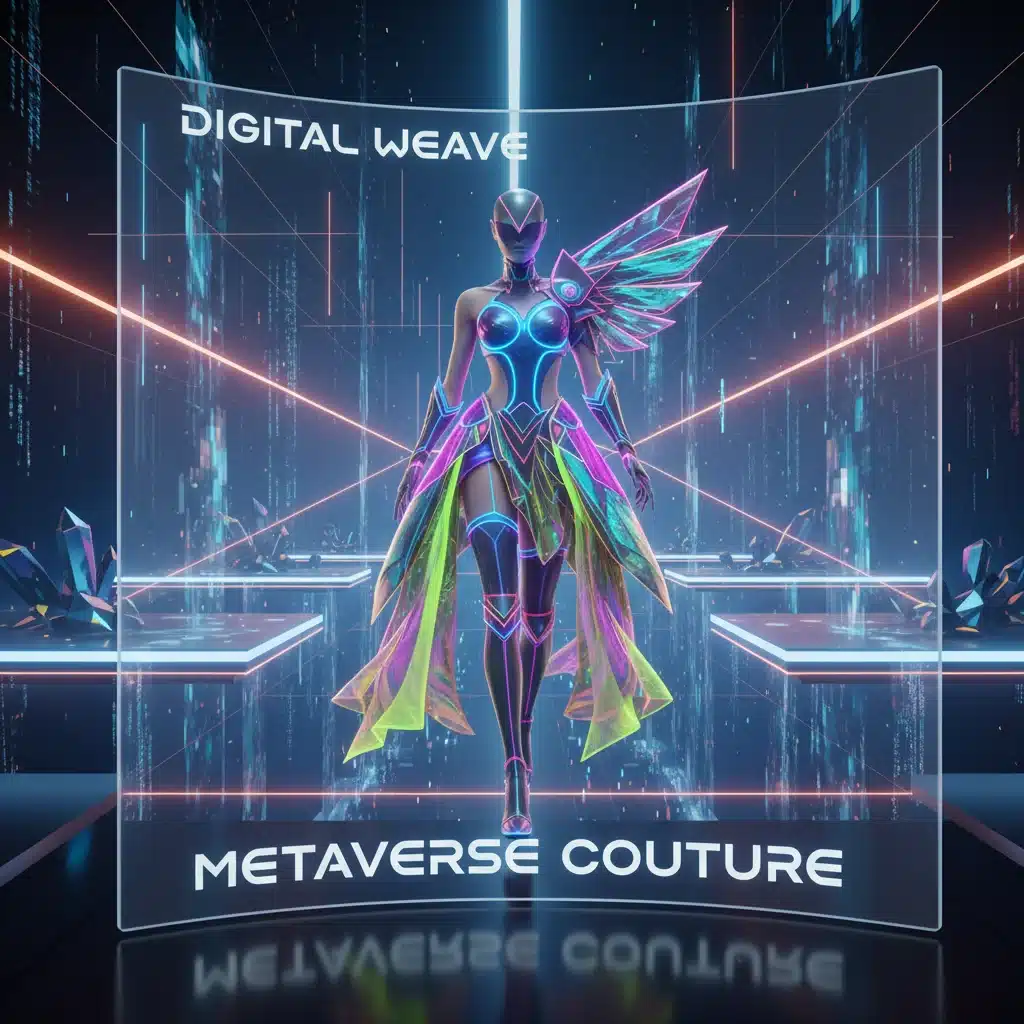
Another monumental development in recent fashion news impact is the explosive growth of digital fashion, fueled by NFTs (Non-Fungible Tokens) and the expanding metaverse. While the concept of digital clothing might seem abstract to some, it’s rapidly becoming a tangible and influential aspect of the fashion industry, captivating both luxury houses and innovative startups. This month has witnessed numerous high-profile collaborations between fashion brands and metaverse platforms, virtual fashion shows, and the release of exclusive NFT collections that allow users to ‘dress’ their digital avatars.
How Does Digital Fashion Influence Your Real-World Style?
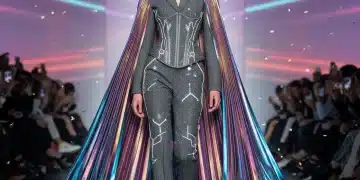
The influence of digital fashion extends far beyond the virtual realm. Firstly, it’s pushing the boundaries of creativity and design. Freed from the constraints of physical materials and gravity, digital designers are exploring fantastical shapes, textures, and movements that might be impossible or impractical in traditional garments. This experimental approach filters back into physical collections, inspiring new silhouettes, fabric manipulations, and innovative uses of color. What you see on a digital avatar today could very well be influencing the runway collections of tomorrow.
Secondly, digital fashion is democratizing access to high fashion. While an haute couture gown might be financially out of reach for most, a digital version or an NFT accessory can offer a more accessible entry point into luxury branding and exclusive designs. This allows a broader audience to engage with and ‘wear’ high-end fashion, fostering a new generation of fashion enthusiasts who are digitally native. The desire to express oneself through digital garments can also translate into a heightened awareness and appreciation for unique and expressive physical clothing.
Furthermore, digital fashion offers a unique space for self-expression and identity exploration. In the metaverse, individuals can experiment with styles that they might not feel confident wearing in the physical world. This experimentation can build confidence and inspire bolder, more adventurous style choices in real life. It challenges traditional notions of what fashion is and how it functions, encouraging us to think beyond the tangible.
The integration of digital fashion also points towards a future where physical and virtual wardrobes are intertwined. Imagine purchasing a physical garment that comes with its digital twin for your avatar, or vice versa. This convergence presents exciting possibilities for personalized styling, interactive experiences, and a deeper connection between our online and offline identities. The conversation around fashion news impact is increasingly including discussions about digital ownership and the value of virtual assets, signaling a profound shift in how we perceive and invest in clothing.
The Resale Revolution: Luxury Second-Hand Market Booms
The third major story dominating fashion news impact this month is the unprecedented boom in the luxury second-hand market. Once considered niche, the resale market has exploded into a multi-billion-dollar industry, driven by a combination of sustainability concerns, economic factors, and a desire for unique, pre-loved pieces. Major luxury brands are not only acknowledging this trend but are actively participating in it, with some launching their own resale platforms or partnering with established players. This signals a significant shift from a linear consumption model to a more circular one, where garments are given extended lifespans.
Redefining Luxury and Personal Style Through Resale
The growth of the luxury resale market has profound implications for how you build and perceive your wardrobe. Firstly, it makes luxury more accessible. Iconic designer bags, vintage couture, and coveted limited-edition items that were once out of reach can now be acquired at a fraction of their original price. This allows consumers to elevate their style with high-quality, investment pieces without the prohibitive cost, fostering a more inclusive luxury landscape. It enables you to own a piece of fashion history or a timeless classic that might otherwise be unattainable.
Secondly, resale promotes individuality and uniqueness. Fast fashion often leads to homogeneous styles, but the second-hand market is a treasure trove of distinctive items, from vintage finds to rare designer pieces. Incorporating pre-loved items into your wardrobe allows you to create a truly unique personal style that stands out from the crowd. It’s about curating a collection of pieces with stories, rather than just buying the latest trend. This is a powerful aspect of the current fashion news impact.
Thirdly, the resale market is inherently sustainable. By extending the life cycle of garments, it significantly reduces textile waste and the environmental impact associated with new production. Choosing to buy second-hand is a conscious decision that aligns with eco-friendly values, allowing you to participate in a more circular economy. This also encourages a shift in mindset from disposable fashion to valuing longevity and craftsmanship.
Finally, the resale market has transformed how we view value in fashion. Items that hold their value well in the second-hand market, such as classic designer bags or vintage watches, are increasingly seen as intelligent investments. This encourages consumers to think about the long-term value and desirability of their purchases, moving away from impulsive, trend-driven buying. It’s not just about saving money; it’s about smart, sustainable investing in your style. The increased visibility and acceptance of pre-owned luxury have cemented its place as a legitimate and desirable segment of the fashion industry.
The Interconnectedness of Fashion News Impact on Your Choices
It’s important to recognize that these three major fashion news stories – sustainability, digital fashion, and the resale boom – are not isolated phenomena. They are deeply interconnected and collectively shape the broader landscape of how we engage with fashion. For instance, the emphasis on sustainability naturally fuels the resale market, as consumers seek to extend the life of garments and reduce their environmental footprint. Similarly, digital fashion, while seemingly distinct, can also promote sustainable practices by offering virtual alternatives to physical consumption, or by providing platforms for transparent supply chains through blockchain technology.
The overarching theme is a move towards more conscious, innovative, and personalized style choices. Consumers are becoming more discerning, demanding not only style but also substance, ethics, and longevity from their clothing. This shift empowers individuals to be more intentional about their purchases, to express their values through their wardrobe, and to participate in a fashion ecosystem that is increasingly responsible and forward-thinking. The fashion news impact is creating a ripple effect, encouraging a holistic approach to personal style that considers environmental, social, and technological dimensions.
Navigating the New Fashion Frontier
For individuals, navigating this new fashion frontier means embracing adaptability and an open mind. It encourages you to ask critical questions before making a purchase: Where was this made? What materials are used? How long will it last? Can I resell or recycle it when I’m done? It also invites exploration into new avenues of style, whether that’s through discovering unique vintage pieces, experimenting with digital accessories, or supporting brands committed to ethical practices.
The traditional fashion calendar and consumption cycles are being disrupted, making way for a more fluid and responsive industry. This presents both challenges and opportunities for personal style. On one hand, the sheer volume of information and options can be overwhelming. On the other hand, it offers an unprecedented level of freedom to define your own aesthetic, unconstrained by rigid trends or seasonal dictates. Your style choices become a powerful statement about who you are and what you value in an increasingly complex world.
Looking Ahead: What’s Next in Fashion’s Evolution?
As these major fashion news stories continue to unfold, we can anticipate further innovations and transformations. The boundaries between physical and digital fashion will likely blur even further, with augmented reality (AR) try-on experiences becoming commonplace and hybrid garments that exist in both realms. Sustainability will move beyond buzzwords to become deeply embedded in every stage of the supply chain, from raw material sourcing to end-of-life solutions. The resale market will continue to professionalize and expand, offering even more sophisticated platforms and authentication services.
Moreover, expect a greater emphasis on personalization and customization. As technology advances, the ability to create bespoke garments tailored to individual preferences and body types will become more accessible. This caters to the growing desire for unique expression and a rejection of mass-produced uniformity. The fashion news impact will continue to highlight brands that are agile, innovative, and responsive to these evolving consumer demands.
The role of artificial intelligence (AI) in fashion is also poised for significant expansion, from trend forecasting and design assistance to optimizing supply chains and enhancing customer experiences. AI could help consumers make more sustainable choices by providing detailed insights into a garment’s environmental footprint or by recommending pieces that perfectly complement their existing wardrobe, thereby reducing impulse buys and promoting longevity.
Ultimately, the current trajectory of fashion suggests a future where style is not just about aesthetics, but also about ethics, technology, and personal narrative. It’s a future where every purchase, every outfit, carries a deeper meaning and contributes to a larger conversation. Staying informed about these key developments allows you to not only keep your wardrobe fresh but also to be an active participant in shaping the future of fashion itself.
Conclusion: Empowering Your Style Through Informed Choices
The fashion landscape is undergoing a profound transformation, driven by a triumvirate of powerful forces: sustainability, digital innovation, and the circular economy. These are not just industry buzzwords; they are fundamental shifts that are redefining how we interact with clothing and express our personal style. The top three fashion news impact stories discussed this month – the unwavering commitment to sustainable practices, the burgeoning world of digital fashion and NFTs, and the explosive growth of the luxury resale market – collectively paint a picture of a more conscious, connected, and creative future for fashion.
By understanding these developments, you gain the power to make more deliberate and impactful style choices. You can opt for garments that align with your values, explore new forms of self-expression in virtual spaces, and invest in pieces that have a story and a longer lifespan. This isn’t just about following trends; it’s about engaging with fashion in a way that is meaningful, responsible, and uniquely yours. As the industry continues to evolve, staying informed about these crucial fashion news impact will be your most valuable accessory, enabling you to curate a wardrobe that is not only stylish but also smart, ethical, and future-proof.
Embrace the changes, explore the new possibilities, and let these fashion news stories inspire a more thoughtful and exciting approach to your personal style. The future of fashion is here, and it’s more dynamic and influential than ever before.