Expert Insights: What 5 Fashion Curators Are Saying About Current Trends in 2026
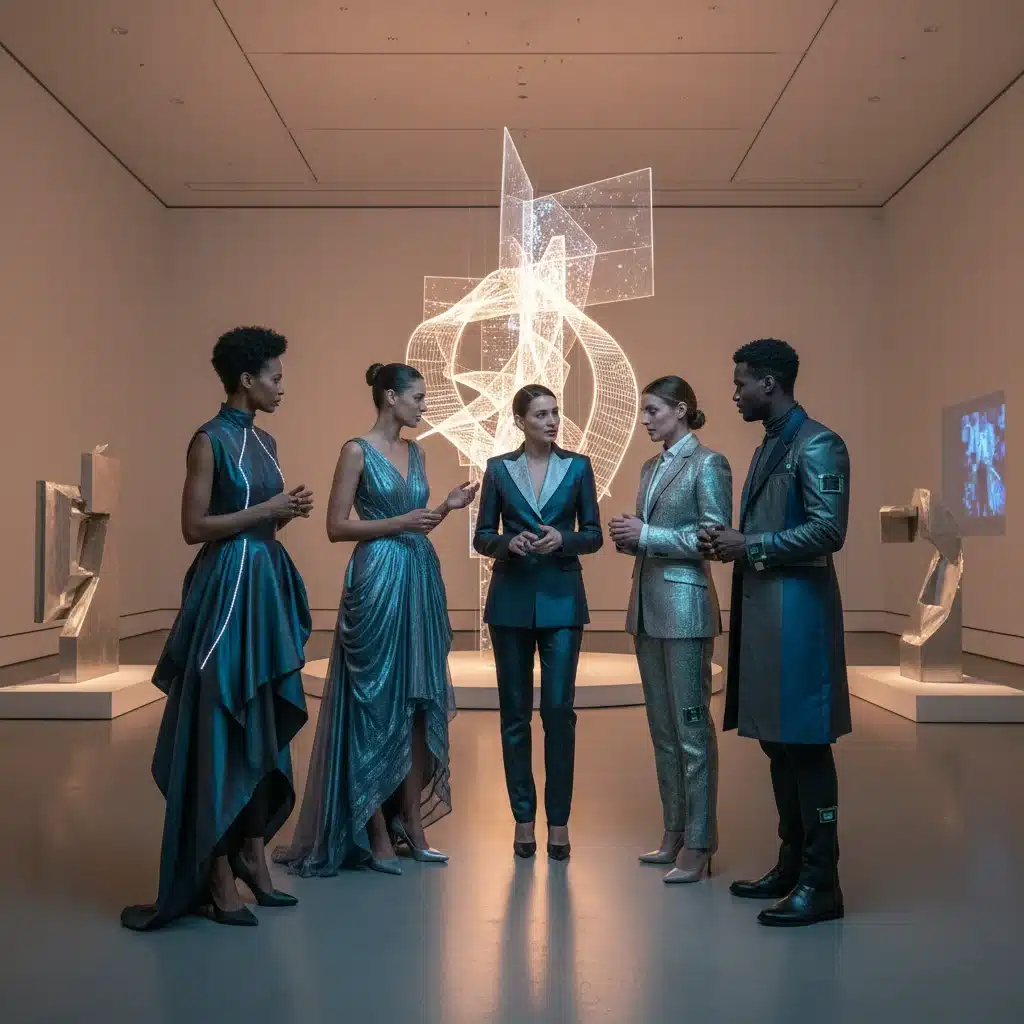
Expert Insights: What 5 Fashion Curators Are Saying About Current Trends in 2026
The world of fashion is a dynamic, ever-evolving landscape, constantly shaped by cultural shifts, technological advancements, and a renewed global consciousness. As we peer into the near future, specifically towards 2026, understanding the trajectory of fashion trends 2026 becomes crucial for designers, consumers, and industry professionals alike. Who better to guide us through this complex terrain than the arbiters of taste and vision themselves: fashion curators? These experts possess a unique vantage point, blending historical knowledge with an acute perception of emerging aesthetics and societal currents. Their insights offer a compelling glimpse into what we can expect to see dominating runways, streets, and digital spaces in the coming years.
In this comprehensive article, we delve into the minds of five distinguished fashion curators, each renowned for their distinctive perspective and profound influence on the industry. We’ll explore their predictions, analyses, and hopes for the future of style, covering everything from sustainable innovation to the impact of digital integration and the redefinition of luxury. Prepare to uncover the nuanced layers of fashion trends 2026 as seen through the eyes of those who shape its narrative.
The Shifting Sands of Style: An Overview of Fashion Trends 2026
Before we introduce our esteemed panel, it’s essential to set the stage. The fashion industry is currently navigating a period of profound transformation. Consumer values are shifting, demanding greater transparency, ethical production, and environmental responsibility. Technology continues to blur the lines between physical and digital experiences, opening new avenues for creativity and consumption. Geopolitical events and global dialogues are also influencing aesthetics, prompting a re-evaluation of identity, comfort, and expression. These macro trends form the backdrop against which our curators offer their specific predictions for fashion trends 2026.
Advertisements
The overarching theme appears to be a move towards conscious consumption and individual expression, moving away from fast fashion’s fleeting cycles. Durability, versatility, and emotional connection to garments are becoming paramount. Furthermore, the concept of ‘luxury’ is being redefined, moving beyond mere opulence to encompass craftsmanship, sustainability, and unique storytelling. The lines between formal and informal wear continue to blur, giving rise to hybrid styles that prioritize comfort without sacrificing elegance. These foundational shifts are critical to understanding the specific insights our curators provide.
Curator 1: Dr. Elara Vance – The Advocate for Sustainable Innovation
Dr. Elara Vance, a leading voice in textile research and sustainable fashion curation, believes that fashion trends 2026 will be overwhelmingly dominated by material science advancements. "We are on the cusp of a true revolution in textiles," she states. "The focus will shift dramatically from natural versus synthetic to genuinely regenerative materials. Think lab-grown leathers, mushroom-based fabrics, and textiles derived from agricultural waste, all produced with minimal environmental footprint." Dr. Vance emphasizes that sustainability will no longer be a niche concern but a fundamental expectation, driving both design and consumer choice.
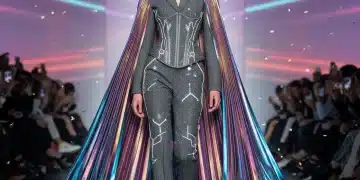
Her curation often highlights designers who are not only incorporating these new materials but also developing closed-loop systems for production and recycling. "The aesthetic of sustainability will evolve," she explains. "It won’t just be about earthy tones and organic textures. We’ll see high-tech, futuristic designs that are also inherently eco-friendly, proving that innovation and responsibility can go hand-in-hand. Expect vibrant colors and unexpected silhouettes crafted from materials you never thought possible." Dr. Vance predicts a surge in ‘upcycled haute couture’, where existing garments are transformed into new, high-value pieces, reducing waste while celebrating craftsmanship. This movement will significantly influence fashion trends 2026, pushing boundaries of what is considered fashionable and responsible.
Curator 2: Marcus Thorne – The Visionary of Digital & Phygital Fashion
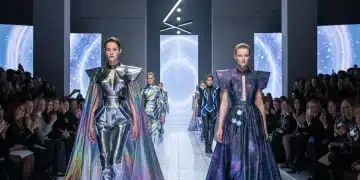
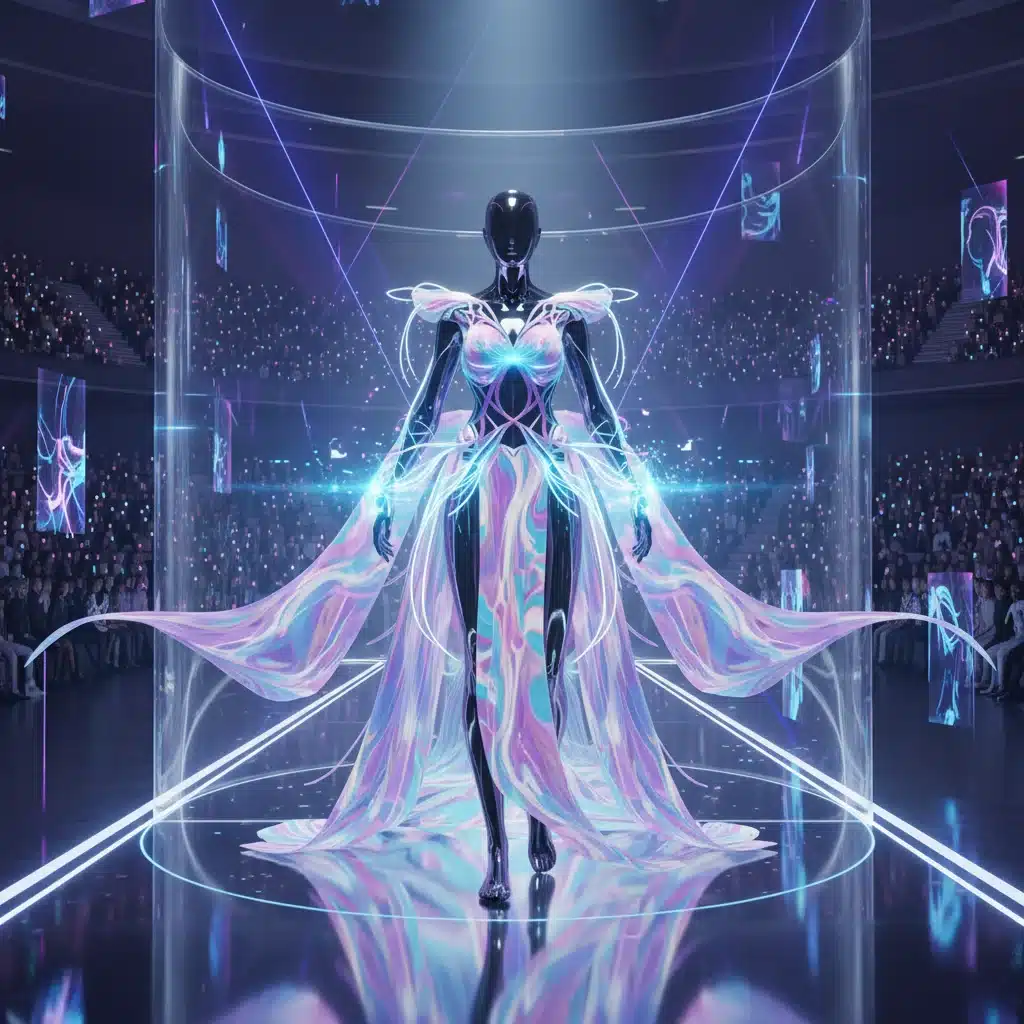
Marcus Thorne, known for his groundbreaking exhibitions on digital fashion and virtual realities, asserts that fashion trends 2026 will be inextricably linked to the metaverse and augmented reality. "Physical and digital fashion will no longer be distinct entities; they will be two sides of the same coin," Thorne predicts. "Consumers will increasingly invest in digital wearables for their avatars, which will in turn influence their physical style. We’ll see more ‘phygital’ collections, where a physical garment comes with a digital twin, offering exclusive content or experiences." He points to the rise of virtual influencers and digital-only fashion houses as harbingers of this future.
Thorne also foresees a significant impact on customization and personalization. "Digital tools allow for an unprecedented level of bespoke design," he notes. "Imagine trying on clothes virtually, customizing every detail, and then having that design physically produced on demand. This hyper-personalization will be a key driver of fashion trends 2026, moving away from mass-produced uniformity towards unique, individual expressions." He believes that gaming aesthetics and fantastical elements will continue to seep into mainstream fashion, bringing playful and imaginative silhouettes to everyday wear. The metaverse will not just be a platform for showing fashion, but a design laboratory and a marketplace for new forms of expression.
Curator 3: Isabella Rossi – The Champion of Artisanal Craft & Heritage
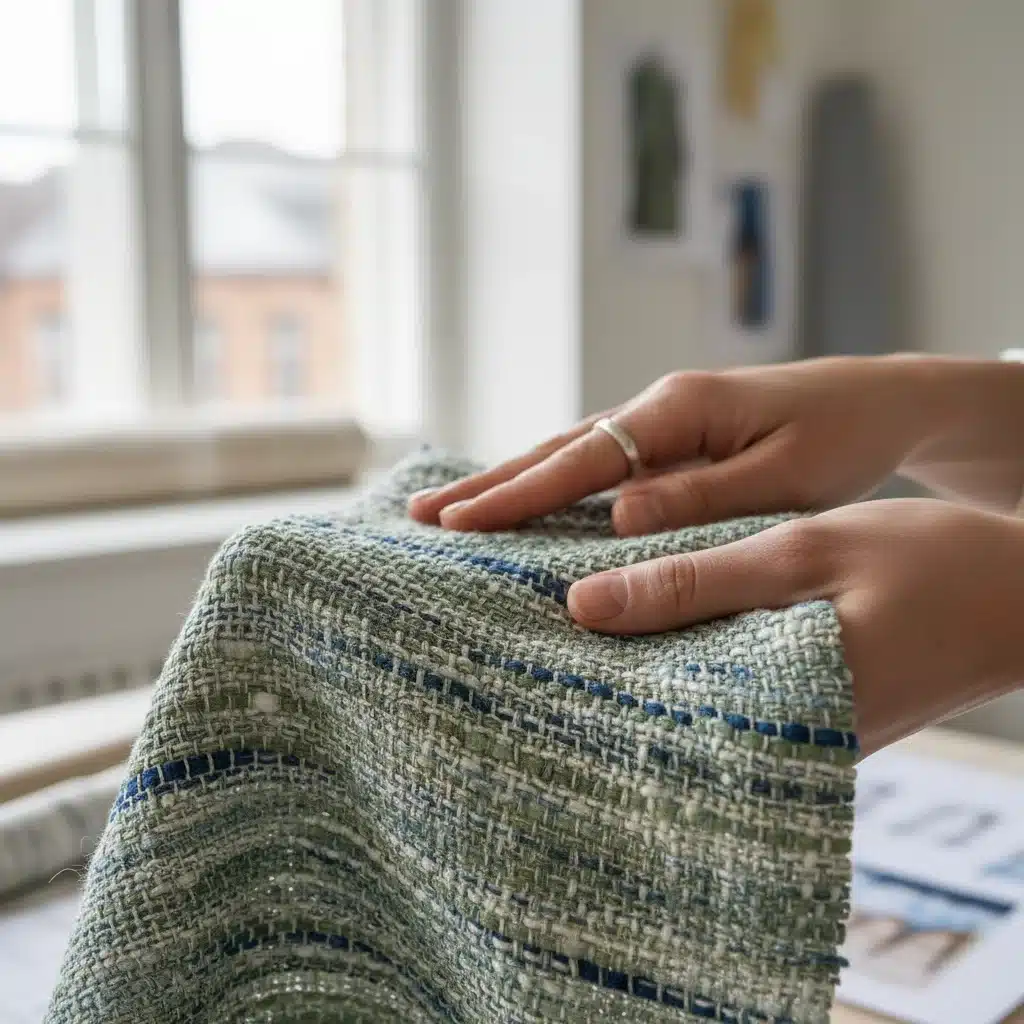
Isabella Rossi, celebrated for her deep understanding of fashion history and artisanal techniques, offers a counterpoint to the tech-heavy predictions. She believes that while innovation is vital, fashion trends 2026 will also see a profound return to craftsmanship, heritage, and the stories behind garments. "In a world increasingly saturated with digital experiences, there will be a longing for the tangible, the handcrafted, and the authentic," Rossi explains. "Consumers will seek out pieces with a soul, items that tell a story of their making, their origin, and the skills involved."
Rossi predicts a resurgence of interest in traditional techniques from around the globe – intricate embroidery, hand-weaving, natural dyeing processes, and bespoke tailoring. "This isn’t about nostalgia for nostalgia’s sake," she clarifies. "It’s about integrating these timeless skills into contemporary design, creating unique, long-lasting pieces that defy fleeting trends. The new luxury will be defined by rarity, meticulous craftsmanship, and ethical sourcing of materials and labor." She emphasizes the importance of supporting local artisans and preserving cultural heritage through fashion, making these elements central to fashion trends 2026. This means investing in quality over quantity, and understanding the true value of a well-made garment.
Curator 4: Kenji Tanaka – The Explorer of Gender Fluidity & Identity
Kenji Tanaka, renowned for his exhibitions that challenge traditional norms and explore the intersection of fashion and identity, believes that fashion trends 2026 will continue to push the boundaries of gender expression. "The concept of ‘gendered clothing’ is rapidly becoming obsolete," Tanaka states. "We will see an acceleration of gender-fluid designs, where garments are created to be worn and interpreted by anyone, regardless of their gender identity. This is not just about unisex clothing; it’s about a complete deconstruction of traditional silhouettes and categories."
Tanaka foresees a greater emphasis on individual self-expression and personal narrative through clothing. "Fashion will become an even more powerful tool for communicating identity, values, and mood. Expect to see designers experimenting with exaggerated volumes, unexpected draping, and a blend of traditionally masculine and feminine elements within single collections. The focus will be on comfort, versatility, and the ability of clothing to adapt to the wearer’s evolving sense of self." He also highlights the growing influence of diverse cultural aesthetics, leading to a richer, more eclectic global style that will significantly impact fashion trends 2026. This shift empowers individuals to dress authentically, free from societal expectations.
Curator 5: Dr. Anya Sharma – The Analyst of Comfort, Utility & Emotional Connection
Dr. Anya Sharma, a cultural anthropologist and fashion curator specializing in consumer behavior, argues that fashion trends 2026 will prioritize comfort, utility, and a deeper emotional connection to clothing. "The pandemic irrevocably altered our relationship with what we wear," Dr. Sharma reflects. "The demand for comfort and functionality has become non-negotiable, but this doesn’t mean sacrificing style. We’re seeing a sophisticated evolution of loungewear, activewear, and workwear into a seamless, hybrid wardrobe."
She predicts a rise in ’emotional durability’ – garments that are not only physically long-lasting but also hold sentimental value, encouraging repair and re-wearing over discarding. "Consumers are seeking pieces that resonate with them on a personal level, items that feel like an extension of their identity and lifestyle. This translates to versatile staples, adaptable designs, and a focus on natural, breathable fabrics that feel good against the skin." Dr. Sharma also points to the growing importance of pockets, adjustable features, and modular designs that allow garments to be transformed for different occasions, making utility a core component of fashion trends 2026. This approach fosters a more mindful and sustainable relationship with our wardrobes, where each item serves a purpose and holds meaning.
Synthesizing the Future: Common Threads in Fashion Trends 2026
While each curator offers a distinct perspective, several common themes emerge when considering fashion trends 2026. The overwhelming consensus points towards a future where fashion is more:
- Conscious: Sustainability, ethical production, and transparency are no longer optional but integral to brand identity and consumer choice. This includes a move towards circular fashion models, where garments are designed for longevity, repair, and eventual recycling. The environmental impact of fashion will be a primary consideration at every stage of the supply chain.
- Personalized: Driven by digital tools and a desire for individual expression, bespoke and customized clothing will become more accessible. This ranges from virtual try-ons and 3D printing to small-batch artisanal production. Consumers will increasingly reject generic styles in favor of pieces that truly reflect their unique identity and values.
- Fluid: Gender norms in clothing will continue to dissolve, leading to more inclusive and versatile designs. Silhouettes will become less restrictive, embracing comfort and adaptability. This fluidity extends to occasion wear, blurring the lines between casual, formal, and active attire, creating wardrobes that are truly adaptable to diverse lifestyles.
- Innovative: Material science, digital design, and manufacturing technologies will revolutionize how clothes are made and experienced. From bio-engineered fabrics to AI-driven design processes, technology will be a powerful enabler for both sustainability and creativity. Smart textiles that adapt to temperature or monitor health could also become more commonplace.
- Meaningful: There will be a renewed appreciation for craftsmanship, heritage, and the stories behind garments. Consumers will seek emotional connections to their clothing, valuing durability, quality, and the human touch. This shift encourages investment in fewer, higher-quality pieces that stand the test of time, both physically and aesthetically.
These intersecting themes paint a vivid picture of a fashion landscape that is simultaneously high-tech and high-touch, globally influenced yet deeply personal. The industry is moving towards a more responsible, creative, and inclusive future, where clothing serves not just as adornment but as a powerful statement of values and identity.
The Role of the Consumer in Shaping Fashion Trends 2026
It’s crucial to remember that fashion trends 2026 are not solely dictated by designers or curators; consumers play an equally powerful role. The rise of social media, direct-to-consumer brands, and a more informed populace means that consumer demand can rapidly shift the industry’s direction. The curators we interviewed all implicitly or explicitly acknowledged this power. Dr. Sharma, in particular, highlighted the "emotional durability" sought by consumers, which directly influences production and design choices. When consumers demand transparency, ethical practices, and longevity, brands are compelled to respond, thereby shaping the emerging trends.
The embrace of secondhand and vintage fashion, the growing popularity of rental services, and the increasing awareness of supply chain ethics are all consumer-driven movements that will undoubtedly influence fashion trends 2026. This active participation from the consumer side fosters a more democratic and responsive fashion ecosystem, where trends are not just imposed but co-created. The individual’s choice to invest in sustainable pieces, support artisanal crafts, or experiment with gender-fluid styles collectively contributes to the broader fashion narrative. Therefore, the future of fashion is a collaborative endeavor, a dialogue between creators and wearers.
Challenges and Opportunities for Fashion Trends 2026
While the outlook for fashion trends 2026 is exciting, it’s not without its challenges. The transition to truly sustainable practices requires significant investment and systemic change across the entire supply chain. Scaling up innovative materials, ensuring fair labor practices globally, and developing effective recycling infrastructure are monumental tasks. Similarly, integrating digital fashion seamlessly into physical experiences presents technical and creative hurdles. However, these challenges also present immense opportunities for innovation, entrepreneurship, and a reimagined industry model.
The opportunity for designers to experiment with new materials and digital tools is unprecedented. For consumers, it’s a chance to build more meaningful, sustainable, and personalized wardrobes. For businesses, it’s an imperative to innovate and adapt, fostering transparency and ethical leadership. The curators’ insights collectively suggest that the brands and designers who embrace these shifts with authenticity and creativity will be the ones that thrive in the evolving landscape of fashion trends 2026 and beyond. The industry is poised for a period of dynamic growth and transformation, driven by both technological prowess and a deep commitment to social and environmental responsibility. This holistic approach will define success in the years to come.
Conclusion: A Vision for Fashion Trends 2026
The collective wisdom of Dr. Elara Vance, Marcus Thorne, Isabella Rossi, Kenji Tanaka, and Dr. Anya Sharma paints a rich, multifaceted picture of fashion trends 2026. Their expert insights converge on a future where sustainability is paramount, digital innovation is integrated, artisanal craftsmanship is revered, gender fluidity is celebrated, and comfort and emotional connection are foundational. This isn’t merely about hemlines or color palettes; it’s about a fundamental redefinition of what fashion means in a rapidly changing world.
As we move towards 2026, expect to see a fashion industry that is more reflective of diverse identities, more responsible in its practices, and more imaginative in its expressions. The garments of the future will tell stories of their origins, adapt to individual needs, and seamlessly bridge the physical and digital realms. This curated vision offers not just a forecast, but a call to action for everyone involved in fashion – to create, consume, and appreciate clothing with greater intention and awareness. The future of style is not just fashionable; it is meaningful, innovative, and deeply human.