Mindful Fashion 2026: 7 US Brands Championing Ethical Production and Style
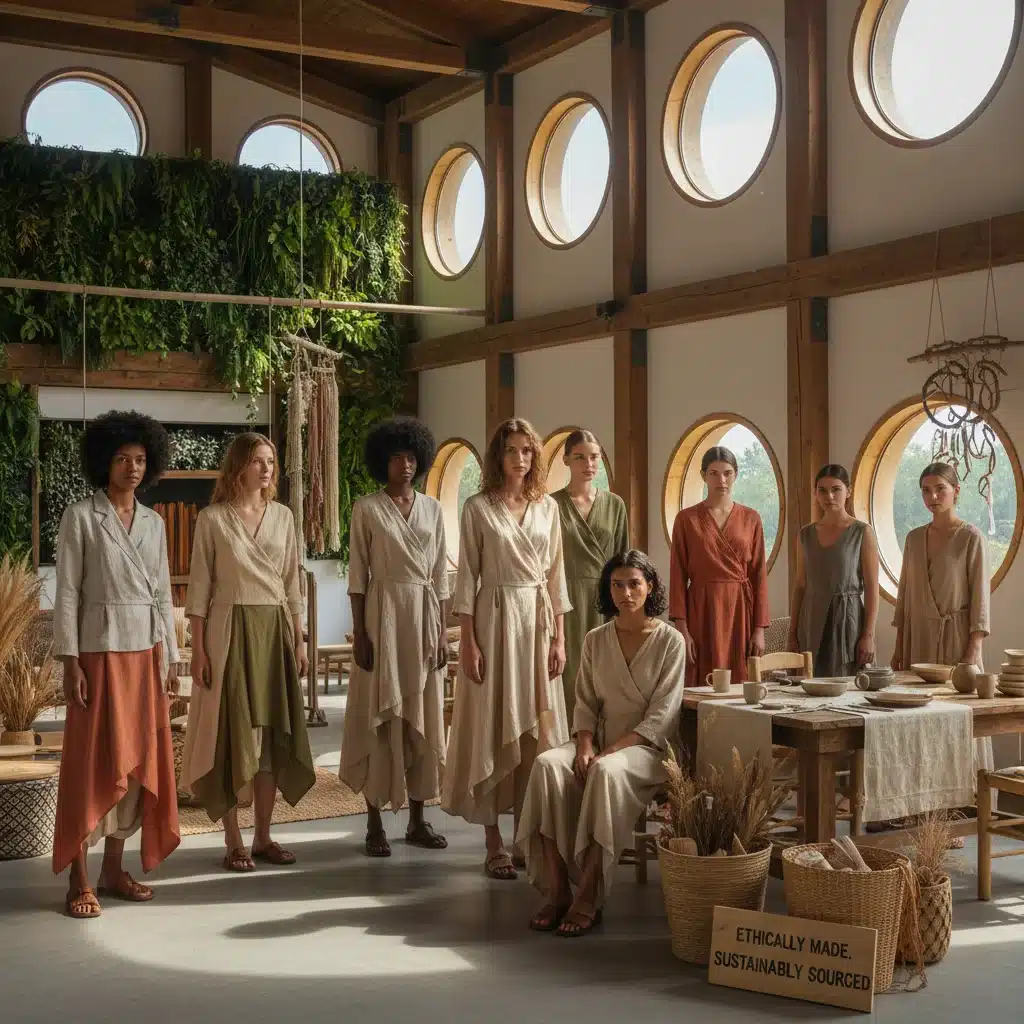
Mindful Fashion for 2026: 7 US Brands Championing Ethical Production and Style
The fashion industry, long criticized for its environmental impact and labor practices, is undergoing a profound transformation. As we look towards 2026, the demand for ethical US fashion is no longer a niche concern but a mainstream expectation. Consumers are increasingly seeking transparency, sustainability, and fair treatment of workers in the brands they support. This shift has given rise to a new generation of American designers and companies dedicated to proving that style and conscience can coexist beautifully. These trailblazers are redefining what it means to be a modern fashion brand, meticulously considering every step of their supply chain, from raw materials to the finished garment.
The journey towards a more sustainable and ethical fashion landscape is complex, involving innovative material science, responsible manufacturing processes, and a commitment to fair wages and safe working conditions. For many years, the allure of fast fashion, with its cheap prices and ever-changing trends, overshadowed the hidden costs borne by the planet and its people. However, the tide has turned. A growing awareness of climate change, social injustice, and the exploitation of garment workers has fueled a movement towards conscious consumerism. This movement is not just about making better choices; it’s about advocating for systemic change within the industry.
In this article, we delve into seven exemplary US brands that are at the forefront of this revolution. These companies are not just producing beautiful clothing; they are building businesses with purpose, challenging conventional norms, and demonstrating that profitability and ethical practices are not mutually exclusive. They embody the spirit of ethical US fashion, offering consumers choices that align with their values without compromising on quality or aesthetics. From pioneering sustainable fabrics to ensuring living wages for their artisans, these brands are setting a new standard for the industry and inspiring others to follow suit. Join us as we explore their unique stories, innovative practices, and the profound impact they are making on the world of fashion.
Advertisements
The Rise of Ethical US Fashion: A Paradigm Shift
The concept of ethical US fashion has evolved significantly over the past decade. What once might have been perceived as a fringe movement is now a powerful force reshaping how clothes are designed, produced, and consumed. This paradigm shift is driven by a confluence of factors, including increased consumer awareness, technological advancements, and a growing understanding of the environmental and social costs associated with traditional fashion manufacturing. Consumers are no longer satisfied with superficial claims; they demand verifiable proof of ethical practices, from certifications to transparent supply chains.
One of the primary drivers of this change is the environmental crisis. The fashion industry is a major polluter, contributing to water scarcity, chemical pollution, and massive textile waste. Ethical brands are tackling these issues head-on by adopting eco-friendly materials such as organic cotton, recycled polyester, hemp, and innovative bio-based fabrics. They are also implementing closed-loop systems, minimizing waste, and reducing their carbon footprint through energy-efficient production methods. This commitment to environmental stewardship is a cornerstone of the ethical US fashion movement.
Beyond environmental concerns, social justice is another critical pillar. The exploitation of garment workers, often in developing countries but also present within domestic supply chains, has been a long-standing issue. Ethical US brands are committed to fair labor practices, which include providing living wages, safe working conditions, and respecting workers’ rights. Many brands choose to manufacture locally, supporting American jobs and ensuring greater oversight of their production facilities. Others partner with certified fair trade factories abroad, guaranteeing that their global supply chain adheres to high ethical standards. This dedication to human dignity is what truly defines ethical US fashion.
Furthermore, the rise of the internet and social media has empowered consumers to research brands more thoroughly and hold them accountable. Information about a brand’s practices, good or bad, can spread rapidly, influencing purchasing decisions. This transparency has forced many companies to re-evaluate their operations and embrace more sustainable and ethical models. The brands highlighted in this article are not just reacting to these pressures; they are proactively building their businesses on these principles, demonstrating leadership and innovation in a rapidly changing industry.
1. Eileen Fisher: Timeless Design, Sustainable Vision
Eileen Fisher has long been a beacon of sustainable and ethical practices within the US fashion industry. Founded in 1984, the brand’s commitment to timeless design, quality materials, and responsible manufacturing predates much of the current sustainability movement. For 2026, Eileen Fisher continues to refine its holistic approach, focusing on circularity, organic fibers, and fair labor. Their garments are designed to be lived in, loved, and ultimately, to be part of a closed-loop system, reducing waste and maximizing resource efficiency.
The brand is renowned for its use of organic cotton, linen, and Tencel Lyocell, all sourced with meticulous attention to environmental impact. They actively invest in regenerative agriculture projects and explore innovative dyeing techniques that minimize water and chemical use. Eileen Fisher’s commitment extends to its employees and supply chain partners, ensuring fair wages and safe working conditions. Their ‘Renew’ program, which takes back worn Eileen Fisher garments for resale or recycling, is a testament to their dedication to circular fashion, making them a true leader in ethical US fashion.
2. Patagonia: More Than Just Outdoor Gear
While primarily known for its outdoor apparel, Patagonia’s influence on ethical US fashion cannot be overstated. Since its inception, Patagonia has been a vocal advocate for environmental protection and responsible business practices. Their mission statement, “We’re in business to save our home planet,” permeates every aspect of their operations. For 2026, Patagonia continues to push boundaries in material innovation, supply chain transparency, and corporate activism.
Patagonia was an early adopter of organic cotton and recycled materials, and they continue to pioneer new sustainable fabrics, including recycled fishing nets and natural rubber. They are also a certified B Corp, meeting rigorous standards of social and environmental performance, accountability, and transparency. Their ‘Worn Wear’ program encourages customers to repair, reuse, and recycle their clothing, further extending product lifecycles and reducing consumption. Patagonia’s unwavering commitment to fair labor practices, often exceeding industry standards, solidifies its position as a global leader in ethical production, inspiring countless other brands within the ethical US fashion landscape.
3. Christy Dawn: Regenerative Agriculture and Vintage Inspiration
Christy Dawn epitomizes the intersection of vintage-inspired aesthetics and deep ecological commitment. This Los Angeles-based brand is a shining example of how fashion can directly contribute to environmental regeneration. For 2026, Christy Dawn is doubling down on its commitment to regenerative agriculture, directly partnering with farmers to grow their own organic cotton in a way that rebuilds soil health and biodiversity, a crucial step for truly sustainable ethical US fashion.
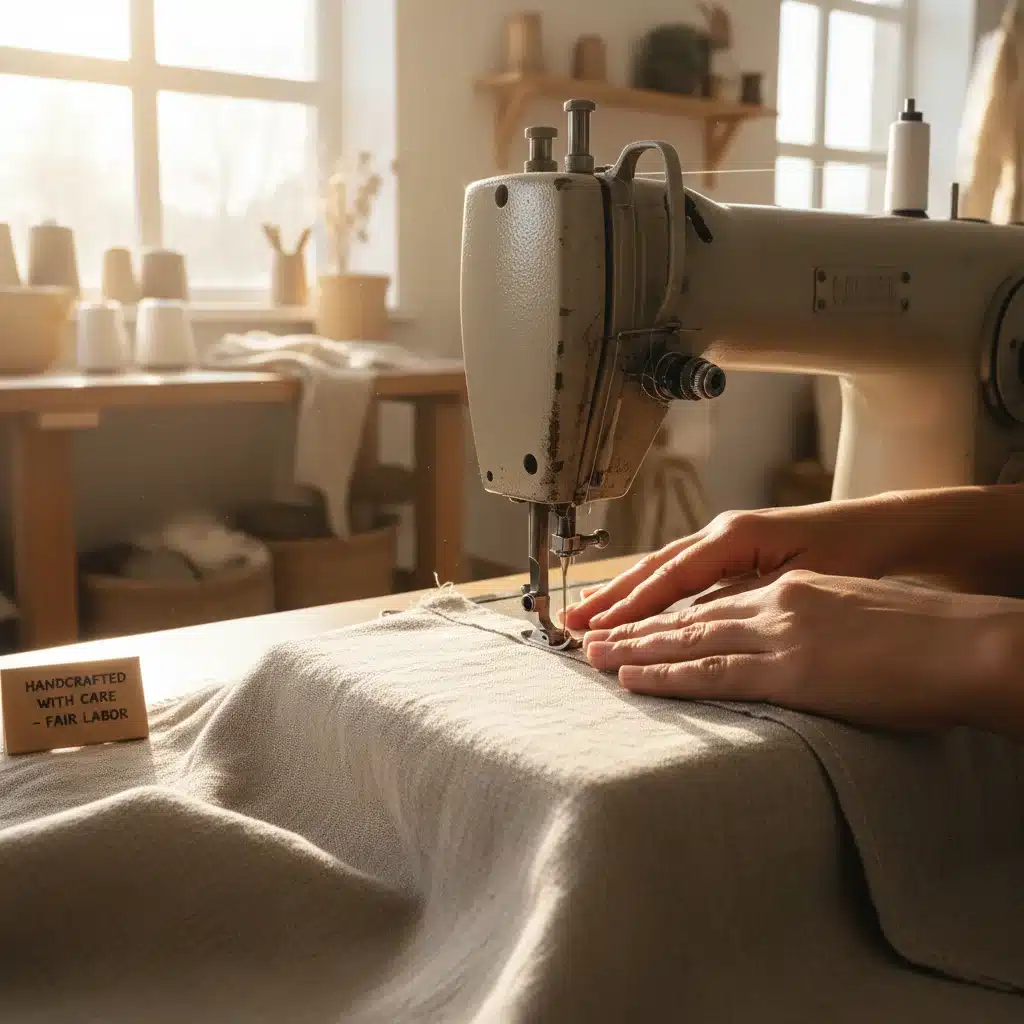
The brand’s philosophy, “Farm-to-Closet,” ensures complete transparency and control over their material sourcing. They work with artisan communities, ensuring fair wages and preserving traditional craftsmanship. Their beautiful, flowing dresses and timeless pieces are often made from deadstock fabrics, preventing textile waste, or from their own regeneratively farmed cotton. Christy Dawn’s dedication to both people and the planet makes them a standout in the ethical US fashion movement, offering a model for how fashion can heal rather than harm.
4. Nudie Jeans: Denim with a Conscience
While technically a Swedish brand, Nudie Jeans has a significant presence and influence in the US market, setting a high bar for ethical denim production that resonates deeply within the ethical US fashion community. Nudie Jeans is celebrated for its unwavering commitment to 100% organic cotton and its pioneering repair and reuse initiatives. For 2026, they continue to lead the way in sustainable denim, proving that durable, stylish jeans can be produced without environmental and social compromise.
Every pair of Nudie Jeans is made from organic cotton, certified by organizations like GOTS (Global Organic Textile Standard). They are also deeply committed to fair labor, ensuring safe working conditions and fair wages throughout their supply chain. What truly sets Nudie Jeans apart is their free repair service for life, encouraging customers to extend the lifespan of their jeans rather than buying new ones. This commitment to longevity and circularity, coupled with their transparent production, makes them an indispensable part of the conversation around ethical US fashion, even as an international player with a strong US footprint.
5. Pact: Affordable Organic Basics
Pact has made ethical US fashion accessible to a broader audience by offering organic, fair trade basics at an affordable price point. From everyday essentials like underwear and t-shirts to comfortable activewear and bedding, Pact proves that sustainable living doesn’t have to break the bank. For 2026, Pact continues to expand its range of certified organic and Fair Trade Certified™ products, making conscious consumerism easier for everyone.
Their entire clothing line is made from GOTS-certified organic cotton, which uses significantly less water and avoids harmful pesticides compared to conventional cotton. Furthermore, Pact is Fair Trade Certified™, meaning their factories adhere to strict social and environmental standards, ensuring fair wages, safe working conditions, and community development funds for workers. By focusing on essential items and maintaining transparent practices, Pact is a crucial player in democratizing ethical US fashion, demonstrating that ethical choices can be a part of everyday life.
6. Outerknown: Surfer Style, Sustainable Soul
Co-founded by surfing legend Kelly Slater, Outerknown embodies a laid-back, surf-inspired aesthetic with an unyielding commitment to sustainability. This brand is a prime example of how lifestyle and environmental responsibility can merge seamlessly within ethical US fashion. For 2026, Outerknown continues to innovate with recycled materials, organic fibers, and fair labor practices, crafting durable and stylish clothing for an active lifestyle.
Outerknown is meticulous about its material choices, utilizing organic cotton, hemp, recycled fishing nets (ECONYL®), and recycled polyester. They are also Fair Labor Association (FLA) accredited, ensuring rigorous standards for worker well-being across their supply chain. The brand’s dedication to transparency is evident in their detailed reporting and their commitment to working only with suppliers who share their values. From their iconic S.E.A. Jeans, which are guaranteed for life, to their comfortable casual wear, Outerknown is a testament to how ethical US fashion can be both cool and conscientious.
7. Amour Vert: French Chic, Californian Conscience
Amour Vert, meaning “green love” in French, perfectly encapsulates the brand’s philosophy: a harmonious blend of chic, effortless style and deep environmental responsibility. Based in California, Amour Vert is a pioneer in sustainable manufacturing and material innovation within the ethical US fashion landscape. For 2026, they continue to offer sophisticated, versatile pieces made with the lowest possible environmental impact.
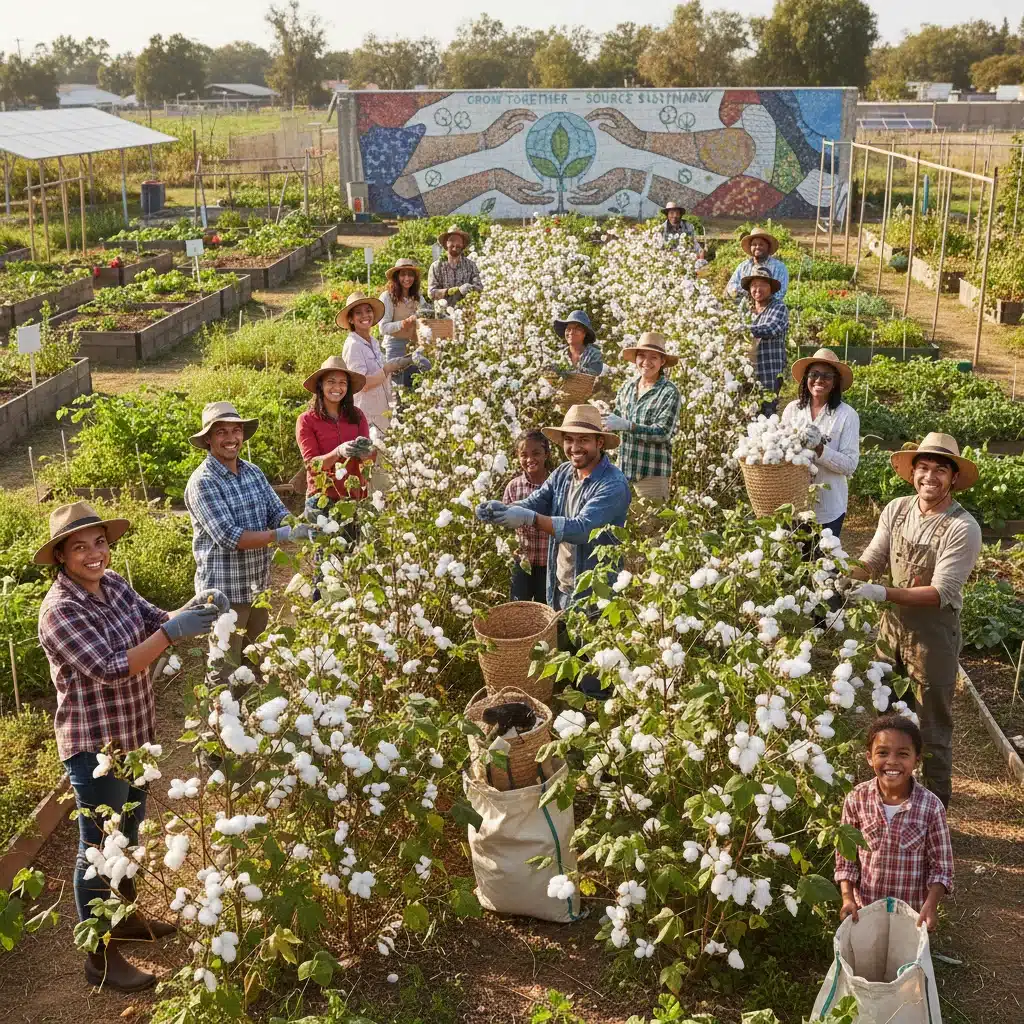
A significant portion of Amour Vert’s collection is made in the USA, reducing their carbon footprint and supporting local economies. They prioritize sustainable fabrics such as Tencel Modal, organic cotton, and certified silk, avoiding harmful chemicals and excessive water use. Their “Buy a Tee, Plant a Tree” program, in partnership with American Forests, has led to the planting of hundreds of thousands of trees, directly contributing to reforestation efforts. Amour Vert’s commitment to ethical production, combined with their elegant designs, makes them a leading voice in the movement for truly sustainable and ethical US fashion.
The Future of Ethical US Fashion: Challenges and Opportunities
While the growth of ethical US fashion is encouraging, the industry still faces significant challenges. Scaling sustainable practices, educating consumers, and competing with the low prices of fast fashion remain ongoing hurdles. However, these challenges also present immense opportunities for innovation and growth. As technology advances, new sustainable materials and production methods are constantly emerging, offering even more eco-friendly alternatives.
Consumer education is paramount. The more informed consumers become about the true cost of their clothing, the more likely they are to demand and support ethical brands. This shift in consumer behavior will continue to drive market demand for transparent and responsible fashion. Furthermore, policy and regulatory changes can play a crucial role in leveling the playing field, incentivizing sustainable practices, and holding brands accountable for their environmental and social impact.
The brands highlighted here are not just selling clothes; they are selling a vision for a better future. They demonstrate that it is possible to create beautiful, high-quality garments while respecting both people and the planet. Their success is a powerful testament to the fact that ethical business is good business, and that consumers are willing to invest in brands that align with their values. As we move further into the 2020s, the influence of these pioneering companies will undoubtedly continue to grow, inspiring a broader adoption of ethical practices across the entire fashion industry.
Making Mindful Choices: How You Can Support Ethical US Fashion
Supporting ethical US fashion doesn’t require a complete overhaul of your wardrobe overnight. It’s a journey of conscious choices and incremental changes. Here are a few ways you can contribute to this positive movement:
- Research Before You Buy: Take the time to learn about a brand’s practices. Look for certifications like GOTS, Fair Trade Certified™, and B Corp. Many ethical brands proudly display their sustainability reports and supply chain information on their websites.
- Invest in Quality Over Quantity: Embrace the slow fashion philosophy. Instead of buying numerous cheap items, invest in fewer, higher-quality pieces that are designed to last. This reduces waste and often supports brands with better ethical standards.
- Read Labels Carefully: Pay attention to material composition. Opt for organic, recycled, or innovative sustainable fabrics whenever possible. Avoid synthetic materials that contribute to microplastic pollution.
- Support Local and Made in USA: Choosing brands that manufacture locally often means better labor oversight and a reduced carbon footprint from transportation. The brands listed above are excellent examples of this.
- Repair, Reuse, Recycle: Extend the life of your clothes by repairing them, swapping with friends, or donating them to organizations that will give them a second life. Explore brands with take-back or repair programs.
- Advocate for Change: Use your voice! Share information about ethical brands on social media, engage in discussions, and encourage friends and family to make more conscious fashion choices.
By making these mindful choices, you become an active participant in shaping a more sustainable and equitable fashion industry. Every purchase is a vote for the kind of world you want to live in, and by choosing ethical US fashion, you’re voting for a future where style and responsibility go hand in hand.
Conclusion: A Brighter Future for Fashion
The landscape of fashion is undeniably shifting, and the momentum towards ethical US fashion is stronger than ever. The seven brands we’ve highlighted – Eileen Fisher, Patagonia, Christy Dawn, Nudie Jeans (with strong US market influence), Pact, Outerknown, and Amour Vert – represent the vanguard of this movement. They are not just creating beautiful clothes; they are building a better industry, one stitch, one fiber, and one fair wage at a time.
Their commitment to sustainability, transparency, and social responsibility serves as an inspiration and a blueprint for the entire sector. As consumers become more discerning and demand greater accountability, these pioneering brands will continue to thrive and lead the way. The future of fashion in 2026 and beyond is not just about what we wear, but how it’s made, who makes it, and the impact it has on our planet. By supporting these and similar brands, we can collectively contribute to a fashion industry that is truly mindful, equitable, and sustainable for generations to come. The choice is clear: embrace ethical US fashion and be a part of the positive change.