Unlocking Your Personal Color Palette: A 3-Step Guide to Enhancing Your American Style for 2026

Have you ever wondered why some colors make you feel vibrant and alive, while others seem to drain your energy or make you look washed out? The secret often lies in understanding your personal color palette. For fashion-conscious Americans looking to refine their style in 2026, discovering your unique color profile is not just a trend; it’s a foundational step towards building a truly flattering and cohesive wardrobe. This comprehensive guide will walk you through a simple yet effective 3-step process to unlock your personal color palette, ensuring your American style is always on point, confident, and authentically you.
In a world saturated with fleeting fashion trends, investing time in understanding your personal colors offers enduring benefits. It streamlines your shopping, reduces impulse buys, and ensures every piece in your wardrobe works harmoniously together. Imagine opening your closet and knowing that every single item makes you look and feel your best. That’s the power of your personal color palette.
This article will delve into the nuances of color analysis, debunk common myths, and provide actionable advice tailored for the modern American lifestyle. We’ll explore how to identify your skin undertone, determine your seasonal color type, and finally, build a wardrobe that reflects your best colors. Get ready to transform your approach to fashion and step into 2026 with unparalleled confidence and style.
Advertisements
The Foundation: What is a Personal Color Palette?
Before we dive into the ‘how-to,’ let’s clarify what a personal color palette actually is. Simply put, it’s a curated collection of colors that naturally enhance your unique features – your skin tone, hair color, and eye color. When you wear colors from your personal palette, they harmonize with your natural coloring, making your skin look clearer, your eyes brighter, and your overall appearance more radiant and youthful.
Beyond Just ‘Warm’ or ‘Cool’: The Nuance of Your Natural Hues
Many people simplify color analysis to just warm or cool tones, but it’s far more intricate and rewarding. While identifying your undertone is crucial, a full personal color palette also considers the depth (light vs. dark) and clarity (bright vs. muted) of your natural features. These elements combine to place you within a broader seasonal category, such as Spring, Summer, Autumn, or Winter, each with its own distinct range of flattering colors.
Why Your Personal Color Palette Matters for American Style 2026
The American fashion landscape is diverse, embracing everything from casual chic to sophisticated urban wear. Knowing your personal color palette allows you to navigate these trends with confidence, adapting them to suit your individual needs rather than being dictated by them. For 2026, where individuality and sustainability are key, a well-defined color palette supports conscious consumerism by ensuring every purchase is a wise investment in your personal brand.
Step 1: Uncover Your Skin Undertone – The Bedrock of Your Palette
The first and most critical step in discovering your personal color palette is to accurately identify your skin’s undertone. This isn’t about the surface color of your skin (which can change with sun exposure) but rather the subtle hue beneath the surface. Your undertone remains constant, regardless of whether you’re tanned or pale.
The Vein Test: A Quick and Easy Indicator
One of the most popular and straightforward methods is the vein test. In natural light, examine the veins on the inside of your wrist:
- Blue or Purple Veins: You likely have a cool undertone. Your skin probably has pink, red, or bluish hues.
- Green or Olive Veins: You likely have a warm undertone. Your skin probably has yellow, golden, or peachy hues.
- A Mix of Both, or Undecided: You might have a neutral undertone. Your skin often has a balance of warm and cool tones, or it can be difficult to discern one dominant undertone.
The Jewelry Test: Gold vs. Silver
Another excellent way to confirm your undertone is with the jewelry test. Hold both gold and silver jewelry up to your skin (without makeup) in natural light:
- Silver Looks Best: If silver jewelry brightens your skin and makes you look more vibrant, you likely have a cool undertone.
- Gold Looks Best: If gold jewelry enhances your skin and gives you a healthy glow, you likely have a warm undertone.
- Both Look Good: If both silver and gold complement your skin equally, you probably have a neutral undertone.
The White Paper Test: A Simple Comparison
Stand in front of a mirror in natural light, holding a pure white piece of paper next to your bare face. Observe how your skin appears against the white:
- Pink/Blue Tint: Suggests a cool undertone.
- Yellow/Green/Peachy Tint: Suggests a warm undertone.
- Gray/Ashen Tint: Can indicate an olive undertone, which is a type of neutral-cool or neutral-warm, often leaning towards cool.
Why is Undertone So Important for Your Personal Color Palette?
Your undertone dictates the fundamental temperature of colors that will flatter you most. Cool undertones thrive in cool-toned colors (blues, purples, emerald greens), while warm undertones shine in warm-toned colors (oranges, yellows, olive greens, rich browns). Neutral undertones have the flexibility to wear a wider range of both warm and cool colors, often looking best in muted or balanced shades.
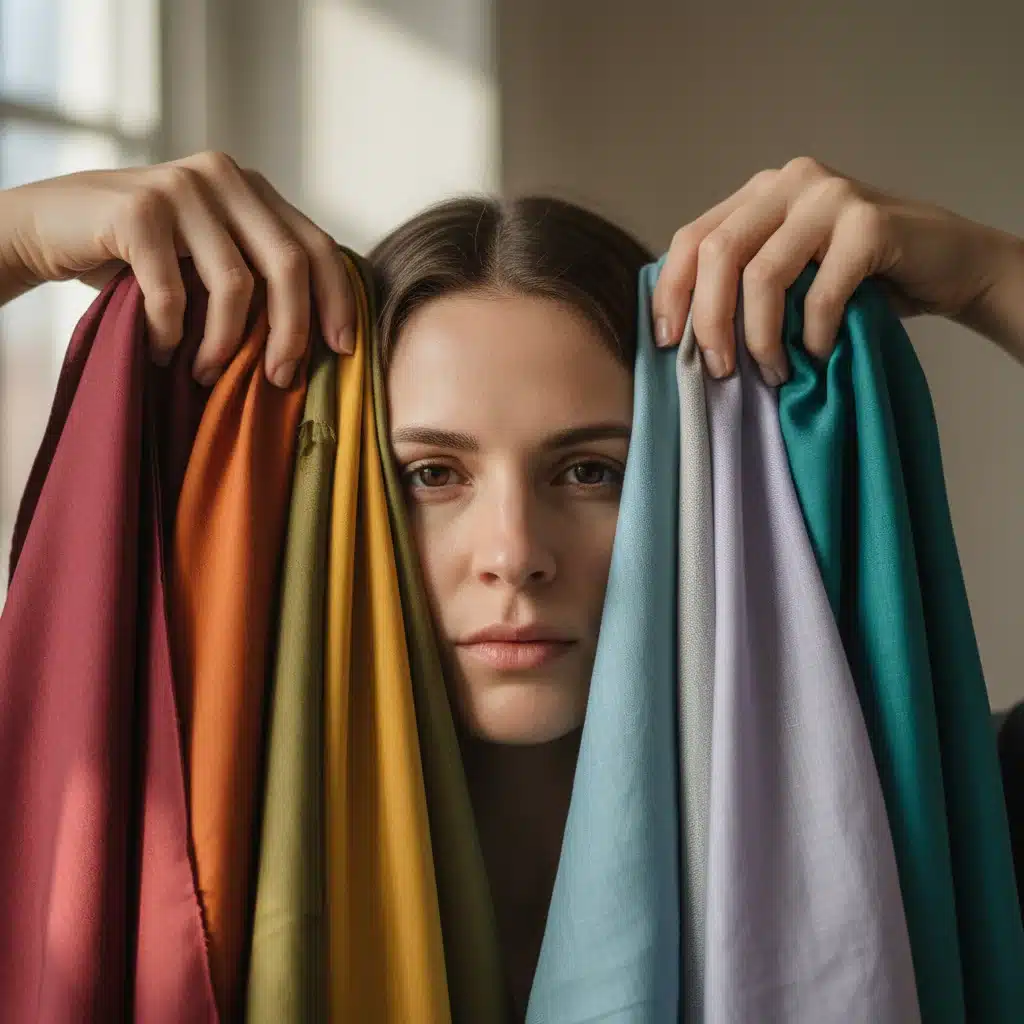
Step 2: Determine Your Seasonal Color Type – Expanding Your Personal Color Palette
Once you’ve identified your undertone, the next step is to pinpoint your seasonal color type. This takes into account not just your undertone, but also the depth (how light or dark) and clarity (how bright or muted) of your hair, eyes, and skin. There are four main seasonal categories: Spring, Summer, Autumn, and Winter, each with its own distinct characteristics and corresponding color palette.
The Four Main Seasonal Palettes
1. Spring (Warm & Light/Bright)
- Characteristics: Warm undertone, light hair (blonde, light brown, strawberry blonde), light eyes (blue, green, hazel), often with a peachy or golden skin tone.
- Best Colors: Warm, light, and clear colors. Think vibrant corals, peach, light greens, warm yellows, aqua, light true blues, and camel.
- Avoid: Heavy, dark, or extremely cool colors that can overwhelm their delicate features.
2. Summer (Cool & Light/Muted)
- Characteristics: Cool undertone, often ash blonde or light to medium brown hair, blue, grey, or soft green eyes, and fair skin with a pink or rosy hue.
- Best Colors: Cool, muted, and soft colors. Think dusty rose, periwinkle, lavender, soft blues, cool greens, charcoal, and taupe.
- Avoid: Very warm, bright, or dark colors that can appear harsh against their soft features.
3. Autumn (Warm & Deep/Muted)
- Characteristics: Warm undertone, rich hair colors (red, auburn, golden brown, dark brown), warm eye colors (brown, hazel, olive green), and skin with a golden, bronze, or ivory undertone.
- Best Colors: Warm, deep, and rich, earthy colors. Think olive green, rust, terracotta, mustard yellow, deep teal, chocolate brown, and burnt orange.
- Avoid: Bright, cool, or pastel colors that can look jarring or dull against their rich coloring.
4. Winter (Cool & Deep/Bright)
- Characteristics: Cool undertone, often dark hair (black, dark brown, ash brown, platinum blonde), striking eye colors (deep blue, black-brown, emerald green), and skin that can be very fair, olive, or dark with cool undertones.
- Best Colors: Cool, clear, and intense colors. Think true red, royal blue, emerald green, fuchsia, pure white, black, and icy pastels.
- Avoid: Muted, warm, or muddy colors that can make them appear sallow or less vibrant.
Sub-Seasons: A Deeper Dive into Your Personal Color Palette
For even greater precision, color analysis often includes sub-seasons (e.g., True Spring, Light Spring, Warm Spring). While this guide focuses on the main four, understanding your primary season provides a robust framework for your personal color palette. If you feel you don’t fit perfectly into one main category, you might explore sub-seasonal analysis for a more nuanced understanding.
How to Determine Your Seasonal Type
This step often benefits from professional guidance, but you can get a good estimate by observing how different colors react to your face. Drape fabrics or hold clothing items in various colors (representing each season) up to your face in natural light. Pay attention to how your skin, eyes, and hair look. Do they brighten? Do dark circles appear? Does your skin look sallow or vibrant?
- Self-Assessment: Use mirrors, good lighting, and perhaps a friend’s objective eye. Focus on how your skin reacts to the colors.
- Online Resources: Many websites offer quizzes and visual guides to help you narrow down your season.
- Professional Analysis: For the most accurate and personalized results, consider consulting a certified color analyst. They use specialized drapes and expertise to precisely identify your seasonal type and create a detailed personal color palette.
Step 3: Building Your Wardrobe with Your Personal Color Palette for 2026
Once you’ve identified your personal color palette, the real fun begins: integrating it into your wardrobe and enhancing your American style for 2026. This isn’t about throwing out everything you own, but rather strategically building a cohesive and flattering collection of clothes and accessories.
Start with Your Core Neutrals
Every personal color palette has its own set of flattering neutrals. These are the foundational colors for your wardrobe and should be chosen carefully based on your season:
- Cool Seasons (Summer, Winter): Black, true white, charcoal grey, navy blue, taupe, cool beige.
- Warm Seasons (Spring, Autumn): Cream, ivory, camel, olive green, warm brown, warm grey.
These neutrals will form the backbone of your closet, making it easy to mix and match pieces.
Integrate Your Accent Colors
Accent colors are the vibrant, expressive shades within your personal color palette that bring life and personality to your outfits. These are the blues, greens, reds, and purples that truly make you shine. Incorporate them through blouses, dresses, skirts, jackets, and accessories.
Strategic Shopping: Your Personal Color Palette as Your Guide
Shopping becomes infinitely easier and more efficient when you know your colors. Before making a purchase, ask yourself:
- Does this color flatter my skin tone, hair, and eyes?
- Does it belong to my personal color palette?
- Does it harmonize with the other items in my wardrobe that are also in my palette?
This approach helps prevent impulse buys and ensures every new addition contributes positively to your overall style.
Accessorize with Confidence
Accessories are powerful tools for incorporating your personal color palette, especially if you’re not ready to overhaul your entire clothing collection. Scarves, jewelry, handbags, shoes, and even makeup can introduce your best colors close to your face, where they have the most impact. For example, a Winter type can instantly brighten a neutral outfit with a pop of fuchsia lipstick or a royal blue scarf.
Makeup and Hair Color Considerations
Your personal color palette extends beyond clothing. Consider how your makeup choices and even your hair color can be optimized:
- Makeup: Foundation and concealer should always match your undertone. Eyeshadows, blushes, and lipsticks in your palette will enhance your features naturally.
- Hair Color: If you color your hair, ensure the shade complements your seasonal type. A cool-toned Winter, for instance, would look best with ashier browns or platinum blondes, not golden highlights that belong to warm seasons.

Beyond the Basics: Advanced Tips for Your Personal Color Palette
Mixing Metals and Textures
While your personal color palette guides your color choices, don’t forget the importance of texture and mixing metals. Cool seasons generally look best in silver, platinum, and white gold, while warm seasons shine in yellow gold, copper, and bronze. Neutral types have the flexibility to wear both, and even mix them. Incorporating different textures (silk, wool, linen, leather) adds depth and interest to monochromatic outfits within your palette.
Understanding Contrast Levels
Your natural contrast level (the difference between your hair, skin, and eye colors) also plays a role in how you wear your personal color palette. High contrast individuals (like Winters with dark hair and fair skin) can effortlessly pull off bold color blocking. Low contrast individuals (like Summers with soft hair and skin tones) often look best in softer, more blended color combinations.
Seasonal Adaptations for American Fashion 2026
Even within your fixed personal color palette, you can adapt for seasonal trends. For example, if pastels are trending in Spring 2026, a Summer type can embrace muted lavenders and soft blues, while a Spring type can opt for vibrant corals and light aquas. The key is to interpret trends through the lens of your personal colors.
Building a Capsule Wardrobe with Your Personal Color Palette
A capsule wardrobe, built around your personal color palette, is the ultimate in efficiency and style. By focusing on versatile pieces in your best colors, you create a collection where everything mixes and matches effortlessly, maximizing your outfit options with fewer items. This approach aligns perfectly with sustainable fashion practices and the desire for a simplified yet elegant American style in 2026.
Common Misconceptions About Personal Color Palettes
Myth 1: You Can Only Wear Colors from Your Palette
Reality: While your personal color palette highlights your most flattering shades, it doesn’t mean you can never wear other colors. The trick is to wear ‘unflattering’ colors away from your face (e.g., in skirts, pants, shoes) or to pair them with a scarf or top in one of your best colors to soften the effect near your face.
Myth 2: Color Analysis is Restrictive
Reality: Quite the opposite! Discovering your personal color palette is liberating. It provides a framework that simplifies decision-making, boosts confidence, and helps you make smarter fashion choices. It narrows down the overwhelming options, allowing your creativity to flourish within a flattering spectrum.
Myth 3: Your Palette Changes Over Time
Reality: Your skin undertone, the core of your palette, is genetic and doesn’t change. While your hair might grey or your skin might lose some vibrancy with age, your fundamental seasonal type remains the same. You might simply need to adjust the intensity or depth of the colors you wear (e.g., a Winter might shift from harsh black to charcoal grey as they age, but still within the cool, clear family).
The Enduring Impact of Your Personal Color Palette on American Style
As we look towards 2026, the emphasis in American fashion continues to shift towards authenticity, sustainability, and personal expression. Understanding your personal color palette is an invaluable tool for navigating this evolving landscape. It empowers you to make intentional choices, express your unique personality, and curate a wardrobe that not only looks good but also feels right.
Beyond the aesthetic benefits, wearing colors that truly flatter you can have a profound psychological impact. It boosts your self-esteem, enhances your presence, and projects an image of confidence and competence. In professional settings, a well-chosen color can make you appear more approachable or authoritative. In social situations, it ensures you stand out for all the right reasons.
Embracing your personal color palette is a journey of self-discovery. It’s about celebrating your natural beauty and learning to harness the power of color to tell your unique story. So, take these three steps, experiment with confidence, and prepare to unveil the most radiant, stylish version of yourself for 2026 and every year that follows.
Final Thoughts on Your American Style Evolution
Remember, fashion is an art form, and your body is the canvas. Your personal color palette provides the perfect set of paints. By understanding and utilizing it, you’re not just following rules; you’re mastering a skill that will serve you throughout your life. It’s an investment in yourself, your confidence, and your enduring American style.
Whether you’re a bustling city professional, a creative artist, or a relaxed suburbanite, your personal colors will guide you in creating outfits that feel authentic and look effortlessly chic. Step into 2026 with a newfound understanding of what truly makes you shine, and let your personal color palette be your ultimate style secret weapon.