The 2026 Home Oasis: 4 Design Elements Transforming US Residences into Retreats
In an increasingly fast-paced world, the concept of home is rapidly evolving beyond mere shelter. By 2026, US residences are poised to transform into true sanctuaries – personal ‘home oases’ designed to foster peace, well-being, and a deep connection with nature and technology. This shift is driven by a collective desire for spaces that not only function efficiently but also actively contribute to our mental and physical health. The future of home design is less about ostentation and more about creating environments that soothe the soul, stimulate the mind, and sustain the planet. This comprehensive exploration delves into four pivotal design elements that are at the forefront of this transformative trend, shaping the very essence of the modern American home.
The quest for a home oasis is not a fleeting fad; it’s a fundamental re-evaluation of what we expect from our living spaces. As external pressures mount, our homes become our last bastion of calm, demanding design solutions that address stress, promote mindfulness, and facilitate rejuvenation. From the integration of natural elements that blur the lines between indoors and out, to intelligent systems that anticipate our needs and minimize our environmental footprint, the homes of 2026 will be meticulously crafted havens. They will be places where every detail, from the air we breathe to the light that illuminates our rooms, is optimized for human flourishing. Understanding these emerging trends is crucial for homeowners, designers, and developers alike, as they collectively work towards building the serene, sustainable, and smart homes of tomorrow.
1. Biophilic Design: Bringing Nature Indoors for a Home Oasis
Biophilic design is perhaps the most profound and aesthetically pleasing element in the creation of a home oasis. It’s an architectural and interior design approach that seeks to connect building occupants with nature, drawing on humanity’s innate attraction to life and living systems. In a world where urban living often distances us from the natural environment, biophilic design intentionally integrates natural elements and processes into the built environment. By 2026, this won’t just be an aesthetic choice; it will be a cornerstone of healthy living spaces, making every home feel like a personal retreat.
Advertisements
The benefits of biophilic design are well-documented, ranging from reduced stress and improved cognitive function to enhanced creativity and overall well-being. For a home oasis, this translates into a tangible sense of calm and revitalization. Imagine waking up to the soft glow of natural light filtered through a strategically placed indoor tree, or working in a home office that overlooks a vibrant vertical garden. These aren’t just decorative additions; they are integral components of a design philosophy that prioritizes human connection to the natural world.
Key Aspects of Biophilic Integration:
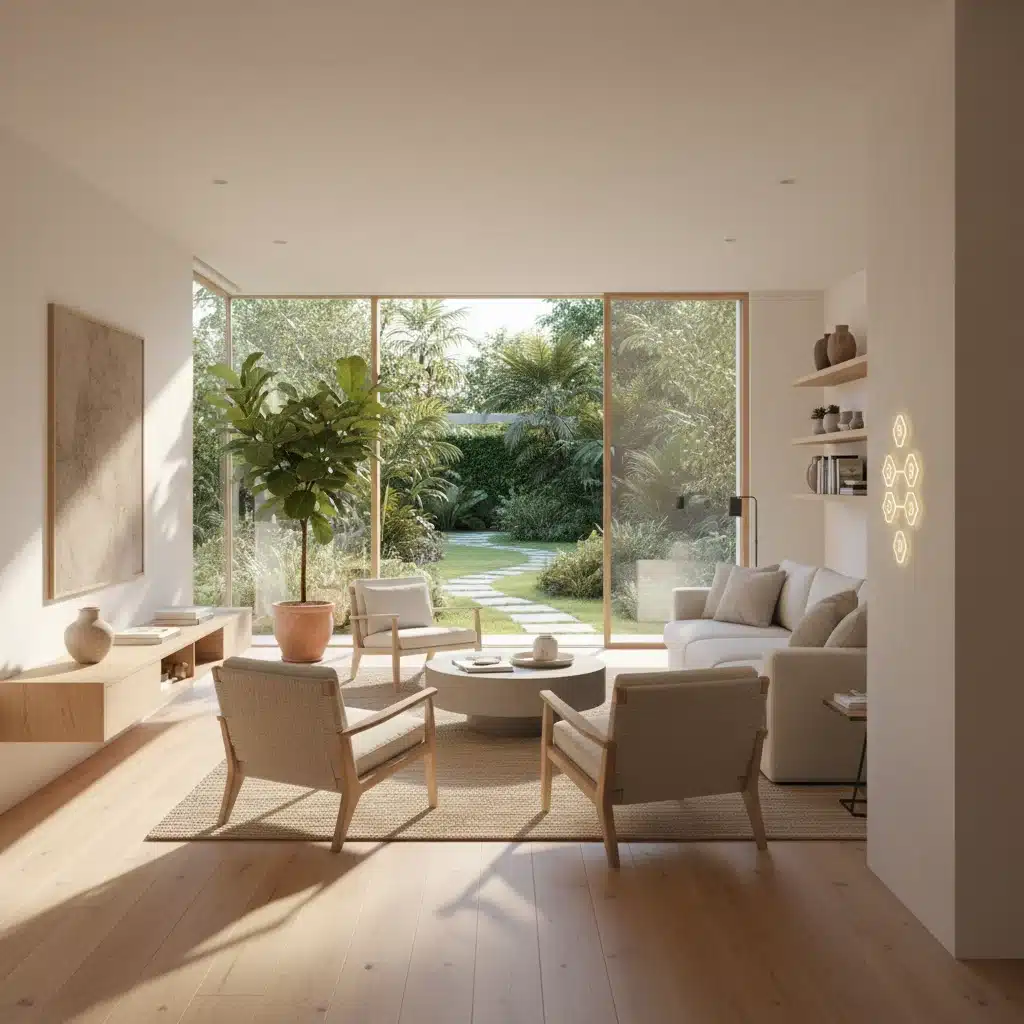
- Direct Nature Connection: This involves incorporating actual natural elements into the home. Think expansive windows that frame picturesque outdoor views, allowing residents to feel immersed in nature even when indoors. Courtyards, interior gardens, and living walls filled with lush foliage are becoming increasingly popular. Water features, such as indoor fountains or small ponds, add a soothing auditory element, mimicking the sounds of a natural spring. Even the simple act of placing numerous potted plants throughout the home, from large statement pieces to smaller tabletop varieties, contributes significantly to this direct connection. The goal is to create a seamless transition between the interior and exterior, blurring the boundaries and inviting the outside in.
- Indirect Nature Connection: When direct access to nature is limited, designers turn to indirect methods to evoke the natural world. This includes using natural materials like wood, stone, cork, and bamboo in their raw or minimally processed forms. These materials bring organic textures and patterns into the living space, creating a sense of authenticity and warmth. Colors inspired by nature – earthy greens, calming blues, and warm browns – are used extensively on walls, furniture, and textiles. Patterns and motifs found in nature, such as leaf patterns, wood grain, or geological formations, are incorporated into fabrics, wallpapers, and art. The strategic use of natural light, maximizing daylight penetration and minimizing harsh artificial lighting, is also crucial. Lighting design in a biophilic home often mimics natural circadian rhythms, adjusting in intensity and color temperature throughout the day.
- Spatial Configuration: Biophilic design also influences the layout and configuration of spaces. Creating opportunities for prospect and refuge – open views balanced with cozy, sheltered spots – is essential. A living room might feature a large, open seating area with panoramic windows (prospect), alongside a smaller, more enclosed reading nook (refuge). Spaces that promote exploration and movement, such as winding pathways through an indoor garden or multi-level living areas, encourage a dynamic interaction with the environment. The aim is to create a varied sensory experience that engages all senses, from the visual appeal of natural patterns to the tactile sensation of organic materials and the fresh scent of indoor plants.
The integration of biophilic design into the home oasis of 2026 is about more than just aesthetics; it’s about creating a healing environment. It acknowledges that human beings thrive when connected to nature, and by consciously weaving natural elements into our living spaces, we can cultivate homes that truly restore and rejuvenate. This approach is not limited to luxury homes; increasingly, biophilic principles are being adopted in mainstream residential design, making the home oasis accessible to a wider audience.
2. Integrated Smart Home Technology for Seamless Living
The concept of a home oasis isn’t solely about natural elements; it’s also about effortless living, and this is where integrated smart home technology plays a crucial role. By 2026, smart home systems will evolve beyond mere convenience gadgets to become intuitive, holistic managers of our living environments. The goal is not just to automate tasks but to create a seamless, responsive, and personalized experience that enhances comfort, security, and well-being without being intrusive. This intelligent integration allows residents to focus on relaxation and enjoyment, knowing their home is working silently in the background to optimize their environment.
The smart home oasis is characterized by systems that communicate with each other, anticipate needs, and adapt to individual preferences. This means moving away from a collection of disparate smart devices towards a unified ecosystem that operates with a single, intelligent brain. Voice control, motion sensors, and AI-driven learning algorithms will be the norm, making interactions with the home feel natural and effortless. The technology will be largely invisible, embedded within the architecture and furnishings, enhancing the serene atmosphere rather than detracting from it.
Advancements in Smart Home Integration:
- Personalized Climate Control and Air Quality: Beyond simple thermostats, smart HVAC systems in 2026 will learn occupants’ preferences and adjust temperatures room by room, or even zone by zone, based on presence detection and external weather forecasts. Integrated air quality monitors will detect pollutants, allergens, and CO2 levels, automatically activating advanced filtration systems or recommending ventilation. Humidifiers and dehumidifiers will work in tandem to maintain optimal humidity, crucial for comfort and health. These systems will operate quietly and efficiently, ensuring the air in your home oasis is always fresh, clean, and at the perfect temperature, contributing directly to physical well-being.
- Dynamic Lighting Systems: Lighting in the home oasis will be far more sophisticated than simple on/off switches. Dynamic lighting systems will mimic natural circadian rhythms, adjusting color temperature and intensity throughout the day to support sleep cycles and alertness. Warm, dim lights will gently ease residents into the evening, while brighter, cooler tones will energize mornings. Motion-activated and presence-aware lighting will illuminate paths as needed, conserving energy and providing convenience. Customizable scenes will allow residents to instantly transform the ambiance for relaxation, work, or entertainment, all with a simple voice command or app tap.
- Seamless Security and Access: Advanced security systems will integrate smart locks, video doorbells with facial recognition, perimeter sensors, and AI-powered surveillance that can distinguish between pets, known visitors, and potential intruders. Access control will be touchless, using biometrics or smart device authentication. These systems will not only provide robust protection but also offer peace of mind, allowing residents to monitor their home remotely and receive intelligent alerts, ensuring their home oasis remains a safe haven.
- Voice-Activated and AI-Driven Assistants: Central to the smart home oasis will be intuitive voice assistants and AI platforms that act as the central nervous system. These systems will learn routines, anticipate needs, and manage all interconnected devices. From ordering groceries and managing schedules to playing personalized music and controlling entertainment systems, these assistants will streamline daily life. The goal is to minimize friction, reduce mental load, and allow residents to effortlessly control their environment, freeing up time and energy for relaxation and personal pursuits.
The beauty of integrated smart home technology in the 2026 home oasis lies in its ability to be both powerful and unobtrusive. It empowers residents with unprecedented control over their environment, while simultaneously fading into the background, allowing the focus to remain on comfort, tranquility, and the joy of living in a truly responsive home.
3. Dedicated Wellness Zones: Prioritizing Health and Mindfulness
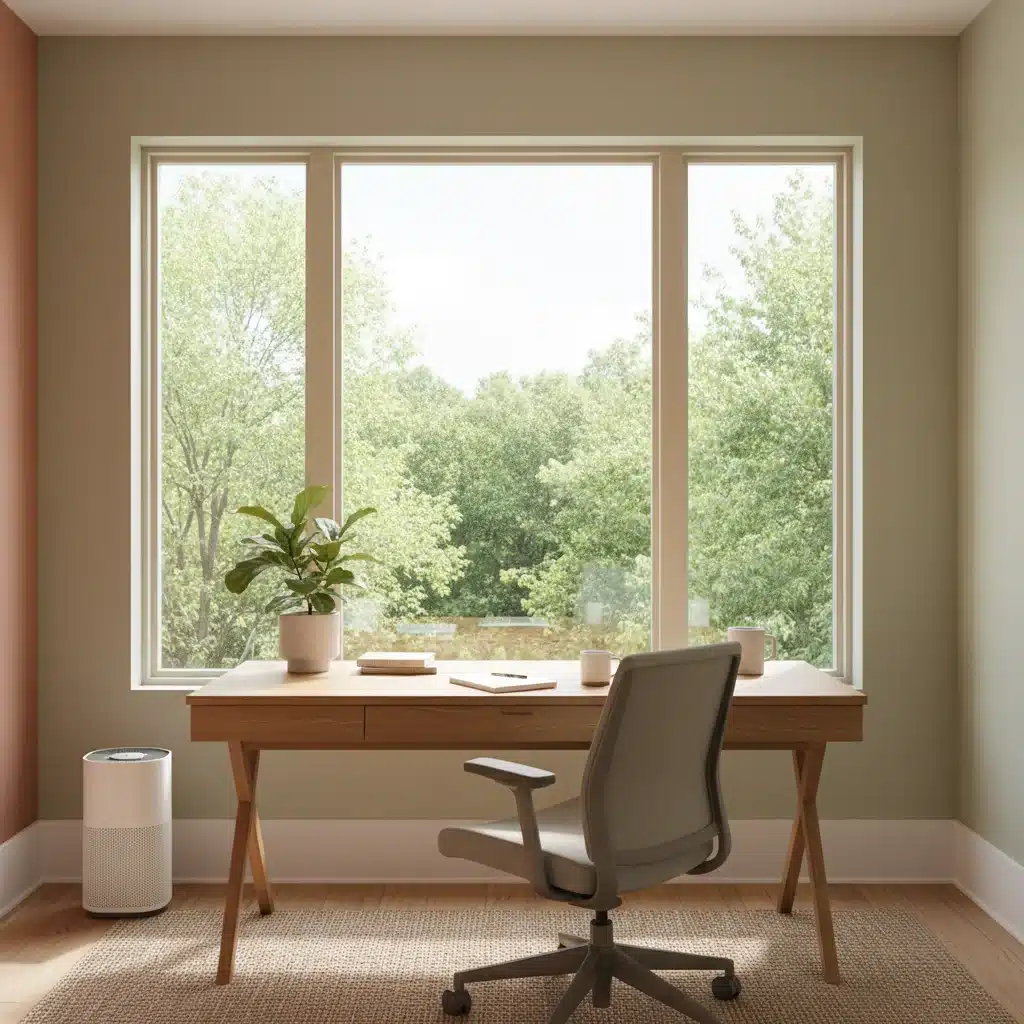
As the concept of the home oasis takes root, dedicated wellness zones are emerging as non-negotiable features in modern residences. No longer confined to gyms or spas, spaces designed specifically for physical and mental well-being are being integrated directly into the home’s architecture. By 2026, these zones will be meticulously crafted to support various aspects of health, from physical fitness and mental clarity to spiritual rejuvenation. The aim is to create environments that actively encourage and facilitate healthy habits, making wellness an integral part of daily life within the home.
The demand for these specialized spaces reflects a growing understanding that our physical environment profoundly impacts our health. Stress reduction, mindfulness, and self-care are becoming priorities, and homeowners are seeking ways to embed these practices into their daily routines without having to leave the comfort and privacy of their own home. These wellness zones are not just rooms; they are carefully designed ecosystems intended to promote specific states of being, whether it’s energized focus, deep relaxation, or physical strength.
Emerging Wellness Zone Concepts:
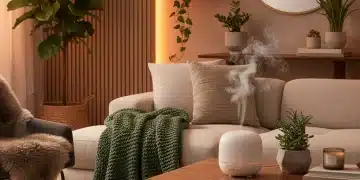
- Mindfulness and Meditation Nooks: In response to the increasing need for mental calm, dedicated spaces for mindfulness, meditation, and quiet contemplation are becoming essential. These can range from small, secluded corners with comfortable seating, soft lighting, and calming decor to entire rooms designed as sensory deprivation or meditation chambers. Features might include soundproofing, diffused natural light, aromatherapy diffusers, and perhaps even integrated guided meditation audio systems. The objective is to create a distraction-free sanctuary where residents can disconnect from external stimuli and reconnect with themselves, fostering mental clarity and emotional balance.
- Home Fitness and Movement Studios: Beyond a simple treadmill in the corner, 2026 home oases will feature sophisticated home fitness zones. These studios will be equipped with integrated smart gym equipment that offers personalized workout routines and virtual coaching. Spaces will be designed to accommodate various activities, from yoga and Pilates to strength training and dance, with appropriate flooring, mirrors, and ventilation. Natural light and views of greenery will be prioritized to enhance the workout experience, making exercise feel less like a chore and more like an invigorating part of the day. Some advanced setups may even include recovery zones with infrared saunas or cold plunge tubs.
- Spa-Inspired Bathrooms: The bathroom is transforming from a purely functional space into a luxurious personal spa. Features like oversized soaking tubs, multi-jet showers with chromotherapy and aromatherapy capabilities, heated floors, and towel warmers are becoming standard. Smart mirrors with integrated displays for health monitoring or entertainment, and ambient lighting that shifts with mood, further elevate the experience. The emphasis is on creating a tranquil retreat where residents can indulge in self-care rituals, de-stress, and rejuvenate both body and mind. Natural materials, soothing color palettes, and elegant fixtures contribute to this spa-like ambiance.
- Sleep Optimization Chambers: Recognizing the critical role of sleep in overall health, some home oases will incorporate advanced sleep optimization technologies. This includes bedrooms designed with superior soundproofing, blackout blinds, and intelligent lighting that syncs with circadian rhythms. Smart mattresses that adjust firmness and temperature, air purifiers that maintain optimal air quality, and even subtle white noise machines or sleep-inducing scent diffusers will create the perfect environment for restorative sleep. The goal is to minimize sleep disturbances and maximize the quality of rest, ensuring residents wake up feeling refreshed and energized.
These dedicated wellness zones underscore a fundamental shift in how we view our homes – not just as places to live, but as active partners in our pursuit of health and happiness. By intentionally designing spaces that promote self-care, mindfulness, and physical activity, the home oasis of 2026 becomes a powerful tool for holistic well-being.
4. Sustainable and Resilient Living: Building a Future-Proof Home Oasis
The final, yet equally critical, element shaping the home oasis of 2026 is a deep commitment to sustainability and resilience. As environmental concerns grow and the impact of climate change becomes more apparent, homeowners are increasingly prioritizing eco-friendly practices and designs that ensure their homes are not only comfortable but also environmentally responsible and future-proof. This goes beyond mere energy efficiency; it encompasses a holistic approach to resource management, material selection, and adaptability to changing environmental conditions. A true home oasis offers peace of mind, knowing it contributes positively to the planet and can withstand future challenges.
Sustainable design in the home oasis is about creating a symbiotic relationship between the residence and its environment. It’s about minimizing the ecological footprint while maximizing comfort and efficiency. Resilience, on the other hand, focuses on the home’s ability to endure and adapt to external stressors, whether they are extreme weather events, utility disruptions, or resource scarcity. Together, these principles ensure that the home oasis is not just a personal retreat but also a responsible and enduring part of the larger ecosystem.
Pillars of Sustainable and Resilient Home Oasis:
- Energy Efficiency and Renewable Sources: The 2026 home oasis will heavily rely on advanced insulation, high-performance windows, and passive solar design to minimize energy consumption. Heating, ventilation, and air conditioning (HVAC) systems will be zoned and highly efficient, often coupled with smart thermostats that learn usage patterns. Crucially, homes will integrate renewable energy sources such as rooftop solar panels, geothermal heating and cooling, and potentially small-scale wind turbines. Battery storage systems will become common, allowing homes to store excess energy and operate off-grid during peak hours or outages, significantly reducing reliance on conventional power grids and lowering utility bills.
- Water Conservation and Management: Water scarcity is a growing concern, and the home oasis will address this through smart water management systems. Low-flow fixtures, dual-flush toilets, and water-efficient appliances will be standard. Rainwater harvesting systems will collect and filter rainwater for irrigation and non-potable uses. Greywater recycling systems will treat water from sinks and showers for reuse in toilets or gardens. Drought-tolerant landscaping and smart irrigation systems that adjust watering based on weather forecasts and soil moisture levels will further minimize outdoor water consumption, creating beautiful yet responsible outdoor spaces.
- Sustainable Materials and Waste Reduction: The choice of building materials will prioritize sustainability, focusing on recycled, reclaimed, locally sourced, and rapidly renewable materials (e.g., bamboo, cork). Non-toxic, low-VOC (volatile organic compound) paints and finishes will ensure healthy indoor air quality. Homes will be designed for longevity and adaptability, reducing the need for frequent renovations and minimizing construction waste. Integrated composting systems, smart waste sorting, and even compactors for recyclables will facilitate responsible waste management within the home, aligning with a zero-waste lifestyle.
- Resilient Design and Preparedness: Beyond daily sustainability, the home oasis will be built with resilience in mind. This includes structural designs that can withstand extreme weather events pertinent to the region (e.g., hurricane-resistant windows, reinforced foundations for seismic activity). Smart home systems will monitor for potential issues like water leaks or unusual energy spikes, alerting homeowners to prevent major damage. Backup power solutions, such as integrated generators or robust battery storage, will ensure essential services remain operational during grid failures. Homes will also be designed with adaptability in mind, allowing for easy modifications to accommodate changing family needs or technological advancements, ensuring a long and useful lifespan.
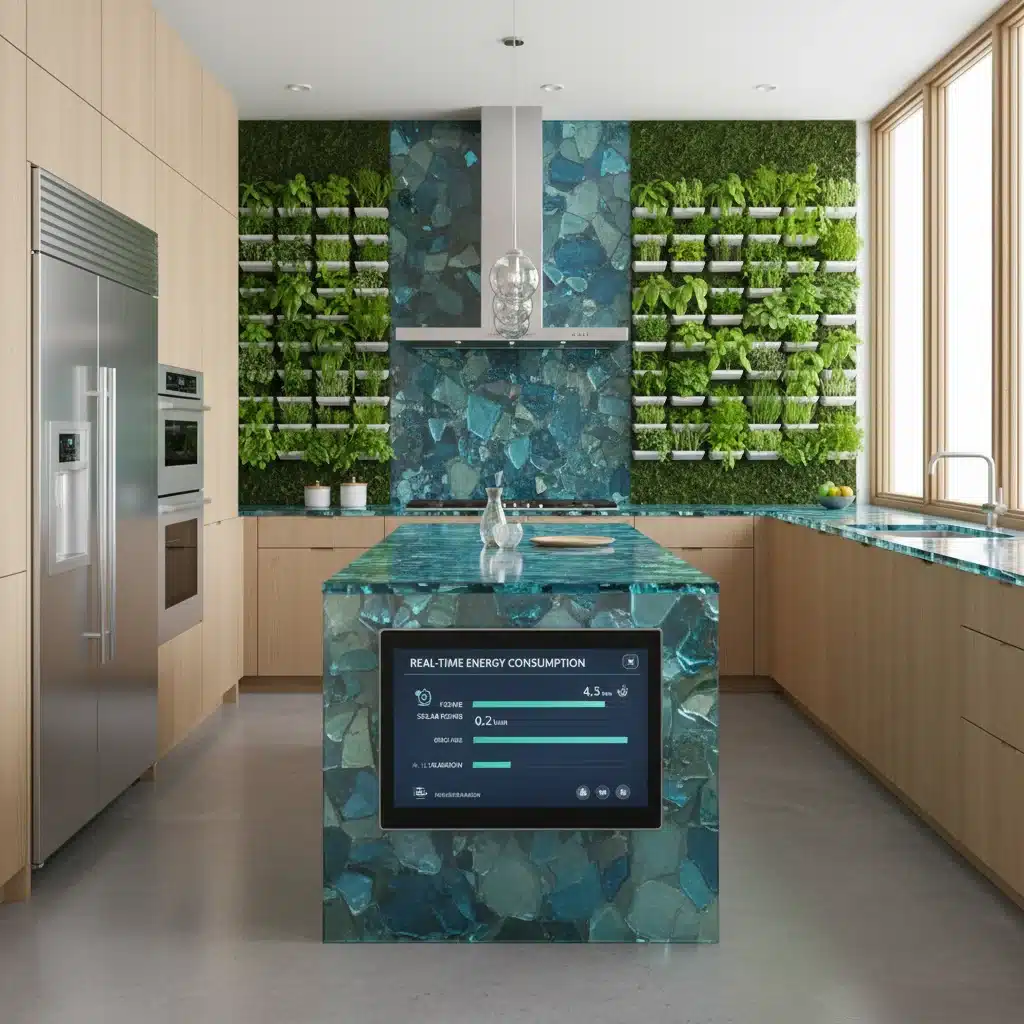
By integrating these sustainable and resilient design principles, the home oasis of 2026 becomes a responsible steward of resources, a protector against environmental challenges, and a testament to conscious living. It offers a secure, healthy, and enduring sanctuary for its inhabitants, ensuring peace of mind for generations to come.
The Synthesis of Serenity: Crafting Your 2026 Home Oasis
The transformation of US residences into home oases by 2026 is not merely a collection of individual design trends; it’s a holistic movement towards creating living spaces that deeply resonate with our desire for peace, health, and purpose. The four design elements – biophilic integration, smart home technology, dedicated wellness zones, and sustainable living – are not independent silos but rather interconnected facets of a singular vision. When thoughtfully combined, they create environments that are greater than the sum of their parts, fostering a profound sense of well-being and belonging.
Imagine a home where the very architecture breathes with nature, where lush greenery and natural light are omnipresent. This biophilic foundation is seamlessly supported by an intelligent technological infrastructure that intuitively manages climate, lighting, and security, making daily life effortless and efficient. Within this intelligently designed natural haven, dedicated spaces beckon for self-care – a quiet nook for meditation, a state-of-the-art home gym, or a spa-like bathroom for rejuvenation. And all of this is underpinned by a deep commitment to sustainability, ensuring that the home not only nurtures its inhabitants but also respects and protects the planet.
This future-forward approach to home design recognizes that our homes are not just structures; they are extensions of ourselves, powerful shapers of our daily experiences and long-term well-being. The home oasis of 2026 is designed to mitigate the stresses of modern life, enhance physical and mental health, and provide a stable, comforting retreat from the outside world. It encourages a lifestyle of mindfulness, connection, and responsibility, offering a sanctuary where residents can truly thrive.
For homeowners, this means thinking beyond superficial aesthetics and considering how their living spaces can actively support their health, happiness, and values. For designers and builders, it presents an exciting challenge and opportunity to innovate and create spaces that are not only beautiful but also profoundly impactful. The journey towards the home oasis is an ongoing evolution, driven by a collective aspiration for more meaningful and harmonious living.
Embracing the Future: Steps Towards Your Own Home Oasis
Creating a home oasis by 2026 doesn’t necessarily mean a complete overhaul or a brand-new construction. Many of these principles can be integrated into existing homes, often in incremental yet impactful ways. The key is to approach your living space with intention, focusing on how each element contributes to your overall well-being and the planet’s health.
- Start Small with Biophilia: Begin by introducing more indoor plants, maximizing natural light with lighter window treatments, and incorporating natural materials like wood and stone accents. Even a small indoor water feature can add a calming auditory element.
- Smart Tech Integration: Consider starting with a smart thermostat, smart lighting, or an air quality monitor. As you become comfortable, gradually expand your smart home ecosystem, prioritizing devices that truly enhance your comfort and efficiency without adding complexity.
- Define Wellness Zones: Identify a quiet corner for meditation, clear out a space for a yoga mat, or upgrade your bathroom with spa-like features. Even a comfortable chair by a window can become a dedicated space for reflection.
- Sustainable Choices: Look for opportunities to reduce energy and water consumption. Switch to LED lighting, fix leaky faucets, invest in energy-efficient appliances, and consider solar power if feasible. Choose non-toxic paints and sustainable furniture options when renovating or redecorating.
The ultimate home oasis is a personal reflection of your needs and desires, a space meticulously crafted to support your best self. By embracing these four transformative design elements, you can begin to shape your residence into a true retreat, a sanctuary that not only provides comfort and security but also inspires peace, vitality, and a deeper connection to the world around you. The future of home living is here, and it’s an invitation to cultivate your own personal paradise.