Embracing Slow Living: Top US Communities of 2026
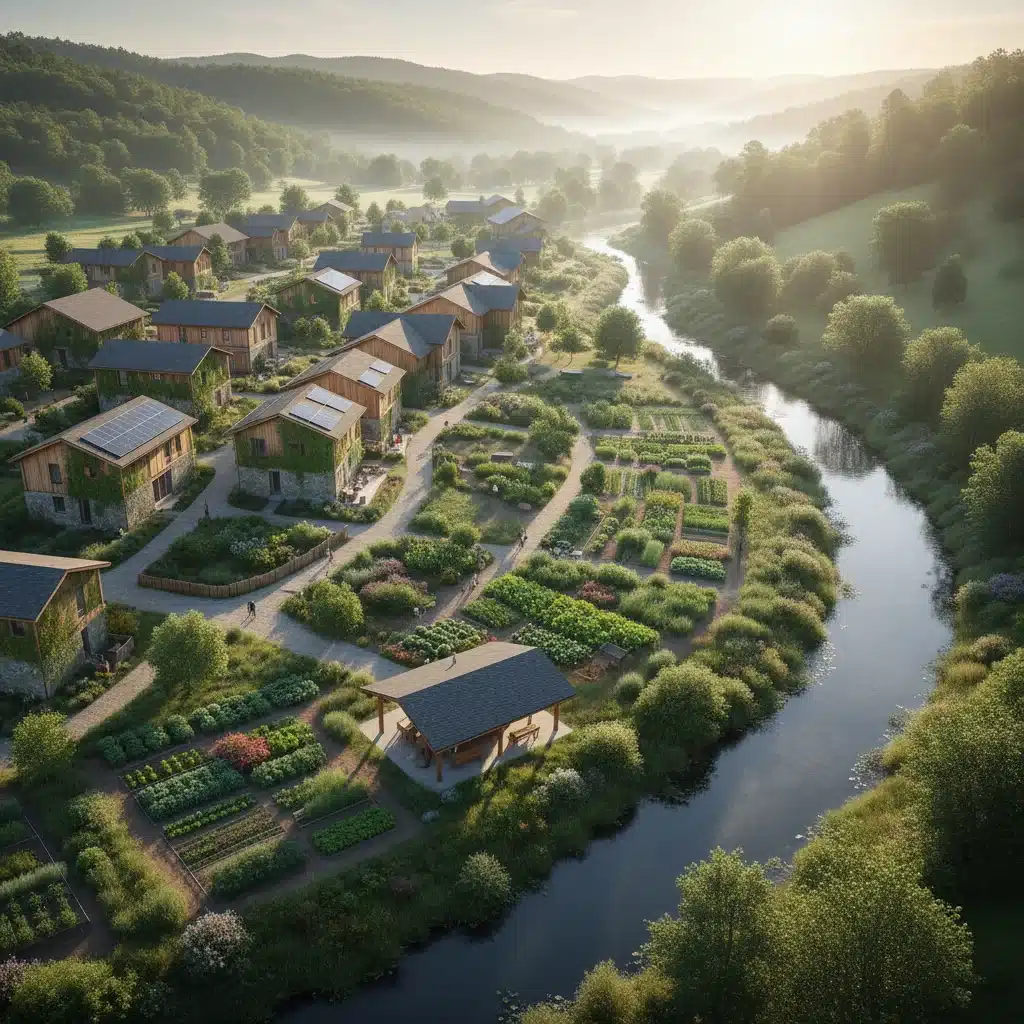
The Rise of ‘Slow Living’ in 2026: How 6 US Communities Are Embracing Mindful Consumption
In a world increasingly driven by speed, instant gratification, and endless consumption, a powerful counter-movement is quietly gaining momentum: slow living communities. This philosophy, far from being a trend, is a conscious decision to live with intention, mindfulness, and a deep appreciation for quality over quantity. It’s about savoring moments, fostering genuine connections, and prioritizing well-being and sustainability above all else. As we move further into 2026, more and more individuals and families are seeking refuge from the relentless pace of modern life, finding solace and purpose in communities that champion these very ideals.
The concept of slow living isn’t new; it has roots in various ancient philosophies and movements that emphasized balance, harmony, and a connection to nature. However, its resurgence in recent years, particularly in the United States, is a direct response to the pervasive stresses of hyper-connectivity, consumerism, and environmental concerns. People are yearning for a life that is less about doing and more about being. They’re looking for environments where they can breathe, connect, create, and contribute in meaningful ways. This article explores six remarkable US communities that have become beacons of the slow living movement, each offering a unique approach to fostering a more mindful and sustainable existence.
These communities are not just places to live; they are living laboratories for a different way of life. They demonstrate that it is possible to thrive without constantly striving, to consume responsibly, and to build strong, supportive networks that enrich the human experience. From eco-villages to intentional cohousing projects, each example showcases innovative strategies for reducing ecological footprints, promoting local economies, and cultivating a profound sense of belonging. Let’s delve into the heart of these pioneering slow living communities and discover the lessons they offer for anyone aspiring to a more intentional life.
Advertisements
Understanding the Core Principles of Slow Living
Before we dive into specific examples, it’s crucial to grasp the foundational tenets that define slow living. It’s more than just slowing down; it’s a holistic approach to life that permeates every decision, from what we eat to how we work and interact with our environment. The key principles include:
- Mindfulness and Presence: Being fully engaged in the present moment, appreciating the small details, and avoiding constant distraction. This means less multi-tasking and more intentional focus on single activities.
- Intentionality: Making conscious choices about how time, energy, and resources are spent, aligning actions with personal values rather than societal pressures. Every purchase, every activity, and every interaction is considered.
- Sustainability and Eco-consciousness: Minimizing environmental impact through responsible consumption, waste reduction, local sourcing, and supporting regenerative practices. This often includes embracing renewable energy and permaculture.
- Community and Connection: Fostering strong, supportive relationships with neighbors and actively participating in local life. This contrasts with the isolation often experienced in fast-paced urban environments.
- Balance and Well-being: Prioritizing physical, mental, and emotional health by creating space for rest, reflection, creative pursuits, and time in nature. This means resisting the urge to constantly be productive.
- Simplicity and Decluttering: Reducing material possessions and focusing on what truly adds value, thereby freeing up physical and mental space. Less stuff often means less stress and more freedom.
- Localism: Supporting local businesses, food producers, and artisans to strengthen the community and reduce reliance on global supply chains. This builds resilience and a unique local character.
These principles are interwoven, creating a tapestry of life that is rich in experience but light on impact. The communities highlighted below have taken these abstract concepts and translated them into tangible, thriving realities, proving that a different way of life is not only possible but deeply fulfilling. They are pioneers in the slow living communities movement, inspiring countless others.
Community 1: Harmony Ridge, Vermont – The Eco-Conscious Collective
Nestled deep within the Green Mountains, Harmony Ridge in Vermont is a testament to the power of collective eco-consciousness. Established in 2018, this intentional community has grown to over 150 residents, all committed to a shared vision of sustainable living. Their focus on self-sufficiency is remarkable, with extensive organic farms providing much of the community’s food. Residents actively participate in planting, harvesting, and food preservation, fostering a deep connection to their sustenance.
Housing in Harmony Ridge consists primarily of passive solar homes and tiny houses built with locally sourced, recycled, and natural materials. Energy needs are met through a combination of solar panels and a small hydroelectric system. Waste is meticulously managed through composting and extensive recycling programs, aiming for near-zero landfill contribution. Education is also a cornerstone, with a community-run school emphasizing environmental stewardship and practical skills.
Socially, Harmony Ridge thrives on regular community meetings, shared meals, and collaborative projects. Decision-making is largely consensus-based, ensuring every voice is heard. The emphasis on shared responsibility and mutual support has created an incredibly resilient and close-knit social fabric. Residents often trade skills and services, reducing the need for external commerce and strengthening internal bonds. This community truly embodies the spirit of slow living communities.
Community 2: Oasis Gardens, Arizona – Desert Permaculture Paradise
Challenging the notion that lush living is impossible in arid climates, Oasis Gardens in Arizona is a groundbreaking example of desert permaculture. Founded in 2020 by a group of environmentalists and designers, this community of approximately 80 people has transformed a parched landscape into a vibrant, food-producing oasis using ancient water harvesting techniques and modern ecological design. Their innovative use of greywater systems, rainwater collection, and strategically planted native species allows them to grow a surprising variety of fruits, vegetables, and herbs.
The architecture in Oasis Gardens is designed to work with the desert climate, featuring earth-bermed homes, thick adobe walls, and natural ventilation to keep interiors cool without excessive energy consumption. Shaded communal courtyards provide gathering spaces, fostering social interaction and a sense of shared identity. Residents are actively involved in the maintenance and expansion of the permaculture gardens, learning valuable skills and contributing to the community’s food security.
Life in Oasis Gardens is characterized by a deep respect for the land and its resources. Workshops on sustainable living, desert ecology, and traditional crafts are regularly held, promoting continuous learning and skill-sharing. The slower pace of life encourages reflection and a stronger connection to the natural cycles of the desert. It’s a powerful demonstration of how thoughtful design and collective effort can create thriving slow living communities even in challenging environments.
Community 3: Riverbend Cohousing, Oregon – Urban Intentionality
Proving that slow living isn’t exclusive to rural settings, Riverbend Cohousing in a vibrant Oregon city offers an urban model of intentional community. Established in 2015, Riverbend is home to about 45 households who share common values of cooperation, sustainability, and mutual support. While each household maintains its private dwelling, the community shares extensive common facilities, including a large common house with a kitchen, dining area, laundry, and recreation spaces.
The design of Riverbend encourages spontaneous interaction, with pedestrian-friendly pathways, shared green spaces, and a central courtyard. Car parking is relegated to the periphery, promoting walking and cycling. Residents regularly share meals in the common house, reducing individual cooking efforts and fostering strong bonds. A robust governance structure, often involving consensus decision-making, ensures that all residents have a say in how the community operates.
Sustainability is integrated through energy-efficient buildings, community composting, and a shared commitment to reducing consumption. Many residents participate in car-sharing programs or rely on public transportation and bicycles. Riverbend Cohousing demonstrates that it’s possible to enjoy the benefits of urban life while still cultivating a deep sense of community and practicing mindful consumption. It’s a prime example of accessible slow living communities in an urban context.
Community 4: Solstice Farm, North Carolina – Regenerative Agriculture Hub
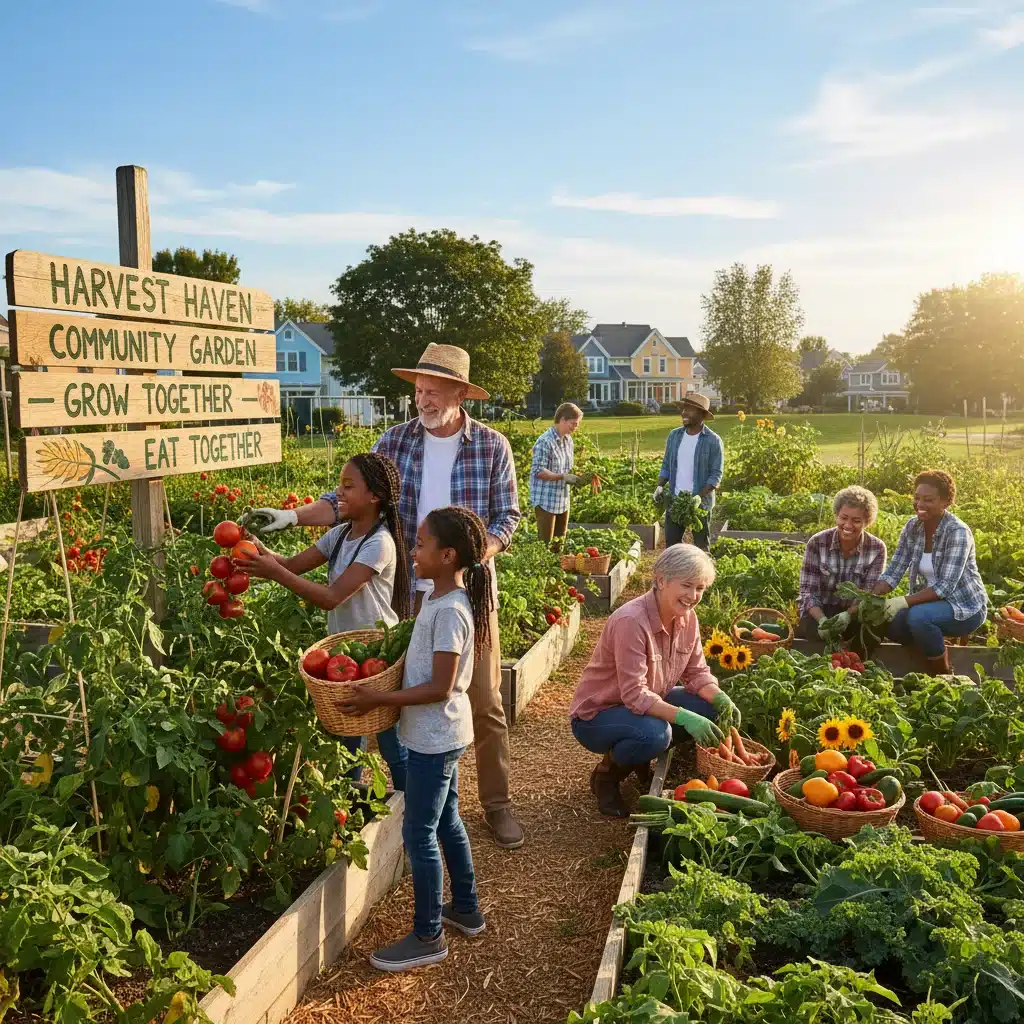
Solstice Farm, located in the rolling hills of North Carolina, is at the forefront of the regenerative agriculture movement, seamlessly integrating it with the principles of slow living. This community, founded in 2019, is built around a working organic farm that not only feeds its 60 residents but also supplies local markets and restaurants. The focus here is on healing the land, building soil health, and producing nutrient-dense food in a way that respects natural ecosystems.
Residents of Solstice Farm are deeply involved in the farming process, from seed to table. This hands-on engagement fosters a profound appreciation for food and the labor required to produce it, inherently slowing down consumption habits. Beyond farming, the community engages in various craft and skill-sharing workshops, including natural building, fiber arts, and herbal medicine. The rhythm of life here is dictated by the seasons and the demands of the farm, encouraging a natural, unhurried pace.
Housing at Solstice Farm includes a mix of small, energy-efficient homes and shared living spaces, all designed to minimize environmental impact. Social gatherings often revolve around farm-related activities, harvest festivals, and communal meals prepared with fresh produce. Solstice Farm exemplifies how a commitment to regenerative practices can create a vibrant, self-sufficient, and deeply connected slow living communities where residents are stewards of both land and culture.
Community 5: The Artisan Way, New Mexico – Craft and Creativity Focused
In the high desert landscape of New Mexico, The Artisan Way offers a unique interpretation of slow living, centered around craft, creativity, and conscious production. Established in 2021, this community of artists, artisans, and makers has created an environment where the process of creation is as valued as the final product. Here, the emphasis is on skill development, thoughtful design, and the use of sustainable materials.
Residents live in small, artfully designed homes, often incorporating elements of local architecture and natural building techniques. The community boasts shared workshops for pottery, woodworking, weaving, and other crafts, fostering a collaborative environment where skills are exchanged and ideas flourish. The pace of life is deliberately slow, allowing ample time for creative exploration, meticulous craftsmanship, and deep focus.
The Artisan Way promotes mindful consumption by encouraging residents to produce their own goods or acquire them from fellow community members. This reduces reliance on mass-produced items and supports a local, circular economy. Regular art shows, open studio events, and craft markets connect the community with the wider region, sharing their philosophy and products. It’s a beautiful example of how slow living communities can be built around shared passions and a dedication to purposeful creation.
Community 6: Coastal Sanctuary, Maine – Resilient Coastal Living
Facing the challenges of climate change and the desire for a simpler life, Coastal Sanctuary in Maine represents a forward-thinking model for resilient coastal living. Founded in 2022, this burgeoning community is designed to be highly adaptive and self-sufficient, with a strong focus on sustainable marine practices and local food systems. Its location offers both beauty and a unique set of considerations for its residents.
The infrastructure at Coastal Sanctuary is built to withstand changing environmental conditions, incorporating elevated structures, robust natural defenses, and renewable energy systems. Residents are actively involved in aquaculture projects, sustainable fishing, and cultivating salt-tolerant crops, ensuring local food security. There’s a strong emphasis on education about marine ecosystems and responsible resource management, reflecting their deep connection to the ocean.
Life in Coastal Sanctuary is characterized by a rhythm tied to the tides and seasons. Community members often collaborate on boat maintenance, coastal cleanups, and shared meals featuring fresh seafood and local produce. The slower pace encourages residents to spend more time outdoors, connecting with the natural beauty of their surroundings and fostering a strong sense of place. This innovative community illustrates how slow living communities can be forged in response to modern challenges, creating resilient and mindful ways of life.
The Broader Impact of Slow Living Communities
The examples of Harmony Ridge, Oasis Gardens, Riverbend Cohousing, Solstice Farm, The Artisan Way, and Coastal Sanctuary are more than just isolated experiments; they are vibrant proofs of concept. They demonstrate that the slow living philosophy can be adapted to diverse environments and cater to various interests, from agriculture to urban cohabitation and artistic expression. These slow living communities are not only enhancing the quality of life for their residents but are also offering valuable blueprints for a more sustainable and fulfilling future for everyone.
Their impact extends beyond their borders:
- Environmental Stewardship: By prioritizing local food, renewable energy, and reduced consumption, these communities significantly lower their ecological footprint, setting an example for broader environmental action.
- Economic Resilience: Emphasis on local economies, skill-sharing, and reducing reliance on external supply chains builds robust internal systems that are less susceptible to global economic fluctuations.
- Social Cohesion: Strong community bonds, shared values, and collaborative decision-making combat social isolation and foster a sense of belonging and mutual support that is often missing in contemporary society.
- Mental and Physical Well-being: The slower pace, connection to nature, meaningful work, and reduced stress contribute to improved mental clarity, reduced anxiety, and better overall physical health for residents.
- Educational Models: Many of these communities serve as living classrooms, offering workshops, tours, and educational programs that inspire others to adopt more sustainable and intentional practices.
- Innovation in Design and Technology: From permaculture techniques to sustainable building materials and renewable energy solutions, these communities often pioneer innovative approaches that can be scaled and replicated.
As the world grapples with complex challenges like climate change, social fragmentation, and the mental health crisis, the lessons learned from these slow living communities become increasingly relevant. They remind us that true progress isn’t always about speed and accumulation, but often about connection, intention, and a deep respect for the world around us.
Challenges and Considerations for Aspiring Slow Living Residents
While the allure of slow living communities is strong, it’s important to approach them with a realistic understanding of the challenges and commitment required. This isn’t a passive lifestyle change; it demands active participation and a willingness to adapt. Some common considerations include:
- Financial Investment: While some communities offer affordable living, others may require an initial investment in land, housing, or membership fees. Researching the financial model of each community is crucial.
- Personal Compatibility: Living in close proximity with others and adhering to shared values requires a degree of flexibility, open-mindedness, and a willingness to compromise. Not every community is a fit for every individual.
- Work and Income: Many slow living communities encourage local entrepreneurship or offer opportunities for work within the community (e.g., farming, crafting, teaching). However, external employment might require a commute or remote work capabilities.
- Decision-Making Processes: Consensus-based decision-making, while empowering, can sometimes be slower and require more patience than hierarchical structures.
- Learning New Skills: Residents often need to learn new skills related to sustainable living, such as gardening, composting, natural building, or various crafts. This can be a rewarding challenge.
- Access to Services: Depending on the community’s location, access to certain urban amenities like specialized healthcare, diverse shopping options, or entertainment might be limited.
- Long-Term Commitment: Joining an intentional community is often a significant life change that requires a long-term commitment to its values and fellow residents.
Prospective residents should engage in thorough research, visit potential communities, and ideally participate in trial periods or workshops to ensure a good fit. Understanding these realities helps manage expectations and ensures a smoother transition into this fulfilling lifestyle. The success of slow living communities often hinges on the commitment and shared vision of its members.
How to Find Your Own Slow Living Path
Inspired by these communities, you might be wondering how to integrate more slow living principles into your own life, even if joining an intentional community isn’t immediately feasible. The good news is that slow living is a mindset that can be cultivated anywhere. Here are some steps you can take:
- Start Small: Begin by incorporating one or two slow living practices into your daily routine. This could be a daily digital detox, cooking more meals from scratch, or dedicating time to a creative hobby.
- Mindful Consumption: Before buying something, ask yourself if you truly need it, if it’s sustainably produced, and if it will bring lasting value. Support local businesses and farmers’ markets.
- Cultivate Presence: Practice mindfulness through meditation, spending time in nature, or simply focusing on one task at a time without distraction.
- Build Local Connections: Get to know your neighbors, participate in local events, or volunteer for community initiatives. Strong local ties are a cornerstone of slow living.
- Declutter Your Life: Physically and digitally. A less cluttered environment can lead to a less cluttered mind.
- Embrace Nature: Spend time outdoors, whether it’s gardening, hiking, or simply sitting in a park. Reconnecting with the natural world is vital.
- Learn New Skills: Take a class in pottery, gardening, baking, or any skill that allows for hands-on creation and reduces reliance on external services.
- Prioritize Well-being: Schedule time for rest, hobbies, and activities that genuinely rejuvenate you, rather than constantly chasing productivity.
The journey towards slow living is personal and unique for everyone. These six US communities serve as powerful examples of what’s possible when individuals come together with a shared vision for a more intentional, sustainable, and connected way of life. They are not just places to live, but beacons of hope, demonstrating that a richer, more meaningful existence is within reach for those willing to embrace the pace of life. The growth of slow living communities signifies a collective yearning for a different future, one built on purpose, connection, and mindful consumption.
Conclusion: The Enduring Appeal of Intentional Living
As we navigate the complexities of the 21st century, the appeal of slow living communities will only continue to grow. These innovative settlements, from the eco-conscious collective of Harmony Ridge to the regenerative agriculture hub of Solstice Farm and the resilient coastal living of Coastal Sanctuary, offer compelling alternatives to the mainstream. They are living proof that a life rich in meaning, deep in connection, and light on environmental impact is not just an idealistic dream but a tangible reality.
The lessons gleaned from these communities are invaluable. They teach us the importance of self-sufficiency, the power of collective action, and the profound joy that comes from living in harmony with nature and with each other. They challenge us to rethink our consumption habits, our priorities, and our definition of success. By observing and learning from these pioneering slow living communities, we can all find ways to infuse more intention, mindfulness, and sustainability into our own lives, contributing to a more balanced and fulfilling world for generations to come. The movement is not just about slowing down; it’s about waking up.