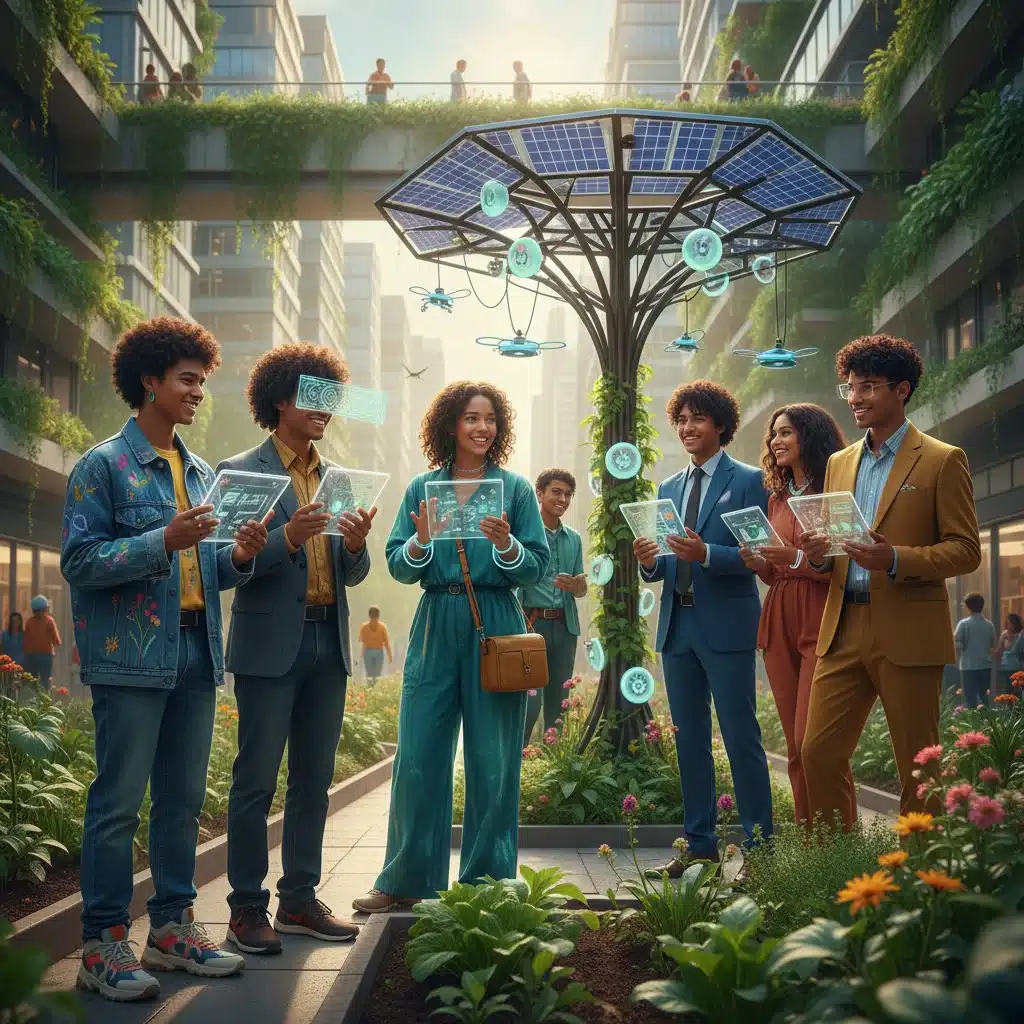
Decoding Gen Z’s 2026 Aesthetic: 7 Micro-Trends Influencing US Lifestyle Choices
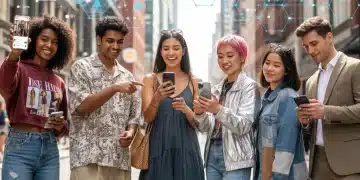
The landscape of youth culture is in constant flux, a vibrant tapestry woven with emerging ideas, technological advancements, and a deep-seated desire for authenticity. At the forefront of this evolution is Gen Z, a demographic powerhouse that continues to redefine norms and set new precedents for societal values and consumer behavior. As we cast our gaze forward to 2026, understanding the nuances of Gen Z 2026 aesthetic becomes paramount for brands, marketers, and anyone keen on grasping the future trajectory of US lifestyle choices.
Gen Z, born roughly between 1997 and 2012, has grown up entirely immersed in the digital age. This digital native status has profoundly shaped their worldview, fostering a unique blend of global awareness, social consciousness, and a fluid approach to identity. Their aesthetic is not merely about fashion or visual appeal; it’s a holistic reflection of their values, their aspirations, and their response to the world around them. It encompasses everything from how they dress, what they consume, how they interact, and what causes they champion.
Unlike previous generations, Gen Z doesn’t subscribe to monolithic trends. Instead, their culture is characterized by a multitude of ‘micro-trends’ – smaller, often niche, movements that gain traction rapidly through online communities and social media platforms. These micro-trends are agile, evolving quickly, and often overlapping, creating a complex yet fascinating mosaic of styles and philosophies. Predicting these trends requires a keen eye on digital discourse, a deep understanding of their core values, and an appreciation for their innovative spirit.
In this comprehensive exploration, we will delve into seven pivotal micro-trends that are poised to define the Gen Z 2026 aesthetic and significantly influence US lifestyle choices. From sustainable fashion to digital wellness, and from hyper-personalization to community-driven consumption, prepare to uncover the forces shaping the next wave of cultural innovation.
Advertisements
1. The Rise of ‘Conscious Consumerism’ and Circular Fashion
One of the most defining characteristics of Gen Z 2026 aesthetic is its unwavering commitment to sustainability and ethical practices. This isn’t just a passing fad; it’s a deeply ingrained value system that influences every purchase decision. Gen Z is acutely aware of environmental degradation and social inequalities, and they demand transparency and accountability from brands. This has led to the exponential growth of ‘conscious consumerism,’ where buying decisions are driven by a product’s environmental impact, ethical sourcing, and social responsibility.
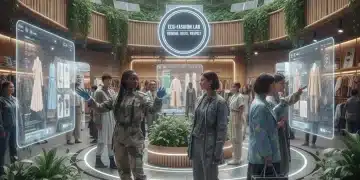
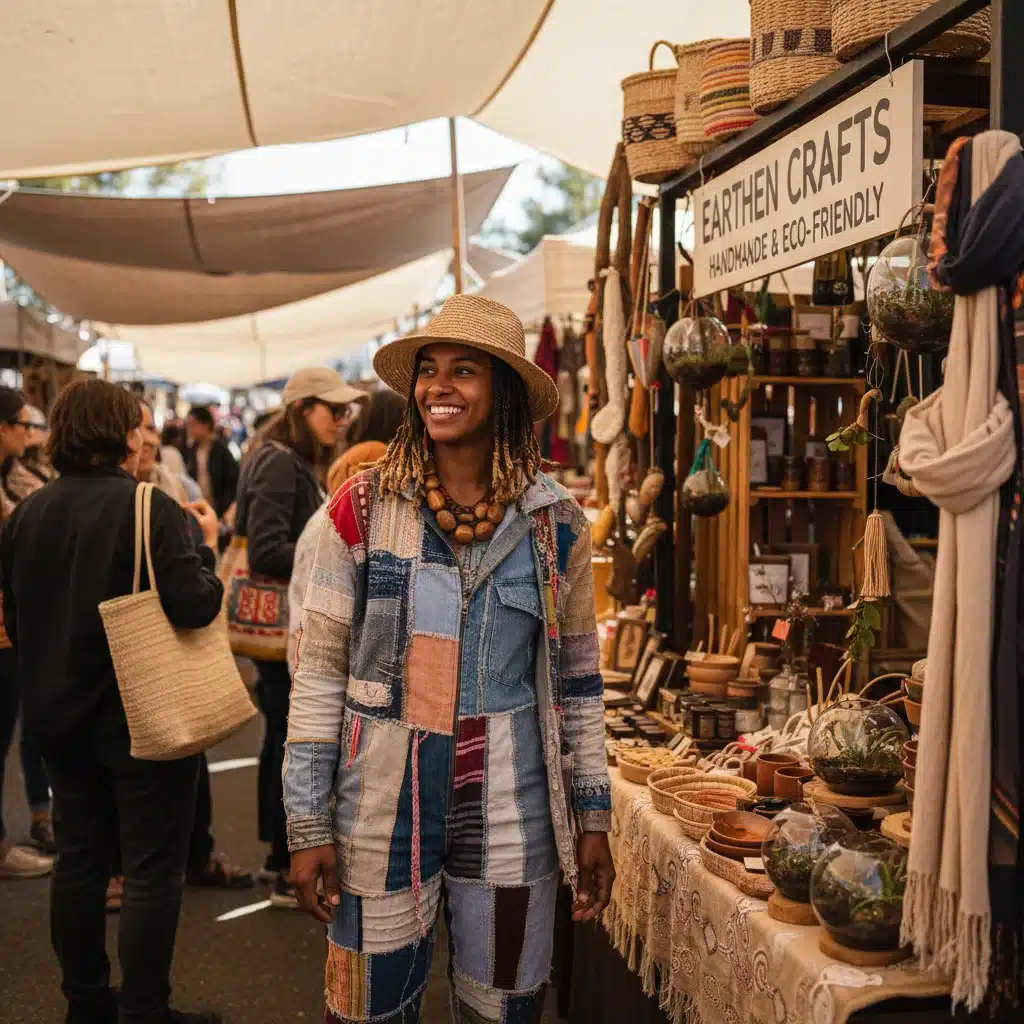
Within fashion, this translates into the widespread adoption of ‘circular fashion.’ This micro-trend moves away from the linear ‘take-make-dispose’ model and embraces practices like recycling, upcycling, repairing, and reselling. Vintage and second-hand clothing stores, online consignment platforms, and clothing swap events are not just popular; they are becoming mainstream. Gen Z actively seeks out brands that use sustainable materials, employ fair labor practices, and offer repair services or take-back programs. The aesthetic itself often reflects this ethos, with a preference for durable, timeless pieces over fast-fashion trends, and a celebration of unique, often imperfect, upcycled items.
This commitment extends beyond clothing to all aspects of consumption, from food and beauty products to technology. Brands that fail to adapt to these new expectations risk losing a significant portion of this influential demographic. For Gen Z, what you buy is a direct reflection of your values, and their 2026 aesthetic will be heavily influenced by this ethical lens.
2. Hyper-Personalization and the ‘Authenticity Over Perfection’ Mantra
In a world saturated with curated online personas, Gen Z craves authenticity. This desire manifests in a micro-trend towards hyper-personalization and a rejection of unattainable ideals. The Gen Z 2026 aesthetic celebrates individuality, embracing quirks and imperfections rather than striving for a manufactured perfection. This is evident in their approach to self-expression, where unique styles are lauded, and personal narratives are shared openly.
From custom-made clothing and accessories to personalized digital experiences, Gen Z expects products and services to cater to their specific needs and preferences. They are comfortable with algorithms suggesting tailored content, but they also value the human touch and the ability to customize. This micro-trend also fuels the rise of niche communities and subcultures, where individuals can find belonging and express their authentic selves without judgment. Social media platforms that facilitate genuine connection and allow for raw, unedited content are favored over those promoting highly filtered realities.
The ‘authenticity over perfection’ mantra also influences their approach to beauty and wellness, favoring natural looks, self-care routines tailored to individual needs, and a holistic view of health that encompasses mental and emotional well-being. This shift signifies a departure from aspirational, one-size-fits-all marketing, towards a more inclusive and understanding approach that resonates with the diverse experiences of Gen Z.
3. The ‘Digital Detox’ and Mindful Tech Integration
While Gen Z are digital natives, they are also increasingly aware of the potential downsides of constant connectivity. The ‘digital detox’ micro-trend is gaining significant traction, not as a complete rejection of technology, but as a conscious effort to integrate it mindfully into their lives. The Gen Z 2026 aesthetic will see a balance between embracing cutting-edge tech and prioritizing mental well-being.
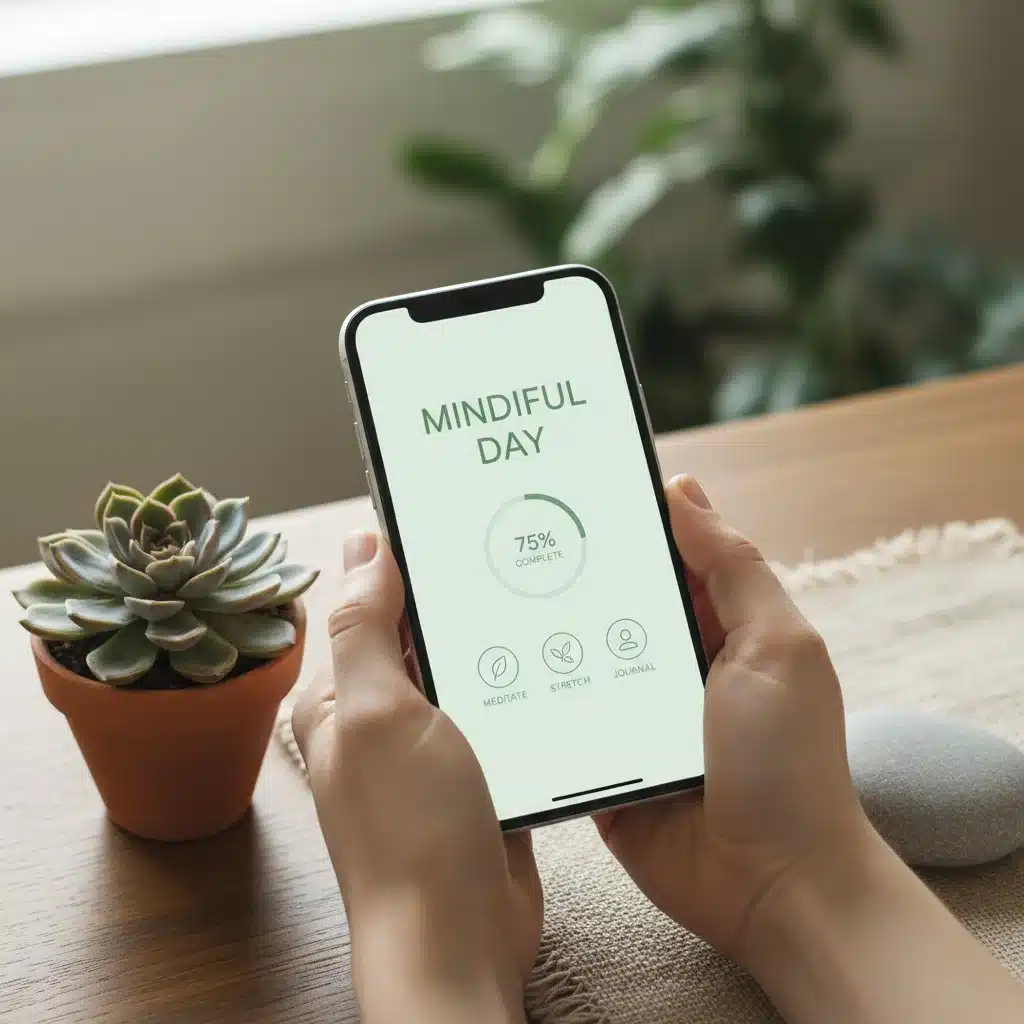
This involves setting boundaries with screen time, engaging in ‘offline’ activities, and seeking out technology that enhances rather than detracts from their quality of life. Apps and devices that promote focus, meditation, and healthy digital habits are becoming increasingly popular. There’s a growing appreciation for analog experiences – vinyl records, physical books, film photography – not as a nostalgic throwback, but as a deliberate choice for a more tactile and present engagement. This micro-trend is a direct response to the mental health crisis exacerbated by social media pressures and information overload.
The aesthetic elements associated with this trend often include minimalist design, calming color palettes, and natural materials in their living and working spaces. It’s about creating environments that support mental clarity and reduce digital clutter, even while still being connected to the digital world when necessary. For brands, this means developing products and services that support digital well-being and offer genuine value beyond mere entertainment.
4. ‘Phygital’ Experiences: Blending Physical and Digital Worlds
The line between the physical and digital realms continues to blur for Gen Z, giving rise to the ‘phygital’ experience micro-trend. The Gen Z 2026 aesthetic will seamlessly integrate online and offline interactions, creating immersive and interconnected experiences. This goes beyond simple e-commerce; it’s about creating cohesive journeys that leverage the strengths of both worlds.
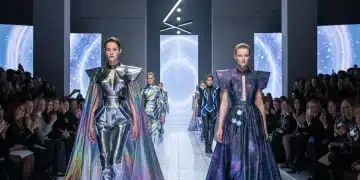
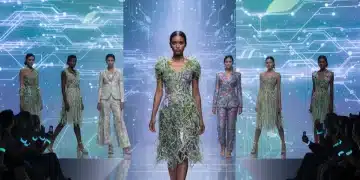
Think augmented reality (AR) filters that allow them to try on clothes virtually before purchasing them in-store, or interactive retail spaces that offer personalized digital content based on their in-store movements. Gaming and virtual reality (VR) are not just entertainment; they are social spaces, creative outlets, and platforms for brand engagement. Gen Z expects brands to meet them where they are, whether that’s in a metaverse environment or a pop-up shop in their local neighborhood.
This micro-trend also extends to social interactions, where online friendships seamlessly transition into real-world meetups, and digital communities organize physical events. The aesthetic associated with ‘phygital’ is often innovative and experimental, embracing new technologies while maintaining a sense of human connection. It’s about enhancing reality with digital layers, making experiences more engaging, convenient, and memorable.
5. The ‘Nostalgia Reboot’ and Reimagined Vintage
While Gen Z is forward-thinking, they also have a unique relationship with nostalgia. The ‘nostalgia reboot’ micro-trend isn’t about simply replicating past eras; it’s about reimagining and recontextualizing vintage styles and cultural touchstones through a contemporary lens. The Gen Z 2026 aesthetic will see a playful and often ironic appropriation of elements from the 90s, Y2K, and even earlier decades, filtered through their modern sensibilities.
This manifests in fashion through oversized silhouettes, bold graphics, and iconic accessories from past decades, often mixed with current trends for a truly eclectic look. Music, film, and television from these periods are being rediscovered and celebrated, often with a critical and analytical perspective. However, it’s not a blind adoration of the past. Gen Z is discerning, taking elements that resonate with their values and discarding those that don’t. They are keenly aware of the social and political contexts of these past eras, and their ‘reboot’ often includes a commentary or an update to reflect contemporary progressive values.
This micro-trend is fueled by platforms like TikTok, where trends can resurface and gain new life with a modern twist. For brands, understanding this nuanced approach to nostalgia is key. It’s not about selling old products; it’s about reinterpreting classic aesthetics and narratives in a way that feels fresh, relevant, and authentic to Gen Z’s current identity.
6. Community-Centric Living and Collaborative Creation
Individualism has long been a dominant narrative in Western culture, but Gen Z is increasingly gravitating towards community-centric living and collaborative creation. The Gen Z 2026 aesthetic is deeply rooted in a sense of belonging, mutual support, and shared purpose. This micro-trend reflects their desire for meaningful connections and their belief in collective action to address societal challenges.
This manifests in various forms, from co-living spaces and community gardens to online collectives and collaborative artistic projects. There’s a strong emphasis on peer-to-peer learning, knowledge sharing, and supporting local businesses and artisans. Social media platforms are used not just for broadcasting individual lives, but for building communities around shared interests, passions, and causes. Gen Z values contributions over consumption, and they are eager to participate in creating content, products, and experiences.
This community-driven ethos also impacts their purchasing habits, favoring brands that foster a sense of community, engage in co-creation with their customers, and give back to society. The aesthetic associated with this trend is often inclusive, diverse, and celebrates the richness of different perspectives. It’s about building bridges and fostering connections, both online and offline.
7. Fluid Identity and Gender-Neutral Expression
Perhaps one of the most transformative micro-trends shaping the Gen Z 2026 aesthetic is the increasing fluidity of identity, particularly concerning gender and self-expression. Gen Z largely rejects rigid binaries and traditional labels, embracing a more expansive and nuanced understanding of who they are and how they present themselves to the world.
This is profoundly evident in fashion, where gender-neutral clothing, makeup, and hairstyles are becoming increasingly common and celebrated. The idea of ‘menswear’ and ‘womenswear’ is dissolving, replaced by collections designed for all bodies and expressions. This micro-trend is not just about aesthetics; it’s about a fundamental shift in societal understanding and acceptance. Gen Z champions inclusivity and diversity, and their aesthetic choices reflect a desire to break free from restrictive norms.
This fluidity extends beyond gender to other aspects of identity, including cultural background, professional paths, and personal interests. Gen Z is comfortable with multifaceted identities, often blending elements from various cultures and subcultures to create a unique personal brand. For brands, this means moving away from gendered marketing and embracing more inclusive language, imagery, and product offerings. The 2026 aesthetic for Gen Z will be one that truly celebrates the spectrum of human experience, allowing for boundless self-expression.
The Enduring Impact of Gen Z on US Lifestyle
The seven micro-trends discussed above paint a vivid picture of the evolving Gen Z 2026 aesthetic. From their deep commitment to conscious consumerism and circular fashion, driven by environmental and ethical concerns, to their embrace of hyper-personalization and authenticity, Gen Z is fundamentally reshaping market demands and cultural narratives. Their mindful integration of technology, seen in the ‘digital detox’ movement, demonstrates a sophisticated understanding of digital well-being, contrasting with their seamless adoption of ‘phygital’ experiences that merge online and offline realities.
Furthermore, their ‘nostalgia reboot’ isn’t just a glance backward, but a creative reinterpretation of past styles through a contemporary, often ironic, lens. This generation’s strong emphasis on community-centric living and collaborative creation highlights a shift towards collective action and shared values, moving beyond individualistic pursuits. Finally, the profound micro-trend of fluid identity and gender-neutral expression underscores a fundamental redefinition of self, challenging traditional binaries and fostering a more inclusive world.
These micro-trends are not isolated phenomena; they are interconnected, forming a holistic worldview that prioritizes purpose, authenticity, and connection. As Gen Z continues to mature and gain more economic power, their influence on US lifestyle choices will only intensify. Brands and businesses that wish to remain relevant and successful must not only understand these trends but actively integrate them into their strategies, from product development and marketing to corporate social responsibility. The future, as shaped by Gen Z, is dynamic, conscious, and endlessly creative.
Understanding the Gen Z 2026 aesthetic is more than just keeping up with the latest fads; it’s about recognizing a profound cultural shift. This generation is not just consuming trends; they are creating them, driven by a powerful blend of idealism, pragmatism, and a desire to make a positive impact on the world. Their choices today are laying the groundwork for the lifestyle, values, and aesthetics of tomorrow.
What are the key characteristics of Gen Z’s aesthetic in 2026?
The Gen Z 2026 aesthetic is characterized by a blend of conscious consumerism, authenticity, mindful tech use, phygital experiences, reimagined nostalgia, community focus, and fluid identity. It’s less about singular trends and more about a holistic reflection of their values.
How does sustainability influence Gen Z’s fashion choices?
Sustainability is a core driver for Gen Z’s fashion choices, leading to the rise of circular fashion. They prioritize ethical sourcing, upcycling, second-hand clothing, and brands with transparent environmental practices, rejecting fast fashion in favor of durable, meaningful pieces.
What is ‘phygital’ and why is it important to Gen Z?
‘Phygital’ refers to the seamless integration of physical and digital experiences. It’s important to Gen Z because they are digital natives who expect cohesive and immersive interactions, blending online tools like AR/VR with real-world experiences to enhance convenience, engagement, and connection.
How does Gen Z approach identity and self-expression?
Gen Z approaches identity with significant fluidity, particularly regarding gender. They reject rigid binaries, embracing gender-neutral expression in fashion and lifestyle. Their self-expression is authentic, multifaceted, and celebrates diversity and inclusivity, moving away from traditional labels and norms.
What role does community play in Gen Z’s lifestyle?
Community plays a central role in Gen Z’s lifestyle, fostering a sense of belonging and shared purpose. They engage in collaborative creation, support local businesses, and build online and offline communities around shared interests, prioritizing collective action and mutual support over individualism.