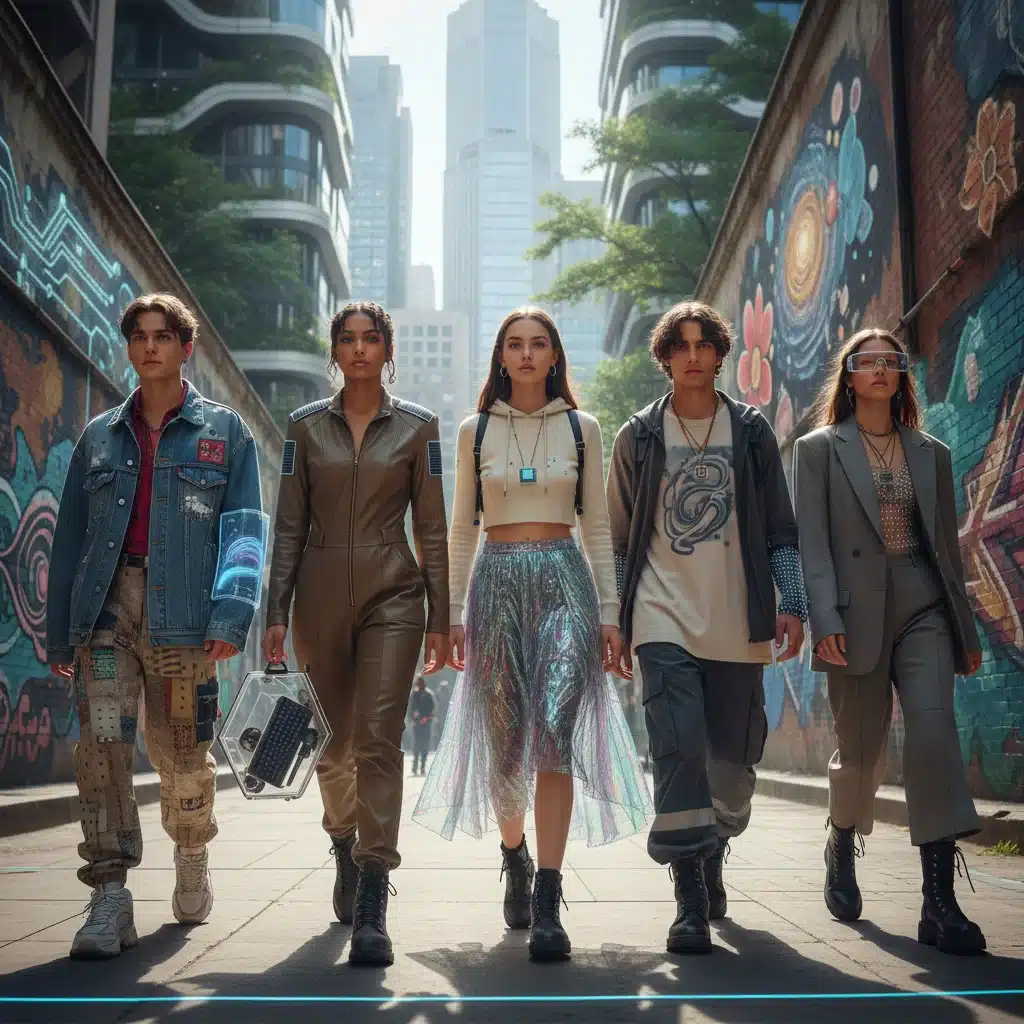
Gen Z’s Influence: How 4 Emerging Micro-Trends Are Reshaping U.S. Retail Fashion in 2026
The fashion landscape is in a constant state of flux, ever-evolving with each passing generation. However, no demographic has wielded as much transformative power in recent years as Generation Z. Born between the late 1990s and early 2010s, Gen Z is not just a consumer group; they are cultural architects, digital natives, and ethical crusaders. Their unique values, digital fluency, and demand for authenticity are not merely influencing but actively reshaping U.S. retail fashion in profound ways. As we look towards 2026, four distinct micro-trends, primarily driven by Gen Z, are set to define the industry’s future. Understanding these Gen Z fashion trends is no longer optional for brands; it’s a matter of survival and relevance.
This article will delve deep into these pivotal micro-trends, exploring their origins, characteristics, and the seismic shifts they are causing across the retail sector. From the hyper-personalization of style to the unwavering commitment to conscious consumption, the blurring lines between digital and physical fashion, and the embrace of fluid aesthetics, Gen Z is dictating a new paradigm. Retailers and designers who fail to adapt to these Gen Z fashion trends risk being left behind in an increasingly dynamic and demanding marketplace. Let’s explore how these young innovators are setting the stage for 2026 and beyond.
The Ascendant Power of Gen Z in Fashion Retail
Before we dissect the individual micro-trends, it’s crucial to grasp the sheer magnitude of Gen Z’s influence. This generation represents an unprecedented demographic shift. They are the first true digital natives, having grown up with the internet, social media, and smartphones as extensions of their daily lives. This intrinsic connection to technology has fundamentally altered their approach to discovery, consumption, and self-expression, particularly within fashion.
Advertisements
Unlike previous generations, Gen Z doesn’t passively accept trends dictated by traditional media or luxury houses. They are trendsetters themselves, fueled by platforms like TikTok, Instagram, and Pinterest, where individual style, authenticity, and niche communities thrive. Their purchasing power, while still growing, is significant, and more importantly, their influence permeates across age groups, making their preferences a bellwether for broader market shifts. They seek not just products, but experiences, values, and a sense of belonging. This demand for more than just aesthetics is what truly differentiates their impact on Gen Z fashion trends.
Furthermore, Gen Z is acutely aware of global issues, from climate change to social justice. This awareness translates directly into their shopping habits, pushing brands towards greater transparency, ethical production, and genuine social responsibility. Brands that align with these values gain loyalty; those that don’t face swift and often public backlash. This ethical imperative is a cornerstone of many emerging Gen Z fashion trends.
Micro-Trend 1: Hyper-Personalization and Individual Expression
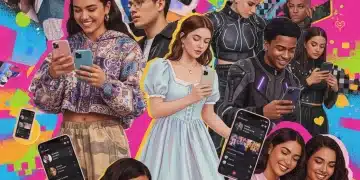
In a world saturated with information and choices, Gen Z craves individuality. They reject the idea of mass-market conformity, instead opting for clothing that allows them to express their unique identity, values, and mood. This isn’t just about customization; it’s about hyper-personalization, where every garment tells a story and resonates with the wearer’s authentic self. This micro-trend is profoundly shaping Gen Z fashion trends.
The Rise of Niche Aesthetics and Micro-Communities
Forget broad fashion categories; Gen Z operates within a dizzying array of niche aesthetics. From ‘Dark Academia’ and ‘Cottagecore’ to ‘Streetwear’ and ‘Y2K Revival,’ these micro-communities offer a sense of belonging and a distinct visual language. Brands are responding by offering more diverse collections that cater to these specific tastes, rather than trying to appeal to a generic audience. This requires a deeper understanding of cultural nuances and the ability to pivot quickly.
DIY and Upcycling Culture
The ‘do-it-yourself’ (DIY) ethos is strong among Gen Z. They are adept at transforming existing garments, whether through thrifting and upcycling or by adding personal touches like embroidery, patches, or distressing. This not only speaks to their creativity but also aligns with their sustainable values. Retailers are tapping into this by offering customization services, workshops, and even selling blank canvases for consumers to personalize. This fosters a sense of co-creation and ownership, critical components of modern Gen Z fashion trends.
Algorithmic Style Discovery
Social media algorithms play a significant role in hyper-personalization. Platforms learn individual preferences and serve up tailored content, introducing users to new brands, styles, and creators that align with their aesthetic. This has made traditional marketing less effective, as Gen Z trusts peer recommendations and algorithmically curated feeds more than traditional advertising. Brands must engage authentically on these platforms to connect with their target audience and influence Gen Z fashion trends.
Micro-Trend 2: Conscious Consumption and Ethical Imperatives
Perhaps the most impactful shift driven by Gen Z is the demand for conscious consumption. This generation is acutely aware of the environmental and social costs of fast fashion, and they are actively seeking alternatives. Sustainability, ethical labor practices, and transparency are no longer buzzwords; they are non-negotiable expectations. This commitment to responsible choices is a defining characteristic of current and future Gen Z fashion trends.
Sustainability at the Forefront
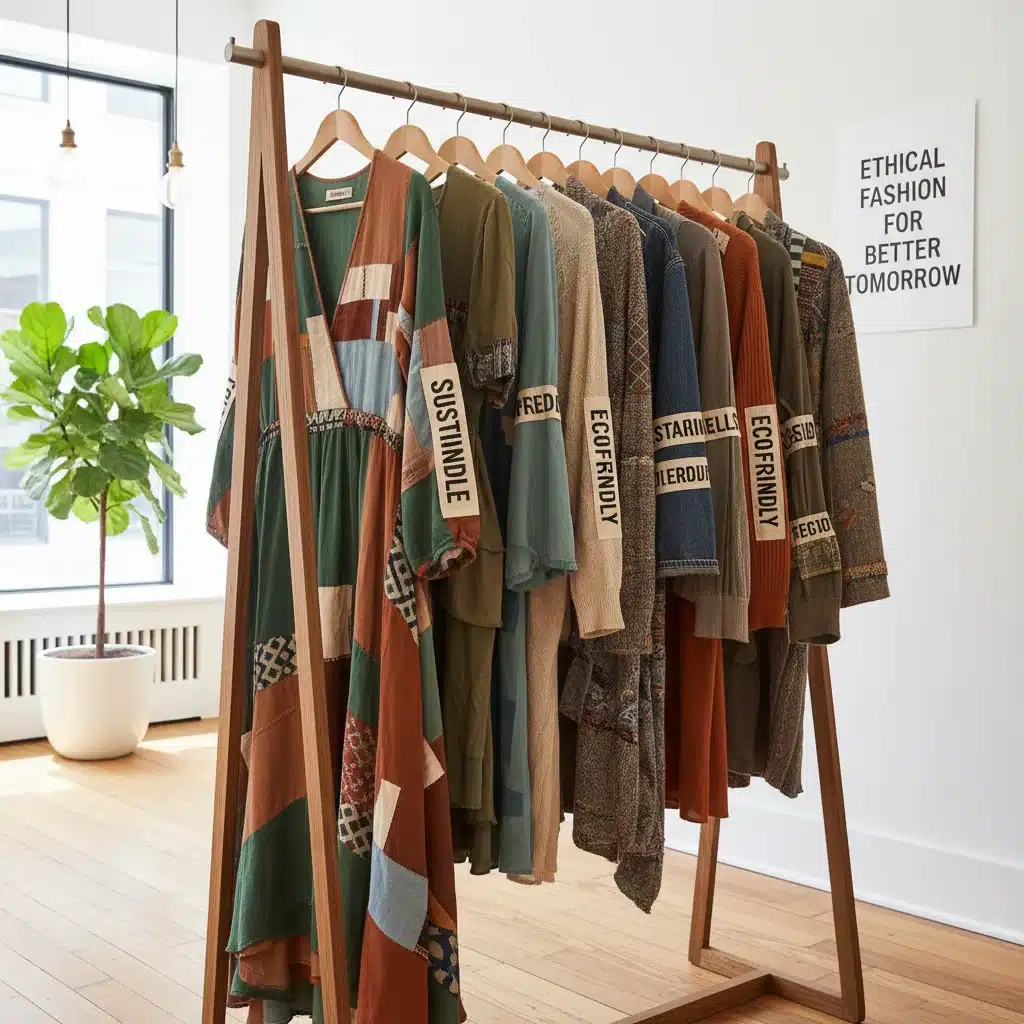
Gen Z consumers are increasingly scrutinizing brands’ environmental footprints. They prioritize clothing made from sustainable materials (organic cotton, recycled polyester, hemp), produced with minimal waste, and designed for longevity. The concept of ‘circular fashion’ – where garments are designed to be reused, repaired, or recycled – is gaining significant traction. Brands that can genuinely demonstrate their commitment to sustainability, rather than just greenwashing, will win over this demographic.
Transparency and Traceability
Gen Z wants to know where and how their clothes are made. They demand transparency regarding supply chains, labor conditions, and material sourcing. Blockchain technology and QR codes are emerging tools that allow brands to provide this level of traceability, empowering consumers to make informed choices. Any perceived lack of transparency can quickly erode trust and damage a brand’s reputation among Gen Z, impacting the adoption of new Gen Z fashion trends.
The Resurgence of Secondhand and Vintage
The popularity of secondhand shopping, thrifting, and vintage clothing has exploded among Gen Z. Platforms like Depop, Poshmark, and Vestiaire Collective are thriving, offering a sustainable and affordable way to express personal style. This trend not only aligns with environmental values but also feeds into the desire for unique, individualized pieces. Many retailers are now exploring their own resale programs or partnerships to tap into this growing market, recognizing it as a crucial element of modern Gen Z fashion trends.
Micro-Trend 3: Digital-Physical Fusion and Experiential Retail
For Gen Z, the lines between the digital and physical worlds are inherently blurred. Their fashion journey often begins online, moves into virtual spaces, and culminates in a physical purchase or vice-versa. This fluid interaction demands that retailers create seamless, engaging experiences that integrate both realms, ushering in a new era of retail that embraces Gen Z fashion trends.
Augmented Reality (AR) and Virtual Try-Ons
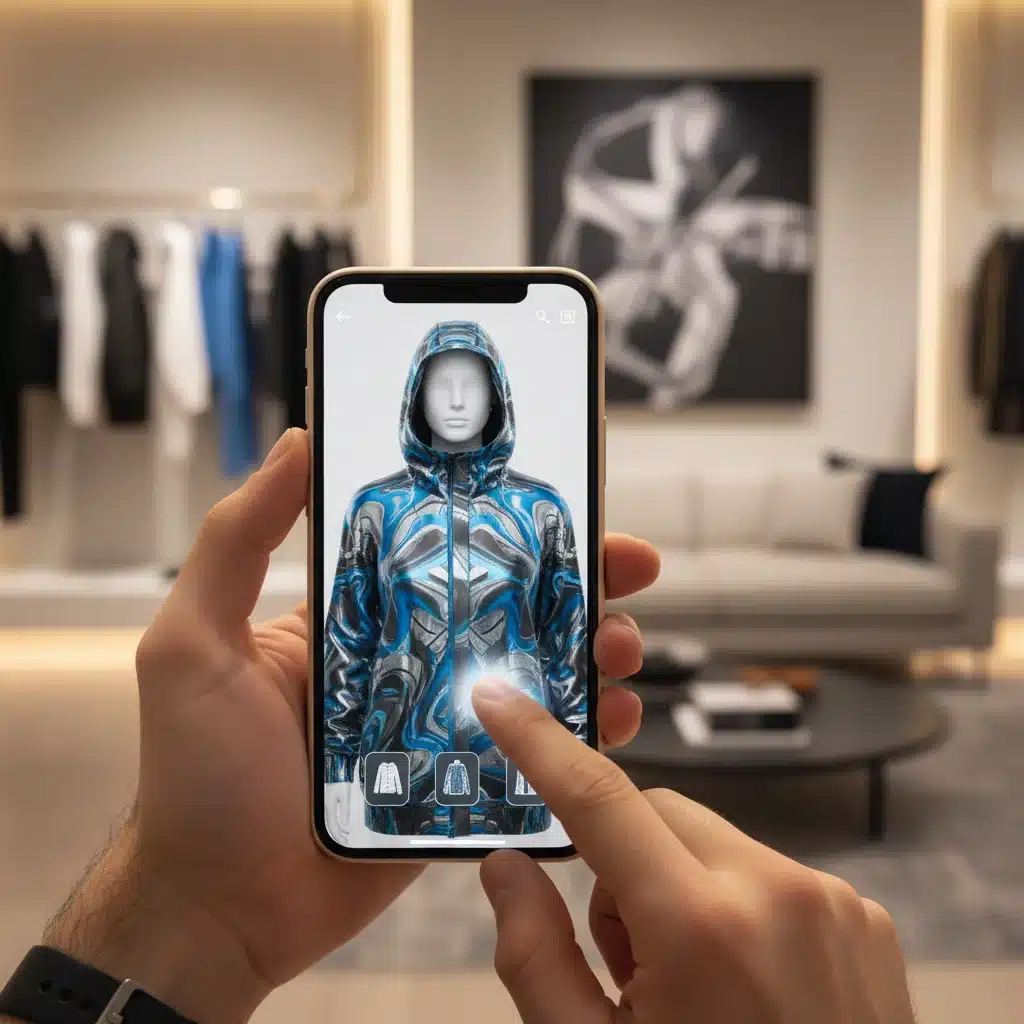
AR technology is becoming increasingly sophisticated, allowing consumers to virtually try on clothes using their smartphones or smart mirrors. This enhances the online shopping experience, reduces returns, and provides a fun, interactive way to explore styles. Brands are investing in AR filters for social media, allowing users to experiment with virtual accessories or outfits, further blurring the lines between gaming, social interaction, and fashion. This interactive element is a key driver of modern Gen Z fashion trends.
Metaverse and Digital Fashion
The metaverse, with its burgeoning virtual economies and digital avatars, is a new frontier for fashion. Gen Z is comfortable investing in digital clothing for their avatars, attending virtual fashion shows, and collecting NFTs (Non-Fungible Tokens) of exclusive digital garments. This presents a unique opportunity for brands to extend their presence into virtual worlds, create new revenue streams, and engage with consumers in novel ways. Digital fashion, once a niche concept, is rapidly becoming a mainstream aspect of Gen Z fashion trends.
Experiential Retail Spaces
Physical stores are no longer just places to buy products; they are becoming experiential hubs. Gen Z seeks immersive environments that offer more than just transactions. This includes interactive displays, pop-up events, customization stations, cafes, and community gathering spaces. The goal is to create a memorable brand experience that encourages engagement, social sharing, and fosters a deeper connection with the brand. This holistic approach to retail is essential for capturing the attention of Gen Z and influencing their fashion choices, shaping future Gen Z fashion trends.
Micro-Trend 4: Fluid Aesthetics and Deconstructed Norms
Gen Z is dismantling traditional fashion norms, embracing fluidity in gender, style, and seasonal expectations. This micro-trend is about breaking free from rigid categories and celebrating personal expression without boundaries. This liberation of style is a powerful force driving many current Gen Z fashion trends.
Gender-Fluid and Androgynous Fashion
The concept of gender-specific clothing is increasingly irrelevant to Gen Z. They are gravitating towards gender-fluid and androgynous styles that can be worn by anyone, regardless of their gender identity. This is reflected in looser silhouettes, neutral color palettes, and collections that are not explicitly marketed to one gender. Brands that embrace this inclusivity are seen as progressive and authentic, resonating deeply with Gen Z’s values. This shift is fundamentally altering how clothing is designed, marketed, and consumed, making gender-fluidity a cornerstone of evolving Gen Z fashion trends.
Blurring of Style Categories
The traditional boundaries between casualwear, formalwear, activewear, and loungewear are dissolving. Gen Z effortlessly blends these categories, creating looks that are comfortable, functional, and stylish for various occasions. A blazer can be paired with sweatpants, sneakers with a dress, and activewear seamlessly transitions from the gym to social outings. This ‘anything goes’ approach prioritizes comfort and versatility, allowing for greater personal expression and influencing the versatility of Gen Z fashion trends.
Seasonless Collections and Drop Culture
The traditional fashion calendar, with its rigid seasonal collections, is becoming outdated. Gen Z, influenced by streetwear culture, prefers ‘drop culture’ – limited-edition releases of new products at irregular intervals. This creates hype, urgency, and a sense of exclusivity. Furthermore, they are less concerned with seasonal appropriateness, opting for pieces they love and can style year-round. This move towards seasonless collections and frequent drops reflects a more agile and responsive approach to fashion, directly impacting the speed and relevance of Gen Z fashion trends.
Implications for U.S. Retail Fashion in 2026
These four micro-trends, powered by Gen Z, are not isolated phenomena; they are interconnected forces that collectively demand a radical rethinking of how U.S. retail fashion operates. For brands and retailers looking to thrive in 2026 and beyond, several key implications emerge:
- Authenticity and Values Alignment: Brands must demonstrate genuine commitment to sustainability, ethical practices, and social inclusivity. Gen Z can spot performative activism from a mile away. Authenticity is paramount.
- Digital-First, Experience-Led: Investing in digital innovation, from AR try-ons to metaverse experiences, is crucial. Physical stores must evolve into engaging, experiential destinations that complement the online journey.
- Agility and Responsiveness: The pace of Gen Z fashion trends is rapid. Retailers need flexible supply chains, rapid prototyping, and the ability to respond quickly to emerging micro-aesthetics and consumer demands.
- Data-Driven Personalization: Leveraging data to understand individual preferences and offer hyper-personalized recommendations will be key to capturing and retaining Gen Z consumers.
- Community Building: Fostering online and offline communities around shared values and aesthetics will build loyalty far beyond transactional relationships.
- Inclusivity by Design: From gender-neutral collections to diverse marketing campaigns, inclusivity must be embedded in every aspect of a brand’s strategy.
Navigating the Future: Strategies for Brands
To successfully navigate the landscape shaped by these powerful Gen Z fashion trends, brands must adopt forward-thinking strategies. It’s no longer enough to simply offer products; it’s about offering solutions, values, and a platform for self-expression. Here are some actionable strategies:
Embrace Co-Creation and User-Generated Content
Gen Z loves to be part of the creative process. Brands can invite consumers to co-design products, participate in styling challenges, or submit ideas for new collections. Actively encouraging user-generated content (UGC) not only provides authentic marketing material but also builds a strong sense of community and ownership. This approach aligns perfectly with the hyper-personalization trend, making consumers feel valued and heard. When consumers see their ideas reflected in new products, it reinforces their connection to the brand and strengthens their identification with specific Gen Z fashion trends.
Invest in Sustainable Innovation
Beyond using recycled materials, true sustainability involves investing in innovative processes like regenerative agriculture, water-saving dyeing techniques, and biodegradable packaging. Brands should also explore rental and repair services, extending the lifecycle of garments. Communicating these efforts transparently, with clear metrics and certifications, will build trust. This commitment to genuine environmental stewardship is a non-negotiable aspect for Gen Z and will define successful brands in future Gen Z fashion trends.
Seamless Omnichannel Experiences
The customer journey for Gen Z is rarely linear. They might discover a product on TikTok, research it on a brand’s website, virtually try it on with an AR app, and then purchase it in-store or online. Brands need to ensure a consistent and seamless experience across all touchpoints – physical stores, e-commerce, social media, and emerging digital platforms like the metaverse. This means integrated inventory, personalized recommendations across channels, and frictionless transitions between online and offline interactions. A cohesive omnichannel strategy is crucial for capturing the attention and loyalty of a generation that expects digital fluency in all their interactions, especially when it comes to following Gen Z fashion trends.
Cultivate Authentic Influencer Partnerships
Gen Z is wary of overtly commercial endorsements. Brands should seek out micro and nano-influencers whose values genuinely align with their own and who have authentic connections with their followers. These influencers can provide genuine product reviews, creative styling ideas, and relatable content that resonates far more deeply than traditional celebrity endorsements. Focusing on authenticity and long-term relationships with influencers will yield better results than one-off campaigns, as Gen Z values genuine recommendations and content that feels organic, helping to organically spread Gen Z fashion trends.
Prioritize Inclusivity and Diversity
Inclusivity extends beyond just gender-neutral clothing. It encompasses diverse sizing, representation across all marketing materials, and accessibility for all body types and abilities. Brands should actively listen to diverse voices and ensure their products and messaging reflect the rich tapestry of Gen Z consumers. This commitment to diversity and inclusion is not just a marketing tactic; it’s a fundamental value that defines Gen Z’s worldview and profoundly shapes their expectations for brands, influencing the direction of Gen Z fashion trends.
Conclusion: The Future is Fluid, Ethical, and Personalized
The influence of Gen Z on U.S. retail fashion in 2026 is undeniable and far-reaching. The four micro-trends of hyper-personalization, conscious consumption, digital-physical fusion, and fluid aesthetics are not fleeting fads but fundamental shifts in consumer values and behavior. This generation demands more than just clothing; they seek authenticity, purpose, and a platform for self-expression that aligns with their ethical and social consciousness.
For brands and retailers, this presents both challenges and immense opportunities. Those who embrace these Gen Z fashion trends by prioritizing sustainability, fostering genuine connections, leveraging technology, and celebrating individuality will not only survive but thrive in the evolving fashion landscape. The future of fashion is collaborative, responsible, and deeply personal, and it is being written by Gen Z, one conscious and creative choice at a time. Adapting to these changes is not merely about staying competitive; it’s about building a relevant and resonant brand for the next era of retail.