Social Media’s Influence on US Fashion: A 2026 Consumer Behavior Study
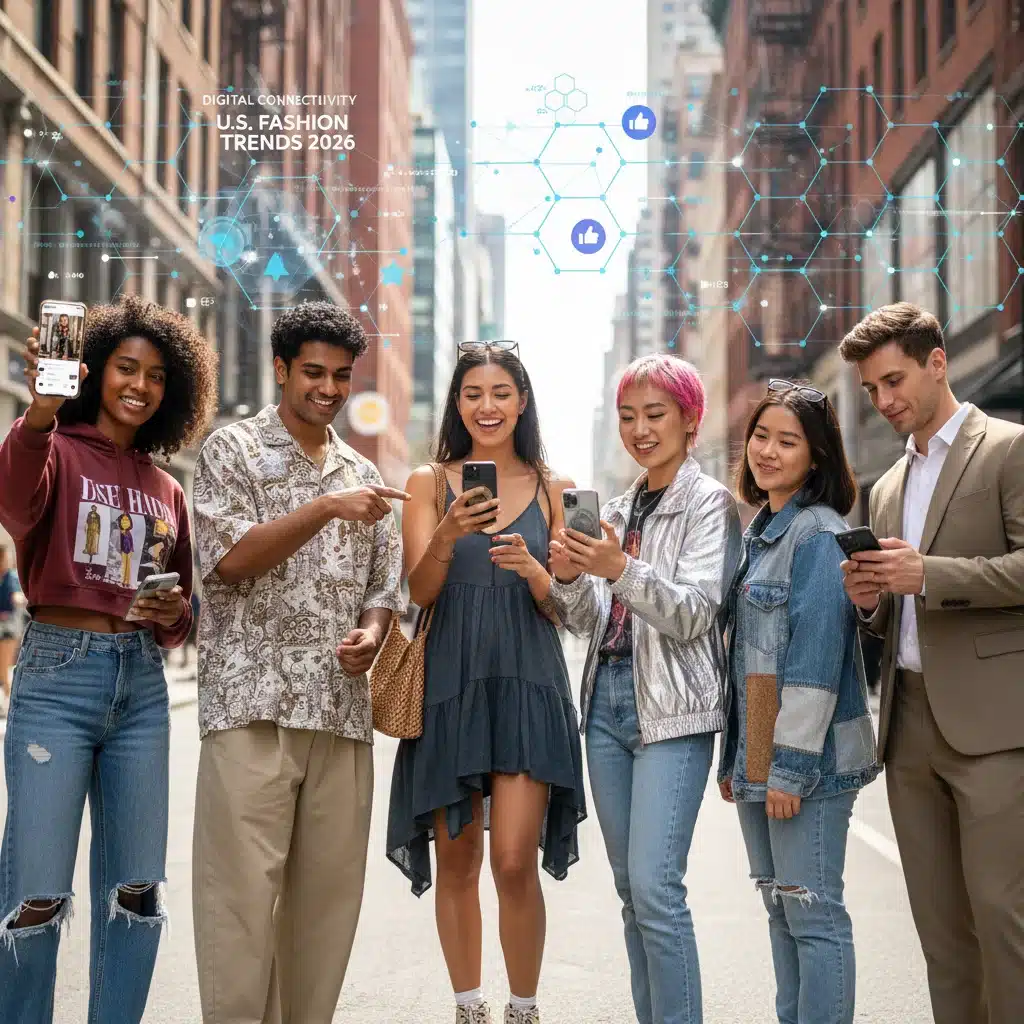
In an era defined by digital connectivity, the fashion industry has undergone a seismic shift, with social media emerging as an undeniable powerhouse influencing consumer choices. As we look towards 2026, understanding social media fashion dynamics in the U.S. is not merely an academic exercise but a critical imperative for brands, marketers, and consumers alike. The digital landscape has reshaped how trends are born, disseminated, and adopted, transforming the very fabric of American style.
The profound impact of social media on U.S. fashion decisions is a multifaceted phenomenon, extending far beyond simple advertising. It encompasses everything from the rise of micro-trends to the democratization of style, where individual voices can challenge established norms. This comprehensive deep dive aims to dissect these intricate connections, offering a forward-looking perspective on how platforms like Instagram, TikTok, Pinterest, and even emerging networks continue to sculpt the American wardrobe.
Our analysis will explore the evolving role of influencers, the efficacy of user-generated content, the rise of social commerce, and the psychological underpinnings that drive consumers to make fashion choices based on their digital interactions. By examining these elements, we can paint a clearer picture of the 2026 fashion landscape and anticipate future trajectories.
The Evolution of Social Media in Fashion: From Inspiration to Transaction
The journey of social media fashion has been rapid and revolutionary. Initially, platforms like Instagram served primarily as visual inspiration boards, allowing users to discover new styles and follow their favorite brands and celebrities. This passive consumption quickly evolved into active engagement, with users not only admiring but also aspiring to replicate the looks they encountered online. The immediacy of social media meant that trends could ignite and spread globally within hours, a stark contrast to the slower cycles of traditional fashion media.
Advertisements
By 2026, social media platforms have transcended their role as mere content distributors; they are now fully integrated ecosystems where discovery, engagement, and direct commerce converge. The ‘see now, buy now’ model, once a luxury concept, has become a standard expectation driven by social media. Consumers can move seamlessly from admiring a product on an influencer’s post to purchasing it through integrated shopping features, often without ever leaving the platform. This frictionless path to purchase is a cornerstone of current social media fashion strategies.
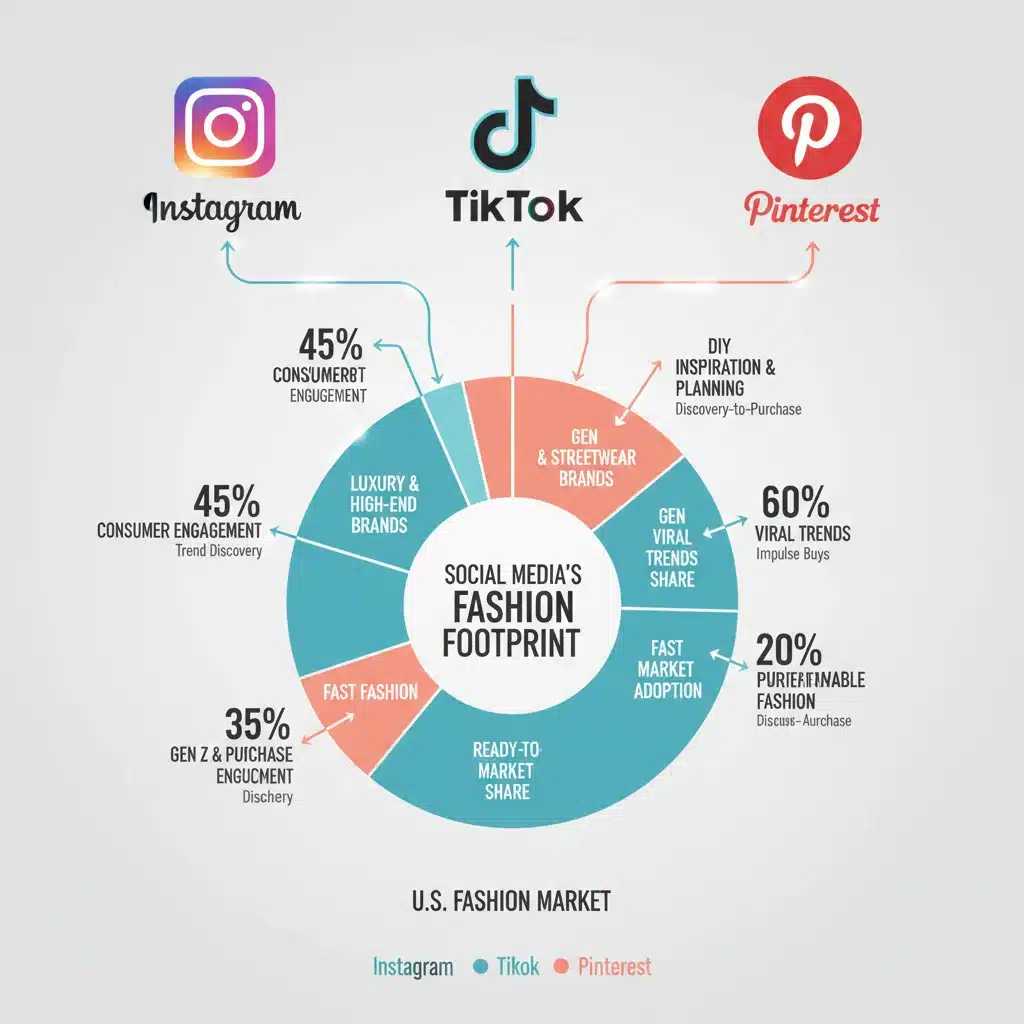
The data unequivocally supports this evolution. Studies consistently show that a significant percentage of U.S. consumers, particularly younger demographics, rely on social media for fashion inspiration and purchasing decisions. This reliance is not just about discovering new items but also about validating choices through peer reviews, influencer endorsements, and community feedback. The collective intelligence of the digital sphere plays a crucial role in shaping individual fashion identities.
Key Platforms Driving U.S. Fashion Trends in 2026
While the social media landscape is constantly shifting, certain platforms maintain their dominance in the fashion realm. Each offers unique features that cater to different aspects of the fashion consumer journey:
- TikTok: The undisputed king of viral trends and micro-trends. Its algorithm’s ability to quickly surface engaging content means that obscure styles can become mainstream overnight. Short-form video content allows for dynamic fashion showcases, DIY style tips, and authentic ‘get ready with me’ (GRWM) videos that resonate deeply with Gen Z and younger millennials. The platform’s emphasis on authenticity and creativity makes it a powerful incubator for emerging social media fashion aesthetics.
- Instagram: Still a visual powerhouse, Instagram continues to be essential for high-quality fashion imagery, brand storytelling, and influencer collaborations. Features like Instagram Shopping, Reels, and Stories provide diverse avenues for brands to connect with consumers. Its established infrastructure for direct messaging and community building fosters loyal brand followings.
- Pinterest: A go-to platform for long-term fashion planning, inspiration boards, and discovery of specific styles. Users often turn to Pinterest for outfit ideas, wedding attire, or seasonal fashion updates. Its visual search capabilities make it a powerful tool for visual discovery, bridging the gap between inspiration and product sourcing.
- YouTube: While not purely a fashion platform, YouTube remains crucial for in-depth reviews, hauls, styling tutorials, and fashion vlogs. Its longer-form content allows for more detailed discussions and demonstrations, appealing to consumers seeking comprehensive information before making a purchase.
- Emerging Platforms: Keep an eye on newer platforms or niche communities that might gain traction. Decentralized social media and platforms focused on specific aesthetics or sustainable fashion could carve out significant influence in the coming years, further diversifying the landscape of social media fashion.
The Unstoppable Rise of Influencer Marketing in Fashion
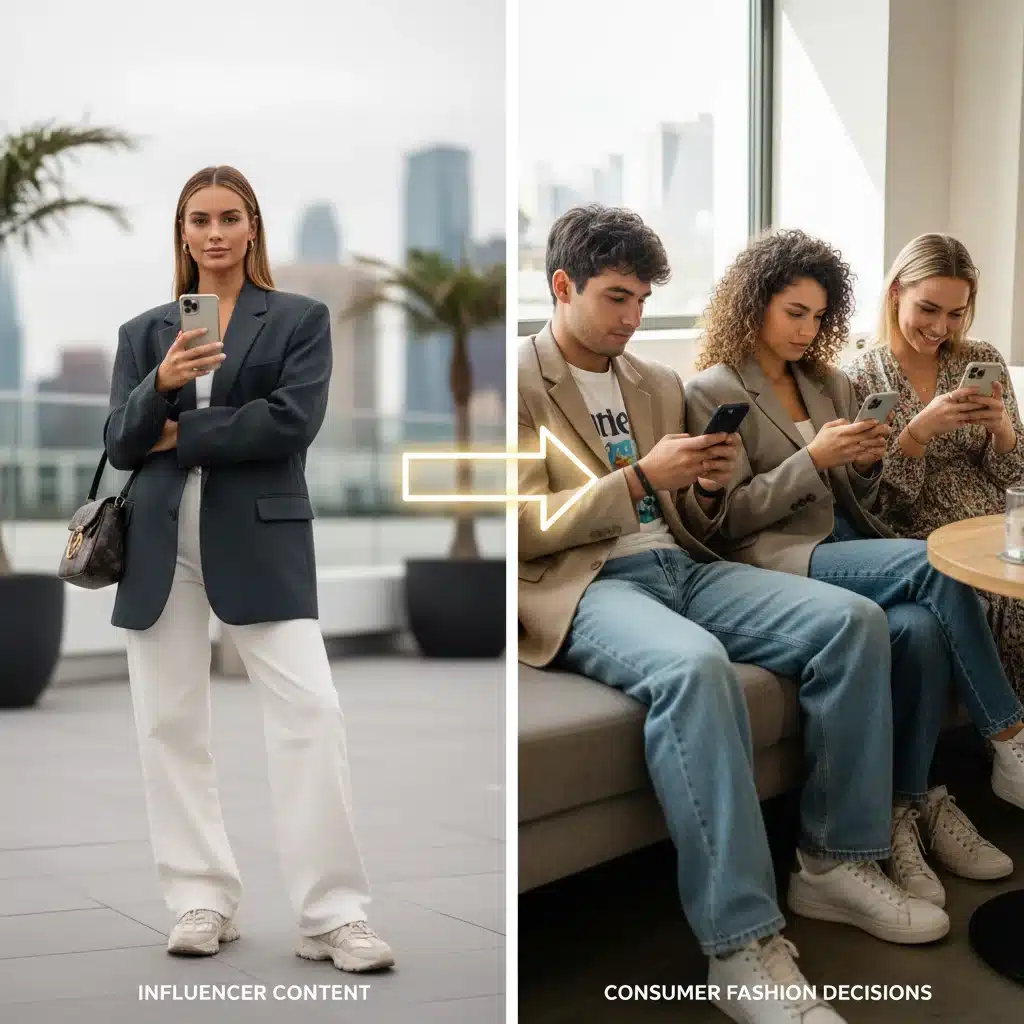
Influencer marketing is no longer a nascent strategy; it is a fully matured and indispensable component of social media fashion. In 2026, influencers, from mega-celebrities to nano-creators, act as trusted advisors, trendsetters, and often, direct sales channels. Their ability to foster authentic connections with their audience translates directly into purchasing power.
The effectiveness of influencer marketing stems from its ability to bypass traditional advertising fatigue. Consumers are more likely to trust recommendations from individuals they perceive as relatable and genuine, rather than overt brand messaging. This trust is built over time through consistent content creation, personal storytelling, and transparent interactions. For fashion brands, collaborating with the right influencers means tapping into pre-existing communities and leveraging that established credibility.
Types of Influencers and Their Impact
- Mega-Influencers/Celebrities: With millions of followers, these individuals offer massive reach and brand visibility. Their endorsements often lead to significant spikes in sales and brand awareness, though their impact can sometimes be less about authentic connection and more about aspirational appeal.
- Macro-Influencers: Possessing hundreds of thousands to a few million followers, macro-influencers strike a balance between broad reach and a more engaged audience. They are often specialists in specific niches (e.g., sustainable fashion, streetwear) and can drive considerable traffic and conversions.
- Micro-Influencers: With follower counts ranging from 10,000 to 100,000, micro-influencers boast higher engagement rates and a more niche, dedicated audience. Their recommendations often feel more personal and trustworthy, leading to higher conversion rates for targeted campaigns. They are crucial for driving specific product sales and building brand loyalty within particular communities.
- Nano-Influencers: With fewer than 10,000 followers, nano-influencers are everyday individuals with passionate, hyper-local, or very niche communities. Their influence is built on genuine personal connections, making their recommendations incredibly impactful within their small circles. Brands increasingly recognize the power of nano-influencers for grassroots marketing and authentic word-of-mouth promotion.
The strategic selection of influencers is paramount. Brands must move beyond vanity metrics and focus on audience alignment, engagement rates, and the influencer’s ability to genuinely represent their brand values. The future of social media fashion marketing will likely see even more sophisticated tools for identifying and collaborating with influencers who can deliver measurable ROI.
User-Generated Content (UGC): The Authentic Voice of Fashion
Beyond professional influencers, user-generated content (UGC) has become an incredibly potent force in shaping social media fashion decisions. UGC refers to any content—photos, videos, reviews—created by consumers themselves rather than by brands or paid influencers. Its power lies in its authenticity and relatability.
When consumers see real people, not models, wearing and styling clothes, it creates a sense of trust and inspiration. UGC acts as social proof, validating purchasing decisions and encouraging others to follow suit. Platforms like TikTok, with its emphasis on user participation and challenges, have amplified the reach and impact of UGC, turning everyday individuals into accidental trendsetters.
Leveraging UGC for Fashion Brands
For fashion brands, actively encouraging and curating UGC is a strategic imperative. This can be achieved through:
- Hashtag Campaigns: Creating branded hashtags that encourage customers to share their outfits and style using the brand’s products.
- Contests and Giveaways: Incentivizing UGC by offering prizes for the best user-submitted content.
- Featuring Customer Content: Sharing customer photos and videos on official brand social media channels, giving credit to the creators. This not only provides fresh content but also builds community and makes customers feel valued.
- Reviews and Testimonials: Integrating customer reviews and photos directly into product pages and social media posts, leveraging positive experiences to drive future sales.
The beauty of UGC in social media fashion is its organic nature. It’s cost-effective, generates a continuous stream of fresh content, and, most importantly, builds genuine brand affinity. In an increasingly skeptical consumer landscape, UGC cuts through the noise of traditional advertising, offering a credible and persuasive voice.
Social Commerce: The Future of Fashion Retail
The integration of shopping functionalities directly within social media platforms, known as social commerce, is rapidly redefining fashion retail. By 2026, social commerce is not just an add-on; it’s a fundamental channel for discovery and purchase for many U.S. fashion consumers. The ability to browse, select, and buy products without leaving the social environment streamlines the consumer journey and reduces friction, leading to higher conversion rates.
Features like shoppable posts, live shopping events, and in-app checkout are becoming standard across major platforms. Brands are investing heavily in optimizing their social storefronts, understanding that consumers expect a seamless and engaging shopping experience on their preferred social networks.
Impact on Consumer Behavior
Social commerce influences consumer behavior in several critical ways:
- Impulse Buying: The immediate visibility of products, coupled with direct purchase options, can encourage more impulse buys. Seeing a desirable item styled by an influencer or peer can trigger an instant desire to own it.
- Personalized Recommendations: Social media algorithms are highly sophisticated, delivering personalized product recommendations based on past interactions, preferences, and demographic data. This tailored approach enhances discovery and relevance.
- Community-Driven Purchases: Live shopping events, where influencers showcase products and interact with viewers in real-time, create a communal shopping experience. The excitement and limited-time offers during these events can drive significant sales.
- Reduced Purchase Funnel: Social commerce collapses the traditional purchase funnel, moving consumers directly from awareness to conversion within a single platform. This efficiency is a major draw for both consumers and brands in the social media fashion ecosystem.
The Psychological Drivers Behind Social Media Fashion Decisions
Understanding the impact of social media fashion requires delving into the psychological factors that motivate consumer choices. It’s not just about aesthetics; it’s about identity, belonging, and self-expression.
Identity and Self-Expression
Fashion is a powerful tool for self-expression, and social media provides a public stage for individuals to curate and present their desired identity. Consumers often look to social media to discover styles that align with their personal brand or to experiment with new personas. The ability to instantly share outfits and receive feedback (likes, comments) reinforces certain choices and encourages further exploration.
Social Comparison and Aspiration
While inspiring, social media can also foster social comparison. Users are constantly exposed to idealized images and lifestyles, which can create a desire to emulate the fashion choices of others, particularly influencers or peers they admire. This aspirational element is a strong driver of fashion consumption, pushing consumers to seek out items that help them achieve a desired look or status.
Fear of Missing Out (FOMO) and Trend Adoption
The rapid pace of trends on social media often generates FOMO. When a particular item or style goes viral, consumers feel pressure to adopt it quickly to remain current and relevant. This phenomenon accelerates trend cycles and creates a constant demand for newness, a key characteristic of modern social media fashion.
Community and Validation
Social media platforms create communities around shared fashion interests. Engaging with these communities provides validation for fashion choices and fosters a sense of belonging. Consumers often seek advice, share finds, and celebrate personal style within these digital groups, reinforcing their engagement with fashion content.
Challenges and Ethical Considerations in Social Media Fashion
Despite its transformative power, the pervasive influence of social media fashion is not without its challenges and ethical dilemmas. As we move further into 2026, these issues become increasingly pertinent.
Sustainability and Overconsumption
The rapid trend cycles fueled by social media can contribute to overconsumption and fast fashion, raising significant environmental concerns. Brands and influencers face increasing pressure to promote sustainable practices and responsible consumption, moving away from a purely trend-driven model towards more conscious choices.
Authenticity and Transparency
The line between genuine endorsement and paid promotion can often be blurred on social media. Ensuring transparency in influencer collaborations and distinguishing between organic content and advertisements remains a critical ethical challenge. Regulations around disclosure (e.g., #ad, #sponsored) are evolving, but consumer skepticism persists.
Body Image and Mental Health
The curated and often idealized portrayal of fashion and bodies on social media can negatively impact body image and mental health, particularly among younger audiences. The pressure to conform to unrealistic beauty standards or to constantly present a perfect image can lead to anxiety and self-esteem issues. The fashion industry, along with platforms, has a responsibility to promote diversity, inclusivity, and body positivity.
Data Privacy and Personalization
The highly personalized nature of social commerce relies on extensive data collection. Concerns about data privacy and how consumer information is used to target fashion advertisements are growing. Brands and platforms must navigate these issues carefully to maintain consumer trust.
The Future Outlook for Social Media Fashion in the U.S. (2026 and Beyond)
Looking ahead, the role of social media fashion in the U.S. is set to become even more integrated and sophisticated. Several key trends are likely to shape its future trajectory:
- Augmented Reality (AR) and Virtual Try-Ons: AR technology will become more commonplace, allowing consumers to virtually try on clothes and accessories through their smartphones. This enhances the online shopping experience, reduces returns, and brings a new level of interactivity to fashion discovery.
- Metaverse Fashion and Digital Wearables: The metaverse offers a new frontier for fashion, with digital wearables and virtual fashion shows gaining traction. Brands are exploring opportunities to create digital-only collections and experiences, blurring the lines between physical and virtual style.
- Hyper-Personalization: AI-driven algorithms will offer even more precise and predictive fashion recommendations, anticipating consumer desires before they are explicitly expressed. This will create highly tailored shopping experiences that feel uniquely designed for each individual.
- Live Commerce Expansion: Live shopping events, particularly on TikTok and Instagram, will continue to grow in popularity, becoming a staple for product launches, sales, and interactive brand engagement.
- Sustainability as a Core Value: Social media will increasingly be used as a platform to champion sustainable fashion initiatives. Consumers will seek out brands that demonstrate genuine commitment to ethical production and environmental responsibility, and influencers will play a key role in promoting conscious consumption.
- Decentralized Fashion Communities: Expect to see the rise of more niche, decentralized fashion communities built around specific aesthetics, values, or subcultures, offering alternative spaces for style discovery and expression away from mainstream platforms.
The landscape of social media fashion in the U.S. in 2026 is one of dynamic evolution, characterized by technological innovation, shifting consumer expectations, and an ongoing dialogue about ethics and responsibility. Brands that can adapt to these changes, embrace authenticity, and leverage the power of digital communities will be best positioned for success in this exciting and ever-changing environment.
Conclusion
The impact of social media on U.S. fashion decisions in 2026 is profound and undeniable. From dictating trends to facilitating direct purchases, social platforms have fundamentally reshaped how Americans engage with style. Influencers, user-generated content, and social commerce are no longer peripheral elements but central pillars of the fashion ecosystem. While challenges related to sustainability, authenticity, and mental health persist, the future promises even deeper integration of technology, personalization, and community-driven fashion experiences.
For brands, understanding and strategically navigating this digital terrain is paramount. For consumers, social media offers unprecedented access to inspiration, diverse styles, and a voice in the ever-evolving conversation of fashion. As we move forward, the interplay between digital innovation and human desire for self-expression will continue to define the vibrant world of social media fashion in the United States.