Decoding Gen Z’s 2026 Fashion Preferences: 7 Micro-Trends Shaping Consumer Spending in the US.
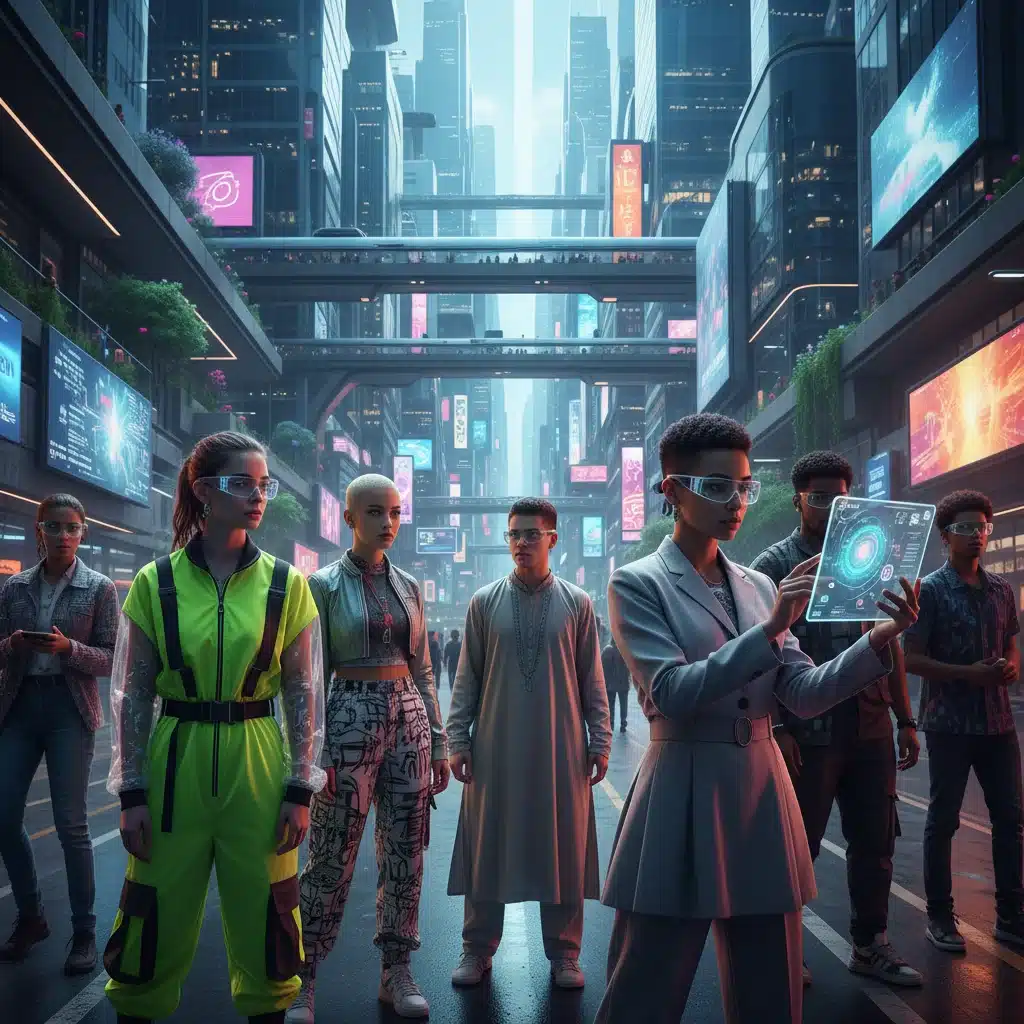
The fashion landscape is a constantly shifting entity, influenced by culture, technology, and, perhaps most significantly, the emerging generations. As we look towards 2026, one demographic stands out as the primary driver of change: Gen Z. Born roughly between 1997 and 2012, this generation possesses immense purchasing power and a unique set of values that are fundamentally reshaping how fashion is consumed, created, and perceived. Understanding Gen Z fashion trends is no longer just about predicting hemlines or color palettes; it’s about anticipating a seismic shift in consumer behavior.
Gen Z is not just buying clothes; they are investing in identities, values, and experiences. Their approach to fashion is deeply intertwined with their digital native status, their commitment to social and environmental causes, and their fluid understanding of self-expression. This article will delve into seven crucial micro-trends that are poised to dominate Gen Z’s fashion preferences and significantly influence consumer spending in the US by 2026. For brands, retailers, and anyone keen on the future of style, grasping these nuances is paramount.
What sets Gen Z apart? They are the first generation to grow up entirely immersed in the digital world. Social media, online communities, and instant access to information have shaped their perspectives on everything, including fashion. They are skeptical of traditional advertising, value authenticity above all else, and are highly attuned to global issues. These characteristics translate directly into their fashion choices, favoring brands that align with their ethical stances, offer personalized experiences, and reflect a diverse, inclusive world. The days of dictated trends from a few elite fashion houses are long gone; Gen Z fashion trends are born from the ground up, fueled by creators, influencers, and micro-communities.
Advertisements
1. The Ascendancy of Conscious Consumption and Sustainable Style
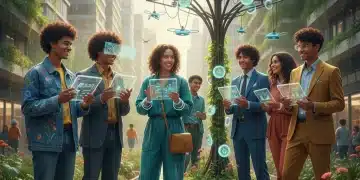
Perhaps no trend is more emblematic of Gen Z’s values than their unwavering commitment to sustainability. This isn’t a passing fad; it’s a core belief system that dictates purchasing decisions across all categories, especially fashion. By 2026, conscious consumption will move beyond a niche concern to a mainstream expectation for Gen Z fashion trends. They are acutely aware of the environmental and social impact of fast fashion, and they are actively seeking alternatives.
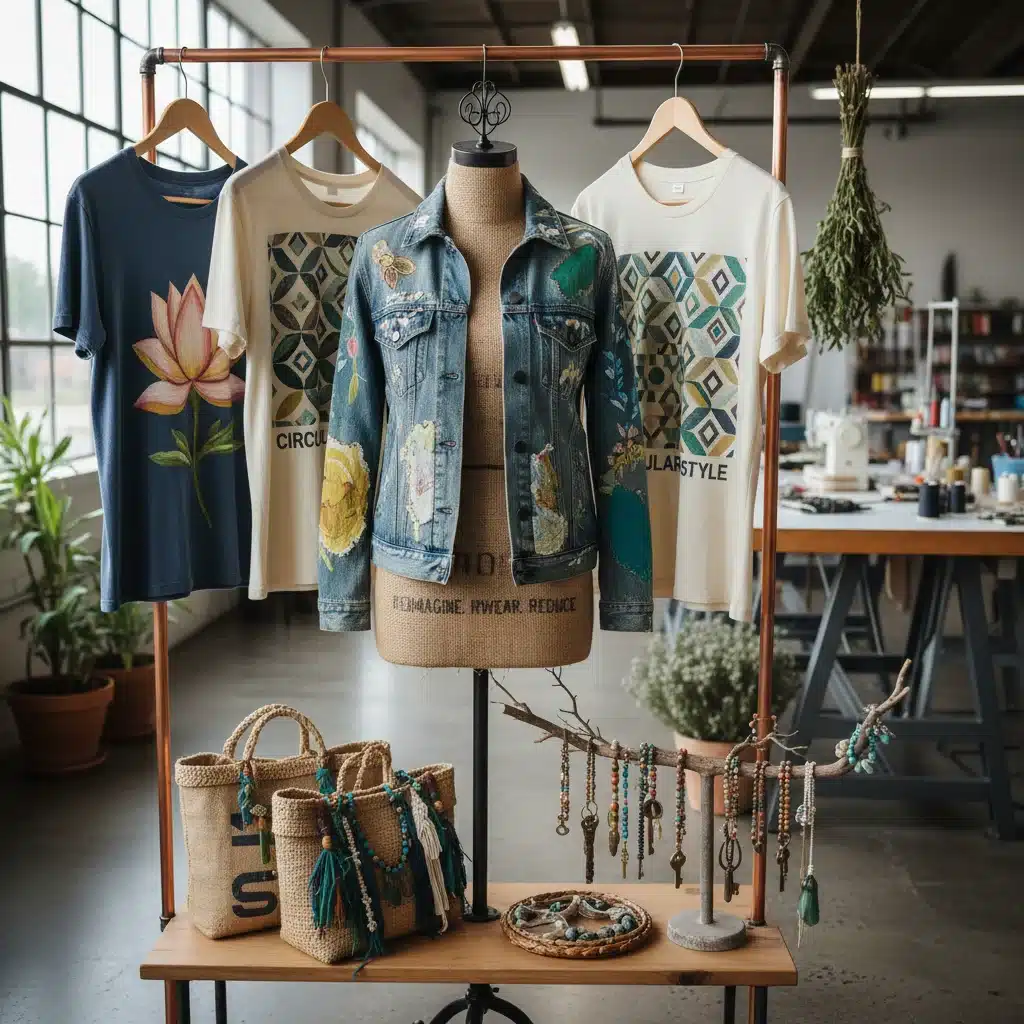
This micro-trend manifests in several ways: a preference for ethical brands that prioritize fair labor practices and transparent supply chains; a growing demand for durable, high-quality pieces designed to last; and a significant surge in the popularity of secondhand, vintage, and upcycled clothing. Gen Z embraces thrifting not just as a budget-friendly option, but as a statement against waste and a means of cultivating unique style. Rental services for special occasions and even everyday wear are also gaining traction, signaling a shift from ownership to access.
Brands that wish to capture Gen Z’s spending power must not only claim to be sustainable but genuinely embody it. This means investing in eco-friendly materials, reducing carbon footprints, ensuring fair wages, and communicating these efforts transparently. Greenwashing will be quickly exposed and rejected. The future of Gen Z fashion trends is inherently green, demanding accountability and innovation from the industry.
2. Digital Fashion and the Metaverse: Blurring Realities
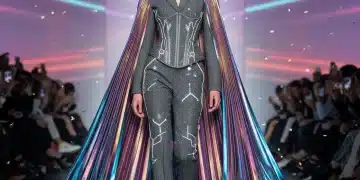
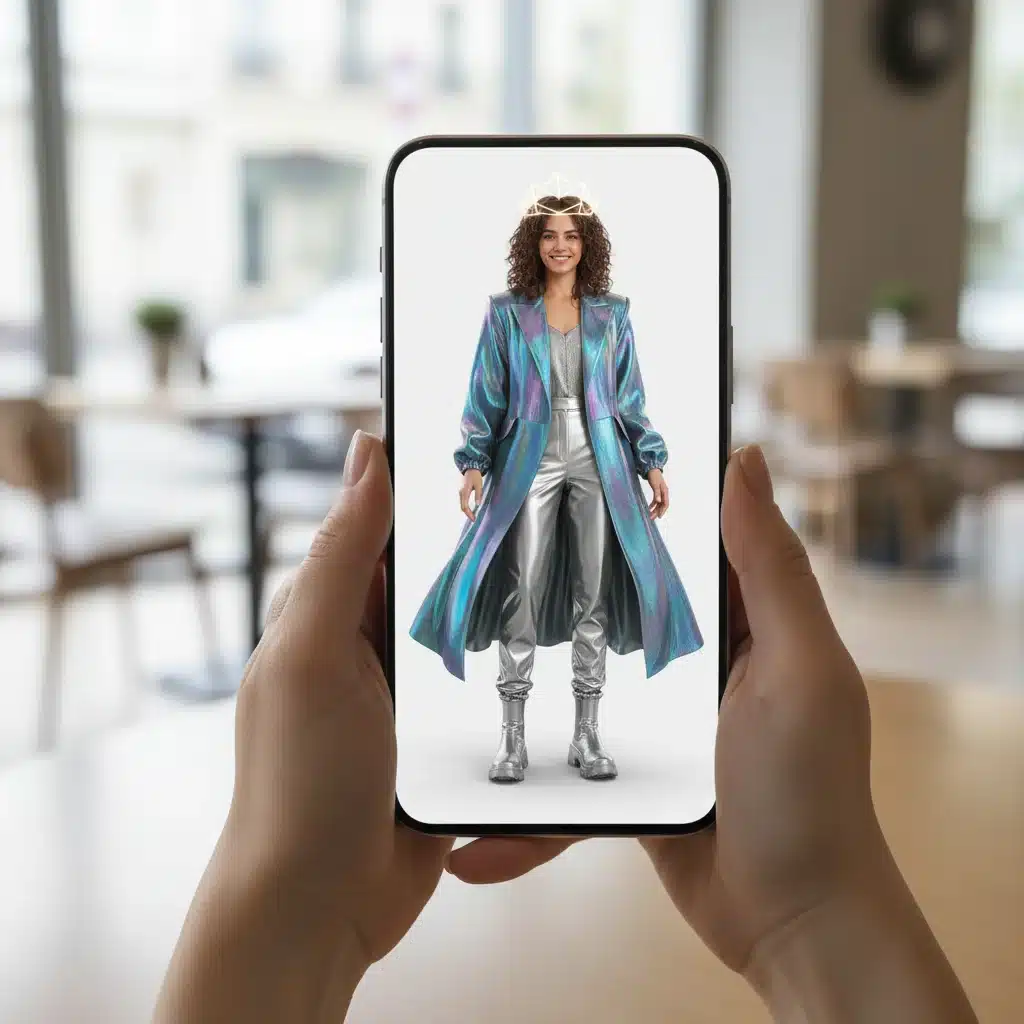
As digital natives, Gen Z seamlessly navigates between the physical and virtual worlds. This fluidity extends to their fashion choices, with digital fashion emerging as a significant micro-trend. By 2026, the metaverse and various virtual platforms will not just be spaces for gaming or social interaction; they will be legitimate arenas for fashion expression. Digital clothing, NFTs, and virtual try-on experiences are already gaining traction, and their influence is only set to expand.
Why digital fashion? For Gen Z, it offers boundless creativity, the ability to experiment with outlandish styles without physical limitations, and a cost-effective way to engage with high-end brands. Digital garments can be ‘worn’ on avatars, in video calls, or even augmented onto real-world photos and videos. This trend speaks to Gen Z’s desire for self-expression, their comfort with digital identities, and their pursuit of novelty. Brands are already launching digital collections, collaborating with metaverse platforms, and exploring NFT fashion, recognizing the immense potential for engagement and revenue.
The convergence of physical and digital fashion will also accelerate. Expect to see more brands offering physical garments with digital twins, or incorporating augmented reality features into their clothing lines. This trend isn’t about replacing physical fashion but augmenting and expanding its possibilities, creating new avenues for creativity and consumption that are deeply resonant with Gen Z fashion trends.
3. Hyper-Personalization and Customization: Beyond Mass Production
Gen Z rejects the notion of fitting into predetermined boxes. They crave individuality and authenticity, and this is reflected in their desire for hyper-personalized and customized fashion. Mass-produced, generic items hold little appeal. By 2026, the demand for unique pieces that reflect personal taste, values, and even mood will be a dominant force in Gen Z fashion trends.
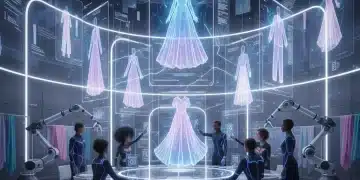
This micro-trend encompasses everything from bespoke tailoring and made-to-order garments to DIY customization and co-creation with brands. Gen Z wants to be part of the design process, adding personal touches, selecting specific features, or even creating entirely new designs. Technology plays a crucial role here, with 3D printing, advanced customization platforms, and AI-driven recommendations making personalized fashion more accessible than ever.
Brands that can offer a high degree of personalization, allowing consumers to express their unique identities, will gain a significant competitive advantage. This could involve modular clothing designs, interactive design tools, or even partnerships with independent artists for limited-edition customized pieces. The era of one-size-fits-all is over; Gen Z fashion trends demand a tailor-made experience.
4. Gender Fluidity and Androgynous Aesthetics: Breaking Binary Norms
Gen Z is the most gender-fluid generation to date, and their fashion choices reflect this progressive outlook. Traditional gendered clothing norms are increasingly being challenged and dismantled. By 2026, gender-neutral androgynous aesthetics will be a pervasive micro-trend, influencing everything from silhouettes and cuts to color palettes and marketing campaigns.
This isn’t just about women wearing ‘men’s’ clothes or vice versa; it’s about a complete reimagining of clothing categories. Brands are increasingly designing collections that are explicitly non-gendered, focusing on comfort, versatility, and individual expression rather than traditional masculine or feminine codes. Oversized silhouettes, relaxed fits, and a broader spectrum of colors and patterns are becoming staples in Gen Z fashion trends, appealing to a generation that sees gender as a spectrum rather than a binary.
For fashion brands, this means moving beyond separate ‘men’s’ and ‘women’s’ sections and instead embracing inclusive sizing, versatile designs, and marketing that speaks to a diverse audience. Retail spaces, both physical and digital, will need to adapt to this fluid approach, offering clothing that transcends traditional labels and empowers individuals to dress authentically, regardless of gender identity.
5. Comfort-Driven Utility and Elevated Basics: Function Meets Style
The pandemic accelerated a shift towards comfort in fashion, but for Gen Z, this was already a deeply ingrained preference. By 2026, comfort-driven utility and elevated basics will solidify as a key micro-trend. This doesn’t mean a rejection of style, but rather an integration of practicality, versatility, and ease into everyday wear. Think high-quality loungewear, functional activewear that transitions seamlessly to street style, and versatile basics that form the foundation of a capsule wardrobe.
Gen Z values clothing that can keep up with their dynamic lifestyles, offering both comfort and a polished aesthetic. They are investing in well-made, durable items that can be mixed and matched, dressed up or down, and worn for various occasions. The emphasis is on thoughtful design, premium materials, and subtle details that elevate seemingly simple pieces. This trend is also linked to sustainability, as investing in fewer, higher-quality items reduces waste.
Brands that excel in this space offer innovative fabrics, ergonomic designs, and timeless pieces that transcend seasonal trends. They understand that Gen Z fashion trends prioritize clothing that feels good, performs well, and looks effortlessly chic, reflecting a pragmatic yet stylish approach to dressing.
6. Nostalgia Reimagined: Y2K and Beyond with a Modern Twist
While Gen Z is forward-looking, they also have a keen appreciation for nostalgia, particularly for eras they didn’t directly experience. By 2026, the micro-trend of nostalgia reimagined will continue to influence Gen Z fashion trends, with a particular emphasis on Y2K aesthetics and other late 20th/early 21st-century styles. However, this isn’t a simple reproduction; it’s a reinterpretation through a modern, often sustainable, lens.
Think low-rise jeans, vibrant color palettes, chunky platforms, and graphic tees reminiscent of the early 2000s, but updated with contemporary cuts, eco-friendly materials, and a more inclusive approach to sizing and styling. Gen Z discovers these trends through platforms like TikTok and Instagram, where historical fashion references are constantly being unearthed and reinvented by creators. This allows them to cherry-pick elements that resonate and integrate them into their unique personal style.
Brands can tap into this trend by offering modern takes on vintage designs, collaborating with historical fashion archives, or even re-releasing iconic pieces with sustainable upgrades. The key is to understand that Gen Z appreciates the aesthetic but demands that it aligns with their modern values of individuality and conscious consumption. It’s about celebrating the past while firmly looking towards the future of Gen Z fashion trends.
7. Community-Driven Micro-Trends and Niche Aesthetics: The Power of Subcultures
In contrast to previous generations where trends often trickled down from mainstream media, Gen Z’s fashion is heavily influenced by community-driven micro-trends and niche aesthetics that emerge from online subcultures. By 2026, this fragmentation of trends will be more pronounced than ever, making it challenging for brands to identify and cater to a single overarching style. Instead, success will lie in understanding and engaging with diverse, often rapidly evolving, micro-communities.
These micro-trends can range from specific aesthetics like ‘dark academia,’ ‘cottagecore,’ ‘alt fashion,’ or ‘clean girl aesthetic’ to highly specific style challenges or viral fashion moments on social media. They are often short-lived but intensely influential within their respective communities. Gen Z participates in these trends as a form of self-expression, community building, and a way to signal belonging.
For brands, this means moving away from broad, generic campaigns and instead focusing on authentic engagement with these niche communities. Collaborations with micro-influencers who genuinely represent a specific aesthetic, creating limited-edition drops that cater to particular subcultures, and fostering online spaces where Gen Z can co-create and share their styles will be crucial. The power dynamic has shifted; Gen Z fashion trends are dictated by the collective voice of many, not the singular vision of a few.
Conclusion: Navigating the Evolving Landscape of Gen Z Fashion
The year 2026 will see Gen Z firmly established as the dominant force in shaping fashion preferences and consumer spending in the US. Their approach to style is multifaceted, characterized by a blend of conscious consumption, digital integration, radical individuality, and a fluid understanding of identity. The seven micro-trends discussed – conscious consumption, digital fashion, hyper-personalization, gender fluidity, comfort-driven utility, reimagined nostalgia, and community-driven aesthetics – are not isolated phenomena but interconnected facets of a broader cultural shift.
For brands and retailers, adapting to these Gen Z fashion trends requires more than just updating product lines. It demands a fundamental re-evaluation of business practices, marketing strategies, and brand values. Authenticity, transparency, inclusivity, and a genuine commitment to sustainability are no longer optional but essential. Embracing technology, fostering community, and empowering individual expression will be key to connecting with this influential generation.
The future of fashion, as shaped by Gen Z, promises to be more dynamic, diverse, and value-driven than ever before. By understanding and responding to these evolving micro-trends, the industry can not only meet the demands of this powerful consumer group but also contribute to a more innovative, responsible, and expressive fashion world. The era of Gen Z fashion trends is here, and it’s redefining everything we thought we knew about style.