Gen Z’s TikTok Fashion Influence: 10 New Fast Fashion Styles for 2026
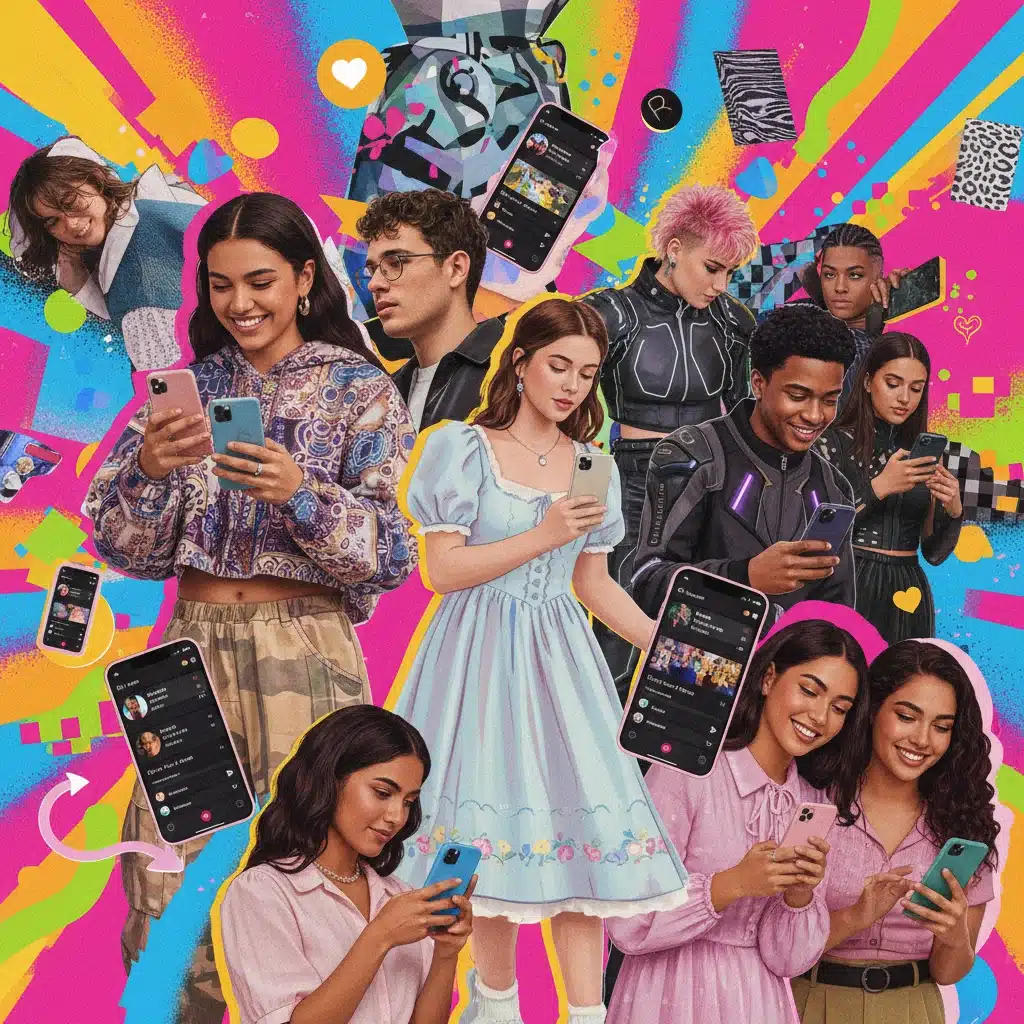
In the ever-evolving landscape of fashion, one demographic stands out as the ultimate trendsetter: Gen Z. This digitally native generation, born between the mid-1990s and early 2010s, wields unparalleled influence, primarily through platforms like TikTok. What starts as a niche aesthetic shared amongst friends can, within days, explode into a global phenomenon, reshaping the runways and retail racks of fast fashion. For brands looking to stay relevant and capture the attention of this powerful consumer group, understanding how Gen Z fashion trends are born and evolve is not just beneficial; it’s essential. As we look towards 2026, the impact of TikTok on fast fashion is set to intensify, bringing forth a fascinating array of new styles that blend nostalgia, individuality, and a touch of the unexpected.
The speed at which Gen Z fashion trends propagate is astounding. Unlike previous generations that relied on magazines, TV, or even early internet blogs for style cues, Gen Z lives and breathes fashion through short-form video content. A catchy sound, a unique outfit combination, or a creative styling hack can go viral overnight, creating an instant demand that fast fashion brands are uniquely positioned to meet. This dynamic interplay between content creation and consumption has birthed an ecosystem where microtrends flourish, each with its own distinct visual language and cultural resonance. This article will delve deep into 10 such emerging styles, predicting their prominence in the fast fashion landscape of 2026, and exploring the underlying cultural shifts that fuel their rise.
The TikTok Effect: How Gen Z Reshapes Fashion
Before we dive into the specific trends, it’s crucial to understand the mechanism behind TikTok’s influence. TikTok isn’t just a platform for entertainment; it’s a powerful search engine, a community hub, and a direct pipeline between creators and consumers. Gen Z uses TikTok to discover new styles, find inspiration, and connect with like-minded individuals. The algorithmic nature of the platform means that even obscure aesthetics can find their audience, fostering a sense of belonging and encouraging experimentation. This democratic approach to trendsetting means that fashion is no longer dictated solely by elite designers or traditional media; instead, it’s a collective, bottom-up movement driven by authentic expression. The immediacy of TikTok also means that trends have shorter lifecycles, pushing fast fashion to its limits in terms of rapid design, production, and distribution. This constant churn of newness is a defining characteristic of Gen Z fashion trends.
Advertisements
From Niche to Mainstream: The Lifecycle of a TikTok Trend
A typical TikTok fashion trend often starts with a few early adopters, usually content creators with a strong personal style or a unique point of view. They might share an outfit of the day (OOTD), a styling challenge, or a thrifting haul featuring a particular aesthetic. If the content resonates, others begin to replicate it, adding their own interpretations. As more users participate, the trend gains momentum, often accompanied by a specific hashtag or sound. Brands and influencers quickly pick up on this, creating their own content to capitalize on the hype. Finally, fast fashion retailers, with their agile supply chains, translate these viral aesthetics into accessible, affordable garments, bringing them to the mass market. This rapid progression from niche interest to mainstream availability is a hallmark of Gen Z fashion trends and highlights the platform’s incredible power.
10 Emerging Gen Z Fashion Trends Driving Fast Fashion in 2026
Based on current trajectories, cultural shifts, and the inherent creativity of Gen Z, here are 10 Gen Z fashion trends poised to dominate fast fashion in 2026:
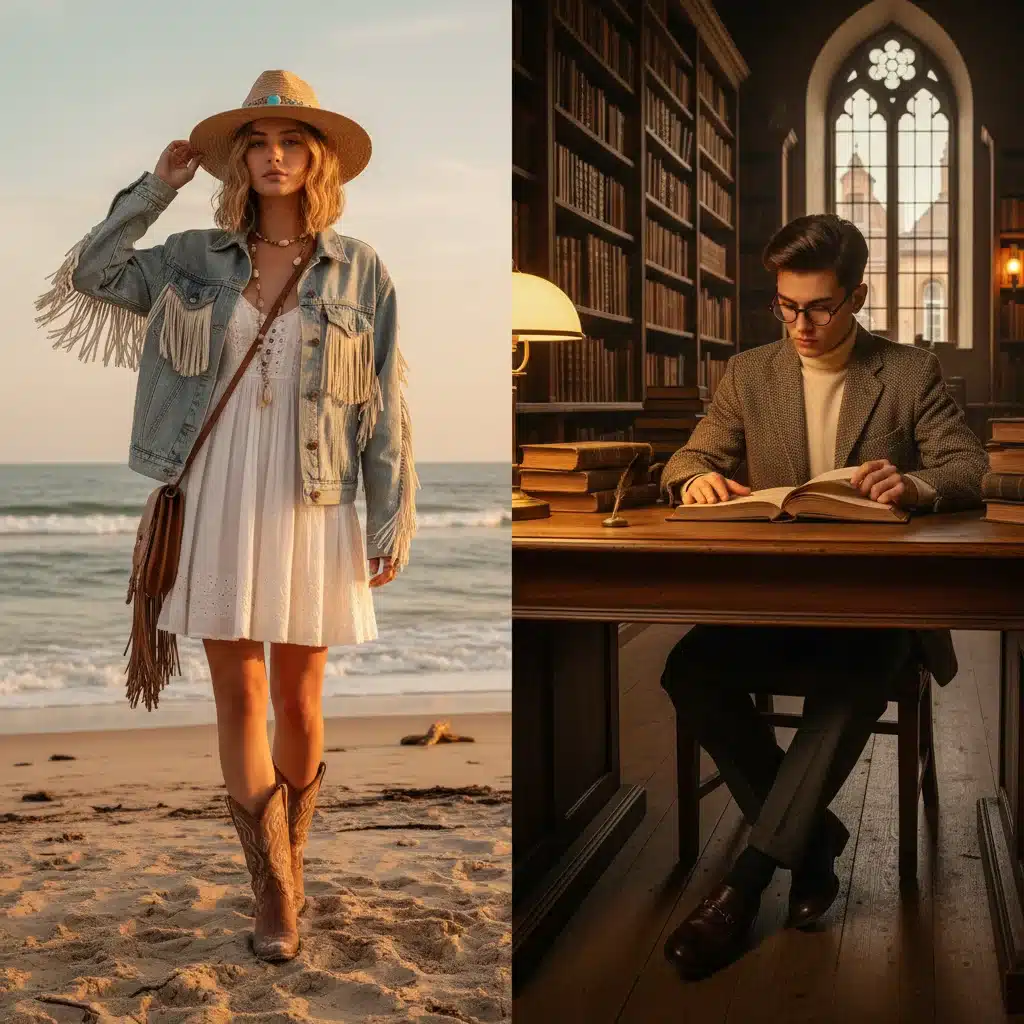
1. Coastal Cowgirl
Imagine the relaxed vibe of a beach day mixed with the rugged charm of the Wild West. Coastal Cowgirl is an aesthetic that blends denim, fringe, cowboy boots, straw hats, and soft, flowy fabrics in pastel or earthy tones. Think bohemian blouses paired with distressed denim shorts, or a delicate sundress with cowboy boots. This trend speaks to a desire for escapism, adventure, and a connection to nature, offering a fresh take on Americana. Fast fashion will embrace this with affordable denim pieces, faux leather accessories, and breezy cotton blends.
2. Dark Academia 2.0
While Dark Academia has been around, its 2.0 iteration is less about strictly traditional collegiate wear and more about a sophisticated, slightly melancholic intellectualism with a modern twist. Expect tweed blazers, plaid skirts, sweater vests, tailored trousers, and oxford shoes, but with an emphasis on sustainable materials, oversized fits, and gender-fluid styling. It’s about the pursuit of knowledge and a romanticized view of scholarly life, adapted for the contemporary Gen Z wardrobe. Fast fashion will deliver this through structured knits, tailored separates, and vintage-inspired prints.
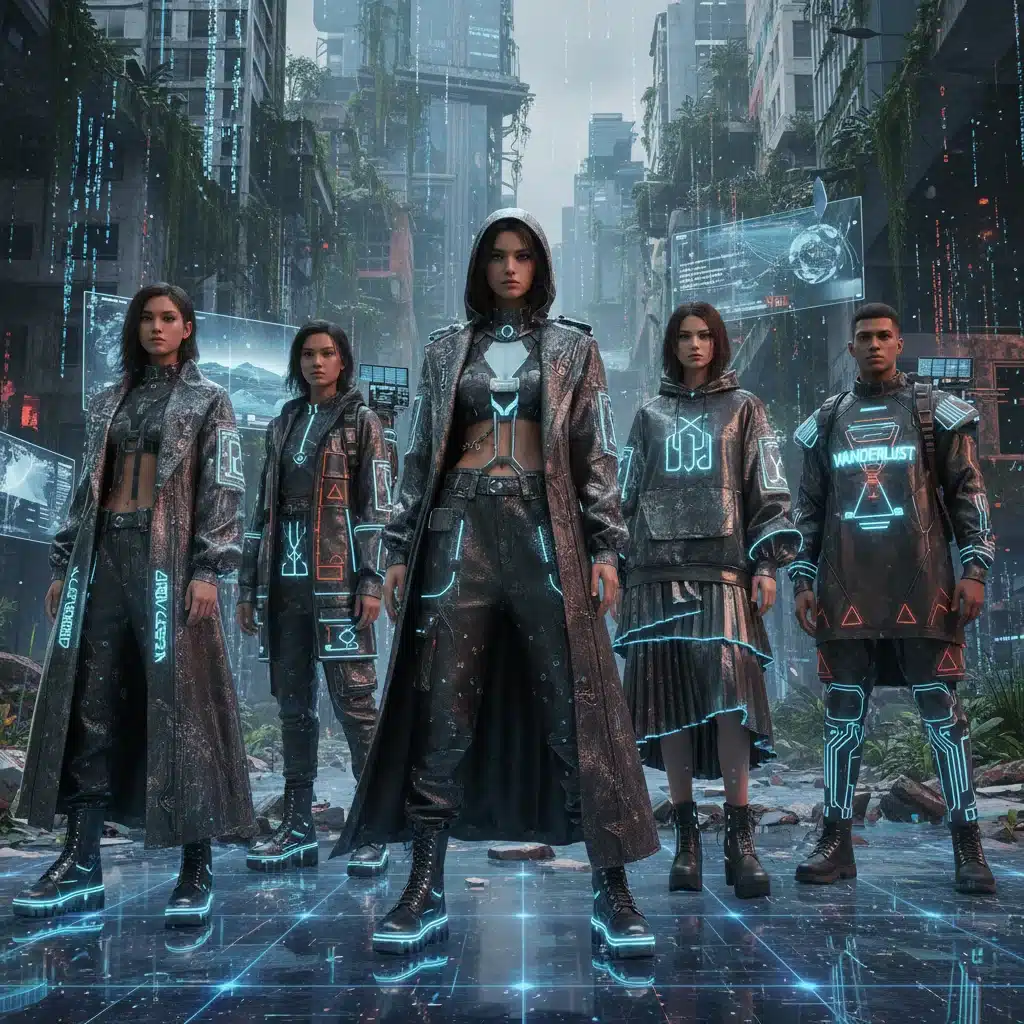
3. Y2K Revival: Cyber-Punk Edition
The Y2K aesthetic continues its reign, but for 2026, it’s evolving into a more cyber-punk, futuristic iteration. Think metallic fabrics, holographic details, cargo pants with excessive pockets, micro-mini skirts, graphic tees with glitch art, and chunky platform shoes. This trend is playful, bold, and embraces technology, reflecting Gen Z’s digital fluency and their desire to push boundaries. Fast fashion will churn out iridescent materials, bold prints, and accessible versions of futuristic accessories.
4. Cottagecore Maximalism
Cottagecore, with its idyllic, pastoral charm, is getting a maximalist upgrade. Instead of simple floral dresses, expect layers of lace, intricate embroidery, dramatic puff sleeves, elaborate ruffles, and an abundance of whimsical patterns. This trend is about embracing fantasy, self-sufficiency, and a romanticized vision of rural life, but with a more opulent and expressive flair. Fast fashion will offer tiered dresses, embellished blouses, and statement accessories that evoke a sense of enchanted abundance.
5. Neo-Grunge
Grunge is back, but with a cleaner, more refined edge, hence ‘Neo-Grunge.’ This isn’t about looking disheveled; it’s about intentional layering, distressed details, oversized silhouettes, and a muted color palette with pops of deep jewel tones. Think ripped jeans, band tees, flannel shirts, combat boots, and slouchy knitwear, but styled with a sense of deliberate cool rather than pure rebellion. It’s a nod to 90s nostalgia filtered through a modern, sophisticated lens. Fast fashion will provide elevated basics, quality denim washes, and graphic prints that tap into this aesthetic.
6. Digital Nomad Chic
As remote work becomes more prevalent, a new style emerges for those who blend travel with professional life. Digital Nomad Chic is practical, comfortable, and versatile, yet still stylish. Think modular clothing, wrinkle-resistant fabrics, athleisure elements, neutral color palettes, and functional accessories like stylish backpacks and comfortable, yet fashionable, footwear. This trend prioritizes utility and adaptability without sacrificing aesthetics, perfect for a generation on the go. Fast fashion will focus on convertible garments, technical fabrics, and travel-friendly collections.
7. Dopamine Dressing 2.0
Dopamine dressing, the act of wearing clothes that boost your mood, is evolving beyond simple bright colors. Dopamine Dressing 2.0 incorporates playful textures, unexpected color combinations, whimsical prints, and exaggerated silhouettes. It’s about joyful self-expression and using fashion as a tool for optimism. Expect vibrant patterns, tactile fabrics like faux fur and sequins, and statement pieces that defy conventional pairings. Fast fashion will be instrumental in making these bold and joyful pieces accessible to a wider audience, encouraging experimentation with color and texture.
8. Deconstructed Tailoring
Traditional tailoring is being reimagined with a deconstructed approach. This trend features elements like exposed seams, asymmetrical cuts, oversized blazers with cut-outs, trousers with unexpected pleats, and shirts that can be worn in multiple ways. It’s about breaking free from rigid structures and embracing a more fluid, artistic approach to formalwear. This trend appeals to Gen Z’s desire for individuality and their rejection of conventional norms. Fast fashion will offer innovative cuts and versatile pieces that allow for creative styling.
9. Eco-Conscious Minimalism
While fast fashion and sustainability often seem at odds, Gen Z’s growing environmental awareness is pushing for change. Eco-Conscious Minimalism focuses on timeless, high-quality basics made from sustainable materials. Think organic cotton t-shirts, linen trousers, recycled polyester outerwear, and ethically sourced knitwear in a neutral, earthy palette. This trend emphasizes longevity, versatility, and responsible consumption, even within the fast fashion cycle, as brands strive to offer more eco-friendly lines. Fast fashion will respond by integrating more sustainable fabrics and production methods, albeit often at a rapid pace.
10. Athleisure Elevated
Athleisure continues to dominate, but for 2026, it’s becoming more refined and versatile. Elevated Athleisure blur the line between activewear and everyday clothing, featuring sophisticated fabrics, tailored cuts, and stylish details. Think performance leggings paired with oversized blazers, sleek tracksuits worn with heels, or designer sneakers complementing a formal outfit. It’s about comfort meeting chic, reflecting Gen Z’s active lifestyles and their preference for functional yet fashionable attire. Fast fashion will offer premium-feel activewear that transitions seamlessly from gym to street.
The Broader Impact of Gen Z on the Fast Fashion Industry
The influence of Gen Z fashion trends extends far beyond mere aesthetics. This generation is driving significant shifts in how the fashion industry operates. Their demand for authenticity, transparency, and social responsibility is pushing brands to re-evaluate their production processes, labor practices, and environmental impact. While fast fashion is inherently designed for rapid consumption, Gen Z’s growing awareness of sustainability issues means that even these brands are under pressure to adopt more ethical practices, offer recycling programs, or promote circular fashion initiatives. This creates a fascinating tension: the desire for newness versus the call for responsibility.
Sustainability and the Fast Fashion Conundrum
Gen Z is often lauded as the most environmentally conscious generation, yet they are also the primary drivers of fast fashion consumption. This paradox highlights a complex challenge for the industry. Brands are responding by investing in more sustainable materials, promoting transparency in their supply chains, and launching initiatives to reduce waste. However, the fundamental business model of fast fashion—producing high volumes of inexpensive clothing quickly—remains a significant hurdle. For 2026, we can expect to see more greenwashing attempts, but also genuine efforts by some fast fashion giants to integrate more sustainable practices, driven by Gen Z’s vocal demands.
Inclusivity and Representation
Another profound impact of Gen Z fashion trends is the push for greater inclusivity and representation. This generation values diversity in all its forms and expects brands to reflect this in their campaigns, sizing, and product offerings. TikTok, with its diverse user base, naturally champions a wide range of body types, ethnicities, and gender expressions. Fast fashion brands that fail to embrace this inclusivity risk alienating a significant portion of their target market. For 2026, expect to see more diverse casting, expanded size ranges, and gender-neutral collections becoming the norm rather than the exception.
The Rise of Microtrends and the Shortening Trend Cycle
TikTok’s ability to amplify niche aesthetics has led to an explosion of microtrends. These trends, often specific to a particular aesthetic or subculture, emerge and fade rapidly, sometimes within weeks. This accelerates the fashion cycle to an unprecedented degree, posing both opportunities and challenges for fast fashion. While it allows for constant newness, it also increases pressure on design and production teams and contributes to waste. Fast fashion brands that can adapt to this hyper-speed cycle, perhaps through AI-driven trend forecasting and on-demand manufacturing, will be the ones that thrive.
The Power of Personalization and Customization
Gen Z values individuality. They don’t want to look exactly like everyone else, even if they’re following a trend. This desire for personalization is driving demand for customizable options, unique accessories, and creative styling hacks. Fast fashion brands are responding by offering more versatile pieces that can be styled in multiple ways, collaborating with creators for limited-edition drops, and even exploring ways to integrate customization into their offerings. The goal is to allow consumers to put their own stamp on popular Gen Z fashion trends.
Conclusion: Navigating the Future of Fast Fashion with Gen Z
The influence of Gen Z on TikTok is undeniably the most potent force shaping the future of fast fashion. As we look towards 2026, the 10 trends discussed – from the adventurous Coastal Cowgirl to the intellectual Dark Academia 2.0, the futuristic Cyber-Punk Y2K, the opulent Cottagecore Maximalism, the refined Neo-Grunge, the practical Digital Nomad Chic, the joyful Dopamine Dressing 2.0, the artistic Deconstructed Tailoring, the conscious Eco-Conscious Minimalism, and the versatile Athleisure Elevated – paint a vivid picture of a dynamic and diverse fashion landscape. These trends are not just about clothes; they are reflections of Gen Z’s values, aspirations, and their unique way of interacting with the world.
For fast fashion brands, understanding and adapting to these Gen Z fashion trends is crucial for survival and success. This means not only rapidly translating viral aesthetics into garments but also engaging authentically with Gen Z communities, embracing inclusivity, and making genuine strides towards more sustainable practices. The future of fashion is fast, fluid, and fiercely individual, and it’s being written, one TikTok video at a time, by Gen Z.
The constant evolution driven by this generation presents both challenges and exciting opportunities. Brands that can master the art of rapid trend identification, ethical production, and authentic community engagement will be those that truly resonate with Gen Z and continue to shape the global fashion conversation in 2026 and beyond. The fashion world must remain agile, listen intently to the digital whispers of TikTok, and be prepared to pivot at a moment’s notice, all while striving for a more responsible and inclusive industry.