Ethical Fashion Trends: Consumer Sentiment Shifts by 2026

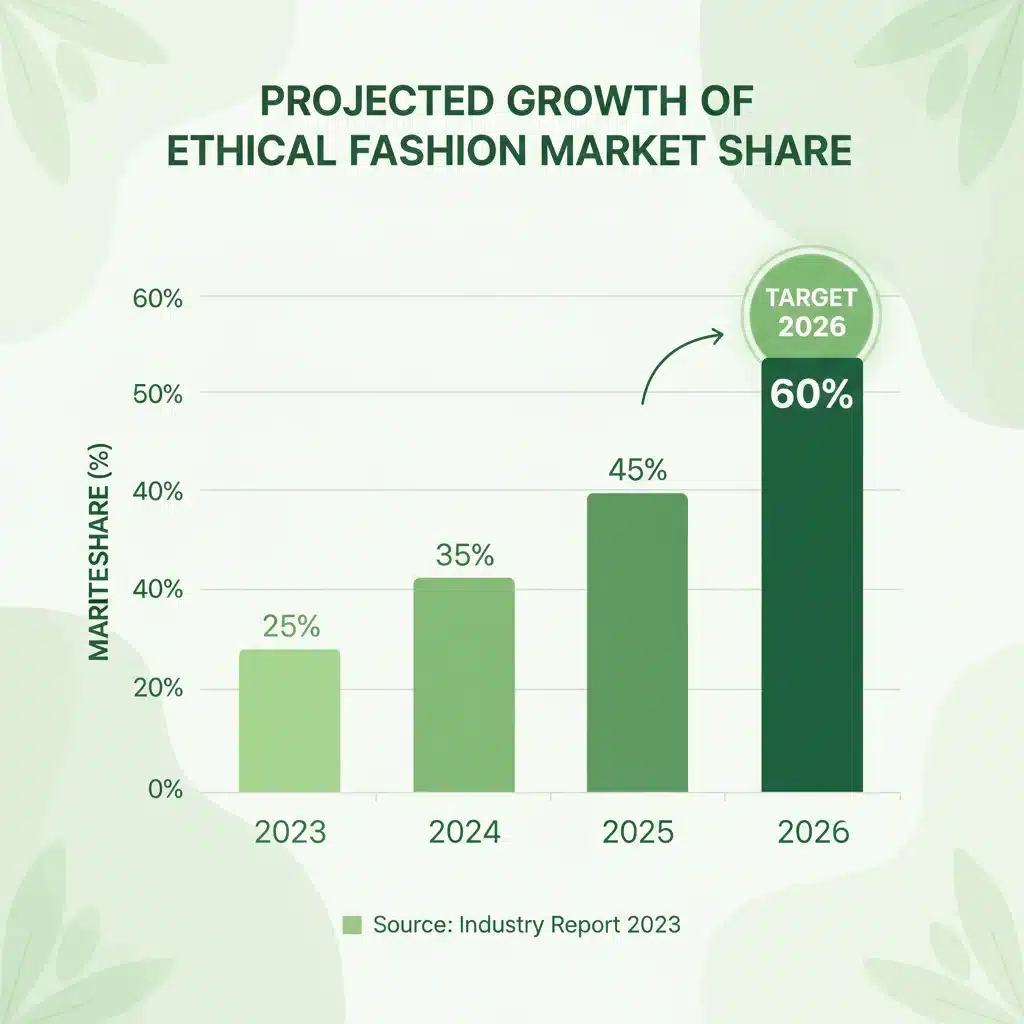
The fashion industry, long criticized for its environmental impact and labor practices, is undergoing a profound transformation. New data reveals a significant shift in consumer sentiment, with a staggering 60% of shoppers projected to prioritize ethical fashion by 2026. This isn’t just a fleeting trend; it’s a fundamental change in how consumers perceive, purchase, and interact with clothing. The rise of conscious consumption is reshaping the market, compelling brands to re-evaluate their entire supply chain, from sourcing raw materials to manufacturing processes and end-of-life disposal.
This comprehensive article explores the intricate dynamics behind this shift, delving into the factors driving consumer demand for ethical practices, the challenges and opportunities for fashion brands, and the broader implications for the global economy. Understanding these ethical fashion trends is no longer optional for businesses; it’s a prerequisite for survival and growth in the evolving landscape of retail.
The Awakening of the Conscious Consumer: What’s Driving the Shift?
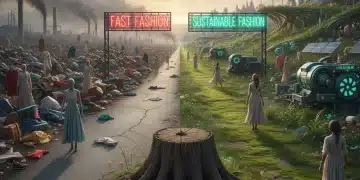
For decades, fast fashion dominated the retail landscape, offering trendy clothes at low prices, often at the expense of environmental and social well-being. However, a growing awareness of these hidden costs has spurred a consumer revolution. Several key factors are contributing to this awakening:
Increased Transparency and Information Access
The digital age has empowered consumers with unprecedented access to information. Social media, independent news outlets, and advocacy groups are shedding light on the darker sides of the fashion industry, from exploitative labor conditions in developing countries to the massive pollution caused by textile production. Documentaries like ‘The True Cost’ have played a pivotal role in educating the public, fostering a demand for greater transparency from brands.
Advertisements
Environmental Concerns at the Forefront
Climate change, plastic pollution, and resource depletion are no longer abstract concepts; they are tangible threats impacting daily lives. Consumers, particularly younger generations, are increasingly concerned about their environmental footprint. The fashion industry is a major contributor to global pollution, from water waste and chemical runoff to microplastic shedding from synthetic fabrics. As a result, shoppers are actively seeking out brands that offer sustainable alternatives, use eco-friendly materials, and implement circular economy principles.
Social Justice and Ethical Labor Practices
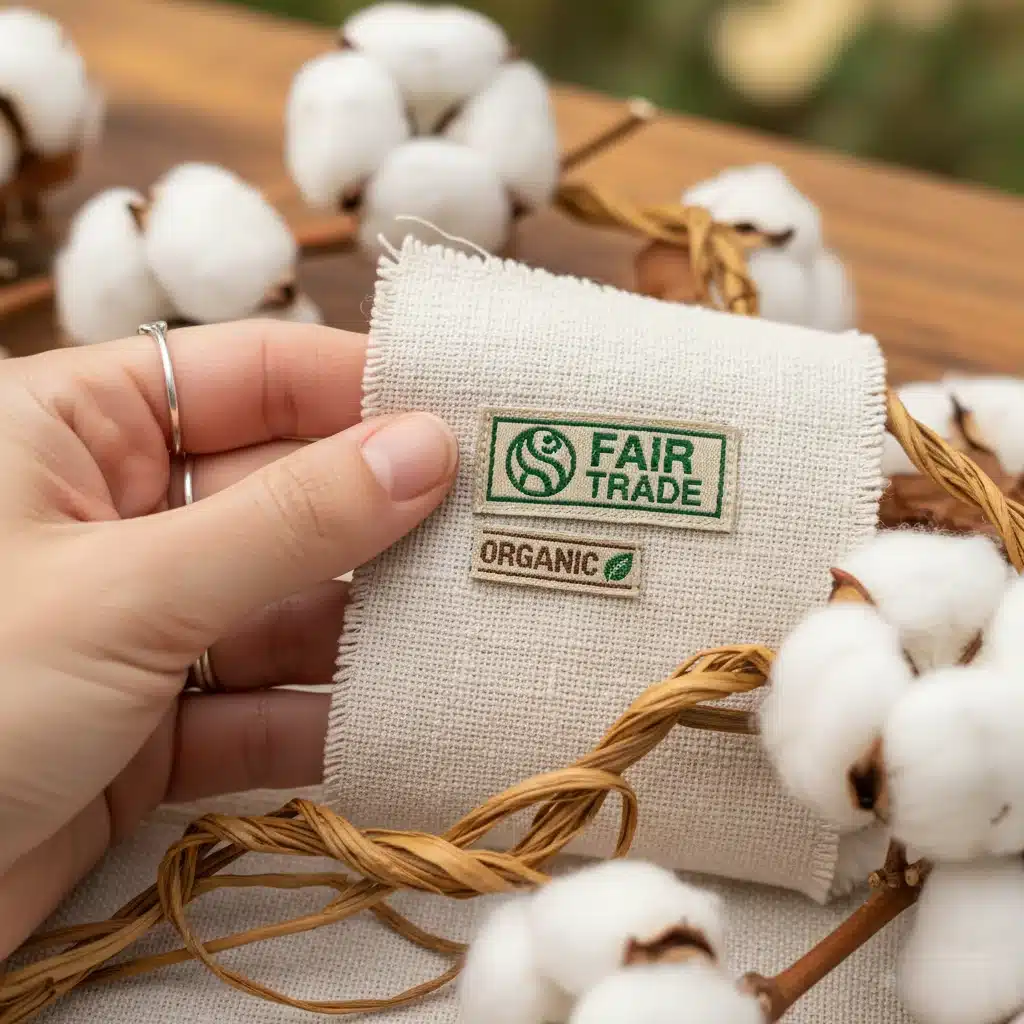
The plight of garment workers, often working long hours in unsafe conditions for meager wages, has garnered significant attention. Consumers are becoming more attuned to the human cost behind their clothing. Brands that demonstrate a commitment to fair wages, safe working environments, and equitable treatment of their workforce are gaining favor. Certifications like Fair Trade and GOTS (Global Organic Textile Standard) are becoming important indicators for consumers looking for ethically produced goods.
Influence of Gen Z and Millennials
Younger generations, particularly Gen Z and Millennials, are at the forefront of this movement. They are digital natives who value authenticity, purpose, and social responsibility. Their purchasing decisions are often influenced by a brand’s values and its impact on the world. This demographic’s growing purchasing power means that brands must align with these values to remain relevant and competitive. Their demand for ethical fashion trends is not just a preference, but an expectation.
Defining Ethical Fashion: Beyond Just ‘Green’
The term ‘ethical fashion’ encompasses a broad spectrum of practices and principles. It’s more than just using organic cotton; it’s a holistic approach to the entire lifecycle of a garment. Key pillars of ethical fashion include:
Sustainable Sourcing
This involves using materials that have a lower environmental impact, such as organic cotton, recycled polyester, hemp, linen, and innovative bio-based fabrics. It also extends to ensuring that these materials are sourced responsibly, avoiding deforestation or depletion of natural resources.
Fair Labor Practices
Ensuring that all workers involved in the supply chain, from farmers to factory workers, are paid fair wages, work in safe conditions, and are treated with dignity and respect. This includes adhering to international labor standards and avoiding child labor or forced labor.
Reduced Environmental Footprint
Minimizing waste, water usage, and chemical pollution throughout the production process. This can involve implementing closed-loop systems, using renewable energy, and avoiding harmful dyes and finishes.
Circularity and Longevity
Designing clothes for durability and longevity, encouraging repair and reuse, and exploring circular models like take-back programs, recycling initiatives, and upcycling. The goal is to keep garments in use for as long as possible and prevent them from ending up in landfills.
Transparency and Traceability
Openly sharing information about the supply chain, from the origin of materials to the manufacturing locations and labor conditions. This allows consumers to make informed choices and hold brands accountable.
The Impact on the Fashion Industry: Challenges and Opportunities
The shift towards ethical fashion presents both significant challenges and immense opportunities for brands. Those that adapt proactively stand to gain a competitive advantage, while those that resist risk being left behind.
Challenges for Traditional Brands
- Supply Chain Overhaul: Reworking complex global supply chains to ensure ethical sourcing and labor practices is a monumental task, often requiring significant investment and time.
- Increased Costs: Ethical production methods, fair wages, and sustainable materials can be more expensive, potentially leading to higher retail prices. Communicating this value to consumers is crucial.
- Greenwashing Scrutiny: Consumers are becoming increasingly savvy and critical of brands that make vague or unsubstantiated sustainability claims. Authenticity and verifiable proof are essential to avoid accusations of greenwashing.
- Consumer Education: Many consumers are still learning about the nuances of ethical fashion. Brands need to educate their audience on the benefits and importance of their sustainable practices.
Opportunities for Forward-Thinking Brands
- Stronger Brand Loyalty: Brands that genuinely commit to ethical practices build trust and foster deeper connections with conscious consumers, leading to increased loyalty.
- Market Differentiation: In a crowded market, ethical credentials can be a powerful differentiator, attracting a growing segment of consumers willing to pay more for values-aligned products.
- Innovation and Creativity: The demand for sustainable materials and circular models is driving innovation in textile science, design, and business models, opening up new avenues for creativity.
- Improved Brand Reputation: A strong commitment to ethics and sustainability enhances a brand’s reputation, attracting talent, investors, and positive media attention.
- New Business Models: The rise of resale, rental, and repair services offers new revenue streams and opportunities for brands to engage with consumers in different ways.
Strategies for Brands to Embrace Ethical Fashion Trends
To successfully navigate this evolving landscape, brands must adopt a multi-faceted approach that integrates ethical considerations into their core business strategy. Here are key strategies:
1. Prioritize Supply Chain Transparency and Traceability
Brands must gain a deep understanding of their entire supply chain, from raw material extraction to final production. This involves mapping suppliers, conducting regular audits, and implementing technologies like blockchain to ensure traceability and verify ethical practices. Communicating this transparency to consumers builds trust.
2. Invest in Sustainable Materials and Innovation
Shifting away from conventional, environmentally damaging materials is crucial. This means investing in and scaling up the use of organic, recycled, upcycled, and innovative bio-based fabrics. Research and development into new sustainable textile technologies should be a priority.
3. Implement Fair Labor Practices
Beyond compliance with minimum wage laws, brands should strive for living wages and provide safe, healthy working conditions. Partnering with certified factories and engaging in fair trade initiatives can demonstrate a commitment to social responsibility.
4. Embrace Circularity and Longevity in Design
Design for durability, repairability, and recyclability. Explore business models that extend the life of garments, such as repair services, take-back programs for recycling, and even rental or resale platforms. This reduces waste and fosters a more sustainable consumption cycle.
5. Communicate Authentically and Educate Consumers
Honest and clear communication about ethical efforts is vital. Brands should avoid vague claims and instead provide concrete evidence and data to support their sustainability initiatives. Educating consumers on the benefits of ethical fashion and how their choices make a difference can empower them to make more conscious purchases.
6. Collaborate and Partner
No single brand can solve the industry’s challenges alone. Collaboration with NGOs, industry associations, technology providers, and even competitors can accelerate progress towards a more sustainable and ethical fashion ecosystem.
The Role of Policy and Regulation in Driving Ethical Fashion
While consumer demand is a powerful driver, supportive policy and regulation are also essential to accelerate the transition to ethical fashion. Governments and international bodies are increasingly recognizing the need to hold brands accountable for their environmental and social impact.
Extended Producer Responsibility (EPR) Schemes
EPR schemes hold producers responsible for the entire lifecycle of their products, including their disposal. This incentivizes brands to design more durable, recyclable, and less wasteful products, reducing the burden on landfills and promoting circularity.
Mandatory Due Diligence Legislation
Some countries are implementing laws that require companies to conduct human rights and environmental due diligence throughout their supply chains. This forces brands to proactively identify, prevent, and mitigate risks related to forced labor, child labor, and environmental damage.
Eco-labeling and Certification Standards
Government-backed eco-labels and internationally recognized certifications provide consumers with reliable information about a product’s environmental and social performance. Standardizing these labels can help combat greenwashing and build consumer trust.
Incentives for Sustainable Innovation
Governments can offer financial incentives, grants, and tax breaks to companies that invest in sustainable materials, technologies, and circular business models. This encourages innovation and helps reduce the cost barrier for brands adopting ethical practices.
Consumer Action: Empowering the Ethical Fashion Movement
The power of the individual consumer should not be underestimated. Every purchasing decision contributes to the collective shift towards more ethical practices. Here’s how consumers can play their part:
- Research Brands: Before buying, take time to research a brand’s ethical and sustainable practices. Look for certifications, transparency reports, and independent reviews.
- Choose Quality Over Quantity: Invest in durable, high-quality pieces that will last longer, reducing the need for frequent replacements.
- Embrace Secondhand and Vintage: Shopping at thrift stores, consignment shops, and online resale platforms is one of the most sustainable ways to acquire clothing.
- Repair and Repurpose: Extend the life of your clothes by repairing them, or getting creative and repurposing them into something new.
- Wash Responsibly: Use cold water, full loads, and consider using microplastic filters for synthetic garments to reduce environmental impact.
- Demand Transparency: Use your voice on social media and directly with brands to demand greater transparency and accountability.
The Future of Fashion: A More Conscious and Accountable Industry
The projection that 60% of shoppers will prioritize ethical fashion by 2026 is not merely a statistic; it’s a harbinger of a new era for the fashion industry. This shift signifies a growing collective consciousness, where consumers are no longer willing to compromise their values for fleeting trends or low prices. Brands that fail to acknowledge and adapt to these ethical fashion trends will find themselves increasingly out of sync with their target audience.
The future of fashion is undoubtedly one where sustainability, transparency, and social responsibility are not just buzzwords but fundamental pillars of business operations. This transformation will require significant investment, innovation, and a willingness to challenge established norms. However, the rewards are substantial: a more resilient industry, a healthier planet, and a more equitable society. The journey towards a fully ethical fashion industry is ongoing, but the momentum is undeniable, driven by the powerful choices of conscious consumers around the globe.