Breaking News: Major Retailer Announces 2026 Sustainability Goals – What It Means for You
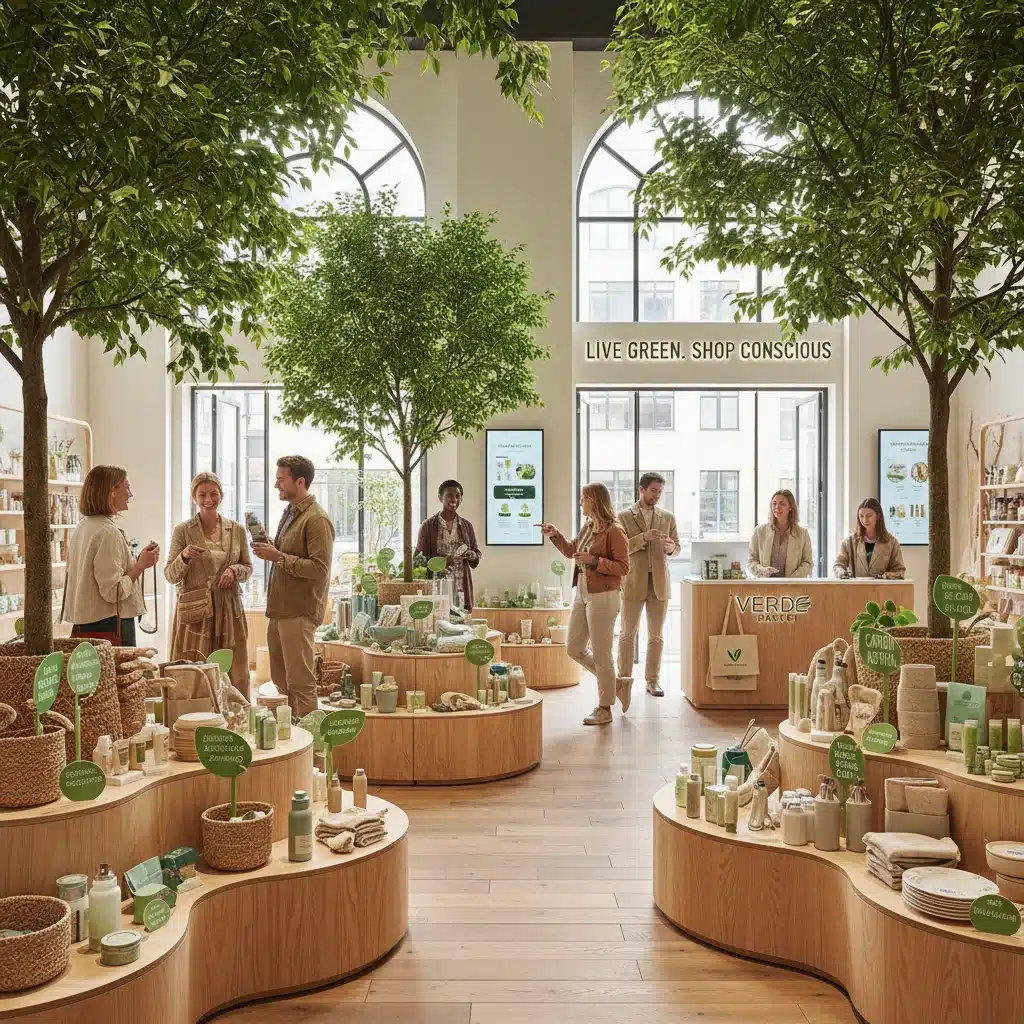
In a landmark announcement that is set to redefine corporate responsibility and consumer expectations, a major global retailer has officially unveiled its ambitious 2026 sustainability goals. This move signals a significant shift in the retail landscape, promising profound impacts on environmental practices, supply chains, and consumer choices. The announcement has sent ripples across industries, prompting discussions about the future of sustainable business and what these commitments truly mean for the everyday consumer.
For years, consumers have increasingly demanded more from the brands they support, pushing for greater transparency, ethical sourcing, and a reduced environmental footprint. This retailer’s new set of retailer sustainability goals appears to be a direct response to this growing call for change, positioning the company as a leader in the movement towards a more sustainable global economy. But what exactly do these goals entail, and how will they translate into tangible differences for you, the consumer, and the planet?
This comprehensive article delves deep into the specifics of these groundbreaking goals, examining their potential impact, the challenges that lie ahead, and the opportunities they present for a greener future. We will explore how these commitments could reshape everything from the products you buy to the energy used to power your shopping experience. Join us as we unpack this pivotal moment in retail history and understand its far-reaching implications.
Advertisements
Understanding the Core of the Retailer Sustainability Goals
At the heart of the major retailer’s announcement are several key pillars designed to achieve a comprehensive reduction in environmental impact and foster greater social responsibility. These retailer sustainability goals are not merely aspirational statements; they are concrete, measurable targets set to be achieved by 2026. Understanding each component is crucial to appreciating the full scope of this initiative.
Pillar 1: Drastic Reduction in Carbon Emissions
One of the most significant commitments is the pledge to substantially reduce carbon emissions across all operations. This includes everything from logistics and transportation to in-store energy consumption and corporate offices. The retailer aims to achieve a specific percentage reduction in Scope 1 and Scope 2 emissions, and in some cases, even Scope 3 emissions (which encompass the entire value chain, including supplier emissions and product use by consumers).
This often involves transitioning to renewable energy sources for powering facilities, optimizing delivery routes to minimize fuel consumption, and investing in energy-efficient technologies. For consumers, this could mean a noticeable shift in how products are transported and sold, potentially leading to faster adoption of electric delivery vehicles or more localized sourcing to reduce shipping distances. The drive towards lower carbon emissions is a direct response to global climate change concerns and a critical aspect of any robust retailer sustainability goals framework.
Pillar 2: Sustainable Sourcing and Supply Chain Transformation
The retailer has also committed to transforming its supply chain to ensure more sustainable and ethical sourcing of materials. This involves working closely with suppliers to promote responsible agricultural practices, fair labor conditions, and the elimination of deforestation in material procurement. For products ranging from textiles to food items, this means a deeper dive into their origins and the processes involved in their creation.
Consumers can expect to see an increase in products certified by recognized sustainability standards, such as Fair Trade, Organic, or FSC-certified wood. This shift is not just about environmental protection; it’s also about social equity, ensuring that the people who produce goods are treated fairly and paid living wages. This emphasis on sustainable sourcing is a cornerstone of the new retailer sustainability goals, aiming to create a positive impact from farm to shelf.
Pillar 3: Waste Reduction and Circular Economy Principles
Another major focus is on waste reduction, moving towards a more circular economy model. This means designing products for longevity, repairability, and recyclability, as well as significantly reducing packaging waste. The retailer plans to implement initiatives such as increasing the use of recycled content in packaging, developing refillable product options, and establishing take-back programs for certain items.
The goal is to minimize the amount of waste sent to landfills and incinerators, keeping materials in use for as long as possible. For consumers, this could translate into new packaging formats, clearer recycling instructions, and potentially new services like in-store recycling points for specific product categories. Embracing circular economy principles is a forward-thinking element of these retailer sustainability goals, addressing the global challenge of waste accumulation.
Pillar 4: Water Stewardship and Conservation
Recognizing the critical importance of water resources, the retailer has also set targets for improved water stewardship. This includes reducing water consumption in its own operations, particularly in water-intensive processes, and working with suppliers in water-stressed regions to implement efficient water management practices. The focus is on both direct water usage and the embedded water in products.
While less visible to the average consumer, improved water stewardship has profound environmental benefits, helping to preserve vital ecosystems and ensure water availability for communities. This commitment underscores a holistic approach to environmental responsibility within the broader retailer sustainability goals.
The Impact on Consumers: What to Expect
These ambitious retailer sustainability goals are not just corporate rhetoric; they are poised to bring about tangible changes in the consumer experience. Understanding these potential shifts can help you navigate the evolving retail landscape and make more informed purchasing decisions.
Product Availability and Innovation
One of the most immediate impacts will be on the products available on shelves. Expect to see an increase in eco-friendly alternatives, made from recycled materials, sustainably sourced ingredients, or designed for extended lifecycles. This push for sustainability will likely spur innovation, leading to new and improved products that are both effective and environmentally conscious.
For example, you might find clothing made from organic cotton or recycled polyester, cleaning supplies with concentrated formulas and refillable containers, or food items with transparent sourcing information. The retailer’s commitment will likely drive its suppliers to innovate as well, creating a domino effect across various product categories. This focus on sustainable products is a core outcome of the retailer sustainability goals.
Changes in Packaging
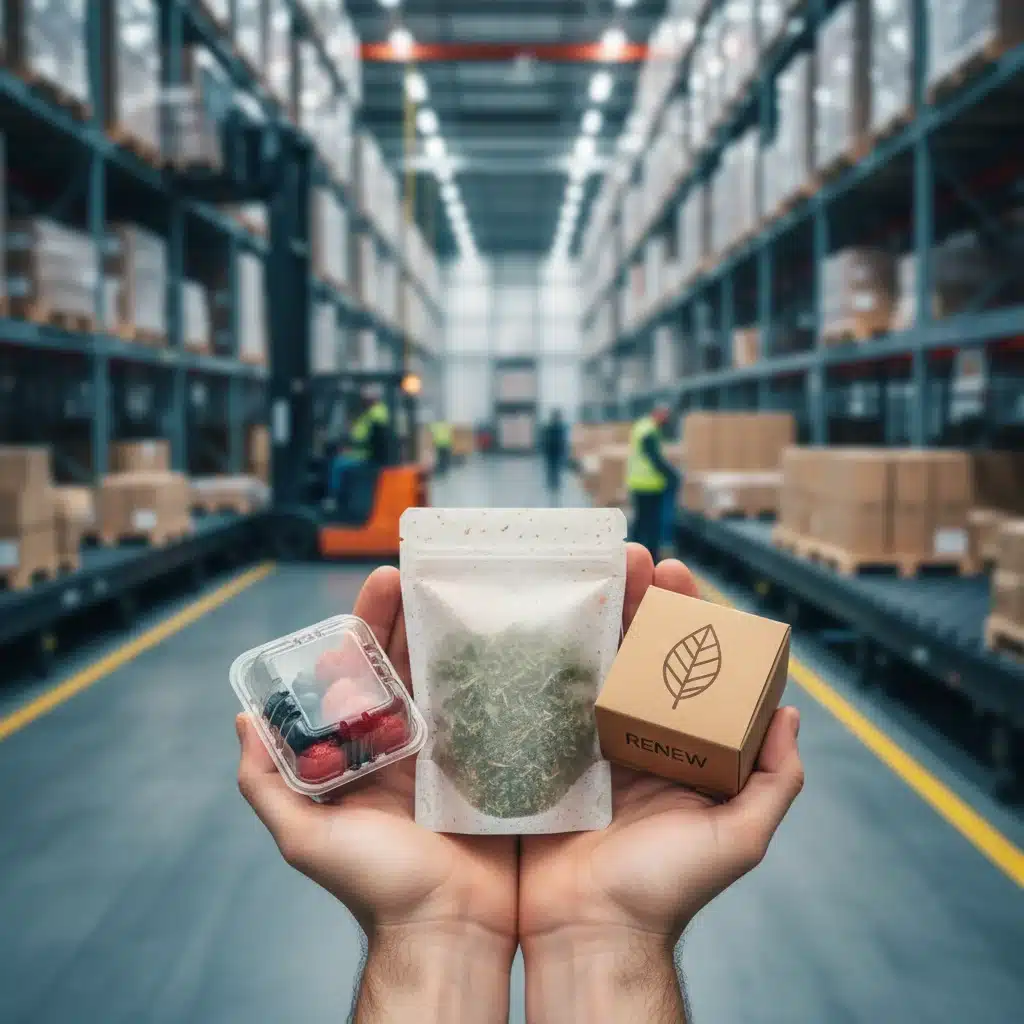
Packaging is another area where consumers will see significant changes. The push for waste reduction means less plastic, more recycled content, and innovative, compostable materials. This could range from simpler, minimalist packaging to entirely new formats designed to minimize environmental impact.
While some consumers might initially find new packaging unfamiliar, the long-term benefits of reduced waste and plastic pollution are substantial. The retailer will likely invest in educating consumers about proper disposal and recycling of these new materials. This evolution in packaging is a direct result of the retailer sustainability goals aimed at circularity.
Transparency and Information
With a greater emphasis on sustainable sourcing and ethical practices, consumers can expect more transparency from the retailer. This might come in the form of clearer labeling, QR codes linking to product origin stories, or detailed sustainability reports readily available online. This increased access to information empowers consumers to make choices that align with your values.
The retailer’s commitment to these retailer sustainability goals means they will need to back up their claims with verifiable data, which in turn benefits the consumer seeking genuine eco-friendly options rather than mere ‘greenwashing.’
Potential Price Adjustments
Implementing sustainable practices often comes with initial costs, such as investing in new technologies, sourcing premium materials, or restructuring supply chains. While the retailer aims for efficiency, there might be some initial price adjustments on certain sustainable products. However, as sustainable practices become more widespread and economies of scale are achieved, these costs often decrease over time.
Furthermore, many consumers are increasingly willing to pay a premium for products that are ethically produced and environmentally responsible. The long-term value of investing in sustainable goods often outweighs the short-term cost implications. The economic implications are an important consideration when evaluating the impact of these retailer sustainability goals.
Challenges and Opportunities for the Retailer
Achieving such ambitious retailer sustainability goals is no small feat. It presents both significant challenges and tremendous opportunities for the retailer, its partners, and the industry as a whole.
Navigating Supply Chain Complexities
One of the biggest challenges lies in transforming a vast and complex global supply chain. Ensuring that thousands of suppliers adhere to new sustainability standards requires extensive auditing, training, and collaboration. This is particularly true for Scope 3 emissions, where the retailer has indirect influence over the activities of its suppliers and customers.
However, this challenge also presents an opportunity to build stronger, more resilient, and ethically sound supply chains. By fostering closer relationships with suppliers and helping them adopt sustainable practices, the retailer can create a network that is better prepared for future environmental regulations and consumer demands. Successfully navigating these complexities is key to the success of the retailer sustainability goals.
Innovation and Investment
Meeting these goals will require substantial investment in new technologies, infrastructure, and research and development. This includes everything from renewable energy installations to advanced recycling facilities and innovative product design. The financial commitment can be significant, especially in the short term.
On the other hand, this investment can drive innovation, create new revenue streams, and enhance the retailer’s competitive advantage. Being at the forefront of sustainability can attract environmentally conscious consumers, top talent, and impact investors, ultimately bolstering the brand’s long-term value. The commitment to innovation is a powerful aspect of these retailer sustainability goals.
Consumer Education and Engagement
Successfully transitioning to more sustainable practices also requires bringing consumers along on the journey. Educating them about the benefits of sustainable products, new packaging materials, and circular economy initiatives is crucial. Without consumer buy-in, even the most well-intentioned goals can fall short.
This presents an opportunity for the retailer to deepen its relationship with customers, positioning itself not just as a seller of goods, but as a partner in sustainable living. Through effective communication campaigns and in-store initiatives, the retailer can empower consumers to make more sustainable choices, reinforcing the positive impact of its retailer sustainability goals.
Setting an Industry Benchmark
By setting such ambitious retailer sustainability goals, the major retailer is also setting a new benchmark for the entire industry. This can inspire competitors to follow suit, leading to a broader adoption of sustainable practices across the retail sector. This ripple effect can accelerate the transition to a more sustainable global economy.
While this creates competitive pressure, it also fosters a collaborative environment where best practices can be shared, and collective challenges can be addressed more effectively. The leadership demonstrated by these goals has the potential to elevate sustainability standards for everyone.
Measuring Progress and Accountability
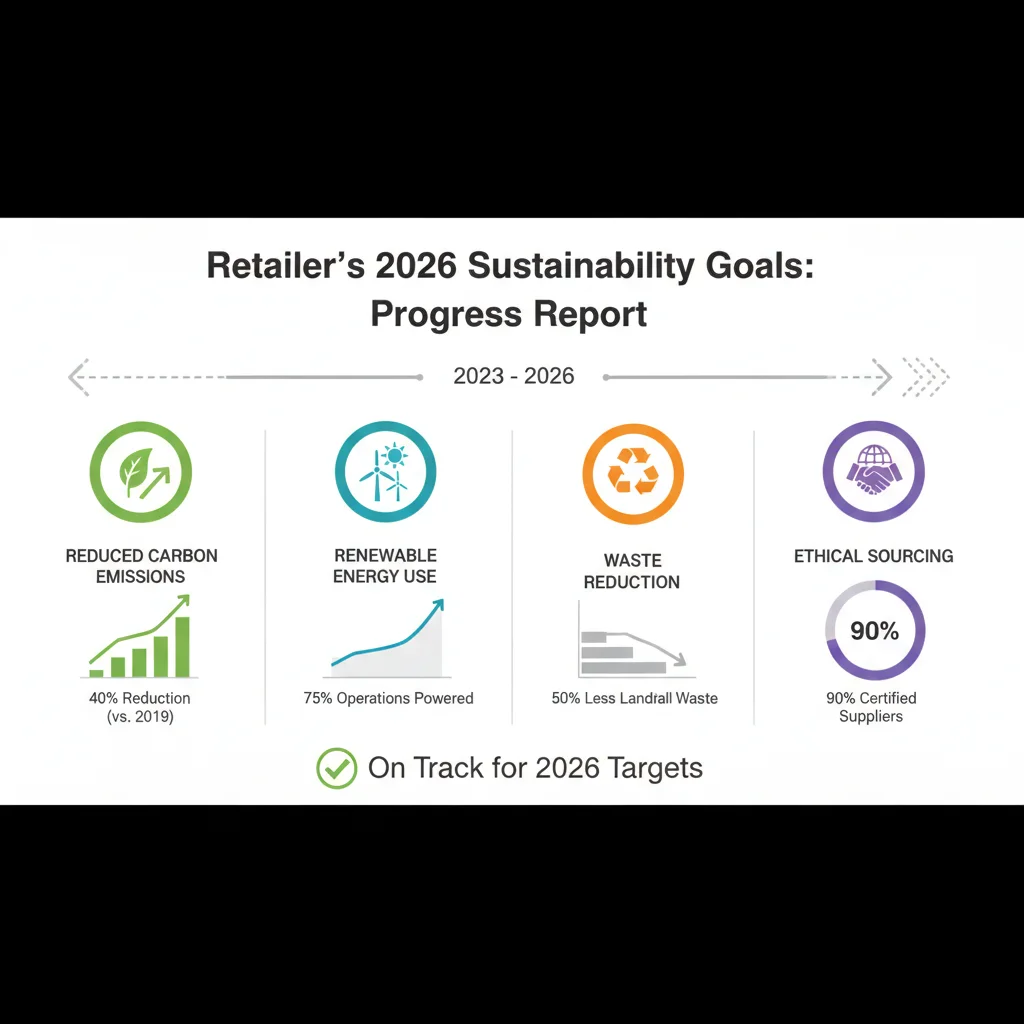
A critical aspect of any credible sustainability initiative is the ability to measure progress and ensure accountability. The retailer has outlined a robust framework for tracking its performance against the 2026 retailer sustainability goals.
Key Performance Indicators (KPIs)
The retailer will be tracking a range of Key Performance Indicators (KPIs) to monitor its progress. These will likely include specific metrics for carbon emissions reductions, percentage of renewable energy used, amount of waste diverted from landfills, percentage of sustainably sourced materials, and water consumption reductions. These KPIs provide a clear, quantitative way to assess how well the company is doing.
Regular reporting on these KPIs, often verified by independent third parties, will be essential for maintaining transparency and building trust with stakeholders. This commitment to measurable outcomes is what gives these retailer sustainability goals their weight.
Third-Party Verification and Auditing
To ensure the integrity of their sustainability claims, the retailer is expected to engage independent organizations for third-party verification and auditing of their progress. This external validation adds credibility to their efforts and helps prevent accusations of ‘greenwashing.’ These audits will assess compliance with environmental standards, ethical labor practices, and the accuracy of reported data.
The role of external oversight is paramount in demonstrating genuine commitment and ensuring that the retailer sustainability goals are met not just on paper, but in practice. This level of scrutiny fosters greater accountability throughout the organization and its supply chain.
Stakeholder Engagement
Beyond internal tracking and external audits, ongoing engagement with a wide range of stakeholders is crucial. This includes customers, employees, investors, NGOs, and local communities. Feedback from these groups can provide valuable insights, identify areas for improvement, and ensure that the sustainability efforts are relevant and impactful.
Open dialogue and collaboration with stakeholders can also help the retailer adapt its strategies as new challenges and opportunities emerge, ensuring that its retailer sustainability goals remain dynamic and responsive to evolving global needs.
The Broader Implications for the Future of Retail
The announcement of these 2026 retailer sustainability goals by a major player is more than just a corporate initiative; it’s a potential harbinger of the future direction of the entire retail industry. This move could accelerate several key trends and redefine what it means to be a successful retailer in the 21st century.
Increased Pressure on Competitors
When a market leader makes such a bold commitment, it inevitably puts pressure on competitors to follow suit. Retailers who lag in sustainability efforts may find themselves losing market share to more environmentally conscious brands. This competitive dynamic can drive a virtuous cycle of sustainability improvements across the sector.
The race to be ‘the greenest’ or ‘most ethical’ retailer could lead to rapid innovation and widespread adoption of best practices, ultimately benefiting consumers and the planet. This competitive push is a powerful, indirect outcome of the retailer sustainability goals.
Shifting Consumer Expectations
As consumers become more aware of and accustomed to sustainable options, their expectations will continue to rise. What was once a niche preference for eco-conscious shoppers is rapidly becoming a mainstream demand. Retailers who fail to meet these evolving expectations risk alienating a significant portion of their customer base.
The bar for corporate responsibility is being raised, and these retailer sustainability goals are a clear indicator of this shift. Consumers will increasingly look for tangible proof of sustainability, not just marketing claims.
Policy and Regulatory Influence
Large-scale corporate commitments like these can also influence policy and regulatory frameworks. As leading retailers demonstrate the feasibility and benefits of sustainable practices, it can provide governments with the confidence to implement stricter environmental regulations and incentives for sustainable business.
This interplay between corporate action and public policy can create a more supportive ecosystem for sustainability, making it easier and more cost-effective for all businesses to adopt greener practices. The impact of these retailer sustainability goals extends far beyond the company itself.
New Business Models and Partnerships
Achieving these goals may also necessitate the exploration of new business models, such as product-as-a-service, leasing, or repair services, all aimed at extending product lifecycles and reducing consumption. Furthermore, it will likely foster new partnerships with technology providers, waste management companies, and environmental organizations.
These collaborations can bring diverse expertise to the table, accelerating progress towards the retailer sustainability goals and driving systemic change within the industry. The future of retail will likely be characterized by more interconnected and collaborative efforts towards shared sustainability objectives.
Conclusion: A Greener Future on the Horizon
The announcement of these comprehensive 2026 retailer sustainability goals by a major global retailer marks a pivotal moment in the ongoing journey towards a more sustainable world. It’s a testament to the growing understanding that environmental stewardship and business success are not mutually exclusive but rather deeply intertwined.
While the path to achieving these goals will undoubtedly be challenging, the potential benefits are immense. For the environment, it promises reduced carbon emissions, less waste, and more responsible resource management. For consumers, it means more sustainable product choices, greater transparency, and the satisfaction of supporting brands that align with their values.
This initiative serves as a powerful reminder that every choice, from the products we buy to the policies companies adopt, contributes to our collective future. As we watch this major retailer embark on its ambitious journey, it is clear that the landscape of retail is changing, and a greener, more responsible future is not just a hope, but a tangible goal within reach. The success of these retailer sustainability goals will be a significant indicator of the broader potential for corporate action in addressing global environmental challenges.
Stay tuned for updates as the retailer progresses towards its 2026 targets. Your choices as a consumer will play a crucial role in supporting these efforts and encouraging other businesses to follow suit.