Decoding Fashion Weeks: Top 3 Trends Shaping Next Season’s Style
Fashion Weeks are the pulsating heart of the global style industry, where creativity, innovation, and anticipation converge. Twice a year, major cities like New York, London, Milan, and Paris transform into epicenters of design, showcasing the visions of established powerhouses and emerging talents alike. These events are not merely about presenting new collections; they are a powerful barometer, forecasting the aesthetic directions that will dominate the upcoming seasons. For fashion enthusiasts, industry professionals, and anyone with a keen eye for style, understanding the key takeaways from these prestigious events is paramount. This season, after meticulously sifting through countless runway shows, street style moments, and designer presentations, we’ve identified three overarching fashion week trends that are set to define wardrobes and influence consumer choices in a significant way. These aren’t fleeting fads, but rather robust thematic shifts that offer a glimpse into the future of style. From revolutionary silhouettes to unexpected color palettes and innovative fabric choices, these trends reflect a deeper cultural dialogue, responding to societal shifts, technological advancements, and a renewed focus on sustainability and individuality. Staying informed about these pivotal fashion week trends allows you to not only update your personal style but also to make more conscious and forward-thinking purchasing decisions. Join us as we delve into these exciting developments, providing an in-depth look at what to expect and how to integrate these fresh perspectives into your own fashion narrative.
The energy surrounding Fashion Weeks is always electric. It’s a time when designers unveil their latest creations, pushing boundaries and setting the tone for what’s to come. This season has been particularly exciting, marked by a palpable sense of innovation and a clear move towards more expressive and thoughtful design. We’ve seen a fascinating interplay between nostalgia and futurism, a celebration of diverse body types, and a strong emphasis on craftsmanship. The runways have been a canvas for storytelling, with each collection weaving a unique narrative that resonates with the current global climate. Understanding these core fashion week trends is crucial for anyone looking to stay ahead in the dynamic world of style. They are the building blocks of future collections, the inspiration for high-street interpretations, and ultimately, the elements that will populate our closets. Let’s explore the three most compelling trends that have emerged, providing you with a comprehensive guide to navigating the next fashion cycle.
1. The Resurgence of Architectural Silhouettes: Structure Meets Fluidity
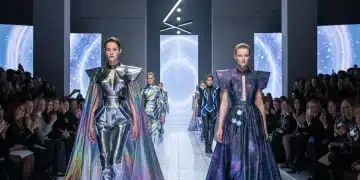
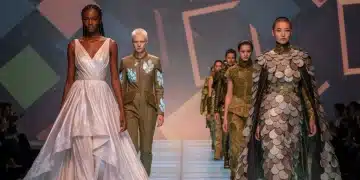
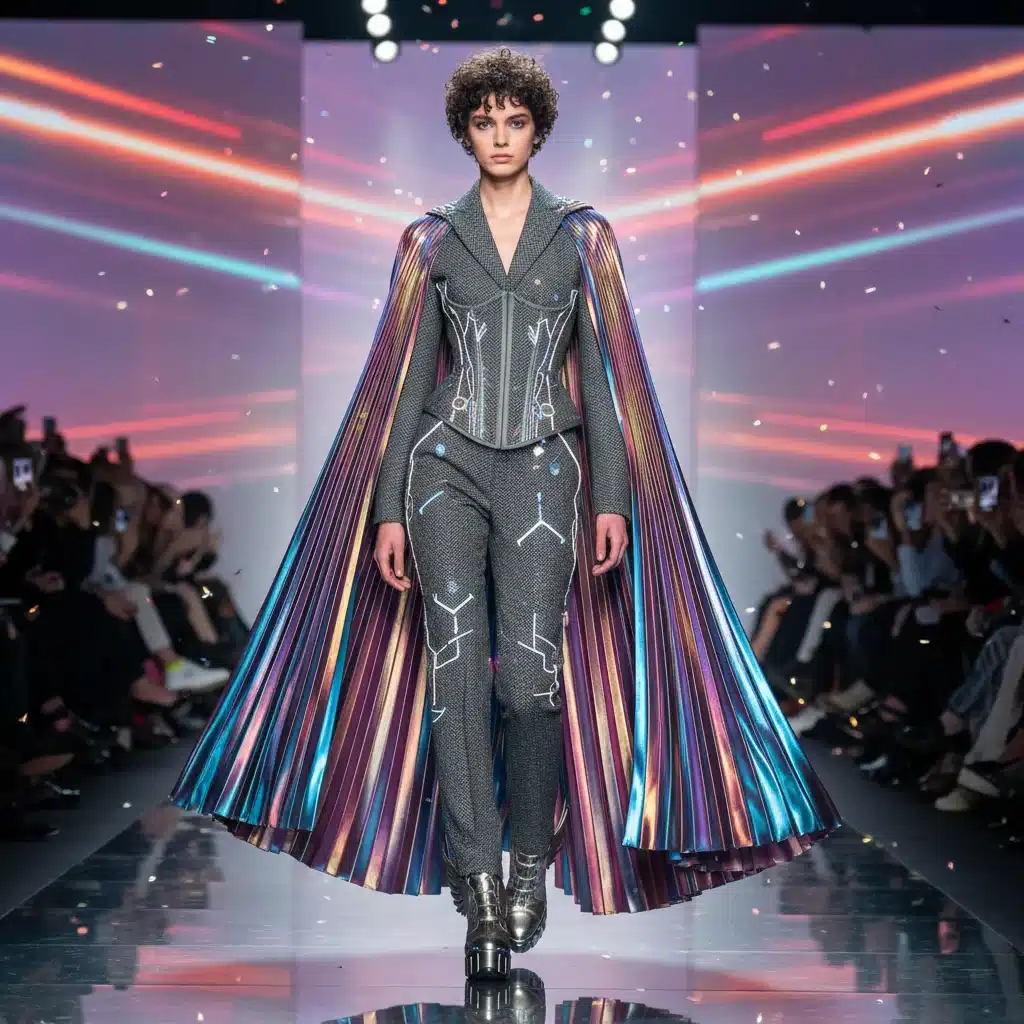
One of the most striking fashion week trends to emerge this season is the bold embrace of architectural silhouettes. Designers are moving beyond conventional forms, experimenting with structure, volume, and unexpected cuts to create garments that are almost sculptural in their presence. This trend is characterized by sharp lines, exaggerated shoulders, cinched waists, and dramatic draping, all working together to redefine the human form. It’s a celebration of geometric precision and artistic construction, where clothing becomes a wearable piece of art. Think voluminous sleeves that stand away from the body, skirts with intricate pleating that create a sense of movement, and jackets with strong, defined shoulders that command attention. The beauty of this trend lies in its ability to blend rigidity with grace. While the structures are pronounced, there’s often an underlying fluidity in the fabrics or the way the garments move, creating a captivating contrast. This isn’t about shapelessness; it’s about intentional shaping, giving garments a life of their own. Fabrics play a crucial role here, with designers opting for materials that can hold their form, such as stiff silks, crisp cottons, structured wools, and innovative technical fabrics. The color palette often leans towards monochromatic tones – deep blacks, stark whites, and sophisticated neutrals – to emphasize the silhouette itself, though pops of vibrant color are also used to highlight specific structural elements. This trend speaks to a desire for impact and individuality, allowing the wearer to make a powerful statement without relying solely on embellishment. It’s a sophisticated and modern approach to dressing, showcasing a mastery of tailoring and an understanding of how fabric can be manipulated to create breathtaking forms. The architectural trend is a testament to the enduring power of design and its ability to transform the everyday into the extraordinary. It challenges conventional notions of fit and proportion, inviting us to view clothing as a dynamic interplay of shape, space, and movement. This particular one of the fashion week trends is not just about aesthetics; it’s about a philosophical shift in how we perceive and interact with our garments, moving towards a more artful and considered approach to dressing.
Advertisements
The influence of architectural design extends beyond just the primary garments. We’re seeing it in accessories too, with structured bags, angular footwear, and even jewelry that mimics geometric forms. This holistic approach ensures that the entire look is cohesive and impactful. The key to mastering this trend is balance. While a strong silhouette is the focal point, it’s often paired with simpler, understated elements to allow the structure to truly shine. For instance, a dramatically sculpted top might be paired with tailored trousers or a sleek skirt. This trend is also incredibly versatile, adaptable for both formal and casual settings depending on the fabric and styling. A structured blazer can elevate a simple denim look, while a dramatically draped gown is perfect for a red-carpet event. The attention to detail in construction is paramount, with seams, darts, and pleats meticulously executed to achieve the desired effect. This focus on precision highlights a return to quality and craftsmanship, moving away from fast fashion towards pieces that are built to last and designed to impress. As one of the leading fashion week trends, architectural silhouettes invite us to reconsider the boundaries of clothing design, offering a refreshing and intellectually stimulating perspective on modern dressing. It’s about creating an illusion of strength and sophistication, allowing the wearer to project an aura of confidence and artistic sensibility. The careful engineering of these pieces means they often flatter a wide range of body types, as the structure itself helps to define and enhance the figure in unexpected ways. This trend is a bold declaration, proving that fashion can indeed be both art and wearability, pushing the boundaries of what we expect from our clothes while still maintaining an elegant appeal.
2. The Rise of Sustainable Luxury: Eco-Conscious Elegance
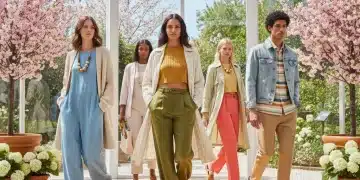
Sustainability has been a growing conversation in the fashion industry for years, but this season, it has transcended mere discussion to become one of the most significant and tangible fashion week trends. We are witnessing the rise of sustainable luxury, where ethical practices and environmental consciousness are seamlessly integrated with high-end design and exquisite craftsmanship. This isn’t just about using organic cotton; it’s a holistic approach encompassing everything from responsible sourcing of materials to transparent supply chains, innovative recycling techniques, and a commitment to fair labor practices. Designers are showcasing collections made from upcycled fabrics, regenerated nylons, plant-based leathers, and innovative biodegradable materials, proving that luxury doesn’t have to come at the expense of the planet. The aesthetic associated with this trend is often one of understated elegance, natural textures, and a focus on timeless pieces designed to last. Color palettes tend to be inspired by nature – earthy tones, soft pastels, and muted hues – reflecting a connection to the environment. However, this doesn’t mean a lack of creativity or vibrancy. We’re seeing incredibly sophisticated designs, intricate detailing, and beautiful hand-finished elements that speak to the value placed on quality and longevity. Brands are also becoming more transparent about their production processes, educating consumers about the journey of their garments from raw material to finished product. This newfound transparency builds trust and empowers consumers to make more informed choices. The sustainable luxury trend is a powerful indicator of a shift in consumer values, where ethical considerations are becoming as important as aesthetic appeal. It’s about investing in pieces that not only look good but also do good, contributing to a more circular and responsible fashion ecosystem. This is perhaps one of the most impactful fashion week trends, signaling a fundamental change in how the industry operates and how consumers engage with fashion. It champions a philosophy of buying less but better, valuing craftsmanship, and understanding the true cost of clothing beyond its price tag. The narratives around these collections often highlight the ingenuity involved in transforming waste into wonder, showcasing how creativity can be a driving force for positive environmental change.
Beyond materials, sustainable luxury also encompasses a commitment to craftsmanship and local production, often supporting artisan communities and preserving traditional techniques. This approach reduces carbon footprints associated with global shipping and fosters a stronger connection between designer, maker, and wearer. We’re seeing a rise in made-to-order models and limited-edition drops, which minimize waste and overproduction, a significant issue in the traditional fashion cycle. Furthermore, the concept of repair and longevity is being championed, with some brands offering repair services or designing pieces that can be easily mended and cherished for years to come. This stands in stark contrast to the disposable nature of fast fashion and encourages a more mindful approach to consumption. The storytelling around these sustainable collections is also becoming more compelling, highlighting the human element and the positive impact on communities. This trend is not just about being ‘green’; it’s about redefining what luxury means in the 21st century – a blend of exquisite design, unparalleled quality, and profound respect for people and planet. As one of the most transformative fashion week trends, sustainable luxury is challenging the industry to innovate and evolve, proving that high fashion can indeed be a force for good. It’s a movement that encourages both designers and consumers to think critically about their impact, fostering a future where beauty and responsibility go hand in hand. The conversations sparked by these sustainable collections are changing the narrative of fashion, moving it from mere consumption to conscious creation and mindful appreciation.
3. The Bold & Expressive: Maximalism with Purpose
The third major fashion week trend captivating audiences is a joyous and unapologetic embrace of bold, expressive maximalism, but with a refined purpose. This isn’t the chaotic maximalism of the past; rather, it’s a carefully curated explosion of color, print, texture, and embellishment designed to evoke joy, individuality, and a sense of theatricality. After periods of uncertainty and a leaning towards minimalist aesthetics, designers are now encouraging us to dress with optimism and daring. This trend manifests in vibrant, clashing prints, often mixed and matched within a single outfit. Think psychedelic patterns paired with intricate florals, or bold geometric designs alongside animal prints. The color palette is equally audacious, featuring electric blues, vivid fuchsias, intense oranges, and emerald greens, often combined in unexpected and harmonious ways. Texture plays a huge role, with opulent fabrics like brocade, velvet, jacquard, and elaborate embroidery adding depth and dimension. Feathers, sequins, beads, and fringe are used liberally, transforming garments into dazzling spectacles. The silhouettes, while still sometimes incorporating the architectural elements mentioned earlier, are often more flowing and dramatic, allowing the lavish fabrics and embellishments to take center stage. Layering is key, with different textures and patterns building upon each other to create rich, complex looks. This maximalism isn’t about excess for its own sake; it’s about purposeful self-expression and a celebration of personal style. It encourages individuals to break free from conventional norms and experiment with fashion as a form of artistic statement. The underlying message is one of confidence and joy, inviting wearers to embrace their unique personalities and express them through their clothing. This particular one of the fashion week trends is a powerful antidote to austerity, offering a refreshing dose of fantasy and escapism. It reminds us that fashion can be fun, transformative, and a powerful tool for communicating who we are to the world. It’s about creating memorable moments and iconic looks that leave a lasting impression, showcasing a fearless approach to dressing that is both sophisticated and playful.
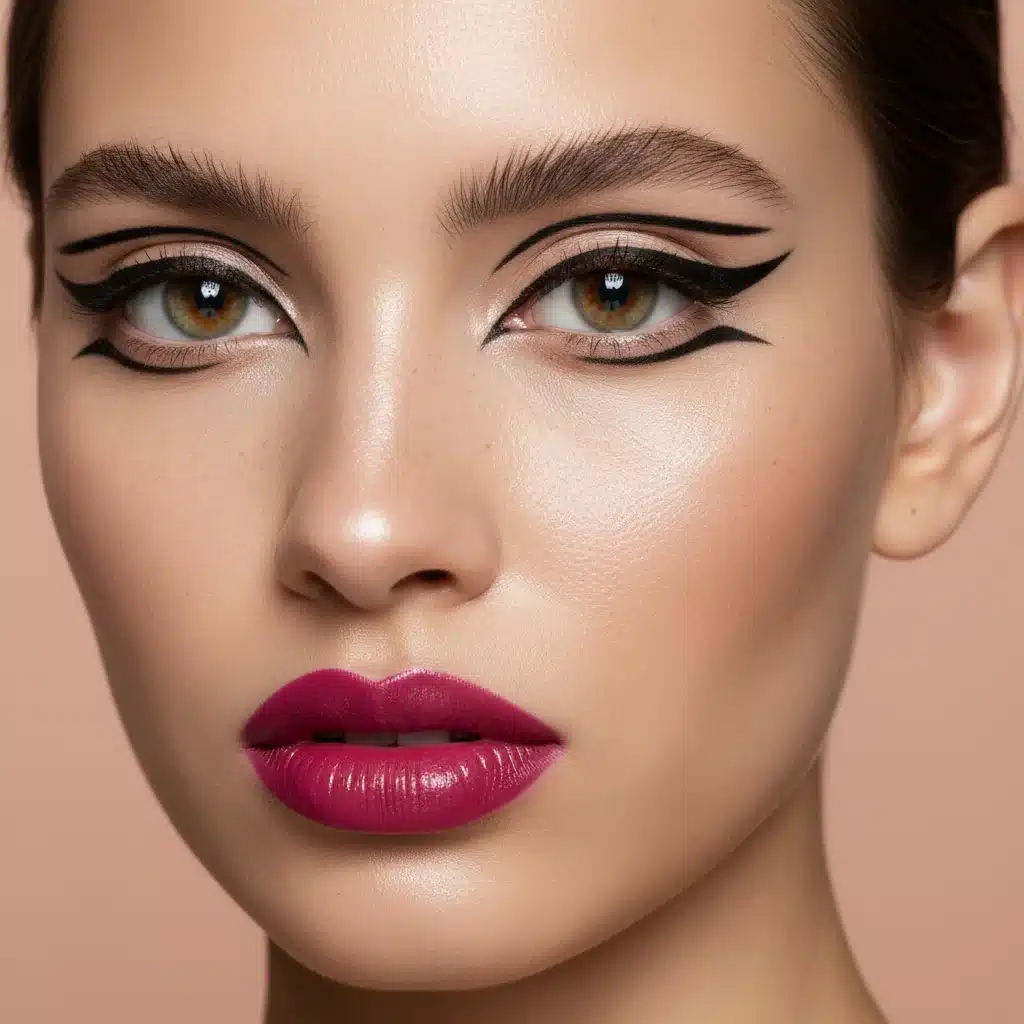
Accessories are integral to the bold and expressive maximalism trend. Oversized jewelry, statement hats, embellished footwear, and intricately designed handbags complete the lavish ensembles. The ‘more is more’ philosophy is applied thoughtfully, ensuring that each element contributes to a cohesive, albeit extravagant, vision. Hair and makeup also align with this trend, featuring bold colors, glitter, and experimental styles that complement the adventurous spirit of the clothing. This trend also sees a resurgence of artisanal techniques, with hand-painted details, intricate beading, and elaborate embroidery adding a unique, handcrafted touch to garments. This focus on craftsmanship elevates the maximalist aesthetic, ensuring that the pieces feel luxurious and special rather than simply cluttered. It’s a move towards collecting unique, investment pieces that tell a story, rather than accumulating disposable fashion. The influence of global cultures is also evident, with designers drawing inspiration from diverse traditions and aesthetics to create rich, multicultural tapestries of style. This global perspective adds another layer of depth and interest to the maximalist approach, celebrating the beauty of diverse artistry. As one of the most exciting fashion week trends, bold and expressive maximalism is a call to embrace creativity without reservation. It’s about dressing with intention and joy, turning every outfit into an opportunity for self-expression. It challenges us to step outside our comfort zones and discover the power of vibrant colors, rich textures, and dramatic silhouettes to transform not just our appearance, but our mood and outlook. This trend is a testament to fashion’s ability to uplift and inspire, proving that dressing up can be a truly joyful and empowering experience.
Integrating the Key Fashion Week Trends into Your Wardrobe
Now that we’ve explored the three dominant fashion week trends – Architectural Silhouettes, Sustainable Luxury, and Bold & Expressive Maximalism – the natural next step is to consider how to integrate these exciting developments into your personal wardrobe. The beauty of these trends is their versatility and the myriad ways they can be interpreted, allowing you to adapt them to your individual style and comfort level. You don’t need to overhaul your entire closet; rather, focus on strategic additions and thoughtful styling that resonate with your aesthetic. For those drawn to the Architectural Silhouettes, consider investing in a statement blazer with exaggerated shoulders or a top with unique structural detailing. These pieces can instantly elevate even the simplest outfits, adding a touch of modern sophistication. Look for garments with interesting pleats, unexpected cuts, or defined waistlines that create a sculptural effect. Pairing these with more classic, streamlined items ensures that the architectural element remains the focal point without overwhelming your look. A well-chosen structured coat, for example, can be a timeless investment that embodies this trend for many seasons to come. Experiment with how these shapes interact with your body, finding pieces that enhance your frame in new and interesting ways. The key is to appreciate the artful construction and allow the garment’s form to speak for itself. This trend encourages a more deliberate approach to dressing, where each piece is chosen for its design integrity and its ability to make a quiet yet powerful statement. It’s about showcasing a discerning eye for quality and innovative design, making it one of the most sophisticated fashion week trends to adopt.
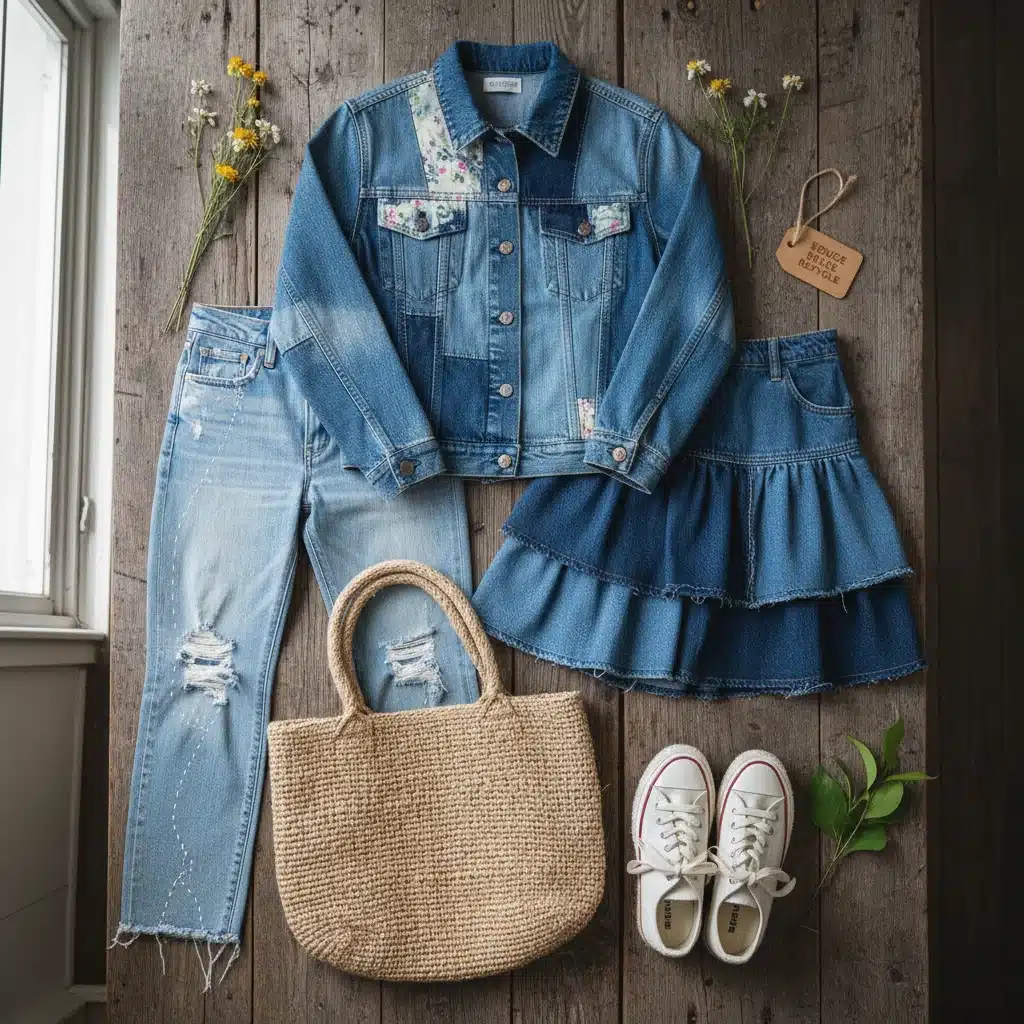
Embracing Sustainable Luxury doesn’t mean sacrificing style; in fact, it often means elevating it. Start by scrutinizing your purchasing habits. Can you opt for garments made from organic, recycled, or upcycled materials? Look for brands that are transparent about their supply chains and ethical practices. Investing in high-quality, timeless pieces that are designed to last is a cornerstone of this trend. Consider a beautifully crafted dress made from Tencel or a pair of jeans from recycled denim. Small changes, like choosing accessories from sustainable brands or opting for natural fibers, can make a significant impact. This trend also encourages a more mindful approach to fashion consumption – cherishing what you own, repairing items when possible, and considering the full lifecycle of a garment. It’s about building a wardrobe of pieces you truly love and that align with your values. Seek out local artisans or brands committed to fair trade, supporting practices that benefit both people and the planet. This conscious consumption is one of the most important fashion week trends, reflecting a growing global awareness and desire for ethical choices in every aspect of life. It’s a powerful way to use your purchasing power to support a more responsible and equitable fashion industry, proving that style and sustainability can coexist beautifully and seamlessly. This trend is not just about what you wear, but how you wear it and the story behind each piece, fostering a deeper connection to your clothing.
Finally, for those who love to make a statement, the Bold & Expressive Maximalism trend offers endless opportunities for creativity. Don’t be afraid to mix prints and patterns that you might have previously considered incompatible. Start with a statement piece, like a vibrant patterned skirt or a richly embroidered jacket, and build your outfit around it. Experiment with layering different textures – a velvet top under a brocade blazer, or a silk dress adorned with feathers. The key is to find a common thread, whether it’s a shared color family or a complementary aesthetic, to ensure the look feels cohesive rather than chaotic. Accessories are your best friends here: oversized earrings, chunky necklaces, and embellished shoes can amplify the maximalist effect. Remember, this trend is about joy and self-expression, so have fun with it! It’s an invitation to break free from fashion rules and embrace your unique personality. Start with one bold element, like a brightly colored bag or a striking pair of patterned shoes, and gradually build up your confidence in mixing and matching. This is one of the fashion week trends that truly celebrates individuality, encouraging you to view your wardrobe as a canvas for your personal artistry. It’s about creating memorable and distinctive looks that reflect your inner vibrancy and confidence, making every day an opportunity to showcase your unique flair. This trend is a liberating force, allowing you to play with fashion without inhibition and to truly make a statement with your style choices.
The Enduring Impact of Fashion Week Trends
The insights gleaned from Fashion Weeks extend far beyond the runways, permeating every aspect of the fashion industry and influencing global style narratives. The three key fashion week trends we’ve explored – Architectural Silhouettes, Sustainable Luxury, and Bold & Expressive Maximalism – are not merely fleeting fads but significant indicators of a shifting landscape in design, consumer values, and artistic expression. These trends offer a rich tapestry of options for personal style, catering to diverse preferences while simultaneously pushing the boundaries of what’s considered fashionable. Architectural Silhouettes speak to a desire for structure, artistry, and a sophisticated elegance that emphasizes form and innovative construction. They challenge us to appreciate clothing as a sculptural entity, offering a fresh perspective on how garments interact with the body and define space. This trend is a testament to the enduring power of tailoring and the beauty of precision, providing a sophisticated edge to modern dressing. It encourages a deeper appreciation for the engineering behind fashion, highlighting the skill and vision required to create truly impactful shapes. This nuanced approach to form is one of the defining fashion week trends that will undoubtedly influence both high fashion and mainstream design for seasons to come, offering a timeless appeal rooted in strong design principles.
Sustainable Luxury, on the other hand, reflects a profound and necessary evolution within the industry. It underscores a growing global consciousness, where ethical considerations and environmental responsibility are no longer optional but essential. This trend proves that luxury and sustainability can not only coexist but can elevate each other, leading to innovative materials, transparent production processes, and a renewed focus on longevity and craftsmanship. It’s a powerful movement towards a more circular economy, encouraging consumers to make mindful choices that benefit both people and the planet. This is arguably the most impactful of the fashion week trends, as it addresses critical global challenges and offers a pathway to a more responsible future for fashion. It’s about investing in pieces that tell a story of ethical production and environmental care, making a statement that goes beyond aesthetics. This trend is reshaping the entire value chain of fashion, from sourcing to consumption, fostering a culture of respect and responsibility that will have a lasting legacy.
Finally, Bold & Expressive Maximalism provides a joyful and vibrant counterpoint, celebrating individuality, creativity, and the sheer delight of dressing up. It’s a trend that encourages us to break free from sartorial conventions, mix and match with abandon, and embrace a sense of theatricality in our everyday lives. This maximalist approach, however, is grounded in purpose, allowing for self-expression that feels curated and authentic rather than chaotic. It’s an invitation to play with color, texture, and embellishment, transforming clothing into a powerful medium for personal storytelling. This trend reminds us of fashion’s ability to uplift spirits and inspire confidence, offering a much-needed dose of optimism and fantasy. It’s one of the fashion week trends that truly champions the wearer’s personality, allowing them to shine through their sartorial choices. The interplay of these diverse trends highlights the dynamic and multifaceted nature of contemporary fashion. Each offers a unique perspective, yet all contribute to a collective narrative of innovation, responsibility, and self-expression. By understanding and selectively integrating these key movements, you can confidently navigate the evolving world of style, making informed choices that reflect both current aesthetics and your personal values. Fashion Weeks are more than just shows; they are a glimpse into the future, and these trends are the guideposts for what’s next.
The cyclical nature of fashion means that while some elements fade, the core sentiments behind these fashion week trends often endure, influencing subsequent seasons in subtle yet significant ways. Architectural forms might soften into more relaxed structures, sustainable practices will undoubtedly become more embedded and expected across all price points, and the spirit of bold self-expression will continue to manifest in new and exciting iterations. Therefore, staying attuned to these overarching themes provides a robust framework for understanding the broader trajectory of style. It allows us to appreciate the intricate dance between commercial viability and artistic vision, and how designers skillfully balance innovation with wearability. These trends are not just about what to buy, but about how to think about fashion – as a mirror of society, a catalyst for change, and a powerful medium for personal and collective identity. The discussions and revelations from the recent Fashion Weeks underscore a period of profound re-evaluation and reinvention within the industry. This continuous evolution makes fashion an endlessly fascinating subject, and these three trends serve as compelling chapters in its ongoing story. They collectively paint a picture of a future where design is thoughtful, production is responsible, and personal style is celebrated with unbridled enthusiasm. Embracing these fashion week trends is not just about being fashionable; it’s about being part of a larger conversation that shapes culture and defines the aesthetics of our time. It’s about making conscious decisions that reflect both your personal taste and your global awareness, ensuring your wardrobe is both stylish and meaningful. The journey of fashion is always forward, and these trends are leading the way.