Decoding Dress Codes: Your 2026 American Style Handbook for Every Occasion, from Casual to Black Tie
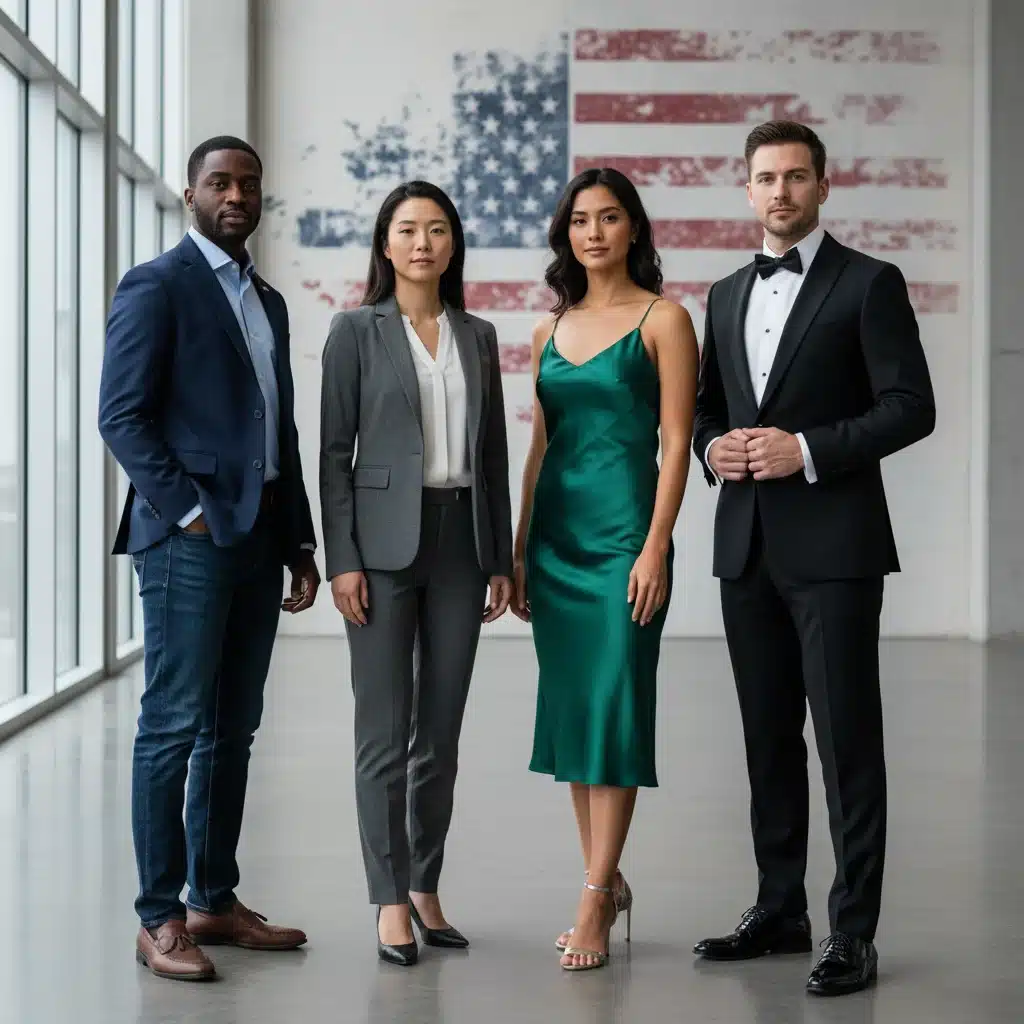
Navigating the intricate world of dress codes can often feel like deciphering a secret language, especially when you’re trying to master American dress codes. From a casual backyard barbecue to a high-stakes black-tie gala, each event carries its own unspoken sartorial rules. In 2026, while fashion continues to evolve, the fundamental principles of American dress codes remain largely consistent, albeit with subtle shifts towards comfort and personal expression. This comprehensive guide is designed to equip you with the knowledge and confidence to dress appropriately for any occasion, ensuring you always make the right impression.
Understanding American dress codes isn’t just about following rules; it’s about showing respect for your hosts, the occasion, and even yourself. It’s a form of non-verbal communication that can significantly impact how you are perceived. Whether you’re a seasoned professional, a social butterfly, or someone simply looking to refine their wardrobe, this handbook will demystify the various categories of attire, providing practical advice and contemporary insights for 2026.
We’ll delve into the nuances of each dress code, offering specific examples for both men and women, and addressing common dilemmas. By the end of this guide, you’ll be a connoisseur of American style, ready to tackle any invitation with poise and sartorial savvy. Let’s embark on this journey to decode American dress codes, ensuring you’re perfectly polished for every event on your calendar.
Advertisements
The Foundation: Understanding Core American Dress Codes
Before we dive into the specifics, it’s crucial to grasp the overarching philosophy behind American dress codes. Generally, they range from the most relaxed (casual) to the most formal (white tie), with several important stops in between. The key is context: where is the event, what is its purpose, and who will be attending? These questions will often provide the first clues to appropriate attire.
In 2026, there’s a growing trend towards ‘effortless chic’ even within more formal settings, but this doesn’t mean neglecting the dress code entirely. It means choosing quality over quantity, focusing on well-fitting garments, and understanding how to accessorize appropriately. The goal is always to look polished and put-together, regardless of the formality level. Let’s begin with the most common categories you’ll encounter when navigating American dress codes.
Casual: Relaxed and Comfortable
The term ‘casual’ can be deceptively broad. While it implies comfort and ease, it rarely means ‘anything goes.’ For most American contexts, casual still suggests a degree of neatness and intention. Think of it as your everyday best.
For Men (Casual):
- Tops: T-shirts (clean, well-fitting, no offensive graphics), polo shirts, casual button-down shirts (flannel, denim, linen).
- Bottoms: Jeans (clean, well-maintained, no excessive rips), chinos, shorts (seasonal and appropriate length).
- Footwear: Sneakers (clean), loafers, casual boots, sandals (for very informal settings).
- Accessories: Baseball caps (optional, for outdoor activities), casual watches.
- What to Avoid: Stained or ripped clothing, overly revealing attire, gym wear (unless you’re at the gym).
For Women (Casual):
- Tops: T-shirts, blouses, casual sweaters, tank tops (appropriate for context).
- Bottoms: Jeans (well-fitting, not overly distressed), casual skirts, sundresses, shorts, comfortable trousers.
- Footwear: Sneakers, flats, sandals, casual boots.
- Accessories: Everyday jewelry, casual handbags, scarves.
- What to Avoid: Overly revealing clothing, excessively wrinkled items, pajamas, gym wear (unless exercising).
When to Wear: Everyday errands, informal gatherings with friends, casual dining, sporting events, outdoor activities. The essence of casual American dress codes is comfort without sloppiness.
Smart Casual: Elevated Comfort
Smart casual is where things start to get a bit more interesting and often more confusing. It’s a step up from casual but not as formal as business attire. Think polished but still relaxed. This is a very common dress code in 2026 for many social and even some professional settings.
For Men (Smart Casual):
- Tops: Collared shirts (button-downs, polos), sweaters, blazers (optional but recommended for a sharper look).
- Bottoms: Chinos, dark-wash jeans (no rips), dress trousers.
- Footwear: Loafers, dress sneakers (clean, minimalist), desert boots, dressier casual shoes.
- Accessories: Belts, watches, pocket squares (optional with blazer).
- What to Avoid: T-shirts (unless layered under a blazer), athletic wear, overly flashy sneakers.
For Women (Smart Casual):
- Tops: Blouses, stylish knit tops, tailored shirts, sweaters, light blazers or cardigans.
- Bottoms: Tailored trousers, dark-wash jeans (well-fitting, no rips), midi skirts, knee-length dresses.
- Footwear: Heels (block, kitten, or wedge), stylish flats, ankle boots, dressy sandals.
- Accessories: Statement jewelry, chic handbags, scarves.
- What to Avoid: Athletic wear, overly casual fabrics like jersey cotton (unless styled very deliberately), flip-flops.
When to Wear: Dinner parties, upscale casual restaurants, creative workplaces, weekend brunches, some cultural events. Smart casual is about looking put-together and thoughtful without being overly formal, a key component of modern American dress codes.
Business Attire: Professionalism in the Workplace
The workplace has seen significant shifts in dress codes over the past decade. While some industries (finance, law) still lean towards traditional business formal, many have embraced business casual. Understanding the distinction is vital for professional success.
Business Casual: Modern Professionalism
Business casual aims for a professional yet comfortable look. It’s the most prevalent workplace dress code in 2026 across many sectors.
For Men (Business Casual):
- Tops: Collared shirts (button-downs, polos), sweaters, sports coats or blazers (highly recommended).
- Bottoms: Khakis, chinos, dress trousers. Dark-wash, well-fitting jeans may be acceptable in some more relaxed creative environments, but generally avoid them for first impressions.
- Footwear: Loafers, oxfords, brogues, dress boots.
- Accessories: Ties are usually optional but can elevate a look; belts, watches.
- What to Avoid: T-shirts, shorts, sneakers (unless specifically allowed and very clean/stylish), overly casual fabrics.
For Women (Business Casual):
- Tops: Blouses, knit tops, tailored shirts, sweaters, cardigans, blazers.
- Bottoms: Dress trousers, tailored skirts (pencil, A-line, knee-length or midi), professional dresses.
- Footwear: Heels (closed-toe is safer), flats, professional boots.
- Accessories: Professional jewelry, scarves, structured handbags.
- What to Avoid: Strapless tops, mini-skirts, flip-flops, overly casual or revealing clothing.
When to Wear: Most office environments, business lunches, networking events, conferences. Business casual reflects a polished, approachable professional image, a cornerstone of American dress codes in the corporate world.

Business Formal: Traditional and Authoritative
This is the most conservative and traditional of the professional American dress codes. It conveys authority and seriousness.
For Men (Business Formal):
- Attire: Full suit (matching jacket and trousers) in conservative colors (navy, charcoal, black).
- Tops: Dress shirts (white, light blue) with a collar.
- Accessories: Tie (silk, conservative pattern), pocket square (optional), dress shoes (polished oxfords or loafers), conservative belt, dress watch.
- What to Avoid: Anything less than a full suit, loud patterns, overly casual fabrics.
For Women (Business Formal):
- Attire: Pant suit or skirt suit in conservative colors. Professional dresses with a blazer.
- Tops: Blouses or shell tops that complement the suit.
- Footwear: Closed-toe heels or professional flats.
- Accessories: Minimal, professional jewelry, structured handbag, hosiery (often preferred).
- What to Avoid: Bright colors, revealing necklines, overly trendy items, open-toe shoes.
When to Wear: Board meetings, client presentations in traditional industries (law, finance), job interviews, formal corporate events. Business formal is about projecting ultimate professionalism and respect, a critical aspect of certain American dress codes.
Social & Evening Attire: From Cocktail to Black Tie
Social events often have the most specific and demanding dress codes. Misinterpreting these can lead to awkwardness, so paying close attention is key.
Cocktail Attire: Festive and Chic
Cocktail attire strikes a balance between formal and festive. It’s about looking stylish and celebratory without being overly stuffy. This is a very popular dress code for evening social events in American culture.
For Men (Cocktail Attire):
- Attire: Dark suit (navy, charcoal, black) or a sport coat with dress trousers. A tie is often optional but can add a sophisticated touch.
- Tops: Dress shirt (solid or subtle pattern).
- Footwear: Polished dress shoes.
- Accessories: Belt, dress watch, pocket square.
- What to Avoid: Casual suits (linen, light colors), sneakers, overly casual shirts.
For Women (Cocktail Attire):
- Attire: Cocktail dress (knee-length to midi), elegant separates (dressy top with tailored trousers or a skirt), or a sophisticated jumpsuit.
- Fabrics: Silk, satin, lace, velvet, brocade.
- Footwear: Heels, dressy flats.
- Accessories: Clutch bag, statement jewelry, elegant wraps or shawls.
- What to Avoid: Floor-length gowns (unless specified as formal), overly casual fabrics, large shoulder bags.
When to Wear: Evening parties, receptions, weddings (unless specified otherwise), semi-formal dinners. Cocktail attire allows for more personal flair than business formal, making it a fun aspect of American dress codes.
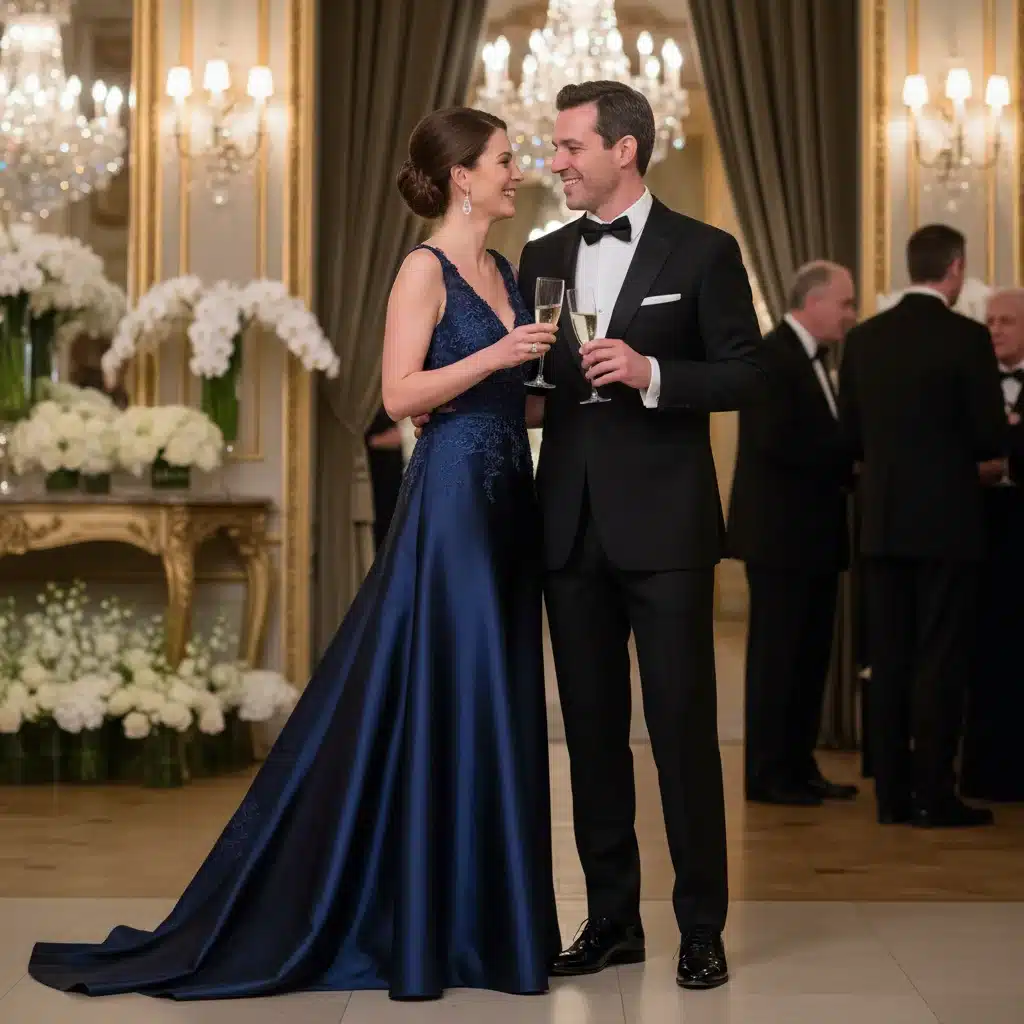
Black Tie: The Pinnacle of Evening Elegance
Black tie is a serious dress code reserved for the most formal evening events. It’s a classic and unchanging standard within American dress codes.
For Men (Black Tie):
- Attire: Tuxedo (black or midnight blue) with a matching jacket and trousers, a white formal shirt (pleated or pique front), a black bow tie, and a cummerbund or waistcoat.
- Footwear: Polished black patent leather dress shoes or velvet slippers.
- Accessories: Cufflinks and shirt studs, dress watch (optional, often considered unnecessary for true black tie).
- What to Avoid: Regular suits, neckties, colored bow ties (unless specified as ‘creative black tie’), anything less than a full tuxedo.
For Women (Black Tie):
- Attire: Floor-length evening gown. Sophisticated cocktail dresses (midi to ankle length) made of luxurious fabrics may be acceptable in some contemporary settings, but a full gown is always the safest bet.
- Fabrics: Silk, satin, velvet, chiffon, lace.
- Footwear: Elegant heels.
- Accessories: Clutch bag, fine jewelry (real or high-quality imitation), an elegant wrap or stole.
- What to Avoid: Short dresses, overly casual fabrics, large handbags, chunky jewelry.
When to Wear: Galas, formal weddings, charity balls, opera premieres. Black tie is about embracing timeless elegance and sophistication, a truly distinguished category of American dress codes.
Creative Black Tie: Modern Twist on Formality
This dress code allows for personal expression within the black-tie framework. It’s black tie with a fashionable twist.
For Men (Creative Black Tie):
- Attire: Tuxedo, but with room for color in the shirt, bow tie, or even a patterned jacket (e.g., velvet, brocade). A dark suit with a distinctive vest and tie can also work.
- What to Avoid: Still no casual wear; maintain an elevated, formal aesthetic.
For Women (Creative Black Tie):
- Attire: Evening gown with unique details, a chic pantsuit in a luxurious fabric, or a sophisticated separates ensemble with a dramatic flair.
- What to Avoid: Overly casual or traditional black-tie looks; aim for a fashionable statement.
When to Wear: Fashion-forward events, art gallery openings, some modern weddings where the hosts encourage individuality. Creative black tie is an exciting evolution within American dress codes.
White Tie: The Most Formal (Rare)
White tie is the absolute pinnacle of formal attire, even more formal than black tie. It is rarely encountered in 2026 outside of state dinners, royal events, or specific diplomatic functions. If you receive a white-tie invitation, it’s a truly special occasion.
For Men (White Tie):
- Attire: Black tailcoat, white pique waistcoat, white winged-collar shirt, white bow tie, black trousers with a single or double stripe of satin or braid down the side.
- Footwear: Black patent leather dress shoes.
- Accessories: White gloves (optional), pocket watch.
For Women (White Tie):
- Attire: Full-length evening gown, typically conservative in color and style.
- Accessories: Opera-length gloves, elaborate jewelry, elegant hair styled formally.
When to Wear: State banquets, highly prestigious awards ceremonies, some royal weddings. White tie is a historical and very specific aspect of American dress codes, though seldom seen.
Decoding Ambiguous Invitations & Special Mentions
Sometimes, invitations might use terms that aren’t immediately clear, or they might specify a theme. Here’s how to navigate those.
‘Festive Attire’: Celebrate with Style
Often seen around holidays, ‘festive attire’ means to dress in celebratory clothing. For men, this could mean a sport coat in a rich color or pattern, a festive tie, or a colorful pocket square. For women, it’s an opportunity for dresses or separates in brighter colors, metallics, sequins, or interesting textures. Always keep the season and specific holiday in mind. It’s an invitation to inject personality into your interpretation of American dress codes.
‘Resort Casual’ or ‘Island Chic’: Vacation Vibes
Common for destination weddings or cruises. This suggests light, breathable fabrics and a relaxed elegance. For men, linen shirts, polos, tailored shorts, or light chinos with loafers or deck shoes. For women, sundresses, flowy skirts, stylish sandals, and natural fabrics like linen or cotton. Think elegant resort wear.
The ability to interpret and adapt to different American dress codes is a valuable social and professional skill that will serve you well in any setting.
‘Themed Parties’: Embrace the Spirit
If an invitation specifies a theme (e.g., ‘1920s Gatsby,’ ‘Tropical Luau’), the primary goal is to participate. Do your best to adhere to the theme while still looking polished. A little effort goes a long way. This is where you can truly show off your creativity within American dress codes.
General Tips for Mastering American Dress Codes in 2026
- When in Doubt, Overdress Slightly: It’s always better to be slightly overdressed than underdressed. You can often ‘dress down’ an outfit (e.g., remove a tie or blazer), but it’s hard to ‘dress up’ a casual one.
- Pay Attention to Fabric and Fit: Even the most casual outfit looks better if it’s well-fitting and made from quality fabric. Wrinkles and ill-fitting clothes detract from any look.
- Consider the Venue: A backyard barbecue will have different expectations than a restaurant. The location often provides clues to the formality.
- Research: If you’re unsure, do a quick online search for the venue or type of event. Look at photos from previous events if available.
- Accessorize Wisely: Accessories can elevate or downgrade an outfit. A statement necklace can turn a simple dress into cocktail attire, while a pair of sneakers will instantly casualize a blazer.
- Grooming Matters: No outfit, no matter how perfect, can compensate for poor grooming. Clean hair, neat nails, and appropriate makeup (for women) are crucial.
- Confidently Own Your Look: Once you’ve chosen your outfit, wear it with confidence. Your demeanor can be just as impactful as your clothes.
- Invest in Versatile Pieces: A good navy or charcoal suit, a classic little black dress, tailored trousers, and quality button-down shirts can be adapted for multiple American dress codes.
The Evolution of American Dress Codes in 2026
While the core categories of American dress codes remain, 2026 sees a continued blend of comfort and style. The pandemic accelerated a shift towards more relaxed professional wear, and this trend has largely stuck. Hybrid work models mean that ‘business casual’ often encompasses a wider range of looks, sometimes even incorporating stylish, clean sneakers in creative fields.
Sustainability is also influencing fashion choices. More people are opting for high-quality, durable pieces that can be mixed and matched, rather than fast fashion. This means investing in foundational pieces that adhere to various American dress codes and can be styled differently. Gender fluidity in fashion is also becoming more accepted, allowing for greater personal expression within traditional boundaries.
Ultimately, the goal in 2026 is to dress authentically while still respecting the occasion. It’s about finding that sweet spot where you feel comfortable and confident, and your attire aligns with the expectations of the event. The ability to interpret and adapt to different American dress codes is a valuable social and professional skill that will serve you well in any setting.
Conclusion: Your Style, Decoded
Mastering American dress codes is an ongoing journey, but with this handbook, you’re well-equipped for any occasion 2026 throws your way. From the most laid-back casual gathering to the most distinguished black-tie affair, understanding these sartorial guidelines empowers you to present your best self, always. Remember, fashion is not just about clothes; it’s about confidence, respect, and effective communication.
By applying these insights, you’ll not only avoid fashion faux pas but also enhance your personal brand, whether in a professional or social context. So go forth, embrace the diversity of American style, and dress with purpose and panache. Your perfectly decoded wardrobe awaits, ready for every moment and every invitation. Keep this guide handy as your go-to reference for all things related to American dress codes, ensuring you’re always impeccably dressed and confidently prepared.