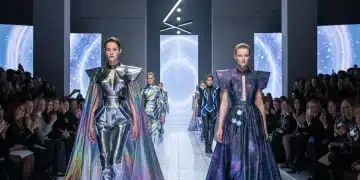
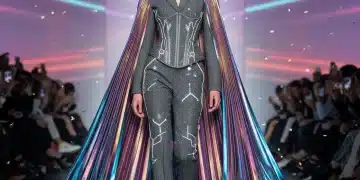
Future Fashion Trends 2026: Adapting to Modern American Lifestyles
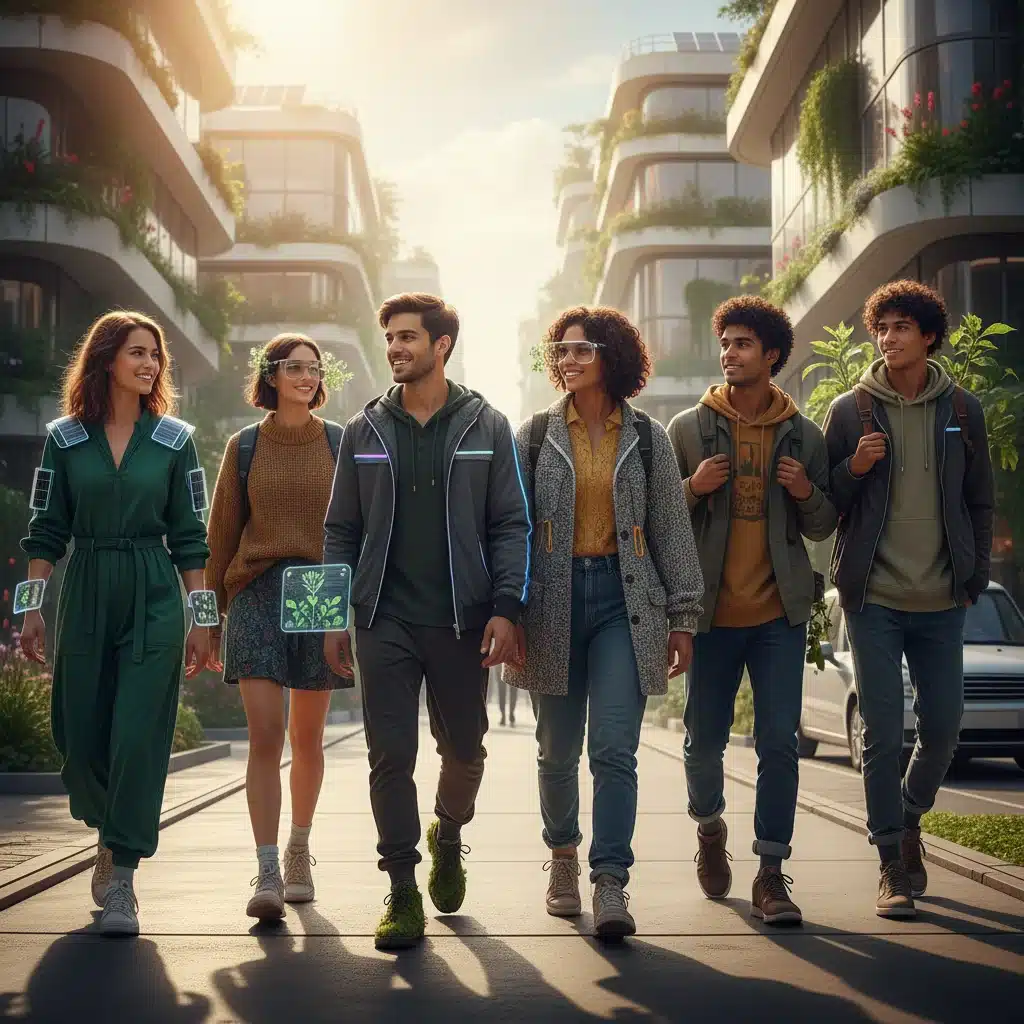
Navigating the New Normal: 5 Future Fashion Trends Adapting to the Modern American Lifestyle in 2026
The world of fashion is a dynamic and ever-evolving tapestry, constantly reflecting and influencing societal shifts, technological advancements, and cultural values. As we fast-forward to 2026, the American lifestyle has undergone significant transformations, driven by a renewed focus on well-being, sustainability, and efficiency. These changes are not just superficial; they are deeply ingrained, shaping everything from how we work and socialize to how we dress. The future fashion trends emerging for 2026 are a direct response to this ‘new normal,’ offering innovative solutions that blend style with practicality, ethics with aesthetics, and individuality with collective consciousness.
Understanding these future fashion trends is crucial not only for designers and retailers but for anyone interested in making informed choices about their wardrobe. It’s about more than just what’s “in” — it’s about what genuinely serves our evolving needs and values. From the rise of hyper-personalized garments to the dominance of sustainable materials, 2026 promises a fashion landscape that is both exciting and profoundly meaningful. This article delves into the top 5 future fashion trends that are set to define the modern American wardrobe, exploring their origins, impact, and what they mean for you.
1. The Rise of ‘Conscious Comfort’: Sustainable & Adaptive Wear
The pandemic years profoundly reshaped our relationship with clothing, ushering in an era where comfort became paramount. However, as we move into 2026, this comfort is evolving beyond mere loungewear. We are witnessing the ascendancy of ‘Conscious Comfort,’ a future fashion trend that seamlessly blends ergonomic design with unwavering sustainable practices and adaptive functionalities. Consumers are no longer willing to sacrifice their values for style, nor their comfort for formality. This trend emphasizes garments that feel good, do good, and look good, catering to a lifestyle that values both personal well-being and planetary health.
Sustainability at its Core
At the heart of Conscious Comfort is a deep commitment to sustainability. By 2026, “eco-friendly” will no longer be a niche marketing term but a fundamental expectation. Brands are increasingly adopting circular economy principles, utilizing recycled and upcycled materials, and investing in innovative, biodegradable fabrics like mushroom leather, algae-based textiles, and advanced organic cotton blends. Production processes are becoming more transparent, with consumers demanding to know the origin and environmental impact of their clothing. Expect to see a proliferation of certifications and digital passports for garments, verifying their sustainable journey from raw material to finished product.
Advertisements
Adaptive Design for All
Another crucial facet of this future fashion trend is adaptive design. This goes beyond catering to specific physical needs, though that remains a vital component. Adaptive wear in 2026 is about versatility and functionality for everyone. Think adjustable waistbands, modular components that allow for easy customization, temperature-regulating fabrics, and wrinkle-resistant materials that effortlessly transition from a busy workday to an evening out. The goal is to create clothing that adapts to the wearer’s changing environment, activities, and even body shape, promoting longevity and reducing the need for constant consumption. Magnetic closures, seamless construction, and intelligent layering systems will become commonplace, enhancing ease of wear and broad appeal.
The “New” Professional Attire
The blurring lines between work and leisure have also contributed to this trend. Formal office wear is being reimagined as sophisticated yet comfortable attire that can withstand the demands of a hybrid work schedule. Performance fabrics, once reserved for activewear, are now integrated into blazers, trousers, and dresses, offering stretch, breathability, and durability. This evolution ensures that individuals can maintain a polished appearance without compromising on the comfort they’ve grown accustomed to, making Conscious Comfort a cornerstone of future fashion trends for professional settings.
The impact of Conscious Comfort is profound. It challenges the fast fashion model, encouraging investment in fewer, higher-quality, and more versatile pieces. It fosters a deeper connection between consumers and their clothing, promoting mindful consumption and a greater appreciation for craftsmanship and ethical production. As we move further into the decade, this trend will continue to evolve, pushing the boundaries of what fashion can achieve in terms of both style and societal responsibility, becoming a defining characteristic of future fashion trends.
2. Hyper-Personalization & Digital Tailoring
In an increasingly digital world, the desire for unique identity and perfect fit is stronger than ever. The second significant future fashion trend for 2026 is the widespread adoption of Hyper-Personalization and Digital Tailoring. This trend moves beyond simple customization, leveraging advanced technology to create garments that are not just made for you, but made by you, or at least with your precise specifications and preferences at the forefront. It’s about empowering the individual and celebrating uniqueness in a mass-produced world.
The Power of Data and AI
At the core of hyper-personalization is data. By 2026, AI-powered algorithms will analyze vast amounts of personal data — from body measurements taken via 3D scanning apps on smartphones to style preferences gleaned from social media interactions and purchase history. This data allows brands to offer highly curated recommendations, personalized design options, and even “design-your-own” platforms that are intuitive and user-friendly. Imagine selecting a garment online and then fine-tuning every detail, from sleeve length and collar style to fabric texture and print, all with AI guidance ensuring aesthetic harmony and optimal fit.
3D Printing and On-Demand Manufacturing
Digital tailoring is further revolutionized by advancements in manufacturing, particularly 3D printing and on-demand production. Instead of producing large quantities of standardized sizes, brands will increasingly adopt a “made-to-order” model. This not only ensures a perfect fit for every customer but also dramatically reduces waste — a key component of sustainable practices. 3D printing allows for intricate designs, bespoke embellishments, and even the creation of entire garments tailored to individual body scans. This technology is making unique, custom pieces more accessible and affordable than ever before, moving hyper-personalization from luxury to mainstream.
Virtual Try-Ons and Augmented Reality
The shopping experience itself is being transformed. Virtual try-on technologies and augmented reality (AR) apps will become standard, allowing consumers to “wear” garments digitally before making a purchase. This reduces returns, improves customer satisfaction, and helps individuals visualize how personalized options will look on their specific body type. These immersive experiences are crucial for the success of digital tailoring, bridging the gap between online design and real-world satisfaction.
Hyper-personalization and digital tailoring are reshaping the entire fashion supply chain, from design to delivery. They foster a deeper connection between the consumer and the product, moving away from disposable fashion towards cherished, long-lasting pieces. This future fashion trend not only caters to individual expression but also aligns perfectly with sustainability goals by minimizing overproduction and waste. As technology continues to advance, the possibilities for personalized style will only expand, making 2026 a pivotal year for bespoke fashion experiences.
3. Tech-Integrated Textiles & Wearables
The intersection of fashion and technology is accelerating at an unprecedented pace, giving rise to the third major future fashion trend for 2026: Tech-Integrated Textiles and Wearables. This isn’t just about smartwatches; it’s about clothing itself becoming a sophisticated interface, enhancing our lives in ways that were once confined to science fiction. From health monitoring to environmental interaction, our garments are transforming into intelligent extensions of ourselves, seamlessly blending utility with cutting-edge design.
Smart Fabrics for Enhanced Living
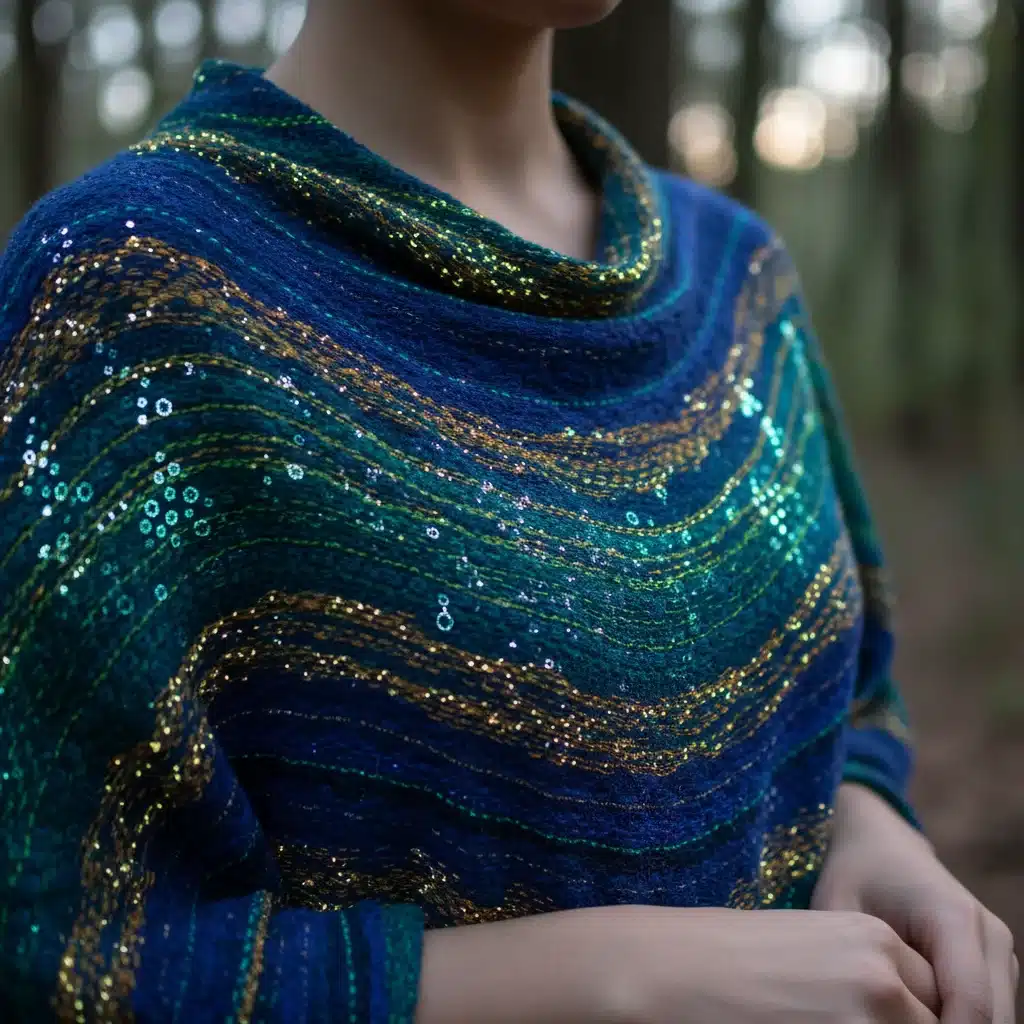
By 2026, smart fabrics will be commonplace, woven with micro-sensors, conductive threads, and flexible electronics that monitor vital signs, regulate body temperature, and even charge small devices. Imagine a jacket that warms you when it’s cold and cools you when it’s hot, adapting autonomously to your environment. Or athletic wear that tracks your performance with medical-grade accuracy, providing real-time feedback directly to your connected devices. These textiles will be indistinguishable from conventional fabrics in terms of comfort and aesthetics, yet offer a wealth of functional benefits.
Interactive and Responsive Clothing
Beyond health and comfort, tech-integrated clothing will become interactive and responsive. We’ll see garments that change color or pattern based on mood, environmental factors, or even user command. LED-embedded fabrics could display dynamic designs or provide navigational cues. Haptic feedback textiles could offer subtle alerts or enhance immersive virtual and augmented reality experiences. This opens up entirely new avenues for self-expression and practical utility, making clothing a dynamic rather than static element of our daily lives.
Seamless Integration with the Digital World
The true power of this future fashion trend lies in its seamless integration with our broader digital ecosystem. Smart clothing will connect effortlessly with our smartphones, smart homes, and other wearable devices, creating a cohesive network that enhances convenience and efficiency. Picture a shirt that can automatically unlock your smart door, or a pair of trousers that can make contactless payments with a simple gesture. The goal is to make technology disappear into our clothing, providing utility without distraction or bulk.
Ethical Considerations and Data Privacy
As with all advancements in technology, ethical considerations and data privacy will be paramount. Brands developing tech-integrated textiles will need to prioritize robust security measures and transparent data handling policies to build consumer trust. The benefits of these innovations — from improved health insights to enhanced personal safety — will need to be carefully balanced with the responsibility of protecting personal information. This future fashion trend is not just about what technology can do, but how we responsibly integrate it into our lives.
Tech-integrated textiles and wearables represent a paradigm shift in how we perceive and use clothing. They transform garments from mere coverings into powerful tools that enhance our health, comfort, and connection to the digital world. As we approach 2026, these intelligent fabrics will become an indispensable part of the modern American lifestyle, pushing the boundaries of what fashion can truly be.
4. Gender-Neutral & Fluid Silhouettes
The societal shift towards greater inclusivity and self-expression is profoundly influencing fashion, manifesting as the fourth prominent future fashion trend for 2026: Gender-Neutral and Fluid Silhouettes. This trend moves away from rigid gender binaries in clothing, embracing designs that can be worn and interpreted by anyone, regardless of their gender identity. It’s a celebration of individual style and comfort, dismantling traditional sartorial norms and fostering a more expansive and accepting view of fashion.
Beyond Androgyny: True Fluidity
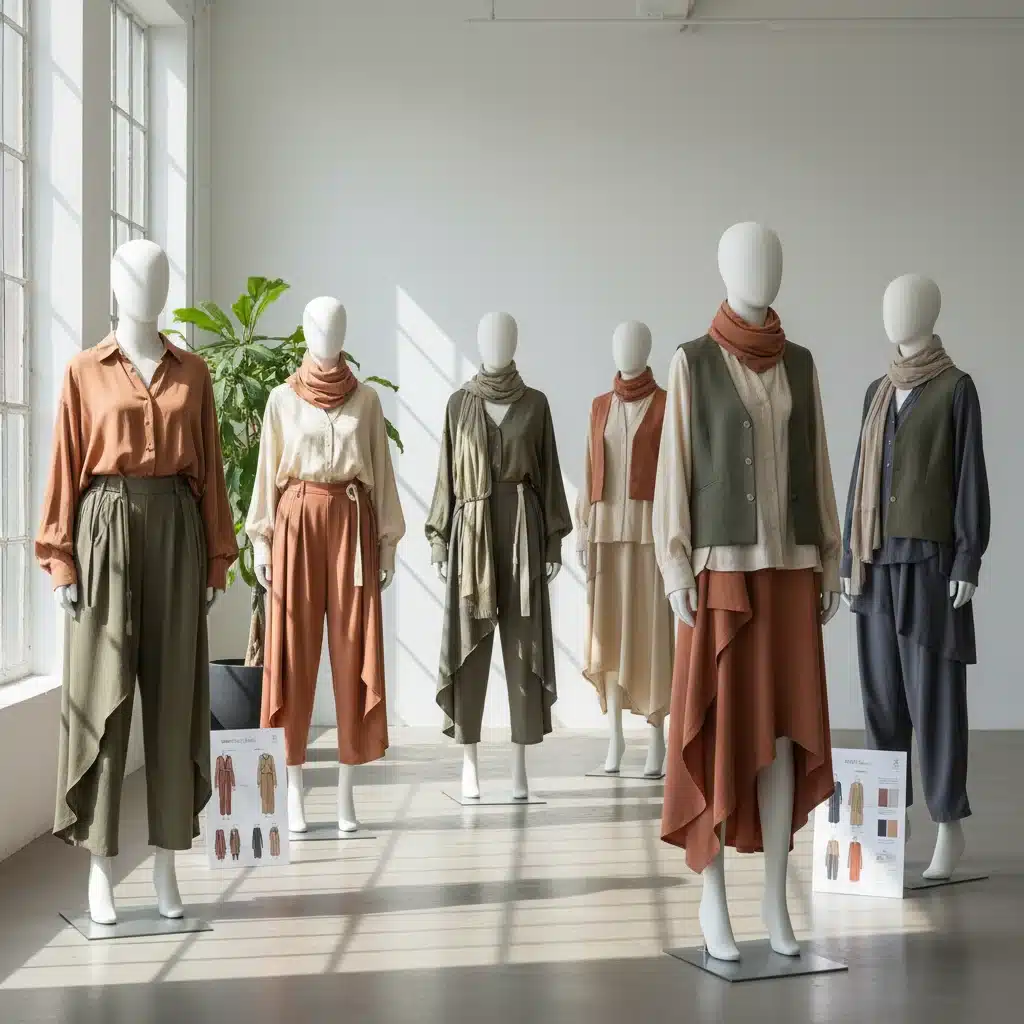
While androgynous styles have been present in fashion for decades, the 2026 interpretation of gender-neutrality goes much further. It’s not about making women dress like men or vice versa; it’s about creating garments that are inherently designed without gender in mind. This means a focus on versatile cuts, relaxed fits, and adaptable proportions that flatter a wide range of body types. Expect to see more oversized blazers, wide-leg trousers, tunic-style shirts, and utilitarian jumpsuits that transcend traditional masculine and feminine aesthetics.
Modular and Customizable Elements
To further enhance fluidity, modularity will play a significant role. Pieces that can be easily layered, detached, or adjusted will allow individuals to personalize their look and adapt it to different occasions and personal styles. This aligns perfectly with the trend of hyper-personalization, giving consumers the freedom to construct their identity through clothing without being confined by pre-defined gender roles. Detachable sleeves, convertible hemlines, and adjustable waistbands will be key features.
Breaking Down Retail Barriers
This future fashion trend is also impacting the retail landscape. We’ll see more gender-neutral sections in stores, or even entire brands built around the concept of ungendered clothing. Marketing campaigns will increasingly feature diverse models across the gender spectrum, showcasing how garments can be styled in myriad ways. The language used to describe clothing will also evolve, moving away from gendered terms towards more functional and descriptive adjectives, reflecting a more inclusive approach to fashion communication.
The “Comfort” Aspect
There’s a strong connection between gender-neutral fashion and the ‘Conscious Comfort’ trend. Fluid silhouettes often prioritize comfort and ease of movement, appealing to a generation that values practicality alongside style. The relaxed fits and adaptable designs inherent in gender-neutral clothing naturally lend themselves to a comfortable wearing experience, reinforcing its appeal across a broad demographic.
The embrace of gender-neutral and fluid silhouettes is more than just a passing fad; it represents a fundamental shift in how society views identity and expression through clothing. It empowers individuals to dress authentically, free from societal expectations, and contributes to a more inclusive and diverse fashion world. As we step into 2026, this future fashion trend will continue to gain momentum, redefining the boundaries of personal style for the modern American lifestyle.
5. “Phygital” Fashion & Metaverse Integration
The fifth and perhaps most futuristic future fashion trend for 2026 is the emergence of “Phygital” Fashion and deep Metaverse Integration. This trend blurs the lines between the physical and digital worlds, offering unique opportunities for creativity, commerce, and community building within the fashion industry. As our lives become increasingly intertwined with digital spaces, our clothing — both real and virtual — is following suit, creating a dynamic new frontier for style and expression.
The Rise of Digital Collectibles and NFTs
Digital fashion, particularly in the form of NFTs (Non-Fungible Tokens), is set to explode by 2026. These unique digital garments can be “worn” by avatars in virtual worlds, used as filters on social media, or even “purchased” and displayed as digital art. Brands are increasingly launching digital-only collections, allowing consumers to express their style in the metaverse without the environmental impact of physical production. These digital assets often come with exclusive access to virtual events, gaming perks, or even physical counterparts, creating a rich ecosystem of value.
Bridging Physical and Digital: Phygital Experiences
“Phygital” fashion refers to experiences that combine physical and digital elements. This could mean purchasing a physical garment that comes with a corresponding digital twin for your avatar, or attending a fashion show that takes place simultaneously in a physical venue and a metaverse environment. Pop-up stores might feature AR try-on mirrors, allowing shoppers to virtually experience clothing before making a physical purchase. The goal is to create a seamless and immersive brand experience that transcends the limitations of either realm.
Metaverse as a Creative Hub
The metaverse is not just a marketplace; it’s becoming a vibrant creative hub for fashion. Emerging designers can showcase their work to a global audience without the traditional barriers of entry. Virtual fashion weeks, collaborative design spaces, and user-generated content platforms within the metaverse will foster innovation and democratize fashion creation. Consumers can actively participate in the design process, co-creating garments with brands or even designing their own unique digital collections.
Impact on Retail and Branding
This future fashion trend will revolutionize retail and branding strategies. Brands will need to develop comprehensive “phygital” strategies, engaging consumers across multiple touchpoints, both online and offline. The value proposition will extend beyond the physical product to include digital ownership, community membership, and immersive experiences. Marketing will increasingly leverage virtual influencers and metaverse activations to reach new demographics and build brand loyalty in novel ways.
“Phygital” fashion and metaverse integration represent the cutting edge of future fashion trends. While still in its nascent stages, its potential is immense, promising a future where our identities and expressions are as fluid and boundless as the digital spaces we inhabit. By 2026, navigating these intertwined realities will be a fundamental aspect of the modern American lifestyle, forever changing how we consume, create, and experience fashion.
Conclusion: The Evolving Wardrobe of 2026
The fashion landscape of 2026 is shaping up to be one of unprecedented innovation, responsibility, and personalization. The five future fashion trends — Conscious Comfort, Hyper-Personalization & Digital Tailoring, Tech-Integrated Textiles & Wearables, Gender-Neutral & Fluid Silhouettes, and &#xx201C;Phygital” Fashion & Metaverse Integration — are not isolated phenomena. Instead, they are deeply interconnected, each influencing and reinforcing the others to create a holistic vision for the modern American wardrobe.
These trends reflect a collective desire for clothing that does more than just cover the body; it must serve our values, enhance our well-being, celebrate our individuality, and connect us to a broader community, both physical and digital. Sustainability is no longer a choice but a necessity, woven into the very fabric of design and production. Technology is no longer an add-on but an intrinsic element, transforming garments into intelligent, interactive companions. And inclusivity is not a marketing buzzword but a fundamental principle, breaking down barriers and embracing diverse identities.
For consumers, this means a more exciting and empowering shopping experience, with endless possibilities for self-expression. For brands, it presents both challenges and immense opportunities to innovate, adapt, and build authentic connections with their audience. The future fashion trends of 2026 signal a shift towards a more thoughtful, functional, and deeply personal approach to style, one that is truly adapted to the complexities and aspirations of the modern American lifestyle.
Embracing these future fashion trends isn’t just about staying current; it’s about participating in a movement towards a more conscious, connected, and creatively liberating future for fashion. The wardrobe of 2026 will be a testament to human ingenuity, ethical responsibility, and the enduring power of personal style in an ever-changing world. Get ready to redefine your style and step into the future of fashion!