From Thrift to Chic: Maximizing Your Style with 4 Budget-Friendly Strategies in 2026
From Thrift to Chic: Maximizing Your Style with 4 Budget-Friendly Strategies in 2026
In an era where personal expression through fashion is more celebrated than ever, the misconception that a stellar wardrobe demands a hefty investment continues to persist. However, as we step into 2026, the landscape of style is evolving, emphasizing smart choices over extravagant spending. The secret? Mastering effective budget fashion strategies. This comprehensive guide will dismantle the myth that high fashion equals high cost, providing you with four transformative approaches to curate a chic, sustainable, and enviable wardrobe without breaking the bank. Prepare to revolutionize your approach to clothing, proving that true style is about ingenuity, not affluence.
The fashion industry is undergoing a significant shift. Consumers are increasingly aware of the environmental and ethical implications of fast fashion, leading to a surge in demand for more sustainable and thoughtful consumption habits. This paradigm shift makes budget fashion strategies not just a necessity for those with limited funds, but a conscious choice for anyone looking to make a positive impact while still looking their best. From embracing the thrill of the hunt in second-hand stores to meticulously crafting a versatile capsule wardrobe, the possibilities are endless for those willing to explore beyond conventional retail. The goal is to cultivate a wardrobe that reflects your unique personality, offers versatility, and stands the test of time, all while adhering to a sensible budget.
Navigating the world of fashion on a budget requires a blend of creativity, patience, and strategic planning. It’s about seeing potential where others see discards, understanding the power of a well-chosen accessory, and recognizing the value in quality over quantity. In the following sections, we will delve deep into each of these four pivotal budget fashion strategies, equipping you with the knowledge and actionable tips to elevate your style quotient significantly. Whether you’re a seasoned bargain hunter or new to the concept of conscious consumption, these strategies are designed to empower you to build a wardrobe that is both stylish and fiscally responsible. Get ready to transform your fashion narrative and step out with confidence, knowing you’ve mastered the art of looking expensive on a budget.
Advertisements
1. The Art of Thrifting and Second-Hand Shopping: Unearthing Hidden Gems
One of the most powerful budget fashion strategies available today is undoubtedly thrifting and second-hand shopping. This isn’t just about saving money; it’s about uncovering unique, often high-quality pieces that tell a story and add character to your wardrobe. The thrill of the hunt is a significant part of the appeal, as you never know what treasures you might discover. In 2026, the popularity of second-hand markets, vintage stores, and online consignment platforms has soared, making it easier than ever to access pre-loved fashion.
Why Thrift? Beyond the Price Tag
Beyond the obvious financial benefits, thrifting offers several compelling advantages. Firstly, it’s a highly sustainable practice. By choosing second-hand items, you’re extending the life cycle of clothing, reducing waste, and lessening the demand for new production, which often has a significant environmental footprint. Secondly, thrift stores are a goldmine for unique pieces. You’re far less likely to encounter someone else wearing the exact same outfit when your wardrobe is built from unique vintage finds or one-off designer pieces discovered at a fraction of their original cost. This allows for a truly individualized style that stands out from the mass-produced trends.
Mastering the Thrift Store Hunt: Tips and Tricks
- Know Your Style and Needs: Before you even step into a store or browse online, have a clear idea of what you’re looking for. Do you need a new winter coat? Are you searching for specific denim styles? This focus will prevent impulse buys and ensure you only acquire items that genuinely enhance your existing wardrobe.
- Inspect Carefully: Always check items thoroughly for stains, tears, missing buttons, or broken zippers. While some minor flaws can be easily fixed (and we’ll discuss upcycling later!), major damage might not be worth the effort or cost.
- Think Beyond the Rack: Don’t be limited by the size tag. Vintage sizing can differ significantly from modern standards. Try things on, or at least hold them up against you. Also, consider items that might be slightly too big; oversized pieces can often be tailored for a custom fit, or styled creatively for a relaxed, chic look.
- Be Patient: Thrifting is not a sprint; it’s a marathon. Some days you’ll find nothing, other days you’ll hit the jackpot. Regular visits to your favorite spots can increase your chances of finding amazing pieces.
- Explore Diverse Locations: Different areas often yield different types of clothing. Upscale neighborhoods might have designer donations, while smaller towns could offer unique vintage finds. Don’t limit yourself to just one type of second-hand store.
- Consider Online Platforms: Websites like ThredUp, Poshmark, and Depop have made second-hand shopping incredibly accessible. You can filter by brand, size, style, and condition, making it easier to find exactly what you’re looking for from the comfort of your home.
By integrating thrifting into your budget fashion strategies, you’re not just saving money; you’re cultivating a more sustainable, unique, and exciting approach to fashion. It’s an adventure that rewards patience and a keen eye.
2. Building a Versatile Capsule Wardrobe: Less is More
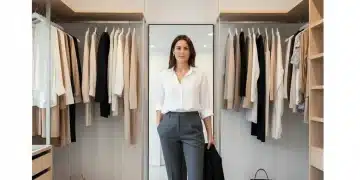
The concept of a capsule wardrobe is one of the most effective and enduring budget fashion strategies. It involves curating a collection of essential, timeless pieces that can be easily mixed and matched to create a multitude of outfits. The philosophy behind it is simple: quality over quantity, versatility over fleeting trends. In 2026, as minimalist aesthetics and conscious consumption continue to gain traction, the capsule wardrobe stands as a beacon of smart, sustainable style.
The Core Principles of a Capsule Wardrobe
- Timelessness: Focus on classic silhouettes and styles that won’t go out of fashion quickly. Think well-fitting jeans, a crisp white shirt, a versatile black dress, tailored trousers, and neutral-colored sweaters.
- Neutral Color Palette: While not strictly mandatory, a predominantly neutral color palette (blacks, whites, grays, navies, beiges) makes mixing and matching effortless. You can always introduce pops of color through accessories or a few carefully chosen statement pieces.
- High Quality: Since you’ll have fewer items, it’s worth investing in better quality pieces that will last longer. This doesn’t mean expensive; it means durable fabrics and good construction. Thrifting can be an excellent way to find high-quality items at a low cost.
- Versatility: Each item should be able to serve multiple purposes and be styled in various ways for different occasions, from casual to formal.
How to Create Your 2026 Capsule Wardrobe
- Audit Your Current Wardrobe: Start by pulling everything out of your closet. Be honest with yourself: what do you actually wear? What fits well? What makes you feel good? Separate items into ‘keep,’ ‘donate/sell,’ and ‘mend/alter’ piles. This step is crucial for understanding your current style and identifying gaps.
- Define Your Lifestyle Needs: Your capsule should reflect your daily life. Do you work in a formal office, or is your lifestyle more casual? Consider your hobbies, social activities, and the climate you live in. This will help you determine the types of clothes you truly need.
- Choose Your Core Pieces: Select a foundation of around 20-40 items (this number can vary). These should be your go-to pieces: tops, bottoms, dresses, outerwear, and shoes. Focus on items that are comfortable, well-fitting, and made from durable materials.
- Incorporate Statement Pieces and Accessories: Once your core is established, add a few statement pieces or colorful accessories to inject personality and keep things fresh. These could be a vibrant scarf, a unique piece of jewelry, or a boldly colored bag. Accessories are a fantastic way to change the look of an outfit without needing new clothes.
- Regularly Review and Refresh: A capsule wardrobe isn’t static. Periodically review your items, perhaps seasonally. Replace worn-out items, and consider adding new pieces that align with your evolving style or lifestyle changes, always keeping the ‘less is more’ philosophy in mind.
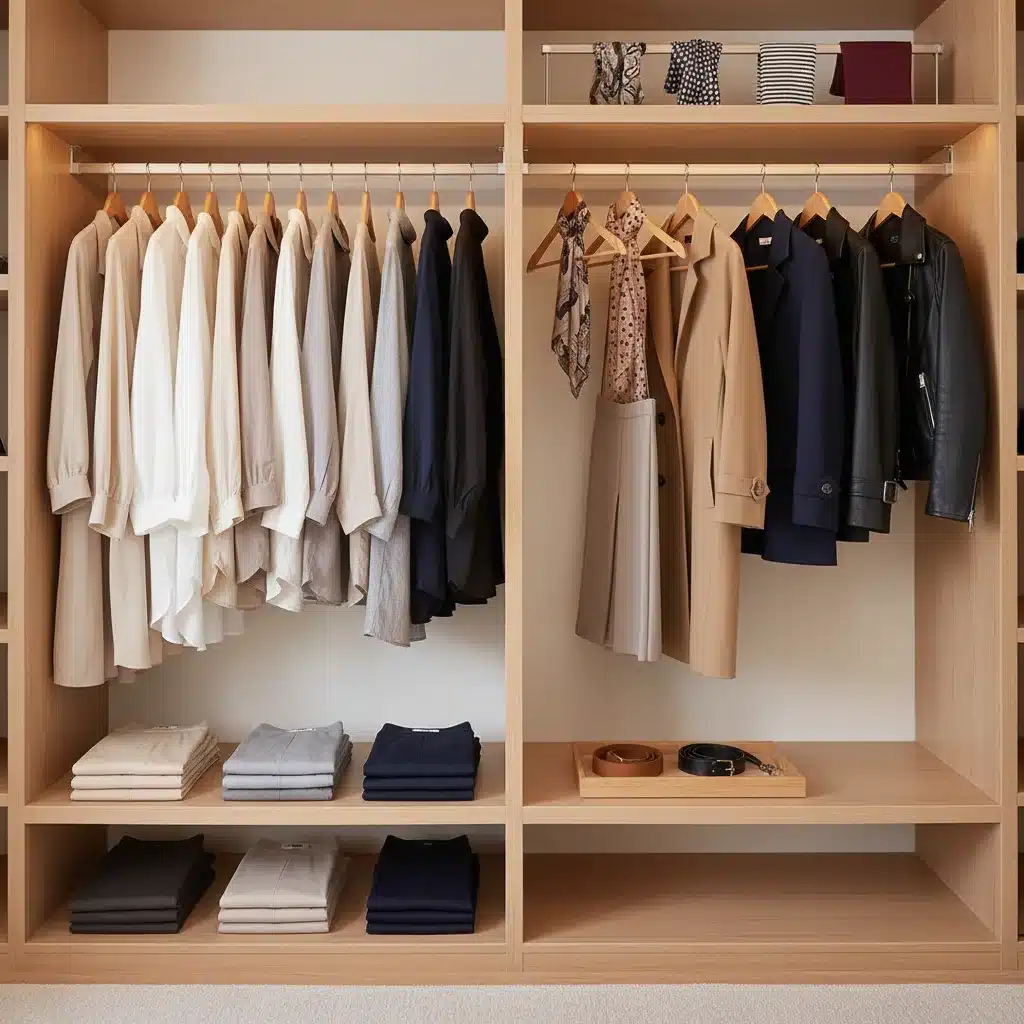
A capsule wardrobe is a powerful tool within your budget fashion strategies arsenal. It simplifies decision-making, reduces clutter, promotes mindful consumption, and ultimately saves you money by curbing impulsive purchases and maximizing the utility of every item you own. Embrace the freedom and elegance that comes with a thoughtfully curated, minimalist closet.
3. The Power of Upcycling and DIY: Transforming Old into New
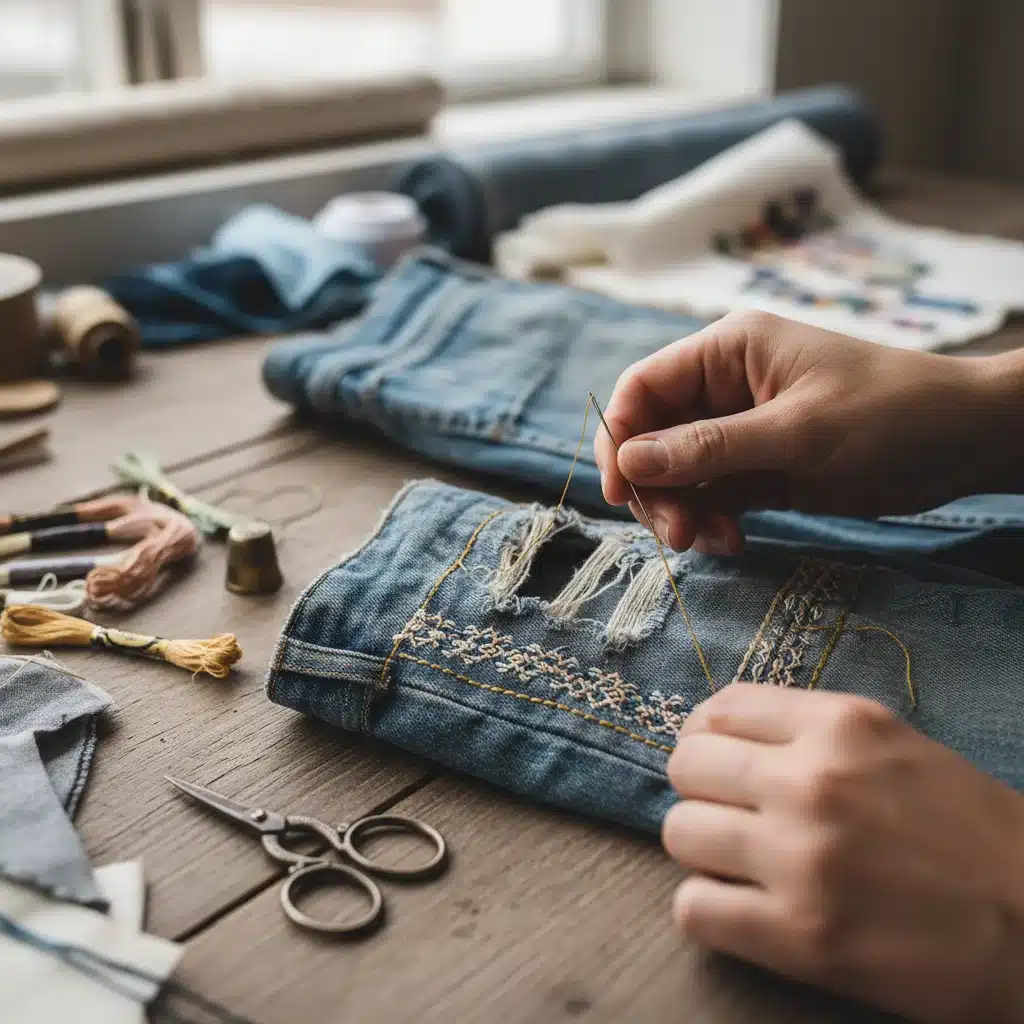
In the realm of effective budget fashion strategies, upcycling and DIY projects stand out as incredibly creative and sustainable approaches. Instead of discarding old or ill-fitting clothes, upcycling gives them a new lease on life, transforming them into fresh, stylish pieces. This not only saves money but also allows for unparalleled personalization, ensuring your wardrobe is truly one-of-a-kind. As environmental consciousness grows, upcycling has become a celebrated skill in 2026, turning waste into wearable art.
Why Upcycle? Creativity Meets Sustainability
Upcycling is a win-win. Environmentally, it diverts textiles from landfills, reducing pollution and the demand for new resource-intensive production. Economically, it allows you to refresh your wardrobe without spending on new garments. Aesthetically, it offers an avenue for boundless creativity. You can take a basic, inexpensive item and infuse it with your unique style, creating something that no one else has. This personal touch is what truly elevates an outfit from ordinary to extraordinary.
Popular Upcycling and DIY Techniques for 2026
- Basic Alterations: A simple hem adjustment can transform ill-fitting trousers or a dress into a perfectly tailored piece. Taking in seams can give a shapeless garment a flattering silhouette. These small changes can make a world of difference in how an item looks and feels.
- Dyeing and Bleaching: Give new life to faded clothes or completely change their color. Natural dyes offer an eco-friendly option, while tie-dye or reverse tie-dye (using bleach) can create bold, artistic patterns.
- Embroidery and Patches: Cover up stains or tears with decorative embroidery, or add unique patches to jackets, jeans, and bags. This is a fantastic way to add personality and hide imperfections.
- Deconstruction and Reconstruction: For the more adventurous, consider taking apart old garments and reassembling them into something entirely new. An old pair of jeans could become a skirt or a unique tote bag. A large men’s shirt could be refashioned into a stylish dress or a crop top.
- Adding Embellishments: Buttons, beads, lace, ribbons, and fabric scraps can all be used to enhance plain garments. A simple T-shirt can be elevated with a lace trim, or an old jacket can be revitalized with new buttons.
- Turning Jeans into Shorts/Skirts: A classic upcycling project, taking old jeans and cutting them into shorts or a skirt is a simple yet effective way to repurpose denim.
Getting Started with Upcycling
You don’t need to be a seasoned seamstress to start upcycling. Many projects require only basic sewing skills or no sewing at all. Online tutorials, platforms like YouTube and Pinterest, are teeming with inspiration and step-by-step guides for all skill levels. Start with simple projects, gather basic tools (sewing kit, fabric scissors, fabric glue), and let your creativity flow. Upcycling isn’t just a part of smart budget fashion strategies; it’s a rewarding hobby that fosters individuality and supports sustainable living.
4. Strategic Accessorizing: The Ultimate Style Multiplier
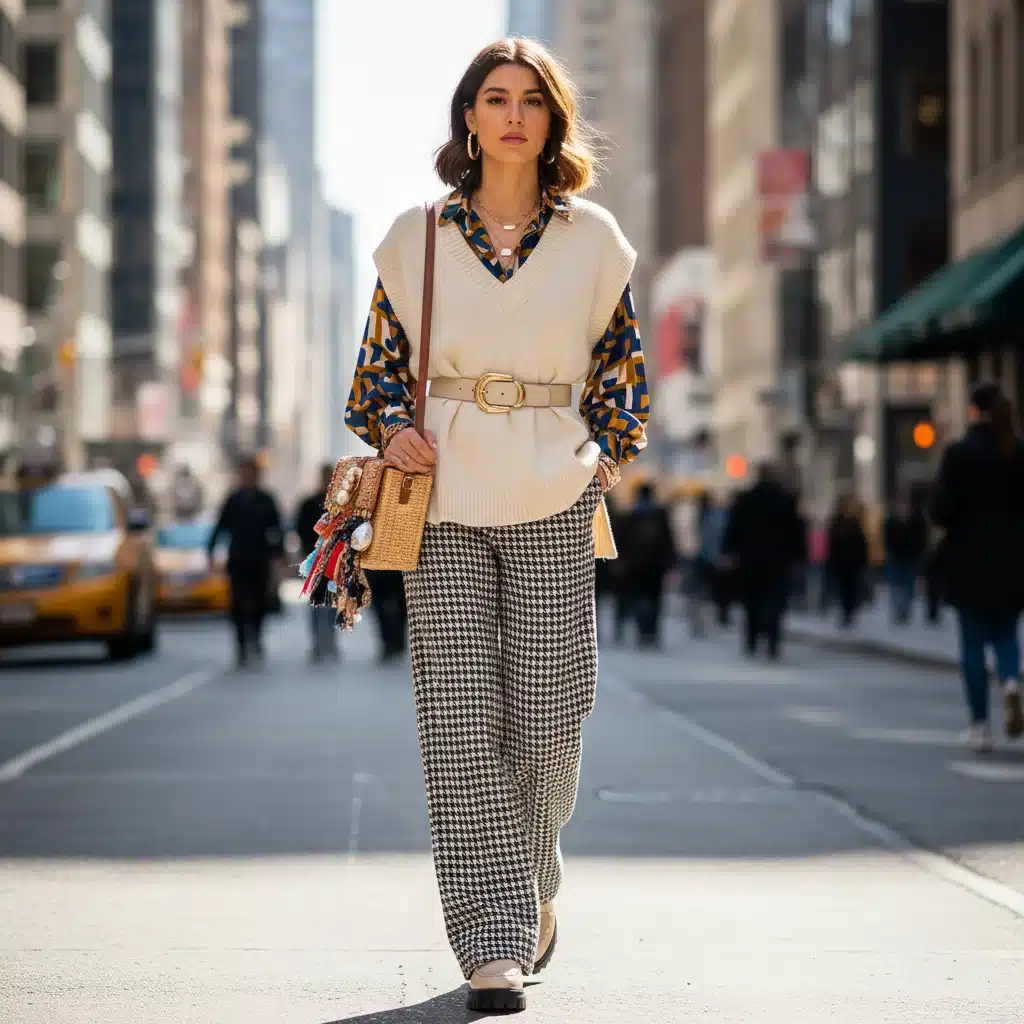
When discussing effective budget fashion strategies, the role of accessories cannot be overstated. Accessories are the unsung heroes of any wardrobe, possessing the remarkable ability to completely transform an outfit, inject personality, and elevate a simple ensemble into a statement look, all without requiring a complete overhaul of your clothing. In 2026, smart accessorizing is key to maximizing versatility and extending the life of your core wardrobe pieces.
Why Accessories are a Budget Fashion Powerhouse
Imagine a plain black dress. With a chunky necklace and heels, it’s perfect for a night out. With a denim jacket and sneakers, it’s casual chic. With a blazer and modest jewelry, it’s business appropriate. The core garment remains the same, but the accessories dictate the vibe. This versatility makes accessories incredibly cost-effective. Investing in a few high-quality, versatile accessories can give you endless outfit combinations, making your existing clothes work harder and appear fresh every time.
Key Accessories to Invest In (and How to Find Them Affordably)
- Scarves: A truly versatile item. Scarves can be worn around the neck, as a headscarf, tied to a handbag, used as a belt, or even fashioned into a top. Look for unique patterns and luxurious fabrics at thrift stores or discount retailers.
- Belts: A well-chosen belt can define your waist, add a pop of color, or change the silhouette of a dress or tunic. Invest in a few different widths and styles, from classic leather to woven designs.
- Jewelry: Statement necklaces, layered bracelets, and unique earrings can dramatically alter an outfit. Mix and match different metals and styles. Explore artisan markets, vintage shops, and online platforms for affordable, distinctive pieces.
- Handbags: While a good quality bag can be an investment, you don’t need dozens. A versatile neutral-colored bag for everyday and a smaller, more elegant option for evenings can cover most needs. Thrift stores often have hidden gems, and sales are your friend for new bags.
- Shoes: A few pairs of versatile shoes are essential. Think comfortable sneakers, classic flats or loafers, and a pair of elegant heels or boots. Again, quality over quantity is key here. Look for sales or second-hand options in good condition.
- Eyewear: Sunglasses and even prescription glasses can be powerful fashion statements. Don’t underestimate their ability to add a touch of sophistication or edge to your look.
- Hats: From stylish fedoras to cozy beanies, hats can complete an outfit and add an extra layer of flair.
Tips for Strategic Accessorizing
- Start with Neutrals, Add Color: Build a foundation of neutral accessories that will go with everything, then gradually introduce colorful or patterned pieces to add interest.
- Mix Textures and Materials: Combine different textures – a silk scarf with a leather bag, or a chunky knit beanie with delicate jewelry – to create visual depth and interest.
- Consider the Occasion: Tailor your accessories to the event. What works for a casual brunch might not be suitable for a formal dinner.
- Don’t Overdo It: Sometimes less is more. Choose one or two focal accessories rather than wearing everything at once.
- Organize Your Accessories: Keep your accessories visible and organized. This makes it easier to incorporate them into your daily outfits and prevents them from being forgotten.
By mastering strategic accessorizing, you unlock an incredible amount of styling potential within your existing wardrobe. It’s a smart, economical, and highly creative component of any successful set of budget fashion strategies, allowing you to project a polished and sophisticated image every day.
Conclusion: Embrace Smart Style in 2026
As we’ve explored, achieving impeccable style doesn’t require an endless budget. By embracing these four transformative budget fashion strategies – the thrill of thrifting, the efficiency of a capsule wardrobe, the creativity of upcycling, and the power of strategic accessorizing – you can cultivate a wardrobe that is not only chic and personal but also sustainable and fiscally responsible. In 2026, fashion is less about what you spend and more about how cleverly you curate and express yourself.
These strategies are interconnected, each enhancing the effectiveness of the others. Thrifting provides unique, affordable pieces for your capsule wardrobe, which can then be further personalized through upcycling, and finally brought to life with thoughtful accessories. This holistic approach ensures that every item in your closet serves a purpose, reflects your individuality, and contributes to a more sustainable fashion ecosystem.
Remember, true style is an extension of who you are. It’s about confidence, comfort, and creativity. By adopting these budget fashion strategies, you’re not just saving money; you’re developing a more conscious relationship with your clothes, fostering a unique aesthetic, and making a positive impact on the world. So, go forth, explore, create, and confidently showcase your brilliantly curated, budget-friendly style in 2026 and beyond. Your wardrobe, your wallet, and the planet will thank you.