E-commerce Fashion Sales Soar: 7% Growth Driven by Mobile Shopping in Q1 2026

E-commerce Fashion Sales Soar: 7% Growth Driven by Mobile Shopping in Q1 2026
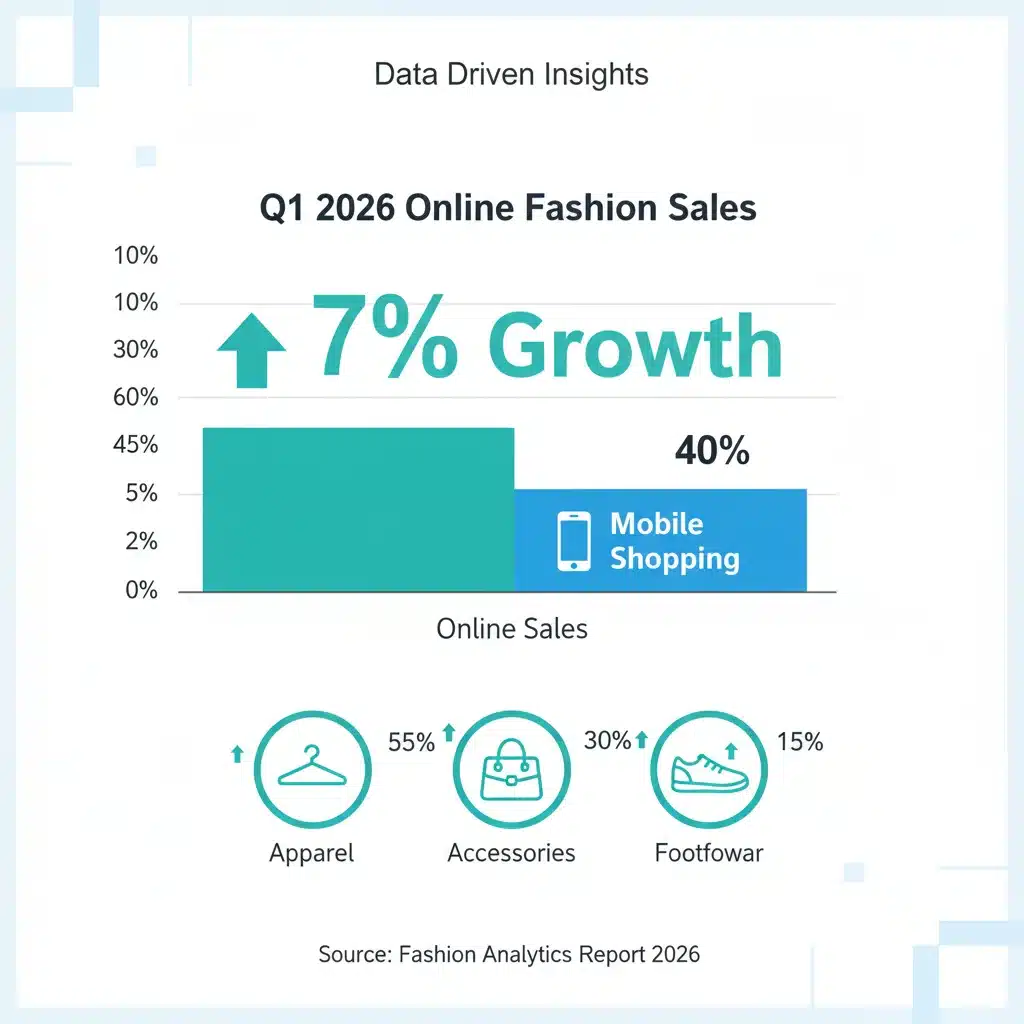
The global e-commerce landscape continues its relentless expansion, and the fashion sector is proving to be a significant driving force. Recent data for the first quarter of 2026 reveals a robust e-commerce fashion growth, with online fashion sales seeing an impressive 7% increase. This surge is largely attributable to the ever-evolving habits of consumers, particularly their increasing reliance on mobile shopping. This comprehensive analysis delves into the nuances of this growth, exploring the underlying factors, the pivotal role of mobile commerce, and the strategic implications for brands operating within this dynamic market. Understanding this trend is not merely about acknowledging numbers; it’s about deciphering consumer behavior, technological advancements, and the competitive strategies that define success in the modern digital retail arena. The 7% growth isn’t just a statistic; it’s a clear indicator of a maturing yet still rapidly expanding market, ripe with opportunities for agile and forward-thinking businesses. The focus on mobile shopping highlights a fundamental shift in how consumers interact with brands and make purchasing decisions, demanding a mobile-first approach from retailers.
Understanding the Phenomenon of E-commerce Fashion Growth
The 7% increase in online fashion sales during Q1 2026 is a testament to the enduring appeal and convenience of digital retail. This growth isn’t uniform across all segments; rather, it is influenced by a confluence of factors including technological advancements, changing consumer demographics, and sophisticated marketing strategies. The accessibility offered by online platforms has democratized fashion, allowing consumers from diverse geographical locations to access a wider array of styles and brands than ever before. This expansion of choice, coupled with competitive pricing and efficient logistics, has fueled the continuous upward trajectory of e-commerce fashion growth. Furthermore, the pandemic-driven acceleration of digital adoption has cemented online shopping as a primary channel for many, a habit that has firmly stuck even as physical retail reopens. Brands that invested heavily in their digital infrastructure and customer experience during those challenging times are now reaping the benefits of that foresight.
Key Drivers Behind the Q1 2026 Surge
- Increased Mobile Penetration and Usage: The proliferation of smartphones and improved mobile internet speeds have made shopping on the go seamless and convenient.
- Enhanced User Experience (UX): E-commerce platforms are continually optimizing their mobile interfaces, offering intuitive navigation, personalized recommendations, and streamlined checkout processes.
- Social Commerce Integration: The integration of shopping features directly within social media platforms has transformed browsing into buying, especially for younger demographics.
- Personalization at Scale: AI-driven algorithms are enabling brands to offer highly personalized product suggestions, enhancing customer engagement and conversion rates.
- Improved Logistics and Returns: Faster shipping options and hassle-free return policies have significantly reduced perceived risks associated with online fashion purchases.
- Sustainability and Ethical Sourcing: A growing consumer demand for sustainable and ethically produced fashion items is being met by online brands that can transparently communicate their values.
- Influencer Marketing Effectiveness: Fashion influencers on platforms like Instagram and TikTok continue to drive significant traffic and sales to online retailers.
- Data-Driven Inventory Management: Retailers are leveraging data analytics to optimize inventory, reducing stockouts and improving product availability, thus enhancing the overall shopping experience and contributing to sustained e-commerce fashion growth.
The Undeniable Impact of Mobile Shopping on Fashion Sales
While the overall e-commerce fashion growth is impressive, the standout narrative of Q1 2026 is the overwhelming contribution of mobile shopping. Smartphones are no longer just communication devices; they are personal shopping assistants, fashion catalogs, and virtual fitting rooms. The convenience of browsing and purchasing fashion items anytime, anywhere has resonated deeply with modern consumers. This shift necessitates a mobile-first strategy for any brand aspiring to thrive in the online fashion space. Optimizing websites for mobile responsiveness, developing user-friendly apps, and integrating mobile payment solutions are no longer optional but essential. The data clearly indicates that consumers are not just browsing on mobile; they are completing purchases at an unprecedented rate, making mobile optimization a critical component of any strategy aiming for significant e-commerce fashion growth.
Optimizing for the Mobile-First Consumer
To fully capitalize on the mobile shopping boom, fashion retailers must prioritize several key areas:
- Responsive Web Design: Ensuring that websites adapt flawlessly to all screen sizes is fundamental. A clunky mobile experience can lead to immediate abandonment.
- Dedicated Mobile Apps: For brands with significant repeat customers, a dedicated mobile app can offer a superior, more personalized, and faster shopping experience, often leading to higher conversion rates and customer loyalty.
- Accelerated Mobile Pages (AMP): Implementing AMP can significantly reduce page load times, which is crucial for retaining mobile users who expect instant access to content.
- Streamlined Checkout Process: Minimizing the number of steps and form fields in the checkout process, integrating digital wallets (e.g., Apple Pay, Google Pay), and offering guest checkout options are vital for reducing cart abandonment on mobile.
- High-Quality Mobile Imagery and Video: Fashion is highly visual. High-resolution images, 360-degree product views, and short product videos optimized for mobile screens can significantly enhance the shopping experience and product understanding.
- Push Notifications and In-App Messaging: Leveraging these tools for promotions, new arrivals, and abandoned cart reminders can drive engagement and conversions, provided they are used judiciously to avoid overwhelming the user.
- Voice Search Optimization: As voice assistants become more prevalent, optimizing product descriptions and site search for natural language queries can open new avenues for discovery and sales.

Emerging Trends Fueling Future E-commerce Fashion Growth
Beyond the immediate impact of mobile shopping, several emerging trends are poised to further shape and accelerate e-commerce fashion growth in the coming years. These trends represent both challenges and immense opportunities for brands willing to innovate and adapt. Staying ahead of the curve means not just observing these shifts but actively integrating them into business models and customer engagement strategies. The competitive landscape demands continuous evolution, and understanding these trends will be critical for maintaining relevance and capturing market share in a rapidly changing environment.
Personalization and AI: The New Frontier
Artificial intelligence (AI) and machine learning (ML) are revolutionizing personalization in online fashion. From AI-powered stylists that suggest outfits based on user preferences and body types to predictive analytics that anticipate future fashion trends and demand, these technologies are enhancing the customer journey and driving sales. Personalized product recommendations, dynamic pricing, and tailored marketing messages are becoming standard expectations. This level of personalization not only improves the shopping experience but also significantly boosts conversion rates and customer loyalty, contributing substantially to e-commerce fashion growth.
Augmented Reality (AR) and Virtual Try-On
One of the biggest hurdles in online fashion has always been the inability to physically try on clothes. Augmented Reality (AR) is rapidly bridging this gap. Virtual try-on features, where customers can see how clothes look on them using their smartphone cameras, are gaining traction. This technology reduces return rates, increases customer confidence, and provides a novel, engaging shopping experience. As AR technology becomes more sophisticated and accessible, its impact on e-commerce fashion growth will only intensify, transforming the way consumers interact with apparel virtually.
Sustainability and Ethical Consumerism
A significant portion of modern consumers, particularly younger generations, are increasingly conscious of the environmental and social impact of their purchases. Fashion brands that prioritize sustainability, ethical sourcing, and transparent supply chains are gaining a competitive edge. E-commerce platforms are uniquely positioned to communicate these values effectively through detailed product descriptions, certifications, and storytelling. Brands embracing circular fashion models, offering resale options, or utilizing eco-friendly materials are tapping into a growing market segment, further contributing to a more responsible and robust e-commerce fashion growth.
The Rise of Live Shopping and Video Commerce
Inspired by trends in Asian markets, live shopping events and video commerce are becoming powerful tools for online fashion retailers. These interactive sessions, often hosted by influencers or brand representatives, allow customers to view products in real-time, ask questions, and make purchases directly within the live stream. This blend of entertainment and commerce creates a dynamic and engaging shopping experience that can drive impulse buys and build strong community loyalty, thereby accelerating e-commerce fashion growth.
Strategies for Sustaining E-commerce Fashion Growth
To not only achieve but also sustain the kind of e-commerce fashion growth seen in Q1 2026, brands must adopt multifaceted strategies that address both current trends and future possibilities. A holistic approach that integrates technology, customer experience, and ethical considerations will be crucial for long-term success in the highly competitive online fashion market.
Investing in Data Analytics and AI
Data is the new currency in e-commerce. Brands must invest in robust data analytics platforms to understand customer behavior, predict trends, and optimize their operations. AI can be leveraged for everything from inventory management and supply chain optimization to personalized marketing campaigns and customer service chatbots. The insights derived from data will enable more informed decision-making, leading to more efficient operations and enhanced profitability, directly fueling e-commerce fashion growth.
Enhancing the Omnichannel Experience
While mobile shopping dominates, a truly successful fashion retailer offers a seamless omnichannel experience. This means integrating online and offline touchpoints, allowing customers to browse online and pick up in-store, or try items in-store and purchase online. The goal is to provide a consistent brand experience across all channels, catering to diverse customer preferences and enhancing overall satisfaction. This integration is vital for maximizing customer lifetime value and fostering sustainable e-commerce fashion growth.
Building Strong Brand Communities
In an increasingly digital world, community and connection are more important than ever. Fashion brands can foster strong communities through social media engagement, exclusive online forums, and user-generated content campaigns. Encouraging customers to share their styles and experiences with the brand not only builds loyalty but also generates authentic marketing content that resonates with potential buyers. A strong brand community can act as a powerful engine for organic e-commerce fashion growth.
Focusing on Customer Retention and Loyalty
Acquiring new customers can be expensive. Therefore, a key strategy for sustained e-commerce fashion growth is to prioritize customer retention and loyalty. This involves implementing effective loyalty programs, offering exceptional post-purchase support, and continuously engaging with existing customers through personalized communications. Satisfied, loyal customers are more likely to make repeat purchases and become brand advocates, driving word-of-mouth marketing that is invaluable in the competitive fashion landscape.
The Competitive Landscape and Future Outlook
The 7% e-commerce fashion growth in Q1 2026 underscores a vibrant and competitive market. While established players continue to innovate, direct-to-consumer (DTC) brands and niche retailers are also finding success by leveraging digital channels and cultivating strong brand identities. The future of online fashion will likely see continued consolidation, but also the emergence of new, agile players who can quickly adapt to technological shifts and evolving consumer demands. The emphasis will remain on delivering exceptional customer experiences, leveraging data for personalization, and embracing sustainable practices.
Challenges and Opportunities
Despite the positive growth, challenges remain. These include managing complex global supply chains, navigating increasing competition from fast-fashion giants and luxury brands alike, and staying abreast of rapidly changing technology. However, these challenges also present opportunities for innovation. Brands that can master logistics, create truly unique digital experiences, and build authentic connections with their audience will be well-positioned to capture a larger share of the expanding online fashion market. The drive for continuous innovation will be the bedrock of future e-commerce fashion growth.
Conclusion: A Bright Future for Online Fashion
The 7% surge in online fashion sales during Q1 2026, largely propelled by the dominance of mobile shopping, paints a clear picture of a thriving sector. This robust e-commerce fashion growth is not a fleeting trend but a reflection of deep-seated shifts in consumer behavior and technological capabilities. For fashion brands, the message is clear: embrace mobile-first strategies, invest in AI and AR for personalization, champion sustainability, and cultivate strong customer communities. By doing so, they can not only participate in this growth but actively shape the future of online fashion. The journey ahead promises continued innovation, competition, and immense opportunities for those prepared to lead the charge in digital retail.