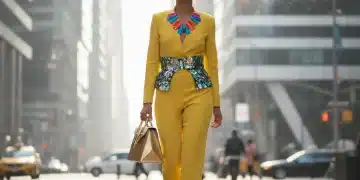
Master the Art of Accessorizing: Elevate Your Style with Confidence
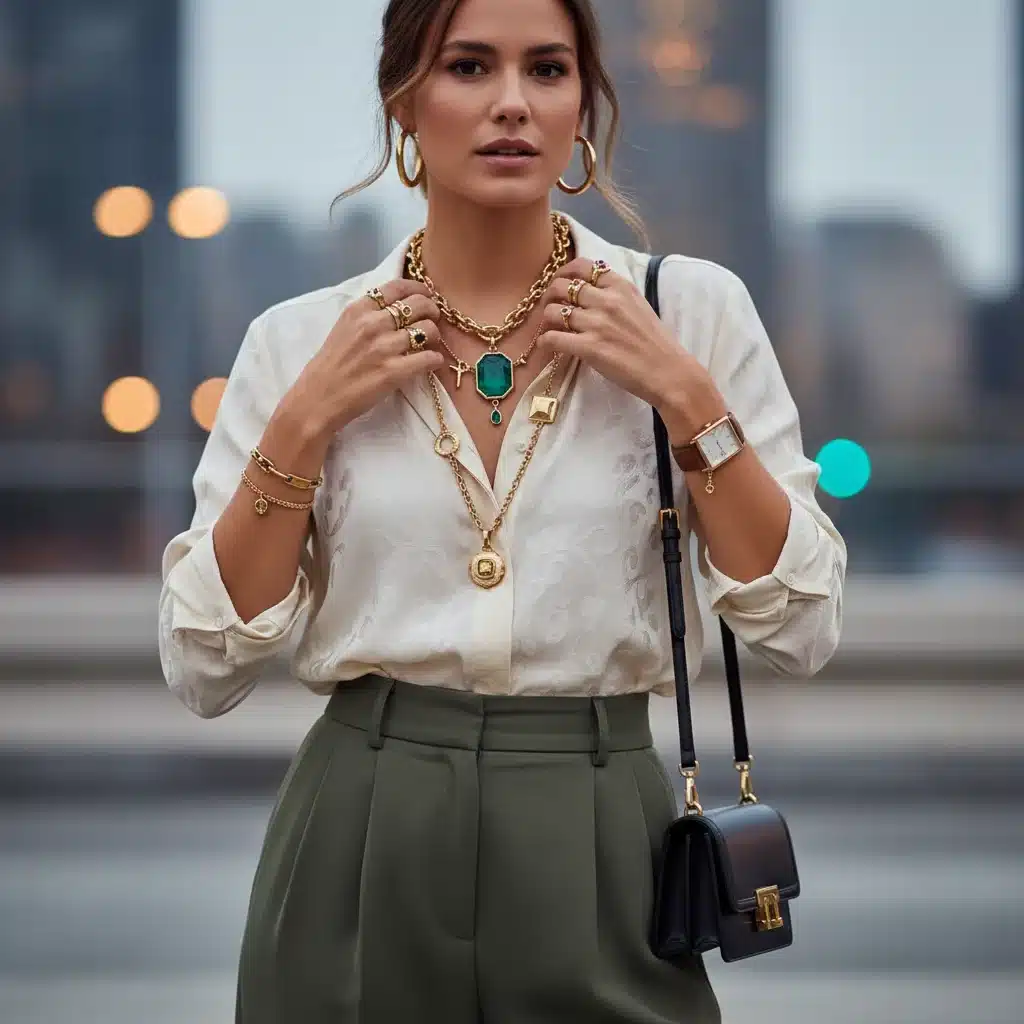
Master the Art of Accessorizing: Elevate Your Style with Confidence
In the vast landscape of personal style, there’s a secret weapon that often goes underestimated but holds immense power: accessories. They are the unsung heroes of your wardrobe, capable of transforming a simple outfit into a statement, reflecting your personality, and keeping you effortlessly on trend. Learning to properly elevate outfit accessories isn’t just about adding more; it’s about adding strategically, thoughtfully, and with a keen eye for detail. This comprehensive guide will walk you through the art of accessorizing, offering four simple yet profound steps to help you master this essential skill and truly make your outfits shine.
Think of your clothing as the canvas, and your accessories as the brushstrokes that bring the masterpiece to life. A plain white tee and jeans can go from casual to chic with the right necklace and a structured bag. A classic little black dress can be reinvented for countless occasions by simply swapping out your earrings and shoes. The beauty of accessories lies in their versatility and their ability to inject new life into existing pieces, making your wardrobe feel fresh and exciting without a complete overhaul. So, if you’re ready to unlock the full potential of your closet and express your unique style with confidence, let’s dive into the world of accessorizing to truly elevate outfit accessories.
Understanding the Power of Accessories
Before we delve into the ‘how-to,’ it’s crucial to grasp the ‘why.’ Why are accessories so important? They are more than just decorative additions; they are powerful tools for self-expression, mood enhancement, and style amplification. Accessories can:
- Define Your Style: Whether you’re bohemian, minimalist, edgy, or classic, your choice of accessories speaks volumes about your personal aesthetic.
- Add Personality: They allow you to infuse your unique character into any outfit, making it distinctly ‘you.’
- Transform an Outfit: As mentioned, accessories can dramatically alter the perception of an ensemble, taking it from day to night, casual to formal, or simple to sophisticated.
- Highlight Features: The right necklace can draw attention to your décolletage, while earrings can frame your face beautifully.
- Stay Current: Accessories are often the easiest and most affordable way to incorporate current trends without committing to an entirely new wardrobe.
Mastering the art of how to elevate outfit accessories means understanding these fundamental roles and leveraging them to your advantage. It’s about making deliberate choices that enhance your overall look and communicate your intended message.
Advertisements
Now, let’s explore the four essential steps to help you expertly elevate outfit accessories and transform your style.
Step 1: Assess Your Outfit and Occasion
The first and most critical step in accessorizing is to understand the foundation you’re working with: your outfit and the occasion. This initial assessment will guide all subsequent accessory choices, ensuring harmony and appropriateness.
Consider the Outfit’s Vibe and Formality
Is your outfit casual, business casual, semi-formal, or formal? The level of formality dictates the type of accessories that will complement it best. For a casual daytime look, think relaxed and comfortable: delicate layered necklaces, a practical cross-body bag, and simple stud earrings. For a formal evening event, you’ll want to opt for more sophisticated pieces: statement jewelry, an elegant clutch, and perhaps some sparkling hair accessories.
Beyond formality, consider the ‘vibe’ of your outfit. Is it bohemian, preppy, edgy, minimalist, or romantic? Your accessories should echo and enhance this underlying aesthetic. For example, a flowy floral dress might call for natural materials like wood or rattan and delicate gold jewelry, while a sleek, tailored suit could benefit from geometric designs and polished silver.
Analyze Color, Pattern, and Texture
Before you even think about grabbing a piece of jewelry, take a moment to look at your outfit’s color palette, patterns, and textures. This is crucial for seamless integration of your accessories.
- Color: Are you working with neutrals, bold colors, or a mix? Accessories can introduce a pop of contrasting color, or they can blend in harmoniously. If your outfit is monochromatic, a vibrant scarf or handbag can provide a much-needed focal point. If your outfit is already colorful, opt for neutral accessories to balance the look.
- Pattern: If your clothing features a prominent pattern, be cautious with patterned accessories. Often, solid-colored accessories work best to avoid a cluttered or overwhelming appearance. If you do choose a patterned accessory, ensure its pattern is subtle or complements the main pattern of your outfit.
- Texture: Pay attention to the textures present in your clothing. A chunky knit sweater pairs well with more substantial accessories, while a silky blouse might call for delicate, refined pieces. Mixing textures can add depth and interest, but ensure there’s a cohesive element that ties everything together.
Factor in the Occasion and Environment
Where are you going, and what will you be doing? This practical consideration is often overlooked but is paramount for comfortable and appropriate accessorizing. A large, dangling earring might be stunning for a dinner party but impractical for a day at the office where you’ll be on the phone. Similarly, a delicate chain could get snagged easily during an active outdoor event.
Think about the overall environment. Will you be indoors or outdoors? What’s the weather like? A stylish hat can be both a fashion statement and sun protection. Gloves can add a touch of elegance in cooler weather. Always prioritize comfort and practicality alongside style to truly elevate outfit accessories for any situation.
Step 2: Choose Your Focal Point (The 1-2 Rule)
One of the biggest mistakes people make when accessorizing is trying to make everything a statement. This often leads to a cluttered, overwhelming look. The key to elegant accessorizing is to choose a focal point – one or two key pieces that draw the eye – and let other accessories play a supporting role. This is often referred to as the ‘1-2 Rule’ or the ‘Less is More’ principle.
Identify Your ‘Hero’ Piece
Decide what accessory you want to be the star of your outfit. This could be a bold statement necklace, an intricate pair of earrings, a vibrant handbag, or a unique belt. Once you’ve chosen your ‘hero’ piece, all other accessories should be more subdued and designed to complement it, rather than compete with it.
- Statement Necklace: If you’re wearing a chunky, eye-catching necklace, opt for simple stud earrings or no earrings at all. Your wrists can handle a delicate bracelet or a classic watch.
- Bold Earrings: If your earrings are the main event, a simple pendant necklace or no necklace at all will keep the focus on your face. A minimalist bracelet or ring can complete the look.
- Eye-catching Bag: If your handbag is a bright color or has a unique design, keep your jewelry relatively understated to let the bag shine.
- Unique Belt: A statement belt can cinch your waist and add definition. Pair it with simpler jewelry that doesn’t distract from the belt’s impact.
The goal is to create visual interest without overwhelming the senses. By selecting one or two strong focal points, you create a sophisticated and intentional look, allowing your chosen pieces to truly elevate outfit accessories.
Balance and Harmony
Even with a focal point, balance is essential. Consider the overall silhouette and proportions of your outfit. If your clothing is voluminous, delicate accessories can provide a nice contrast. If your outfit is sleek and fitted, a chunkier accessory can add an interesting dimension.
Think about the ‘weight’ of your accessories. Don’t pair heavy, chunky pieces with very fine, delicate ones unless you’re intentionally creating a deliberate contrast. Strive for a sense of harmony where each piece feels like it belongs and contributes to the overall aesthetic without fighting for attention.
Step 3: Mix Metals, Textures, and Styles (Wisely)
Gone are the days when you had to stick to one metal color. Modern accessorizing embraces the thoughtful mixing of metals, textures, and even styles to create a richer, more dynamic look. However, ‘wisely’ is the operative word here – there’s an art to making it look intentional and chic, not chaotic.
Embrace Mixed Metals
Mixing gold, silver, rose gold, and even bronze can add depth and modernity to your look. The trick is to ensure there’s a unifying element or to distribute the metals thoughtfully. For example:
- Layered Necklaces: Combine delicate chains of different metal types.
- Stacked Rings: Wear rings of varying metals on different fingers or even on the same finger if they complement each other.
- Hardware Harmony: If your handbag has gold hardware, you can still wear silver jewelry, but perhaps incorporate a piece that has both gold and silver elements to tie it all together.
The key is to make it look deliberate. If you’re new to mixing metals, start small with one piece that already combines two metals, then gradually add more. This technique can truly elevate outfit accessories by adding sophistication.
Play with Textures
Introducing different textures through your accessories can add immense visual interest. Consider:
- Leather: A classic leather bag or belt adds a touch of sophistication.
- Silk: A silk scarf provides softness and elegance.
- Beads and Stones: These can introduce organic or earthy textures.
- Metals: Polished, matte, hammered – different finishes create different textures.
- Fabrics: Think about velvet, tweed, or even faux fur in scarves or small bags.
Combining a smooth, polished metal with a rougher, natural stone, or a sleek leather bag with a delicate silk scarf, creates a tactile and visually engaging ensemble. This thoughtful layering of textures is a hallmark of truly elevated style.
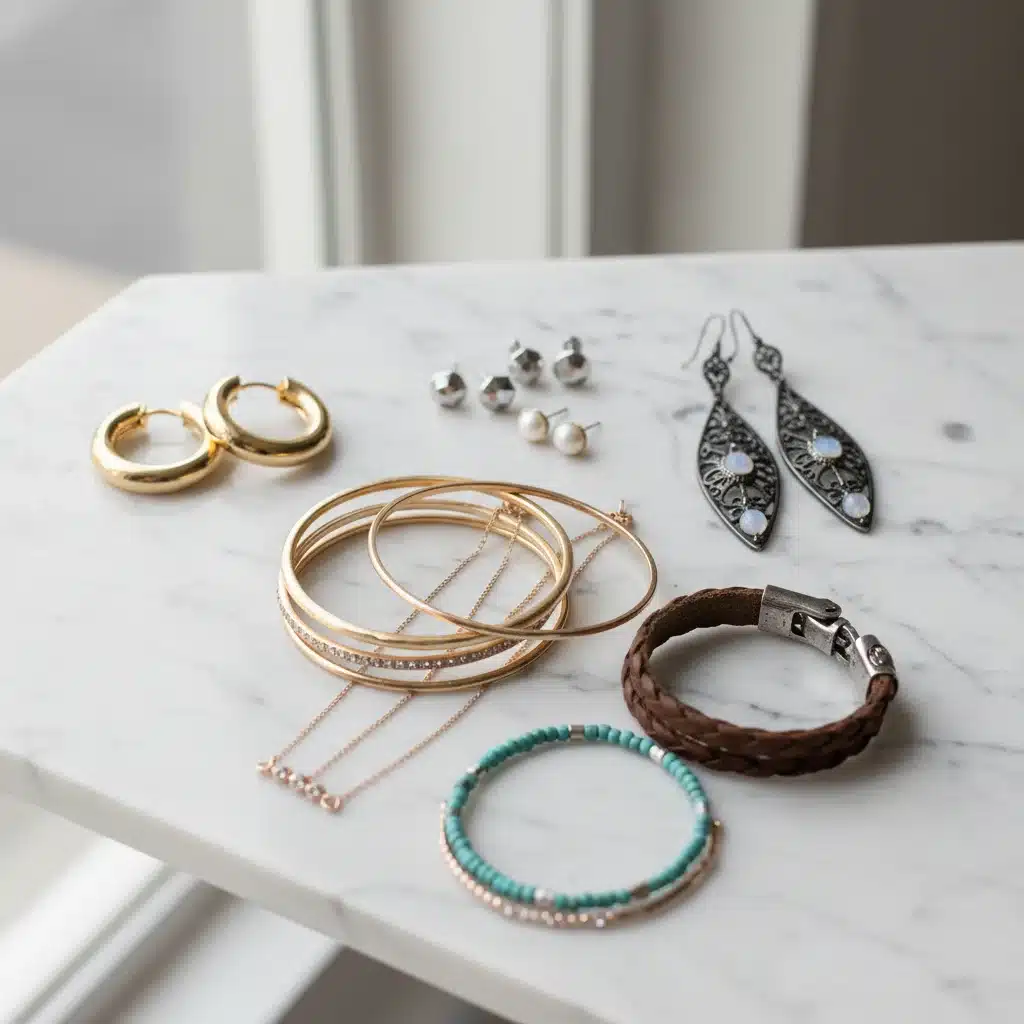
When mixing textures, ensure there’s still a sense of cohesion. For instance, if you’re going for an earthy, bohemian vibe, stick to natural textures. If your look is more glamorous, opt for luxurious textures like silk, velvet, and polished metals. This nuanced approach helps to elevate outfit accessories beyond the ordinary.
Combine Different Styles (Thoughtfully)
While often advised to stick to one style, a skilled accessorizer knows how to blend different styles for a unique and personal touch. This is where your individual personality truly shines.
- Classic with a Twist: Pair a classic trench coat with an edgy studded handbag.
- Boho Chic: Combine a flowing maxi dress with sleek, minimalist earrings.
- Modern Glam: Accessorize a simple, modern jumpsuit with vintage-inspired jewelry.
The secret here is to ensure that one style is dominant, and the other is introduced as a subtle accent. Too many conflicting styles can lead to a disjointed look. When done correctly, mixing styles can make your outfit feel less ‘off-the-rack’ and more curated, helping you to elevate outfit accessories in a distinctive way.
Step 4: Consider Proportions and Body Shape
Accessories, much like clothing, can significantly impact the perception of your body shape and overall proportions. Understanding how to use them to your advantage is a crucial aspect of sophisticated accessorizing.
Necklaces and Necklines
The length and style of your necklace should complement your neckline and draw attention to your best features.
- V-Neck/Plunging Neckline: A long pendant necklace or a Y-necklace works beautifully, mirroring the shape of the neckline and elongating the torso.
- Crew Neck/High Neckline: A statement necklace that sits above or just below the collarbone can add visual interest. Alternatively, a very long chain can create a vertical line.
- Strapless/Off-the-Shoulder: Chokers or shorter, bolder necklaces can highlight your shoulders and collarbones.
- Boat Neck: Long, delicate necklaces that fall below the neckline can create a pleasing vertical line.
The right necklace can balance your upper body, making your neck appear longer or drawing the eye to your décolletage. This strategic choice is vital to truly elevate outfit accessories.
Earrings and Face Shape
Your choice of earrings can flatter your face shape and highlight your features.
- Round Face: Long, dangling earrings or angular designs can help elongate the face. Avoid large hoops or round studs.
- Oval Face: Most earring styles work well. Experiment with hoops, studs, and drops.
- Square Face: Round or oval-shaped earrings, like hoops or teardrops, can soften angular features.
- Heart-Shaped Face: Teardrop or chandelier earrings that are wider at the bottom can balance a wider forehead and narrower chin.
Choosing earrings that complement your face shape ensures that your accessories enhance your natural beauty rather than detract from it.
Belts and Waistline
Belts are incredibly powerful tools for defining your waist and altering your silhouette.
- Cinching the Waist: A belt worn at your natural waist can create an hourglass shape, even with a looser-fitting garment.
- High-Waisted: Belts worn higher up can make your legs appear longer.
- Low-Slung: Belts worn on the hips can add a casual, bohemian vibe.
Consider the width of the belt in relation to your torso length and body type. A wide belt can overwhelm a petite frame, while a thin belt might get lost on a curvier figure. Using belts effectively is a sophisticated way to elevate outfit accessories and flatter your figure.
Bags and Body Proportions
The size and placement of your handbag can also influence your perceived proportions.
- Petite Frames: Opt for smaller to medium-sized bags that don’t overwhelm your frame. Cross-body bags can be a good choice, but ensure the strap length doesn’t make the bag sit too low.
- Taller Frames: You can comfortably carry larger bags, totes, and longer shoulder straps.
- Curvy Figures: A structured bag can add balance. If carrying a shoulder bag, ensure it doesn’t rest at the widest part of your hips.
By consciously selecting bags that complement your body shape, you ensure that your accessories work with, not against, your natural proportions, helping to elevate outfit accessories in a harmonious way.
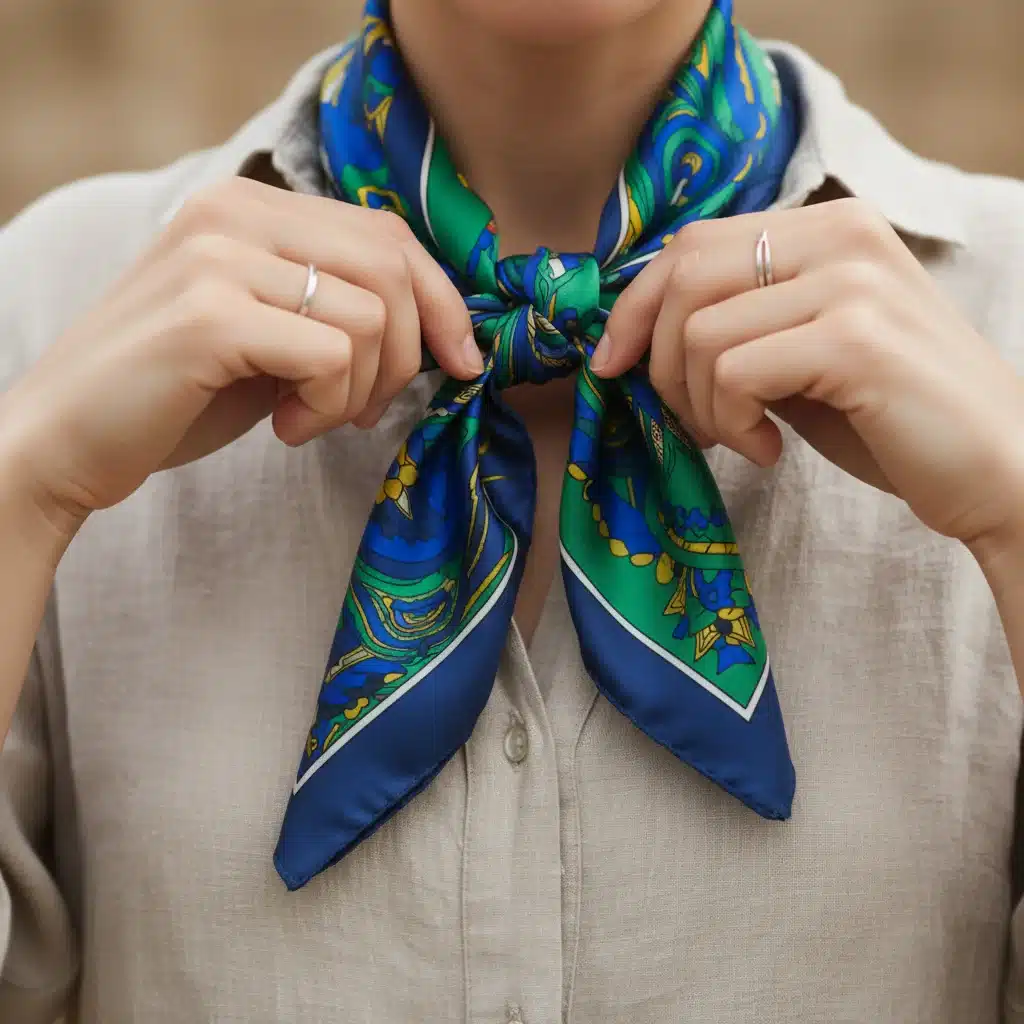
Beyond the Four Steps: Additional Tips for Elevating Your Style
While the four steps provide a solid framework, here are some extra tips to further refine your accessorizing prowess:
Invest in Quality Over Quantity
It’s better to have a few high-quality, versatile accessories than a drawer full of cheap, flimsy items. Well-made pieces not only last longer but also look more polished and expensive, instantly elevating any outfit. Consider timeless pieces that you can wear for years, and then sprinkle in a few trendy, more affordable items.
Don’t Forget the Details: Hair Accessories and Eyewear
Accessories aren’t just about jewelry and bags. Hair accessories like headbands, scarves, clips, and barrettes can add a touch of whimsy or sophistication. Eyewear – both prescription glasses and sunglasses – can be a significant style statement. Choose frames that flatter your face shape and reflect your personal aesthetic.
Consider Your Lifestyle
Your accessories should fit your lifestyle. If you’re always on the go, practical yet stylish pieces are key. If you work in a corporate environment, professional and understated accessories might be more appropriate. Always ensure your accessories are functional for your daily activities.
Comfort is Key
No matter how beautiful an accessory is, if it’s uncomfortable, you won’t wear it. Heavy earrings that pull on your lobes, a tight bracelet that restricts movement, or a bag that constantly slips off your shoulder will detract from your overall enjoyment and confidence. Choose pieces that you genuinely love and feel good wearing.
Build a Versatile Collection
Start with foundational pieces that can be mixed and matched with various outfits. This includes classic watches, simple stud earrings, a versatile necklace, a go-to belt, and a neutral-colored everyday bag. Once you have these staples, you can gradually add more unique and statement pieces to expand your options and truly elevate outfit accessories.
Stay Inspired, But Stay True to Yourself
Follow fashion blogs, magazines, and social media for inspiration, but always filter trends through your personal style lens. Not every trend will suit you, and that’s perfectly fine. The most stylish individuals are those who understand their own aesthetic and confidently incorporate trends in a way that feels authentic to them. Your accessories are an extension of who you are, so let them tell your story.
Practice Makes Perfect
Accessorizing is a skill that improves with practice. Experiment with different combinations in front of your mirror. Take photos of outfits you love and analyze what works. The more you experiment, the more confident you’ll become in your ability to choose the perfect pieces to elevate outfit accessories for any occasion.
Conclusion: Your Journey to Elevated Style
The art of accessorizing is a journey of discovery, self-expression, and refinement. By following these four simple yet powerful steps – assessing your outfit and occasion, choosing a focal point, wisely mixing elements, and considering proportions – you’ll unlock the transformative potential of your accessories. Remember, it’s not about accumulating more items, but about making deliberate, thoughtful choices that enhance your overall look and reflect your unique personality.
So, go forth and experiment! Play with colors, textures, and styles. Let your accessories be the exclamation mark on your personal style statement. With a little practice and an understanding of these fundamental principles, you’ll effortlessly elevate outfit accessories, turning everyday ensembles into extraordinary expressions of who you are. Embrace the power of the small details, and watch your style confidence soar.
Start today by looking at your wardrobe with fresh eyes and considering how just one or two well-chosen accessories can completely change the game. The power to transform your style is literally at your fingertips.