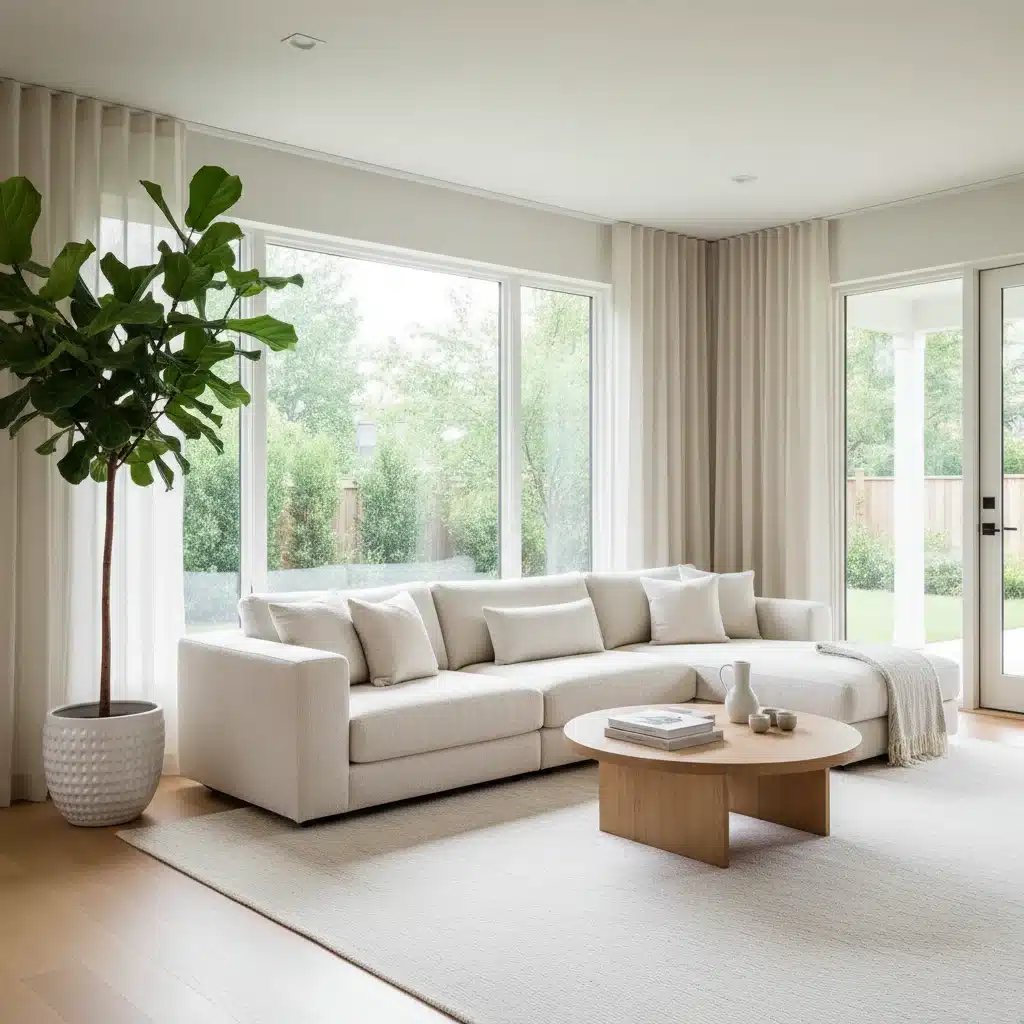
Minimalist Living 2026: 4 Practical Steps for Decluttering Your US Home
As we step into 2026, the allure of minimalist living continues to grow, offering a compelling antidote to the relentless consumerism that often defines modern life. For many in the United States, the idea of simplifying, decluttering, and living with less has evolved from a niche trend into a powerful movement. It’s not just about aesthetics; it’s about reclaiming space, time, and mental clarity. This comprehensive guide will walk you through four practical, actionable steps to embrace minimalist living in 2026, specifically tailored for the US home environment. We’ll explore how to effectively declutter, streamline your possessions, and cultivate a mindset that supports a more intentional and fulfilling life.
The concept of minimalist living 2026 is more than just throwing things away. It’s a philosophy that encourages us to evaluate what truly adds value to our lives and to let go of the rest. In a world increasingly filled with distractions and material possessions, adopting a minimalist approach can lead to significant improvements in well-being, financial stability, and environmental impact. By focusing on these four steps, you’ll be well on your way to transforming your US home into a sanctuary of calm and purpose.
Step 1: The Mindful Inventory – Understanding Your ‘Why’ and ‘What’
Before you even think about discarding items, the first crucial step towards minimalist living 2026 is to undertake a mindful inventory of your current possessions and, more importantly, your motivations. Why do you want to embrace minimalism? Is it to reduce stress, save money, be more environmentally conscious, or simply to create a more functional living space? Understanding your ‘why’ will be your guiding star throughout the decluttering process, especially when decisions become tough.
Advertisements
Assessing Your Current State
Begin by looking at your home with fresh eyes. Walk through each room, not just observing, but truly seeing the accumulation. What items are rarely used? What feels like clutter? What brings you joy, and what simply takes up space? This initial assessment isn’t about immediate action, but about building awareness. Consider taking photos of cluttered areas – sometimes seeing them from a different perspective can be incredibly revealing.
Defining Your Minimalist Vision for 2026
What does minimalist living 2026 look like for you? It’s not a one-size-fits-all concept. For some, it might mean living out of a single suitcase; for others, it’s simply having enough space to breathe and enjoy their favorite hobbies without being overwhelmed by possessions. Create a vision board, write down your goals, or even sketch out what your ideal minimalist home would feel like. This vision will serve as a powerful motivator and a benchmark for your progress.
The ‘KonMari’ Approach and Beyond
Many decluttering methodologies can help with this initial inventory. Marie Kondo’s ‘KonMari’ method, for instance, encourages you to hold each item and ask, ‘Does this spark joy?’ While highly effective, you might also consider other frameworks: the ‘one-in, one-out’ rule, the ’30-day minimalism game,’ or even simply categorizing items by function. The key is to find an approach that resonates with you and helps you evaluate your possessions critically and mindfully. This foundational step is paramount for sustainable minimalist living 2026.
Step 2: Strategic Decluttering – Room by Room, Category by Category
Once you have a clear vision and understanding of your motivations, it’s time to dive into strategic decluttering. This step is where the physical transformation of your US home begins. Instead of attempting to tackle everything at once, which can be overwhelming, break down the task into manageable segments. This systematic approach is vital for successful minimalist living 2026.
Starting Small: The ‘Easy Wins’
Don’t begin with the most emotionally charged or cluttered areas. Start with ‘easy wins’ – places like your junk drawer, expired pantry items, or old magazines. These small victories build momentum and confidence, making it easier to tackle larger, more challenging areas later on. This gradual approach is less daunting and more sustainable for achieving your minimalist living 2026 goals.
Category-Based Decluttering
Rather than decluttering room by room, consider decluttering by category. For example, gather all your clothes from every closet and drawer in one place. This allows you to see the true volume of what you own and prevents you from keeping duplicates or similar items simply because they’re in different locations. Apply this to books, kitchenware, toiletries, and sentimental items. When everything from a single category is together, decisions become clearer.
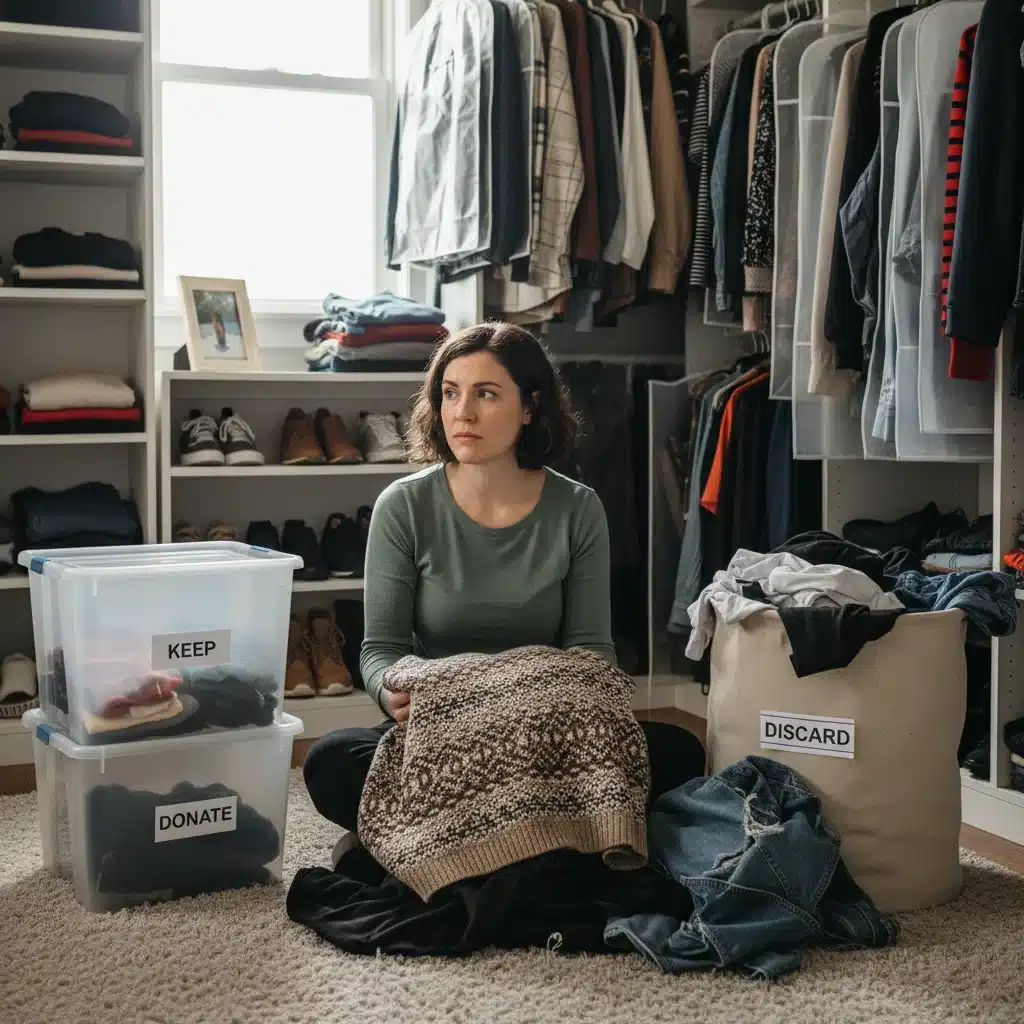
The Decision-Making Process: Keep, Donate, Sell, Recycle, Discard
For each item, you’ll make one of five decisions:
- Keep: Only if it genuinely adds value, sparks joy, or is essential for your daily life. Be honest with yourself.
- Donate: Items in good condition that you no longer need can find a new home. Research local charities, shelters, or non-profits in your US community.
- Sell: For higher-value items, consider selling them online (e.g., eBay, Facebook Marketplace, local consignment shops) to recoup some costs.
- Recycle: For items that can’t be donated or sold, ensure they are disposed of responsibly according to local recycling guidelines.
- Discard: As a last resort, for items that are broken, unusable, or unsanitary.
Having designated bins or boxes for each category will streamline this process. Don’t let items linger in a ‘maybe’ pile; make a decision and move on. This decisive action is a cornerstone of effective minimalist living 2026.
Tackling Sentimental Items
Sentimental items are often the hardest to declutter. Instead of keeping every memento, consider digitizing photos, creating a memory box for a select few cherished items, or finding creative ways to display them that don’t contribute to clutter. The goal isn’t to erase memories, but to honor them without sacrificing your living space. This is a crucial, often emotional, part of embracing minimalist living 2026.
Step 3: Optimizing Your Space – Storage Solutions and Functional Layouts
Decluttering creates space; optimizing it makes that space truly work for your minimalist living 2026 goals. This step focuses on smart storage, functional layouts, and maintaining an organized environment in your US home.
Embrace Vertical Storage
In many US homes, vertical space is underutilized. Shelving units, wall-mounted organizers, and stackable containers can free up valuable floor and counter space. Think about areas like pantry doors, inside cabinet doors, and even under beds. Maximizing vertical storage is a game-changer for smaller homes or apartments aiming for minimalist living 2026.
Multi-Functional Furniture
Invest in furniture that serves multiple purposes. An ottoman with storage, a sofa bed, a dining table that can extend or collapse, or a desk that folds away can significantly enhance the functionality of a minimalist home. This reduces the need for multiple pieces of furniture, aligning perfectly with the principles of minimalist living 2026.
Design for Flow and Simplicity
Once decluttered, arrange your furniture and belongings to promote a sense of openness and ease of movement. Avoid overcrowding rooms. Each item should have a designated ‘home,’ making it easy to put things away and maintain order. A simple, uncluttered aesthetic not only looks good but also contributes to a calmer mental state, which is a key benefit of minimalist living 2026.
The Role of Digital Decluttering
Minimalist living 2026 extends beyond physical items. Our digital lives can be just as cluttered. Take time to organize your digital files, unsubscribe from unnecessary emails, delete old photos and apps, and streamline your online subscriptions. A decluttered digital space can reduce cognitive load and improve productivity, complementing your physical decluttering efforts.
Step 4: Cultivating a Minimalist Mindset – Sustaining Your New Lifestyle
The final, and arguably most important, step in achieving sustainable minimalist living 2026 is cultivating a minimalist mindset. Decluttering is a process, but minimalism is a lifestyle. This involves conscious consumption, mindful habits, and a continuous evaluation of your relationship with possessions.
Conscious Consumption
Before making any new purchase, ask yourself: ‘Do I truly need this? Does it add significant value to my life? Do I already have something similar?’ Shift your focus from acquiring more to investing in quality, durable items that will last. Prioritize experiences over material goods. This conscious approach to buying is fundamental to maintaining minimalist living 2026.

The ‘One-In, One-Out’ Rule
To prevent re-accumulation, adopt the ‘one-in, one-out’ rule. If you buy a new shirt, get rid of an old one. If you bring a new book into your home, donate one you’ve already read. This simple rule helps to maintain the balance you’ve worked hard to achieve and is a practical tool for ongoing minimalist living 2026.
Regular Decluttering Sessions
Minimalism isn’t a one-time event; it’s an ongoing practice. Schedule regular, perhaps quarterly, decluttering sessions. These don’t need to be extensive; even 15-30 minutes focused on a specific drawer or shelf can make a difference. This keeps clutter at bay and reinforces your commitment to minimalist living 2026.
Embracing Imperfection and Flexibility
Don’t strive for an unrealistic ideal of minimalism. Life happens, and sometimes clutter will creep in. The key is to be flexible, forgive yourself, and gently guide your home back to its minimalist state. Minimalism is about progress, not perfection. It’s about finding what works for you and your family in your US home, making it a personalized journey towards minimalist living 2026.
Finding Joy in Less
Ultimately, the goal of minimalist living 2026 is to find more joy, not less. By reducing the physical and mental burden of excessive possessions, you free up energy and resources for what truly matters: relationships, experiences, personal growth, and well-being. Embrace the freedom and clarity that come with a simplified life.
Beyond the Home: Expanding Minimalist Principles in 2026
While our focus has been on decluttering your physical home, the principles of minimalist living 2026 can extend to various other aspects of your life, leading to a holistic sense of well-being. Consider applying these concepts to your schedule, your digital life, and even your relationships.
Minimalist Schedule and Time Management
Just as physical clutter can overwhelm, so can an overbooked schedule. In 2026, evaluate your commitments. Are you saying ‘yes’ to too many things? Prioritize activities that align with your values and bring you genuine satisfaction. Learn to say ‘no’ to engagements that drain your energy or don’t serve your goals. A minimalist schedule means more intentional use of your most precious resource: time.
Digital Minimalism
We touched upon digital decluttering in Step 3, but digital minimalism goes deeper. It involves a conscious effort to reduce screen time, curate your social media feeds to be more positive and informative, and minimize notifications. The constant barrage of digital information can be just as distracting as physical clutter. By practicing digital minimalism, you reclaim focus and reduce digital fatigue, a critical component of minimalist living 2026.
Financial Minimalism
Minimalist living 2026 often goes hand-in-hand with financial freedom. By consuming less, you naturally spend less. This allows you to save more, invest in experiences, or pay down debt. Financial minimalism encourages mindful spending, focusing on needs over wants, and valuing quality over quantity. Review your budget, identify areas of unnecessary expenditure, and align your spending with your minimalist values.
Environmental Impact of Minimalism
An often-overlooked benefit of minimalist living 2026 is its positive environmental impact. By consuming less, donating more, and recycling responsibly, you reduce your carbon footprint and contribute to a more sustainable planet. This aligns with a growing global awareness of environmental responsibility, making minimalism not just a personal choice but a conscious contribution to a healthier world.
Addressing Common Challenges in Your Minimalist Journey
Embarking on minimalist living 2026 in your US home won’t be without its challenges. It’s important to anticipate these and have strategies in place to overcome them.
Resistance from Family Members
If you live with others, they might not share your enthusiasm for minimalism. Start by focusing on your own personal spaces. Lead by example, and let them see the positive changes in your life and home. Open communication, compromise, and involving them in small, easy decluttering tasks can help. Remember, everyone’s journey to minimalist living 2026 is personal.
The ‘What If I Need It Later?’ Dilemma
This common fear can halt decluttering progress. For truly essential but rarely used items (e.g., specific tools, seasonal decor), consider shared resources or renting. For most other items, if you haven’t used it in a year, the chances of needing it are slim. The peace of mind from decluttering often outweighs the rare inconvenience of re-acquiring an item.
Dealing with Gifts and Inherited Items
Sentimental value can be strong with gifts and inherited items. Remember that the love or memory associated with an item isn’t tied to its physical presence. It’s okay to let go of an item while still cherishing the person or memory. Consider taking a photo or integrating a small, meaningful piece into your decor, rather than keeping everything out of obligation. This is a nuanced aspect of minimalist living 2026.
Conclusion: Your Path to a Simplified 2026
Embracing minimalist living 2026 is a transformative journey that can profoundly impact your life in your US home. By following these four practical steps – taking a mindful inventory, strategically decluttering, optimizing your space, and cultivating a minimalist mindset – you can create a home and a life that is more intentional, peaceful, and aligned with your deepest values. Remember, minimalism is not about deprivation; it’s about making space for what truly matters.
Start small, celebrate your progress, and be patient with yourself. The benefits of a decluttered home and a simplified life will extend far beyond physical neatness, bringing clarity, calm, and renewed purpose to your everyday existence. Here’s to a more mindful and minimalist 2026!