Beauty Industry Update: Top 3 Skincare Innovations Expected to Dominate in the Next 6 Months
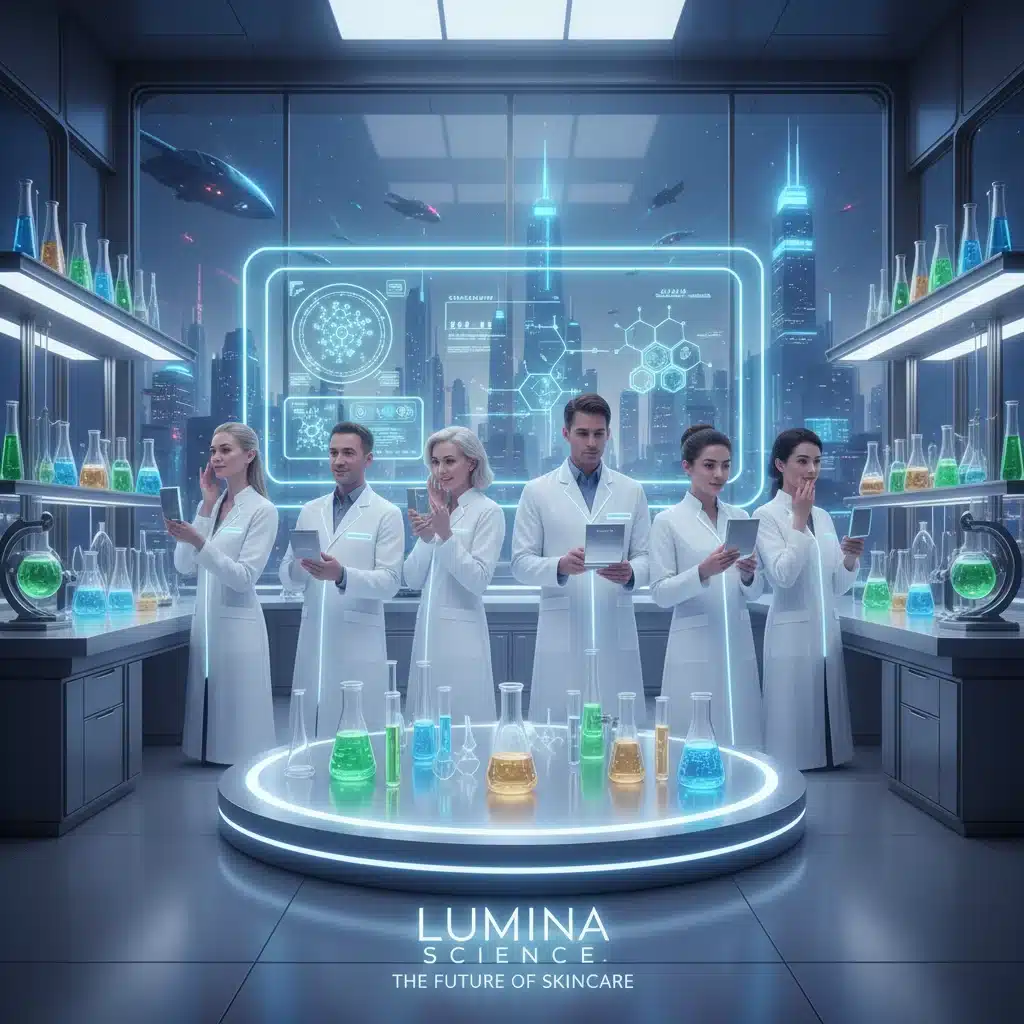
The beauty industry is a dynamic and ever-evolving landscape, constantly pushing the boundaries of science, technology, and consumer expectations. In the realm of skincare, this evolution is particularly rapid, with new ingredients, formulations, and delivery systems emerging at an astonishing pace. Staying abreast of these advancements is not just a matter of curiosity; it’s essential for anyone looking to optimize their skincare routine, for beauty professionals seeking to offer cutting-edge solutions, and for brands aiming to remain competitive. The next six months promise to be exceptionally exciting, with several groundbreaking skincare innovations 2024 poised to redefine how we approach skin health and beauty.
From personalized diagnostics to advanced biotechnological ingredients and sustainable, ethical practices, the future of skincare is here, and it’s more intelligent and responsible than ever before. This article will delve deep into the top three skincare innovations expected to dominate the market in the coming half-year. We’ll explore the science behind them, their potential benefits, and what consumers and industry professionals can anticipate. Prepare to be informed, inspired, and perhaps even transformed by the future of skincare.
The Accelerating Pace of Skincare Innovation
For decades, skincare has been a blend of traditional remedies and incremental scientific progress. However, the last few years have witnessed an exponential acceleration in innovation, driven by several key factors. Firstly, advancements in molecular biology and dermatology have deepened our understanding of skin physiology, aging processes, and various skin conditions. This allows for more targeted and effective interventions. Secondly, the rise of artificial intelligence (AI) and machine learning (ML) has revolutionized data analysis, enabling the development of personalized solutions that were once unimaginable. Thirdly, a growing consumer demand for transparency, efficacy, and sustainability has pushed brands to invest heavily in research and development, fostering a culture of continuous improvement and ethical innovation.
Advertisements
The global skincare market, projected to reach unprecedented valuations, is a testament to this vigorous growth. Brands are no longer just selling products; they are selling solutions, experiences, and a promise of healthier, more resilient skin. This competitive environment fuels the race for the next big breakthrough, ensuring that consumers always have access to the latest and most effective treatments. Understanding these underlying drivers is crucial to appreciating the significance of the skincare innovations 2024 that are about to take center stage.
Key Drivers Shaping the Future of Skincare:
- Scientific Breakthroughs: Deeper understanding of cellular processes, microbiome, and genetic predispositions.
- Technological Integration: AI, IoT, and smart devices enabling personalized diagnostics and treatments.
- Consumer Awareness: Demand for clean, sustainable, and ethically sourced ingredients.
- Personalization Trend: Moving away from one-size-fits-all to highly customized routines.
- Holistic Approach: Recognizing the link between diet, lifestyle, and skin health.
Innovation 1: Hyper-Personalized Skincare Through AI and Diagnostics
The era of generic skincare routines is rapidly drawing to a close. One of the most impactful skincare innovations 2024 is the widespread adoption of hyper-personalized skincare, powered by advanced AI and sophisticated diagnostic tools. Imagine a world where your skincare products are formulated not just for your ‘skin type’ (oily, dry, combination) but for your unique genetic makeup, environmental exposures, lifestyle, and even your current skin microbiome.
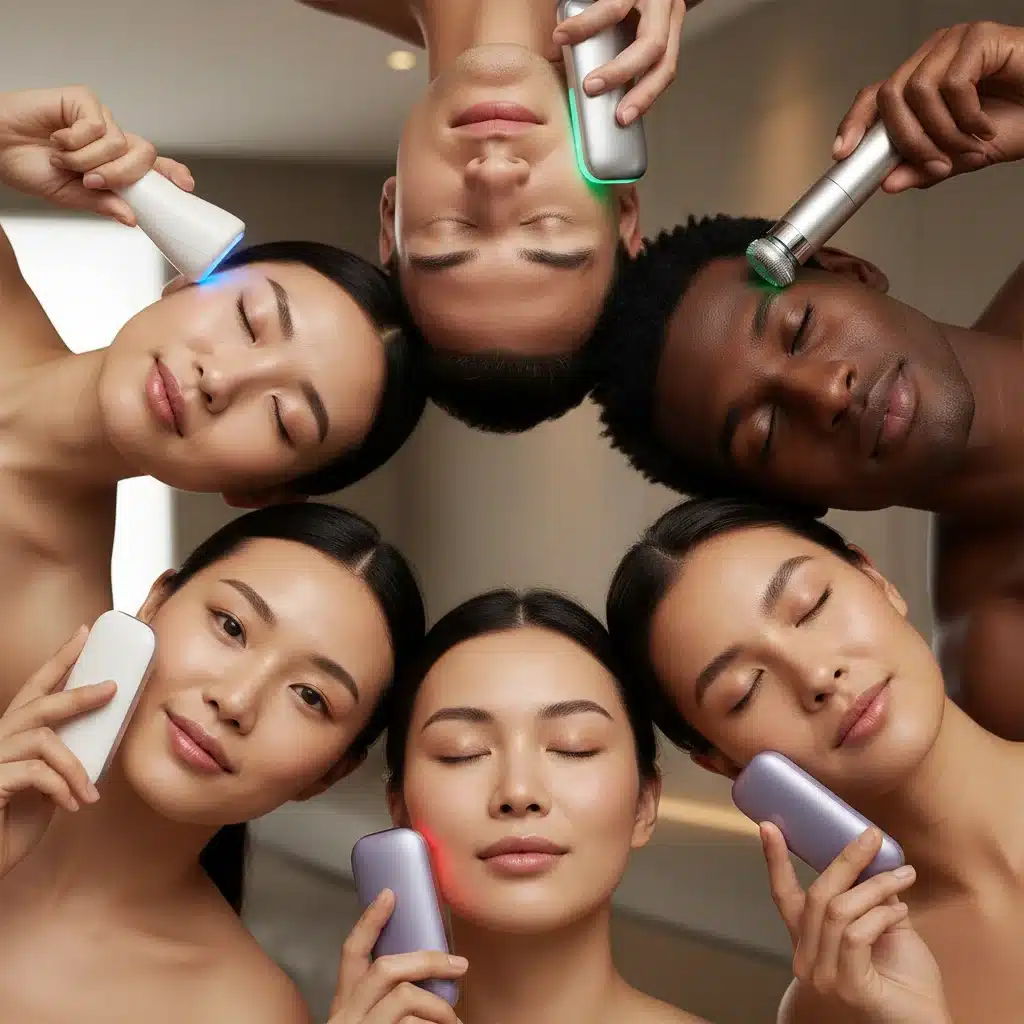
This innovation typically begins with an in-depth skin analysis. This can involve at-home devices that scan your skin for hydration levels, elasticity, pore size, and pigmentation, often utilizing multi-spectral imaging. Some advanced systems even incorporate DNA analysis (via a simple cheek swab) to identify genetic predispositions to certain skin concerns, such as collagen degradation, antioxidant deficiencies, or inflammatory responses. Furthermore, advancements in microbiome mapping allow for an understanding of the delicate balance of microorganisms on your skin’s surface, which plays a crucial role in skin health and barrier function.
The data collected from these diagnostics is then fed into an AI algorithm. This AI analyzes thousands of data points, cross-referencing them with a vast database of active ingredients and their known effects. The result is a bespoke formulation, often compounded on demand, that precisely targets your individual skin needs. This could mean a serum with a specific blend of antioxidants for environmental protection, a moisturizer with tailored humectants and emollients for optimal hydration, or a treatment designed to rebalance your skin’s microbiome.
Brands like Proven Skincare and Atolla have been pioneers in this space, offering customized solutions based on quizzes and user data. However, the next six months will see a significant leap forward, with more sophisticated diagnostic hardware, real-time environmental data integration (e.g., local pollution levels), and dynamic formulations that can adapt to seasonal changes or stress levels. The convenience of subscription-based models, where formulations are adjusted and delivered regularly, will also become more prevalent.
Benefits of Hyper-Personalized Skincare:
- Maximized Efficacy: Ingredients are chosen specifically for your skin’s needs, leading to better results.
- Reduced Waste: No more buying products that don’t work for you.
- Cost-Effectiveness: While initial investment might be higher, long-term savings from effective products can be substantial.
- Proactive Treatment: Addresses potential issues before they become visible.
- Empowerment: Consumers gain a deeper understanding of their own skin.
The implications of this trend are vast. For consumers, it means an end to trial-and-error skincare and the beginning of a truly effective regimen. For brands, it requires a shift from mass production to agile manufacturing and a deeper understanding of individual customer needs. This is more than just a trend; it’s a paradigm shift in how we conceive and consume skincare.
Innovation 2: Advanced Biotechnological & Bio-Engineered Ingredients
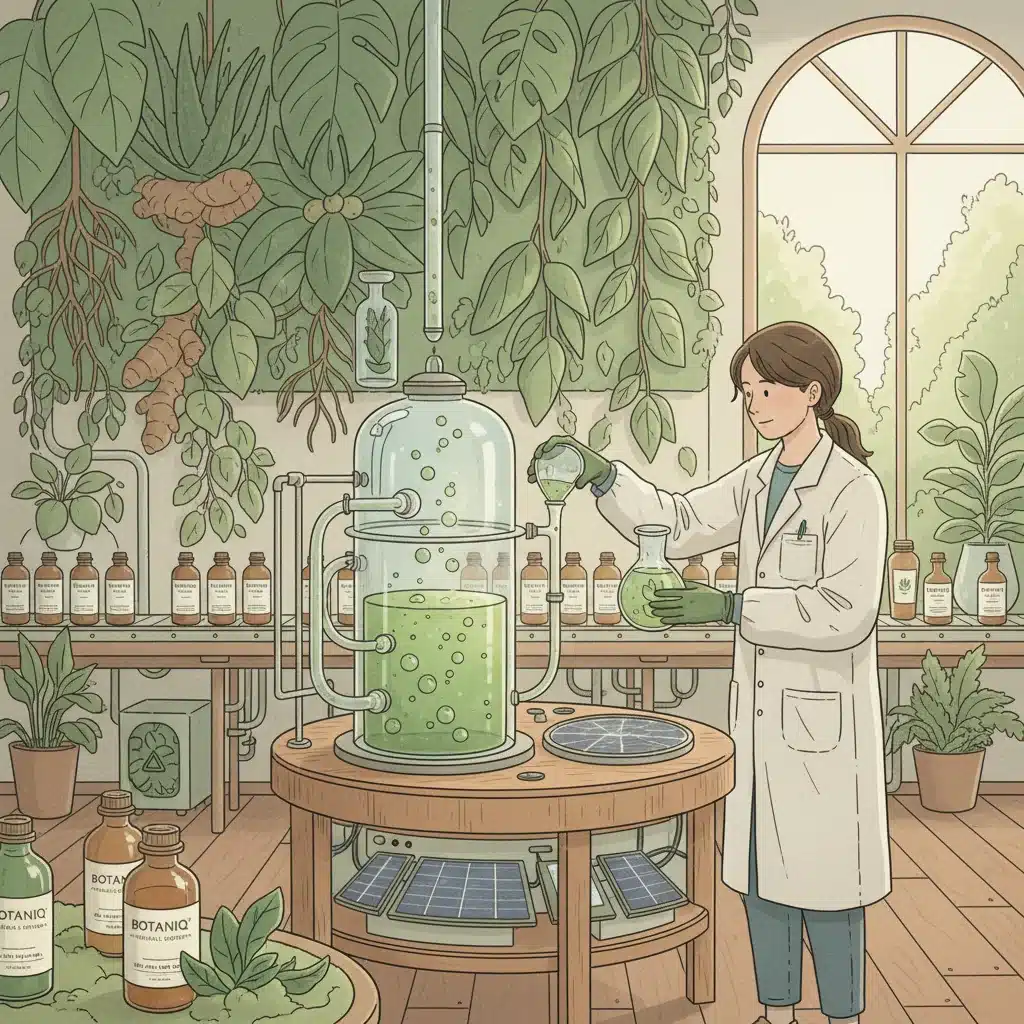
The second major wave of skincare innovations 2024 is centered around advanced biotechnological and bio-engineered ingredients. For a long time, skincare relied heavily on botanical extracts or synthetic compounds derived from traditional chemical processes. While effective, these methods often come with limitations related to sustainability, potency, and ethical sourcing. Biotechnology offers a powerful alternative, allowing scientists to harness the power of microorganisms (like bacteria, yeast, and algae) or plant cells to produce highly pure, potent, and sustainable active ingredients.
One of the most exciting areas is the bio-engineering of peptides and growth factors. These signaling molecules are crucial for various skin functions, including collagen production, wound healing, and cellular regeneration. Traditionally, extracting these from natural sources was complex and expensive. Now, thanks to precision fermentation and recombinant DNA technology, specific peptides and growth factors can be produced in laboratories with high purity and consistency, mimicking their natural counterparts but often with enhanced stability and bioavailability. This means more effective anti-aging treatments, improved skin barrier repair, and accelerated recovery from environmental damage.
Another significant development is the rise of ‘fermented skincare’ beyond the traditional K-beauty trends. This involves using microorganisms to break down and transform raw ingredients into more potent, absorbable forms. Fermentation can increase the concentration of beneficial compounds, create new beneficial molecules, and enhance the bioavailability of existing ones. For example, fermented hyaluronic acid can be more deeply penetrating, and fermented botanical extracts can offer superior antioxidant and anti-inflammatory properties.
Furthermore, the focus on the skin microbiome is leading to the development of ‘postbiotics’ – beneficial compounds produced by probiotics. Unlike live probiotics, postbiotics are stable, have a longer shelf life, and can deliver targeted benefits like strengthening the skin barrier, reducing inflammation, and balancing the skin’s ecosystem without the complexities of live bacterial cultures. Ingredients like fermented lysates, bio-synthesized ceramides, and lab-grown plant stem cells are becoming increasingly sophisticated and widely available.
Examples of Emerging Bio-Engineered Ingredients:
- Bio-Identical Peptides: Engineered to perfectly mimic natural skin peptides for anti-aging and repair.
- Lab-Grown Growth Factors: Sustainable and potent versions for cellular regeneration.
- Fermented Botanicals: Enhanced bioavailability and efficacy of plant extracts.
- Postbiotics & Prebiotics: For microbiome balance and skin barrier health.
- Algae-Derived Actives: Sustainable sources of potent antioxidants and hydrators.
These biotechnological advancements not only offer superior efficacy but also address critical sustainability concerns. By producing ingredients in controlled lab environments, the need for extensive land use, water consumption, and potentially harmful pesticides associated with traditional agriculture is significantly reduced. This aligns perfectly with the growing consumer demand for eco-conscious and ethical beauty products.
Innovation 3: Sustainable & Ethical Skincare Practices at Scale
While not a single ingredient or device, the overarching movement towards sustainable and ethical skincare practices at scale represents the third dominant skincare innovations 2024. This isn’t just about ‘clean beauty’ anymore; it’s about a comprehensive, systemic shift in how products are formulated, manufactured, packaged, and distributed, with a deep commitment to environmental and social responsibility.
Consumers are increasingly scrutinizing brands not just for product efficacy but for their entire lifecycle impact. This has led to a surge in innovations across several fronts:
A. Waterless Formulations & Concentrates:
Water is often the primary ingredient in many skincare products, yet it’s a finite resource. Waterless or anhydrous formulations (e.g., balms, oils, powders) reduce water consumption during manufacturing and also often allow for higher concentrations of active ingredients, making them more potent. Similarly, concentrated formulas and solid formats (like shampoo bars or solid cleansers) reduce the need for water in the product itself and often require less packaging.
B. Upcycled Ingredients:
The concept of ‘upcycling’ in skincare involves taking by-products from other industries (e.g., food, agriculture) and transforming them into valuable active ingredients. Examples include coffee grounds for exfoliation, fruit seed oils from juice production, or olive leaf extract from olive oil manufacturing. This reduces waste, creates new revenue streams, and offers unique, potent ingredients that might otherwise be discarded.
C. Refillable & Biodegradable Packaging:
Plastic waste is a monumental problem. Brands are heavily investing in innovative packaging solutions. This includes sleek, durable refillable containers for serums, moisturizers, and cleansers, encouraging consumers to purchase refills rather than new bottles. Furthermore, the development of truly biodegradable and compostable materials made from plant-based polymers, mycelium (mushroom roots), or even algae is gaining traction, offering alternatives to traditional plastics that can break down safely after use.
D. Ethical Sourcing & Transparency:
Beyond environmental impact, ethical considerations are paramount. This involves ensuring fair wages and safe working conditions throughout the supply chain (e.g., for ingredient harvesting), avoiding child labor, and supporting local communities. Blockchain technology is even being explored to provide immutable records of an ingredient’s journey from source to shelf, offering unprecedented transparency to consumers.
E. Carbon Neutral & Circular Economy Models:
Leading brands are striving for carbon neutrality in their operations, investing in renewable energy, and offsetting emissions. The ultimate goal is to move towards a circular economy where waste is minimized, resources are continually reused, and products are designed for longevity and recyclability.
The shift towards sustainable and ethical practices is not just a marketing ploy; it’s becoming a fundamental expectation from consumers and a necessary evolution for the planet. Brands that fail to adapt risk losing relevance in an increasingly conscious market. This holistic approach to sustainability will define many of the skincare innovations 2024.
The Intersection of Innovation: What This Means for Consumers and the Industry
These three major skincare innovations 2024 – hyper-personalization, advanced biotechnological ingredients, and pervasive sustainability – are not isolated trends; they often intersect and reinforce one another. For example, personalized formulations can leverage bio-engineered ingredients for targeted efficacy, all while being delivered in sustainable packaging. This synergy is creating a powerful new landscape for skincare.
For Consumers:
- More Effective Results: Skincare routines will be more precise and potent, leading to better outcomes for a wider range of skin concerns.
- Greater Transparency: Consumers will have more information about what they are putting on their skin and where it comes from.
- Conscious Choices: Easier to align skincare purchases with personal values regarding sustainability and ethics.
- Empowerment: A deeper understanding of one’s own skin and the ability to make informed decisions.
- Potential for Higher Costs: While long-term value increases, initial investment in personalized or advanced biotech products might be higher.
For the Skincare Industry:
- Increased R&D Investment: Continuous need for scientific exploration and technological integration.
- Supply Chain Transformation: A shift towards ethical sourcing, local production, and circular models.
- Manufacturing Evolution: Agile production for personalized products and new packaging solutions.
- Marketing & Education Redefined: Focus on transparency, scientific backing, and consumer education.
- New Business Models: Growth of subscription services, diagnostic platforms, and refill programs.
The beauty industry is moving away from a ‘one-size-fits-all’ mass market approach towards a highly fragmented, personalized, and values-driven ecosystem. This requires adaptability, innovation, and a genuine commitment to both scientific excellence and environmental stewardship.
Challenges and Opportunities Ahead
While the future of skincare looks incredibly promising, these innovations also present challenges. The cost of advanced diagnostics and bio-engineered ingredients can be prohibitive for some consumers, potentially creating a divide in access to cutting-edge treatments. Brands will also face the challenge of educating consumers about complex scientific concepts and ensuring that ‘greenwashing’ (false claims of sustainability) doesn’t undermine genuine efforts.
Regulatory bodies will also need to adapt quickly to new ingredients and technologies, ensuring safety and efficacy without stifling innovation. Data privacy, especially with the collection of personal skin and genetic information for personalized formulations, will be another critical area requiring robust safeguards.
However, the opportunities far outweigh the challenges. These skincare innovations 2024 promise a future where skincare is not just about aesthetics but about holistic skin health, preventative care, and a deeper connection between individuals and the products they choose. The industry is poised to create solutions that are not only effective but also responsible, reflecting a growing global consciousness.
Conclusion: A Radiant Future for Skincare
The next six months are set to usher in a new era of skincare, marked by unparalleled personalization, scientific sophistication, and unwavering commitment to sustainability. The top three skincare innovations 2024 – hyper-personalized skincare driven by AI and diagnostics, advanced biotechnological and bio-engineered ingredients, and widespread adoption of sustainable and ethical practices – are converging to create a landscape that is both exciting and transformative.
For consumers, this means more effective, tailored, and conscious choices for achieving their skin goals. For the industry, it’s a call to innovate responsibly, to embrace new technologies, and to continually strive for products that benefit both people and the planet. As we look ahead, one thing is clear: the future of skincare is not just about looking good; it’s about feeling good, doing good, and contributing to a healthier, more beautiful world.
Stay tuned as these innovations unfold, and prepare to elevate your skincare journey to unprecedented heights. The revolution is already underway, and its impact will be felt across every facet of the beauty world.