The 2026 Plant-Based Boom: 5 US Food Trends Reshaping Daily Diets
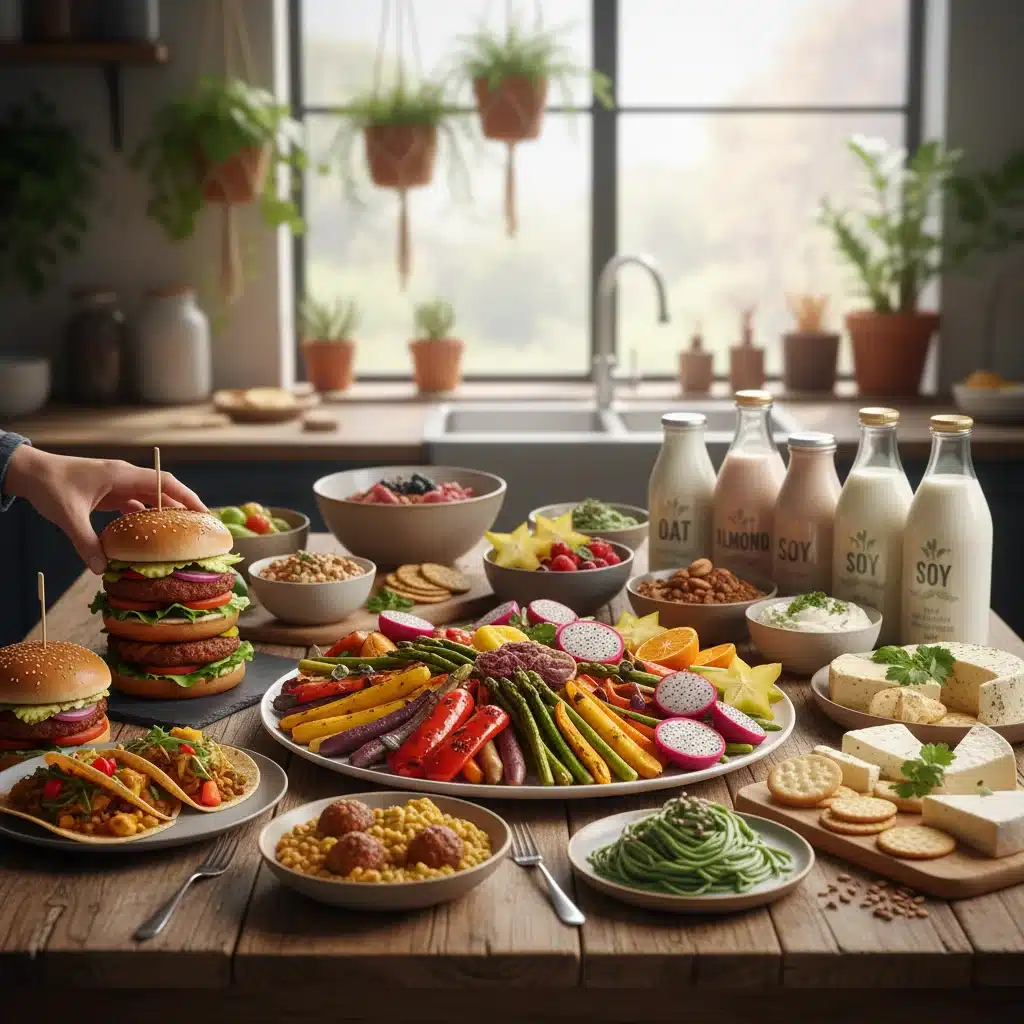
The 2026 Plant-Based Boom: 5 US Food Trends Reshaping Daily Diets
The culinary landscape is in constant flux, but few shifts have been as profound and rapid as the rise of plant-based eating. What was once a niche dietary choice has transformed into a mainstream movement, driven by growing awareness of health, environmental sustainability, and ethical considerations. As we hurtle towards 2026, the United States is poised to witness an even more significant plant-based boom, with innovative products and evolving consumer preferences reshaping our daily diets. Understanding these fashion trends is not just for vegans or vegetarians; it’s crucial for anyone interested in the future of food, public health, and sustainable living.
The momentum behind plant-based options is undeniable. From grocery store shelves overflowing with alternatives to fine dining establishments featuring elaborate vegan menus, the shift is palpable. This isn’t just a fad; it’s a fundamental change in how we perceive and consume food. By 2026, these fashion trends will have solidified their place, dictating everything from agricultural practices to food manufacturing and consumer purchasing habits. Let’s delve into the five most impactful plant-based food trends that will define the American diet in the coming years.
1. The Next Generation of Alt-Proteins: Beyond Soy and Almond
For years, soy and almond have been the undisputed kings of the plant-based protein world. However, as demand for diverse and sustainable alternatives grows, the market is witnessing an explosion of ‘next-generation’ alt-proteins. By 2026, expect to see a significant diversification in the sources of plant-based protein, moving far beyond the familiar. This trend is driven by a desire for improved taste, texture, nutritional profiles, and a reduced environmental footprint.
Advertisements
Mycelium and Fungi-Based Proteins
One of the most exciting advancements in Spring 2026 Fashion is the emergence of mycelium and fungi-based proteins. Mycelium, the root structure of mushrooms, can be grown rapidly and efficiently, requiring minimal land and water. Companies are developing products that mimic the fibrous texture of meat remarkably well, offering a ‘whole-cut’ experience that traditional plant-based burgers often struggle to achieve. These innovative proteins are not only sustainable but also rich in protein and fiber, making them a compelling alternative for conscious consumers. Their versatility means they can be molded into various forms, from steaks to seafood alternatives, opening up a new frontier in plant-based cuisine.
Precision Fermentation and Cultivated Proteins
While not strictly ‘plant-based’ in the traditional sense, precision fermentation and cultivated proteins are revolutionizing the alternative protein space and are intrinsically linked to the broader shift away from conventional animal agriculture. Precision fermentation uses microorganisms to produce specific proteins, fats, or flavors that are identical to those found in animal products, without the animal. This technology is already being used to create animal-free dairy proteins, egg proteins, and even heme, which gives plant-based burgers their ‘meaty’ flavor and color. By 2026, we anticipate these ingredients becoming more commonplace in a wide array of products, from cheese to ice cream.
Cultivated meat, grown directly from animal cells, is also on the horizon. While still in its nascent stages of commercialization, advancements in this field will increasingly influence consumer perception and acceptance of ‘lab-grown’ alternatives. Though technically animal-derived, its production significantly reduces the environmental impact associated with traditional livestock farming, aligning with the sustainability goals of the plant-based movement.
Pulse and Legume Innovations
Beyond the novel, traditional pulses and legumes are also experiencing a renaissance. Companies are finding new ways to process peas, lentils, chickpeas, and fava beans to create superior plant-based milks, yogurts, and meat analogues. Improved extraction and texturization techniques are leading to products with better mouthfeel, cleaner labels, and enhanced nutritional value. This focus on familiar, affordable, and nutrient-dense ingredients will ensure that plant-based options remain accessible and appealing to a broad demographic.

2. Hyper-Local and Sustainable Sourcing: The Farm-to-Fork Evolution
The plant-based movement isn’t just about what we eat, but also where it comes from and how it’s produced. By 2026, consumers will increasingly demand transparency and sustainability in their food choices, leading to a surge in hyper-local and ethically sourced plant-based ingredients. This trend is a direct response to concerns about supply chain resilience, carbon footprint, and support for local economies.
Urban Farming and Vertical Agriculture
As urban populations grow, so does the need for fresh, locally grown produce. Urban farming, including vertical farms and rooftop gardens, is set to expand dramatically. These innovative farming methods reduce transportation costs and emissions, minimize water usage, and often eliminate the need for pesticides. Expect to see more restaurants sourcing directly from nearby urban farms, and even in-store vertical gardens providing fresh herbs and greens in supermarkets. This hyper-local approach ensures maximum freshness and nutritional value, appealing to health-conscious consumers.
Regenerative Agriculture for Plant-Based Staples
The spotlight on regenerative agriculture will intensify, extending its influence to the cultivation of plant-based staples. Farmers growing oats, legumes, and various grains will increasingly adopt practices that improve soil health, enhance biodiversity, and sequester carbon. Brands will highlight their commitment to regenerative sourcing on their packaging, using it as a key differentiator. This trend signifies a deeper understanding of the interconnectedness between food production and environmental well-being, influencing consumer choices who prioritize ecological impact alongside personal health.
Waste Reduction and Upcycling
Sustainability also means minimizing waste. The plant-based sector is at the forefront of upcycling food by-products. Think about juice pulp transformed into flour, or spent grain from breweries repurposed into snacks. This ingenious approach not only reduces food waste but also creates new, nutritious ingredients and products. As consumers become more aware of the environmental cost of waste, brands that champion upcycled ingredients will gain a significant competitive advantage. This trend aligns perfectly with the broader ethos of the plant-based movement: doing more with less and respecting resources.
3. Personalized Plant-Based Nutrition: Tailored for Health
The ‘one-size-fits-all’ approach to diet is rapidly becoming obsolete. By 2026, personalized nutrition, especially within the plant-based sphere, will be a dominant trend. Consumers are seeking plant-based solutions that cater to their specific health needs, genetic predispositions, and lifestyle choices. This means a move towards more functional plant-based foods and bespoke dietary recommendations.
Functional Plant-Based Foods
Beyond basic nutrition, plant-based foods will increasingly be fortified with specific functional ingredients to address various health concerns. We’re talking about plant-based yogurts enhanced with specific probiotics for gut health, milks fortified with adaptogens for stress relief, or snacks designed to boost cognitive function. The market will see a proliferation of products targeting specific demographics – athletes, seniors, children, or individuals with particular health conditions – all through a plant-based lens. This trend is about maximizing the health benefits inherent in plants and augmenting them with science-backed additions.
AI-Driven Dietary Recommendations
Artificial intelligence and data analytics will play a pivotal role in personalizing plant-based diets. Apps and platforms will use individual health data, genetic information, activity levels, and even microbiome analysis to recommend specific plant-based meal plans, recipes, and products. This level of personalization will help individuals optimize their plant-based intake for peak performance, disease prevention, and overall well-being. The complexity of navigating a plant-based diet, especially for newcomers, will be simplified through intelligent, data-driven guidance.
Micronutrient Focus and Bioavailability
As plant-based diets become more common, so does the focus on ensuring adequate intake of all essential micronutrients. Expect to see more plant-based products explicitly highlighting their vitamin B12, iron, zinc, and omega-3 content, often through fortification or strategic ingredient combinations. Research into improving the bioavailability of plant-based nutrients will also intensify, leading to smarter food formulations that ensure the body can effectively absorb and utilize these vital compounds. This ensures that plant-based eating is not just good for the planet, but also optimally nourishing for the individual.
4. Global Flavors and Culinary Fusion: Expanding the Palate
The plant-based movement is a global phenomenon, and by 2026, American palates will be increasingly influenced by international plant-based cuisines. This trend is about celebrating diverse culinary traditions and fusing them with modern plant-based innovation, offering exciting new taste experiences and broadening the appeal of plant-forward eating.
Asian and Middle Eastern Influences
Cuisines from Asia and the Middle East, with their rich history of plant-based dishes, will continue to gain prominence. Ingredients like jackfruit, tempeh, seitan, and various types of mushrooms will be used in creative new ways, moving beyond simple substitutes to become stars in their own right. Dishes like plant-based Korean BBQ, vegan Vietnamese pho, and Middle Eastern mezze platters featuring innovative plant-based components will become more common in restaurants and on grocery store shelves. The natural umami and textural variety offered by these global ingredients provide a fantastic foundation for delicious and satisfying plant-based meals.
African and Latin American Plant-Based Gastronomy
Emerging as significant influences are the vibrant plant-based culinary traditions of Africa and Latin America. Ingredients such as teff, fonio, injera, yuca, plantains, and a vast array of beans and peppers will inspire new product development and restaurant menus. Expect to see more plant-based interpretations of traditional stews, curries, and street foods, bringing exciting new flavor profiles and ingredient combinations to the forefront. This exploration of diverse gastronomies enriches the plant-based landscape, making it more dynamic and appealing to a wider audience, and providing authentic and exciting culinary experiences.
Hybrid Plant-Based Concepts
The lines between traditional and plant-based will continue to blur, leading to more hybrid culinary concepts. Imagine a restaurant specializing in ‘plant-forward’ dishes where vegetables are the stars, but small portions of sustainably sourced animal proteins are offered as an optional accompaniment. Or food products that blend plant-based ingredients with a smaller percentage of animal ingredients to create novel textures and flavors while still reducing overall meat consumption. This approach caters to flexitarians and those transitioning to a more plant-rich diet, making the shift less daunting and more enjoyable. The goal is not always 100% veganism, but a significant reduction in animal product consumption, and hybrid options facilitate this transition.

5. Plant-Based Convenience and Indulgence: Mainstream Accessibility
For plant-based eating to truly become mainstream, it needs to be both convenient and capable of delivering indulgent experiences. By 2026, the market will be flooded with an unprecedented array of convenient, ready-to-eat, and genuinely delicious plant-based products that cater to every meal occasion and craving.
Ready-to-Eat Plant-Based Meals
Busy lifestyles demand convenience, and the plant-based sector is stepping up. Pre-made plant-based meal kits, frozen entrees, and grab-and-go options will become ubiquitous. These won’t be bland or uninspiring; instead, they will feature gourmet ingredients, diverse flavor profiles, and balanced nutrition, making it easier than ever for consumers to incorporate plant-based meals into their hectic schedules. The focus will be on speed without sacrificing quality or taste, ensuring plant-based eating is an effortless choice.
Premium Plant-Based Indulgences
The notion that plant-based food is restrictive or less enjoyable is rapidly dissipating. By 2026, the market for premium plant-based indulgences will explode. Think artisanal plant-based cheeses that truly mimic their dairy counterparts in flavor and texture, decadent vegan chocolates, gourmet ice creams made from innovative bases, and sophisticated plant-based pastries. These products will appeal to consumers looking for luxurious treats that align with their ethical and health values, proving that plant-based eating can be as satisfying and indulgent as any other diet.
Plant-Based Fast Food and Casual Dining
Major fast-food chains and casual dining restaurants will continue to expand their plant-based offerings, moving beyond a single veggie burger to comprehensive menus. Expect to see plant-based chicken sandwiches, fish fillets, and even breakfast items becoming standard. The goal is to make plant-based options as accessible and appealing as their meat-based counterparts, allowing consumers to make plant-forward choices without compromising on convenience or familiarity. This integration into mainstream dining signifies a crucial step towards widespread acceptance and normalization of plant-based diets.
The Economic and Environmental Impact of These Plant-Based Food Trends
The growth of these ethical fashion trends is not just a culinary phenomenon; it has significant economic and environmental implications. Economically, the plant-based sector is a booming industry, attracting substantial investment and creating new jobs in research, development, manufacturing, and retail. This growth is projected to continue, with market valuations reaching unprecedented heights as more consumers adopt plant-based lifestyles or flexitarian approaches.
Environmentally, the widespread adoption of plant-based diets is critical for combating climate change, reducing deforestation, conserving water, and mitigating pollution. Livestock agriculture is a major contributor to greenhouse gas emissions and resource depletion. By shifting towards plant-based alternatives, we can significantly lessen our ecological footprint. The innovations in sustainable sourcing, such as urban farming and regenerative agriculture, further amplify these positive environmental impacts, creating a more resilient and sustainable food system for the future. These trends represent a collective societal effort towards a healthier planet and a more ethical food supply.
Challenges and Opportunities Ahead for Plant-Based Food Trends
While the future of plant-based food looks bright, there are still challenges to overcome. Consumer education remains paramount, as many still harbor misconceptions about the nutritional completeness or taste of plant-based diets. Affordability is another key factor; while some plant-based staples are inexpensive, many innovative products still carry a premium price tag. As production scales and technology advances, bringing down costs will be crucial for broader accessibility.
However, these challenges also present immense opportunities. Continued innovation in food science will lead to even more realistic and delicious plant-based products. Greater public awareness campaigns will help demystify plant-based nutrition. Policy support, through incentives for sustainable agriculture and plant-based food research, can accelerate the transition. The collaboration between food scientists, chefs, farmers, and policymakers will be essential in fully realizing the potential of these sustainability goals.
Conclusion: A Plant-Forward Future is Here
By 2026, the American diet will be undeniably more plant-forward. The five fashion trends – next-generation alt-proteins, hyper-local and sustainable sourcing, personalized plant-based nutrition, global flavors and culinary fusion, and mainstream convenience and indulgence – are not isolated phenomena but interconnected forces driving a culinary revolution. These trends reflect a deeper societal shift towards health consciousness, environmental responsibility, and ethical consumption.
From mycelium steaks to AI-driven meal plans, and from urban farms to gourmet vegan desserts, the future of food is innovative, diverse, and deliciously plant-based. Embracing these trends means not only enjoying exciting new culinary experiences but also contributing to a healthier planet and a more sustainable food system for generations to come. The plant-based boom is not just coming; it’s already here, and by 2026, it will be an integral part of our daily lives.