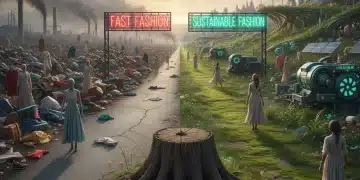
Sustainable Fashion: Consumer Spending Habits Shift 5% in 3 Months
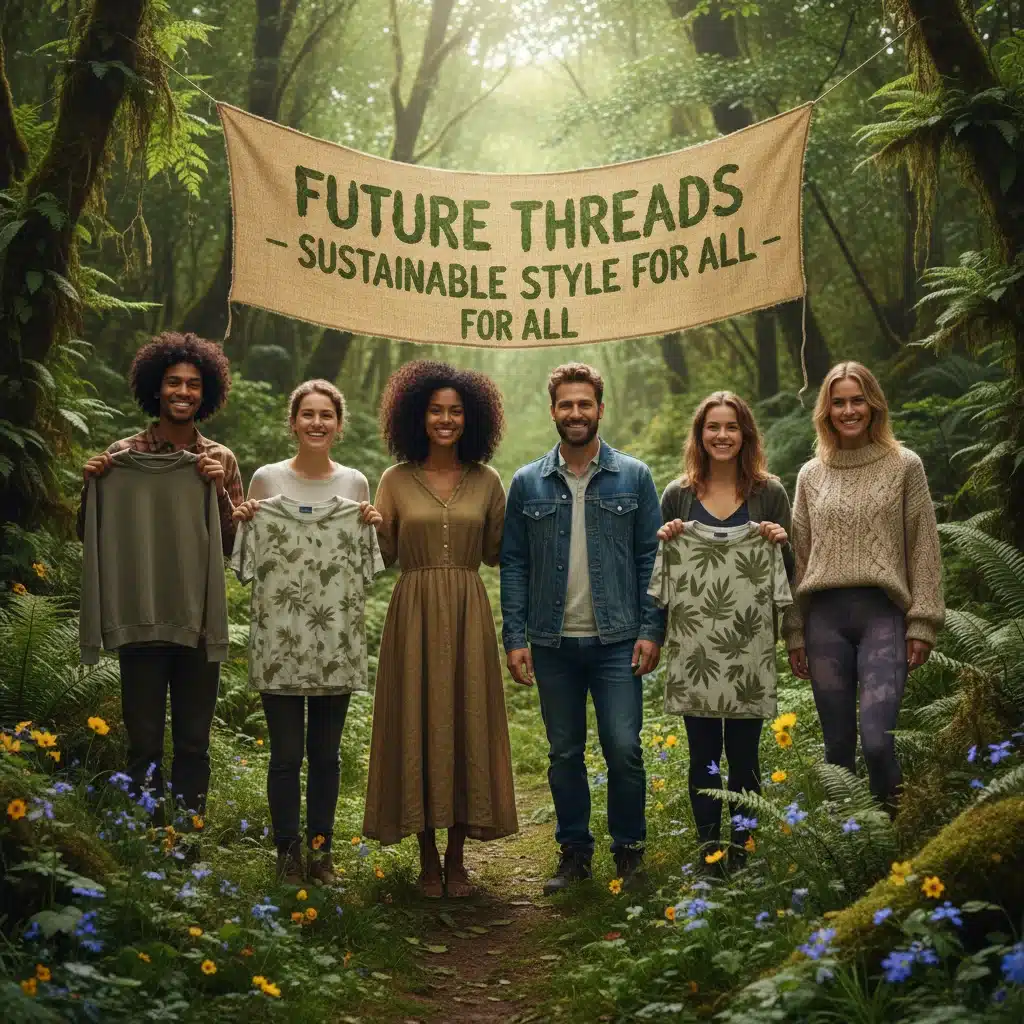
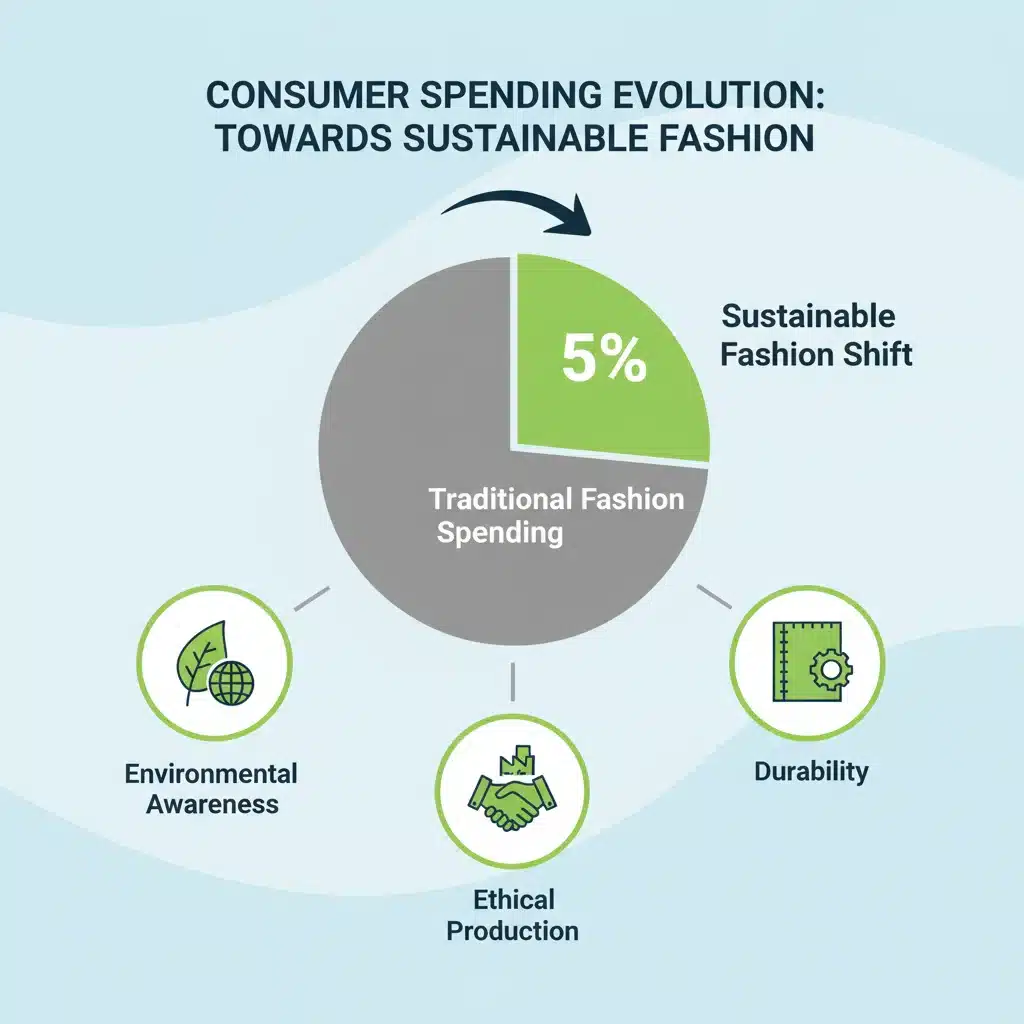
In a rapidly evolving global landscape, consumer preferences are constantly shifting, driven by a myriad of factors ranging from economic considerations to ethical imperatives. One of the most significant and encouraging trends to emerge recently is the substantial pivot towards more conscious and responsible consumption, particularly within the fashion industry. A groundbreaking new report has revealed a remarkable 5% shift in consumer spending habits towards sustainable fashion shift in just the last three months. This isn’t merely a fleeting trend; it signals a profound and accelerating transformation in how individuals perceive, purchase, and interact with clothing.
This article delves deep into the implications of this significant shift, exploring the underlying causes, the challenges it presents, and the immense opportunities it creates for both consumers and businesses. We will examine what constitutes sustainable fashion, why consumers are increasingly prioritizing it, and what the future holds for an industry undergoing such a pivotal change.
The Unmistakable Surge in Sustainable Fashion Shift
The report’s findings are unequivocal: consumers are actively seeking out and investing in sustainable fashion options at an unprecedented rate. A 5% shift in spending within a single quarter is a powerful indicator of growing awareness and commitment. This isn’t just about a niche market anymore; it’s a mainstream movement gaining considerable momentum. For years, sustainable fashion was often perceived as an expensive, exclusive, or less stylish alternative. However, this perception is rapidly being dismantled as brands, both established and emerging, innovate to offer fashionable, affordable, and ethically produced garments.
Advertisements
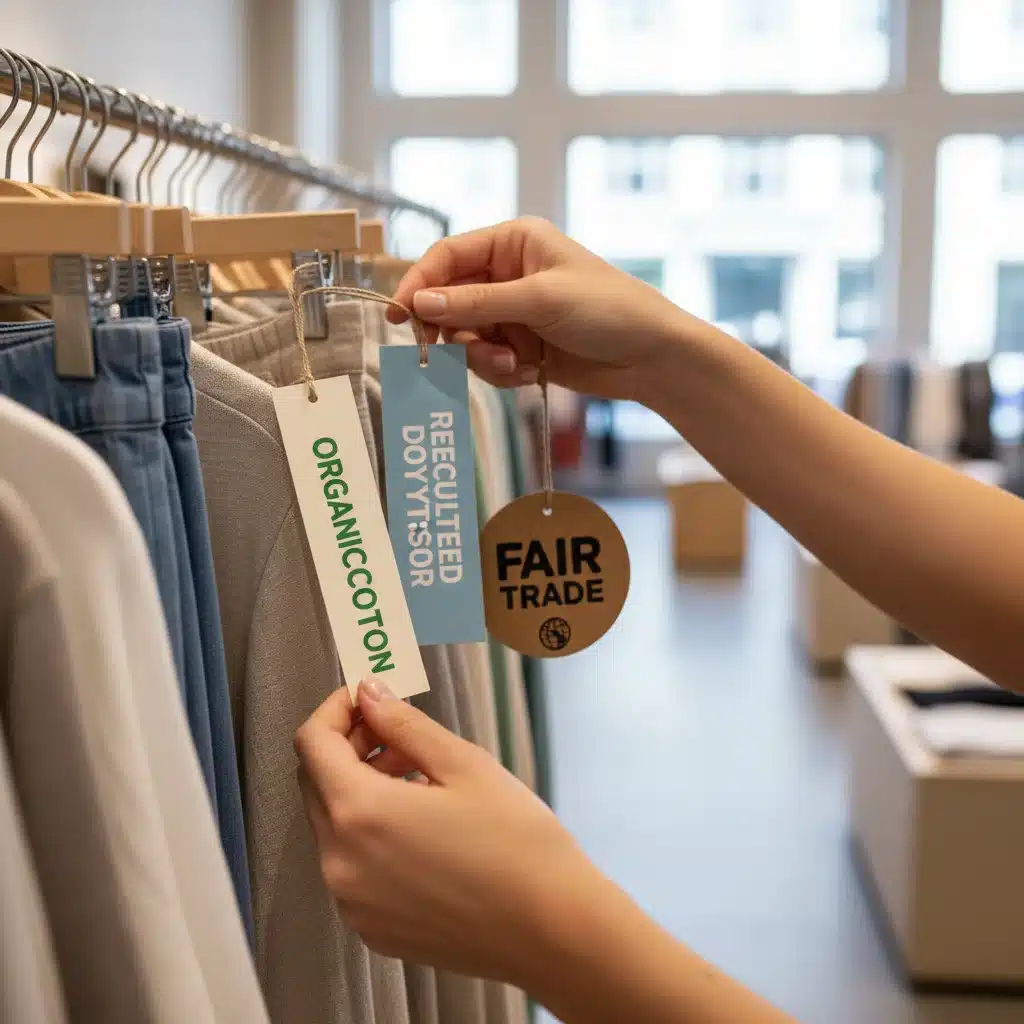
What exactly defines sustainable fashion shift? It encompasses a broad spectrum of practices aimed at minimizing the environmental and social impact of clothing production, consumption, and disposal. This includes using eco-friendly materials like organic cotton, recycled polyester, hemp, and Tencel; employing ethical labor practices that ensure fair wages and safe working conditions; reducing water and energy consumption in manufacturing; designing for durability and longevity; and promoting circular economy principles such as repair, reuse, and recycling. The recent shift underscores that these principles are resonating deeply with a growing segment of the global populace.
Drivers Behind the Consumer Shift
Several key factors are converging to fuel this rapid adoption of sustainable fashion:
- Increased Environmental Awareness: The climate crisis is no longer a distant threat; its impacts are felt globally. Consumers are more educated than ever about the environmental footprint of fast fashion, including massive waste generation, water pollution, and carbon emissions. Documentaries, social media campaigns, and scientific reports have played a crucial role in highlighting these issues, prompting individuals to seek greener alternatives.
- Ethical and Social Consciousness: Beyond environmental concerns, there’s a heightened awareness of the social injustices embedded in traditional fashion supply chains. Exploitative labor practices, unsafe working conditions, and child labor in garment factories have been exposed, leading many consumers to demand greater transparency and ethical production from brands. The desire to support fair trade and human rights is a significant motivator for the sustainable fashion shift.
- Quality and Durability: Fast fashion’s disposable nature has led to a decline in garment quality. Consumers are becoming increasingly frustrated with clothes that fall apart after a few washes. Sustainable fashion often emphasizes quality craftsmanship and durable materials, promising longevity and better value for money in the long run. This aligns with a growing desire for investment pieces rather than fleeting trends.
- Influencer and Celebrity Endorsement: High-profile individuals and social media influencers are increasingly advocating for sustainable choices, bringing the movement into the mainstream. When celebrities champion eco-friendly brands or discuss their own conscious consumption habits, it significantly boosts visibility and desirability for sustainable products.
- Accessibility and Availability: As demand grows, so does the supply. More brands are entering the sustainable fashion market, and established retailers are expanding their eco-conscious lines. This increased accessibility, both online and in brick-and-mortar stores, makes it easier for consumers to find and purchase sustainable clothing, further accelerating the sustainable fashion shift.
- Technological Innovations: Advances in textile technology are making sustainable materials more diverse, affordable, and performant. Innovations like biodegradable fabrics, waterless dyeing techniques, and advanced recycling processes are enabling brands to create sustainable products without compromising on style or functionality.
The Impact on the Fashion Industry
This 5% shift is not just a statistical anomaly; it’s a seismic event for the fashion industry. Brands that fail to adapt risk being left behind, while those that embrace sustainability are poised for significant growth and brand loyalty. The implications are far-reaching:
Redefining Supply Chains
The demand for transparency and ethical production is forcing brands to scrutinize their entire supply chains, from raw material sourcing to manufacturing and distribution. This involves auditing factories, ensuring fair labor practices, and tracing the origin of materials. Blockchain technology is even being explored to provide immutable records of a garment’s journey, offering consumers unparalleled transparency.
Innovation in Materials and Production
The emphasis on sustainability is spurring innovation in material science. Researchers are developing new bio-based fabrics, exploring alternatives to traditional leather, and perfecting garment-to-garment recycling technologies. Brands are investing in cleaner production processes that reduce water usage, minimize chemical waste, and lower carbon emissions. This drive for innovation is not just about being eco-friendly; it’s about creating superior products that meet consumer expectations for both performance and ethics.
Marketing and Brand Storytelling
Authenticity is paramount in marketing sustainable fashion. Consumers are savvy; they can distinguish genuine commitment from greenwashing. Brands must tell compelling stories about their sustainable practices, detailing their efforts to protect the planet and empower workers. This involves transparent communication, clear labeling, and engaging consumers in their sustainability journey. The sustainable fashion shift demands more than just a product; it demands a purpose.
The linear ‘take-make-dispose’ model of fashion is increasingly unsustainable. The 5% shift indicates a growing consumer appetite for circularity. This includes business models like clothing rental, resale platforms, repair services, and take-back programs for recycling. These models not only reduce waste but also offer new revenue streams and foster deeper customer relationships. Consumers are increasingly willing to participate in these circular systems, recognizing the environmental benefits and the potential for cost savings.
Challenges and Opportunities for the Future
While the sustainable fashion shift is undeniably positive, it also presents significant challenges for an industry historically built on rapid cycles and mass production. One of the primary hurdles is scaling sustainable practices without compromising affordability or quality. Transitioning to entirely sustainable supply chains requires substantial investment in new technologies, infrastructure, and training.
Another challenge lies in consumer education. While awareness is growing, there’s still a need to help consumers understand the nuances of sustainability, differentiate between truly sustainable products and greenwashed claims, and recognize the long-term value of conscious purchasing. Retailers and brands have a responsibility to provide clear, accessible information.
However, these challenges are dwarfed by the immense opportunities. Brands that successfully navigate this transition can build stronger, more resilient businesses. They can attract a growing segment of ethically conscious consumers, enhance their brand reputation, and contribute positively to global environmental and social well-being. The sustainable fashion shift is not just good for the planet; it’s good business.
Government Policies and Industry Collaboration
The pace of the sustainable fashion shift can be further accelerated by supportive government policies. Regulations promoting circularity, mandating transparency in supply chains, and incentivizing sustainable innovation can create a level playing field and encourage broader industry adoption. Furthermore, collaboration across the industry – between brands, suppliers, innovators, and even competitors – is crucial. Sharing best practices, pooling resources for research and development, and establishing common standards can drive systemic change more effectively than individual efforts.
The Role of the Individual Consumer
While industry and policy play critical roles, the individual consumer remains the most powerful catalyst for change. Every purchasing decision is a vote for the kind of world we want to live in. The 5% shift demonstrates the collective power of individual choices. Consumers can continue to drive this trend by:
- Educating Themselves: Learning about sustainable materials, ethical certifications, and the environmental impact of different brands.
- Supporting Sustainable Brands: Actively seeking out and purchasing from companies committed to ethical and eco-friendly practices.
- Demanding Transparency: Asking brands tough questions about their supply chains and environmental policies.
- Embracing Circularity: Repairing clothes, buying second-hand, renting garments, and recycling textiles.
- Reducing Consumption: Buying fewer, higher-quality items that last longer, rather than succumbing to fast fashion trends.
Looking Ahead: A Greener Wardrobe for All
The recent report highlighting a 5% shift towards sustainable fashion shift in consumer spending is more than just a statistic; it’s a beacon of hope and a call to action. It confirms that consumers are ready and willing to embrace a more responsible approach to fashion. This momentum provides a critical impetus for the entire industry to accelerate its transition towards more sustainable models. The future of fashion is not just about aesthetics; it’s about ethics, environmental responsibility, and creating a system that benefits both people and the planet.
As this shift continues to gain traction, we can anticipate a future where sustainable practices are the norm, not the exception. This will lead to a fashion industry that is more resilient, more equitable, and ultimately, more beautiful in its positive impact on the world. The journey is ongoing, but the recent progress is a powerful reminder that collective consumer action can indeed drive significant and lasting change.
In conclusion, the 5% shift towards sustainable fashion within a mere three months is a testament to the growing power of conscious consumerism. It signals a critical turning point for the industry, pushing brands to innovate, prioritize ethics, and embrace circularity. For consumers, it’s an empowering reminder that their choices matter, and that by collectively choosing sustainable options, they are actively shaping a more responsible and environmentally friendly future for fashion. The trajectory is clear: sustainable fashion shift is not just an ideal, but an increasingly tangible reality.