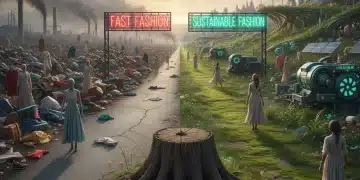
Mastering Sustainable Fashion in the US: 7 Steps for a 2026 Eco-Conscious Wardrobe
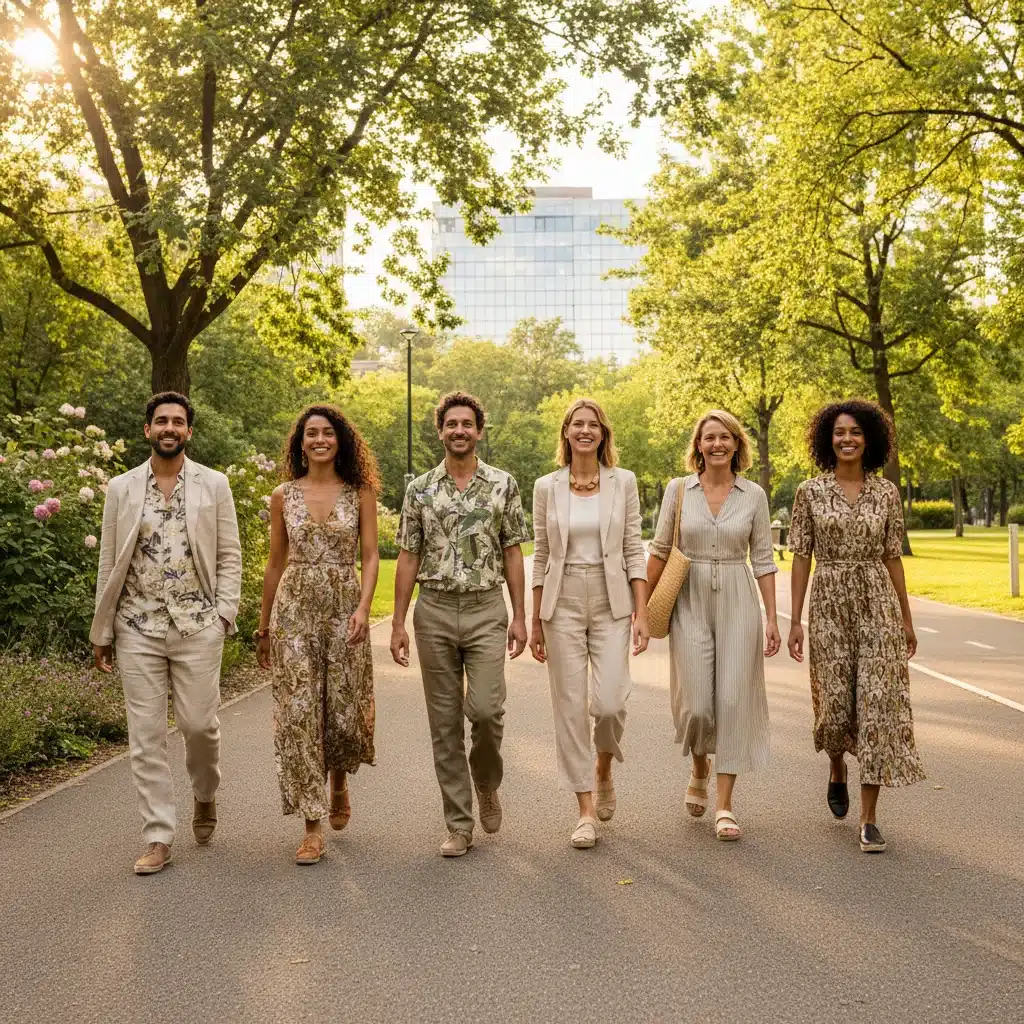
The fashion industry, a global behemoth, has long been under scrutiny for its significant environmental and social footprint. From excessive water usage and chemical pollution to exploitative labor practices and mountains of textile waste, the impact is undeniable. However, a powerful counter-movement is gaining momentum: sustainable fashion US. This isn’t just a fleeting trend; it’s a fundamental shift towards a more ethical, environmentally friendly, and responsible way of producing and consuming clothing. As we look towards 2026, the urgency to adopt sustainable practices in our wardrobes becomes even more critical. This comprehensive guide will walk you through seven practical steps to transform your closet into an eco-conscious haven, contributing to a healthier planet and a more equitable society.
The journey to a sustainable wardrobe might seem daunting at first, but it’s a rewarding path that benefits both you and the environment. It involves a mindful approach to consumption, a deeper understanding of where our clothes come from, and a commitment to longevity and circularity. By embracing these principles, you can significantly reduce your environmental impact, support ethical businesses, and cultivate a personal style that truly reflects your values. Let’s dive into how you can master sustainable fashion US by 2026.
Understanding the Imperative: Why Sustainable Fashion Matters
Before we delve into the practical steps, it’s crucial to grasp the ‘why’ behind the movement. The conventional fashion industry is a major contributor to global pollution. The production of textiles, especially fast fashion, consumes vast amounts of resources. For instance, growing cotton is incredibly water-intensive, and synthetic fibers like polyester are derived from fossil fuels, contributing to plastic pollution. Dyeing processes release toxic chemicals into waterways, impacting ecosystems and human health. Furthermore, the rapid cycle of trends fueled by fast fashion leads to an immense amount of waste, with millions of tons of clothing ending up in landfills annually. These garments often contain synthetic materials that take hundreds of years to decompose, releasing microplastics into our environment.
Beyond environmental concerns, the social impact is equally significant. Many garment workers, predominantly women in developing countries, face low wages, unsafe working conditions, and long hours, highlighting the ethical dilemmas embedded in the supply chain. Sustainable fashion US aims to address these multifaceted issues by advocating for fair labor practices, reduced environmental impact, and a circular economy where products are designed for durability, reuse, and recycling.
Advertisements
By consciously choosing sustainable fashion, you’re not just buying clothes; you’re investing in a future where people and the planet thrive. You’re supporting brands that prioritize transparency, ethical production, and environmental stewardship. This shift in consumer behavior sends a clear message to the industry: sustainability is no longer optional, but an expectation.
Step 1: Educate Yourself on Sustainable Fabrics and Certifications
The first step towards an eco-conscious wardrobe is knowledge. Not all fabrics are created equal when it comes to sustainability. Understanding the environmental footprint of different materials is key to making informed choices. Natural fibers like organic cotton, linen, hemp, and Tencel (lyocell) are generally preferred over conventional cotton or synthetic materials. Organic cotton, for example, is grown without harmful pesticides and synthetic fertilizers, significantly reducing its environmental impact. Linen and hemp are incredibly durable, require less water, and are naturally resistant to pests.
Key Sustainable Fabrics:
- Organic Cotton: Grown without toxic chemicals, preserving soil health and water quality.
- Hemp: A highly sustainable crop that requires little water and no pesticides, and enriches the soil.
- Linen: Made from flax plants, it’s durable, breathable, and requires minimal resources.
- Tencel (Lyocell): A regenerated cellulosic fiber produced from sustainably sourced wood pulp in a closed-loop system, minimizing waste and emissions.
- Recycled Materials: Polyester and nylon made from recycled plastic bottles or ocean waste reduce reliance on virgin resources.
- Pinatex: An innovative leather alternative made from pineapple leaf fibers.
Beyond fabrics, look for certifications that guarantee certain environmental and social standards. These certifications act as a stamp of approval, assuring consumers that a product meets specific criteria. Some prominent certifications include:
- GOTS (Global Organic Textile Standard): Ensures organic status of textiles from harvesting of the raw materials through environmentally and socially responsible manufacturing.
- Fair Trade Certified: Guarantees fair wages, safe working conditions, and community development for farmers and factory workers.
- Bluesign: A system that provides solutions for sustainable textile production, eliminating harmful substances from the beginning of the manufacturing process.
- OEKO-TEX Standard 100: Certifies that textiles and fabrics are free from harmful substances.
By familiarizing yourself with these fabrics and certifications, you empower yourself to make choices that align with your commitment to sustainable fashion US.
Step 2: Embrace Mindful Consumption and Slow Fashion
The core of sustainable fashion lies in mindful consumption. Fast fashion encourages impulse buying and treating clothes as disposable. Slow fashion, on the other hand, advocates for thoughtful purchases, valuing quality over quantity, and extending the life of garments. This means shifting away from chasing fleeting trends and instead investing in timeless pieces that you truly love and that will last.
Practical Tips for Mindful Consumption:
- Audit Your Wardrobe: Before buying anything new, go through your existing clothes. What do you wear regularly? What do you actually need? This helps you identify gaps and avoid redundant purchases.
- Create a Wish List: Instead of immediate gratification, create a list of items you genuinely need or want. Research brands and materials before committing.
- Consider Cost Per Wear: A higher-priced, well-made garment that lasts for years is often more sustainable and economical in the long run than several cheap, poorly made items that quickly fall apart.
- Avoid Impulse Buys: Give yourself time to think before purchasing. Ask yourself if you truly need it, if it aligns with your style, and if it’s made sustainably.
- Develop a Signature Style: Focus on building a versatile wardrobe with pieces that mix and match easily, reducing the need for excessive clothing.
Embracing slow fashion means appreciating the craftsmanship and resources that go into making each garment. It’s about building a meaningful relationship with your clothes and understanding their true value, moving beyond the superficial allure of disposability. This step is fundamental to transitioning towards sustainable fashion US.
Step 3: Support Ethical and Sustainable Brands
Once you’re educated on fabrics and committed to mindful consumption, the next step is to actively seek out and support brands that align with sustainable values. The number of ethical and sustainable fashion brands in the US is growing, making it easier to find alternatives to conventional retailers. These brands often prioritize transparency, fair labor practices, eco-friendly materials, and reduced environmental impact.
How to Identify Sustainable Brands:
- Transparency: Look for brands that are open about their supply chains, manufacturing processes, and material sourcing. Many sustainable brands publish annual impact reports or have dedicated sustainability sections on their websites.
- Certifications: As mentioned in Step 1, look for GOTS, Fair Trade, Bluesign, and OEKO-TEX certifications.
- Material Choices: Prioritize brands that use organic, recycled, upcycled, or innovative sustainable materials.
- Production Practices: Research if brands use eco-friendly dyeing processes, minimize water and energy consumption, and manage waste responsibly.
- Fair Labor: Investigate their labor practices. Do they pay fair wages, ensure safe working conditions, and empower their workers?
- Longevity and Durability: Sustainable brands often focus on creating high-quality, durable garments designed to last, rather than contributing to planned obsolescence.
A quick online search for ‘ethical fashion brands US’ or ‘sustainable clothing brands’ will yield numerous options. Websites like Good On You also provide comprehensive ratings and reviews of brands based on their environmental, labor, and animal welfare practices. By consciously choosing to buy from these brands, you’re directly contributing to the growth of sustainable fashion US.
Step 4: Embrace Secondhand, Vintage, and Swapping
One of the most impactful ways to reduce your fashion footprint is to extend the life of existing garments. Buying secondhand, vintage, or participating in clothing swaps is inherently sustainable because it prevents clothes from going to landfills and reduces the demand for new production. The US has a thriving market for pre-loved fashion, offering a vast array of options for every style and budget.
Avenues for Pre-Loved Fashion:
- Thrift Stores and Consignment Shops: Local thrift stores, charity shops, and consignment boutiques are treasure troves for unique and affordable pieces.
- Online Resale Platforms: Websites and apps like ThredUp, Poshmark, Depop, The RealReal, and Vestiaire Collective make it easy to buy and sell pre-owned clothing, often including designer items.
- Vintage Stores: For unique, timeless pieces with a story, explore vintage shops.
- Clothing Swaps: Organize or participate in clothing swap events with friends, family, or community groups. It’s a fun and free way to refresh your wardrobe.
- Rental Services: For special occasions or items you only need temporarily, consider clothing rental services like Rent the Runway, which promote circularity.
Embracing secondhand fashion is not just about sustainability; it’s also about developing a unique personal style that stands out from the mass-produced aesthetic. It’s a key pillar of sustainable fashion US, promoting reuse and reducing waste.
Step 5: Prioritize Care, Repair, and Longevity
Even the most sustainably made garment won’t be truly sustainable if it’s not cared for properly or if it’s discarded prematurely. Extending the life of your clothes through proper care and timely repairs is a crucial aspect of an eco-conscious wardrobe. This step empowers you to take an active role in reducing textile waste and maximizing the value of your purchases.
Tips for Garment Longevity:
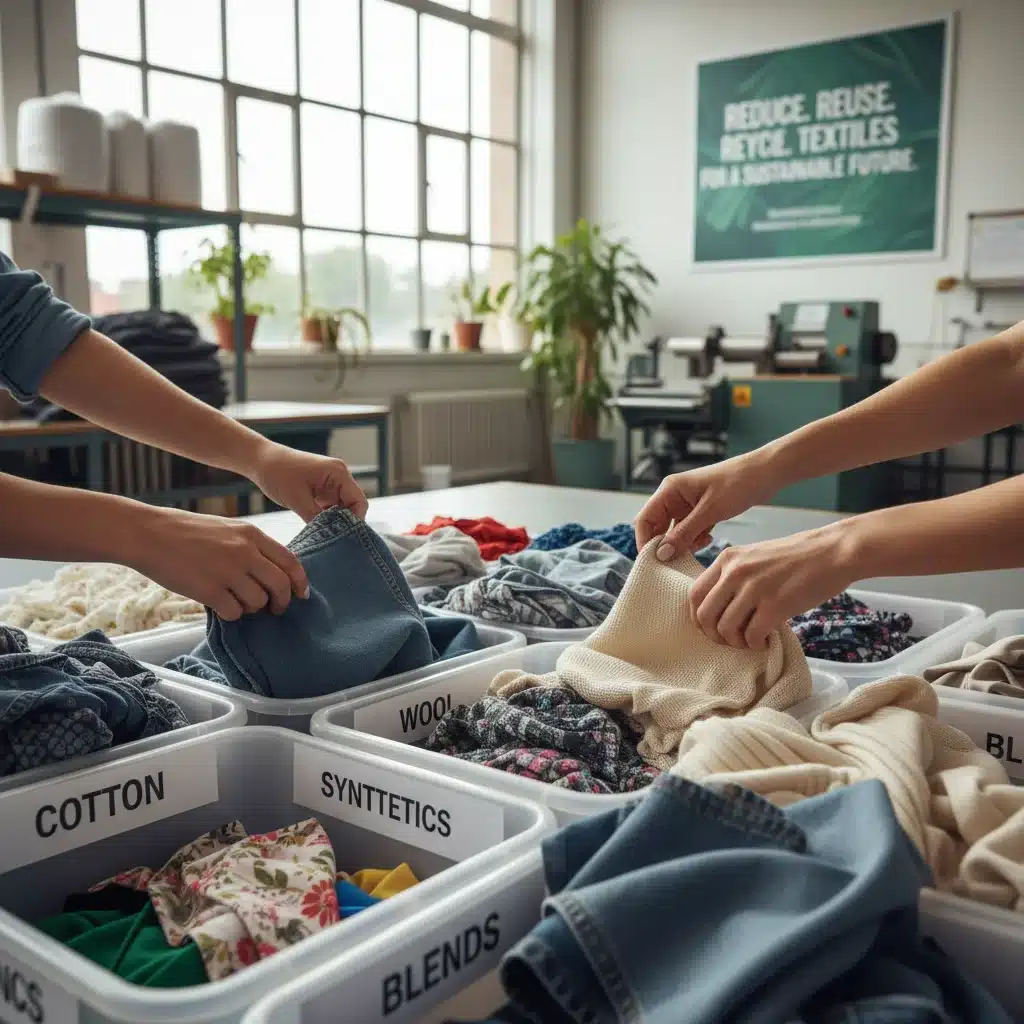
- Follow Care Labels: Always read and follow the washing and drying instructions on garment labels. Incorrect care can damage fabrics and shorten their lifespan.
- Wash Less, Wash Cold: Over-washing can wear out clothes faster. Only wash when necessary. Use cold water whenever possible, as it saves energy and is gentler on fabrics.
- Air Dry: Tumble dryers consume a lot of energy and can be harsh on clothes. Air drying is more eco-friendly and helps preserve fabric integrity.
- Learn Basic Repairs: Simple repairs like sewing on a button, mending a small tear, or fixing a loose hem can significantly extend a garment’s life. Many online tutorials can teach you these basic skills.
- Seek Professional Help: For more complex repairs or alterations, take your clothes to a tailor or seamstress. This supports local businesses and keeps your favorite pieces in circulation.
- Store Properly: Store clothes in a way that prevents damage, such as using appropriate hangers and protecting delicate items.
By taking good care of your clothes, you reduce the need to buy new items, thereby lessening your environmental impact and promoting a more sustainable approach to fashion. This commitment to care and repair is a cornerstone of sustainable fashion US.
Step 6: Explore Upcycling and DIY Projects
Beyond repairing, consider upcycling or repurposing old garments that are no longer wearable in their original form. Upcycling breathes new life into discarded items, transforming them into something new and functional, thus diverting waste from landfills. This creative approach allows you to express your individuality while contributing to a circular economy.
Ideas for Upcycling and DIY:
- Transform Old Clothes: Turn old jeans into shorts, a skirt, or even a tote bag. An oversized shirt can become a stylish crop top or a pillowcase.
- Dyeing and Embellishing: Give faded clothes a new lease of life with natural dyes or add unique embellishments like embroidery, patches, or fabric paint.
- Creating Accessories: Fabric scraps can be used to make headbands, scrunchies, small pouches, or even patchwork items.
- Composting Natural Fibers: If a garment made of 100% natural fibers (like cotton, linen, hemp, wool) is beyond repair or repurposing, consider composting it if you have access to a suitable composting system. Remove any non-biodegradable components like zippers or buttons first.
Upcycling is not only sustainable but also a fun and creative way to personalize your wardrobe. It encourages innovation and reduces reliance on new resources, making it a vibrant part of the sustainable fashion US movement.
Step 7: Advocate for Change and Participate in Textile Recycling
Your individual actions are powerful, but collective action can drive systemic change. Becoming an advocate for sustainable fashion means using your voice and influence to encourage brands, policymakers, and your community to adopt more responsible practices. Furthermore, understanding proper textile recycling options is crucial for items that truly cannot be reused, repaired, or upcycled.
How to Advocate for Sustainable Fashion:
- Engage with Brands: Ask brands about their sustainability practices on social media, through emails, or in stores. Your questions signal consumer demand for transparency and ethical production.
- Support Policy: Stay informed about legislation related to textile waste, labor rights, and environmental protection in the fashion industry. Support initiatives that promote sustainability.
- Spread Awareness: Share your knowledge and passion for sustainable fashion with friends, family, and your social networks. Encourage others to make conscious choices.
- Participate in Campaigns: Join organizations or campaigns that advocate for a more sustainable and ethical fashion industry.
Textile Recycling Options:
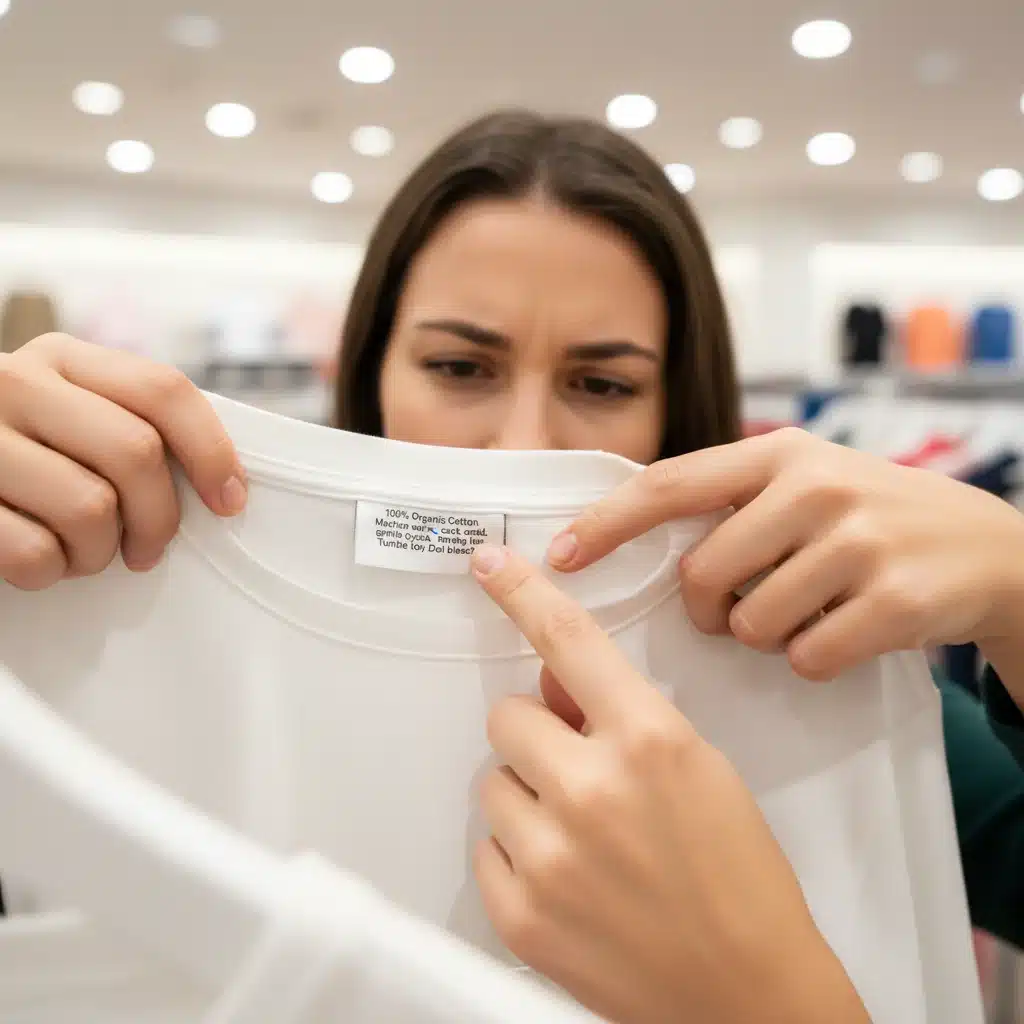
When a garment has truly reached the end of its life, and cannot be donated, repaired, or upcycled, responsible disposal is the next step. Avoid simply throwing clothes in the trash, as they will end up in landfills.
- Donation Bins: Many communities have textile recycling bins where clothes are collected for reuse or processed into new materials. Organizations like Goodwill, The Salvation Army, and local textile recyclers often have drop-off points.
- Brand Take-Back Programs: Some fashion brands offer take-back programs where you can return old clothes (even from other brands) for recycling. Check with your favorite sustainable brands.
- Specialized Textile Recyclers: Research local textile recycling facilities in your area. They often sort and process materials for industrial uses, insulation, or new fabric production.
- Composting: As mentioned earlier, 100% natural fibers without synthetic components can be composted.
By actively advocating and utilizing proper recycling channels, you complete the circularity loop of sustainable fashion US, ensuring that textiles are given a second life or responsibly managed at the end of their utility.
The Future is Eco-Conscious: Your Wardrobe by 2026
The journey to mastering sustainable fashion US by 2026 is a continuous process of learning, adapting, and making conscious choices. It’s not about perfection overnight, but about consistent progress and a commitment to doing better. By following these seven practical steps, you can significantly reduce your environmental footprint, support ethical practices, and cultivate a wardrobe that is both stylish and responsible.
Imagine a wardrobe where every piece tells a story of ethical production, environmental care, and personal value. A wardrobe free from the guilt of fast fashion, filled instead with items you cherish, wear repeatedly, and care for diligently. This vision is not only achievable but essential for the future of our planet.
As consumers, we hold immense power to drive change. Every mindful purchase, every repair, every textile recycled sends a signal to the industry. By 2026, let’s collectively reshape the fashion landscape in the US, making sustainable choices the norm, not the exception. Start today, one step at a time, and become a part of the movement that is redefining fashion for good.