Emerging Designers 2026: The Future of Fashion Revealed
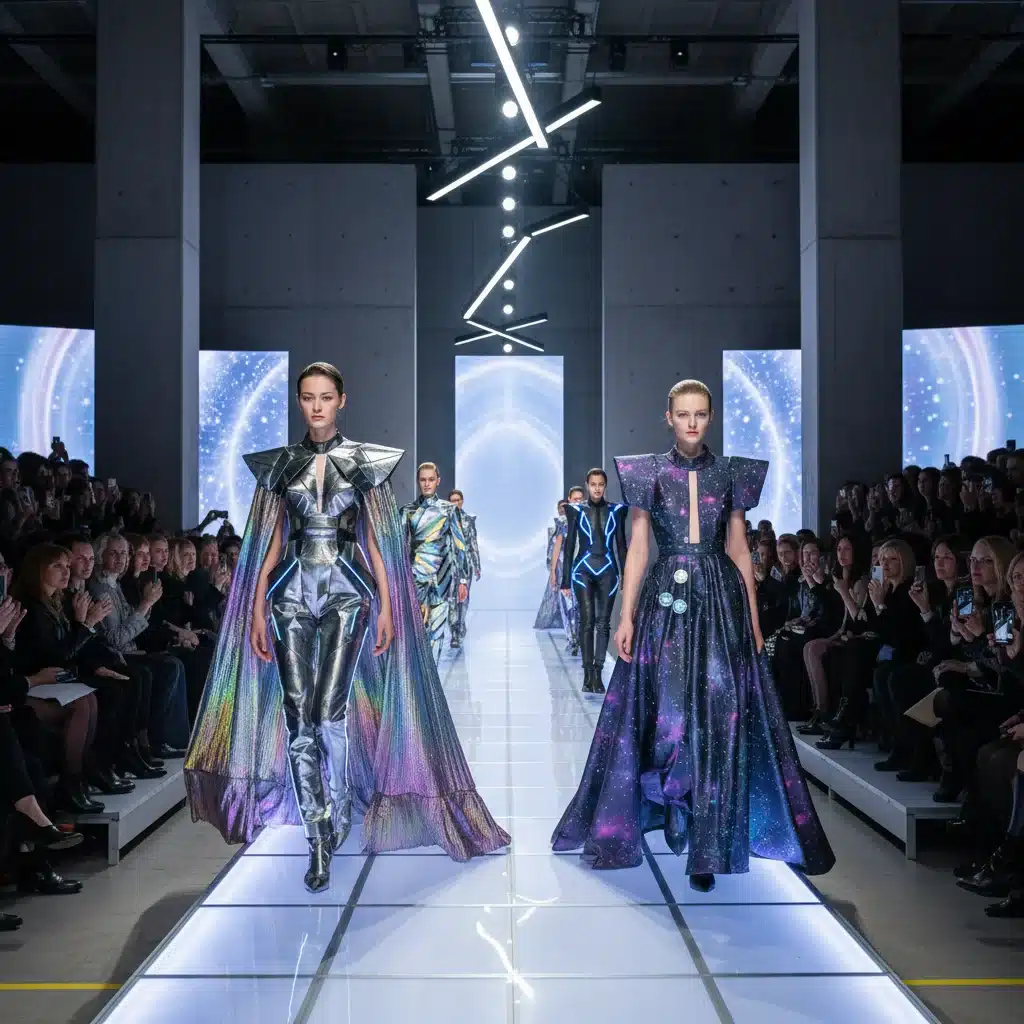
The world of fashion is in constant flux, a dynamic tapestry woven with threads of creativity, innovation, and daring vision. As we look towards 2026, the spotlight shifts to a new generation of talent, individuals poised to redefine aesthetics, challenge norms, and champion sustainability. These emerging fashion designers are not just creating clothes; they are crafting narratives, building movements, and shaping the very fabric of our sartorial future. Identifying who to watch among this burgeoning pool of brilliance requires a keen eye for originality, a deep understanding of market shifts, and an appreciation for the groundbreaking. This article delves into the exciting landscape of up-and-coming talent, offering an exclusive preview of the designers whose work is set to dominate conversations and runways in the coming years.
The industry is at a pivotal moment, with consumers increasingly demanding not only beauty and quality but also ethical production and environmental responsibility. This cultural shift has paved the way for designers who integrate these values into their core philosophy, making their work resonate deeply with a conscious audience. Our focus today is on those who are not merely following trends but are actively creating them, pushing boundaries with their innovative techniques, unique perspectives, and unwavering commitment to a more sustainable and inclusive fashion world. Join us as we explore the visionaries set to become household names, the true pioneers among emerging fashion designers who are ready to make their indelible mark.
The Shifting Paradigm: What Defines an Emerging Designer Today?
Gone are the days when an emerging designer simply meant someone fresh out of design school. Today, the term encompasses a broader spectrum of talent: individuals who might have honed their craft in established houses before venturing out, those leveraging digital platforms to build their brands, or even creatives from non-traditional backgrounds bringing fresh perspectives. What unites these emerging fashion designers is their nascent stage of widespread recognition coupled with an undeniable impact on industry discourse and consumer interest. They are often characterized by a distinct aesthetic, a strong brand identity, and a clear point of view that sets them apart from the mainstream.
Advertisements
The fashion landscape of 2026 will be heavily influenced by technological advancements and a heightened global consciousness. Therefore, the most promising emerging fashion designers are those who are adept at navigating these complexities. They are likely to be early adopters of new materials, embrace digital design tools, and engage directly with their audience through social media and immersive online experiences. Furthermore, their collections often tell a story, reflecting cultural shifts, personal experiences, or a critical commentary on societal issues, making their work not just wearable art but also a form of communication. Understanding these underlying currents is crucial to appreciating the depth and potential of these rising stars.
Sustainability at the Core: A Non-Negotiable Imperative
One of the most significant differentiators for today’s emerging fashion designers is their inherent commitment to sustainability. This isn’t just a marketing ploy; for many, it’s a foundational principle that guides every decision, from sourcing raw materials to production processes and waste reduction. We’re seeing a rise in designers experimenting with innovative sustainable textiles, such as mushroom leather, regenerated ocean plastics, and bio-engineered fabrics. Upcycling and repurposing existing garments are also becoming hallmarks of cutting-edge design, transforming what was once considered waste into high fashion.
For the emerging fashion designers poised to thrive in 2026, transparency in their supply chain is paramount. Consumers want to know where their clothes come from, who made them, and under what conditions. This demand for ethical practices pushes designers to forge closer relationships with their manufacturers and suppliers, often leading to more localized production and a reduced carbon footprint. This holistic approach to design, where environmental and social responsibility are as important as aesthetic appeal, is not just a trend; it’s the future of the industry, and these designers are leading the charge.
The Digital Frontier: How Technology Empowers New Talent
Technology has democratized fashion in unprecedented ways, providing emerging fashion designers with tools and platforms that were once exclusive to established brands. Digital design software allows for intricate pattern making and 3D rendering, reducing waste in the sampling process. Social media has become an indispensable tool for brand building, enabling designers to connect directly with their audience, showcase their work, and even drive sales without the need for traditional retail channels. Instagram, TikTok, and even virtual reality platforms are becoming the new runways, offering global reach with minimal overhead.
Moreover, the rise of NFTs and digital fashion presents exciting new avenues for emerging fashion designers. Creating virtual garments for avatars or exploring digital-only collections allows for boundless creativity, free from the constraints of physical production. This not only opens up new revenue streams but also provides a platform for experimentation and conceptual design that might be too costly or complex in the physical realm. The designers who are fluent in these digital languages are the ones who will undoubtedly capture significant attention and market share in 2026 and beyond, pushing the boundaries of what fashion can be.
Identifying the Next Icons: Our Top 3 Picks for 2026
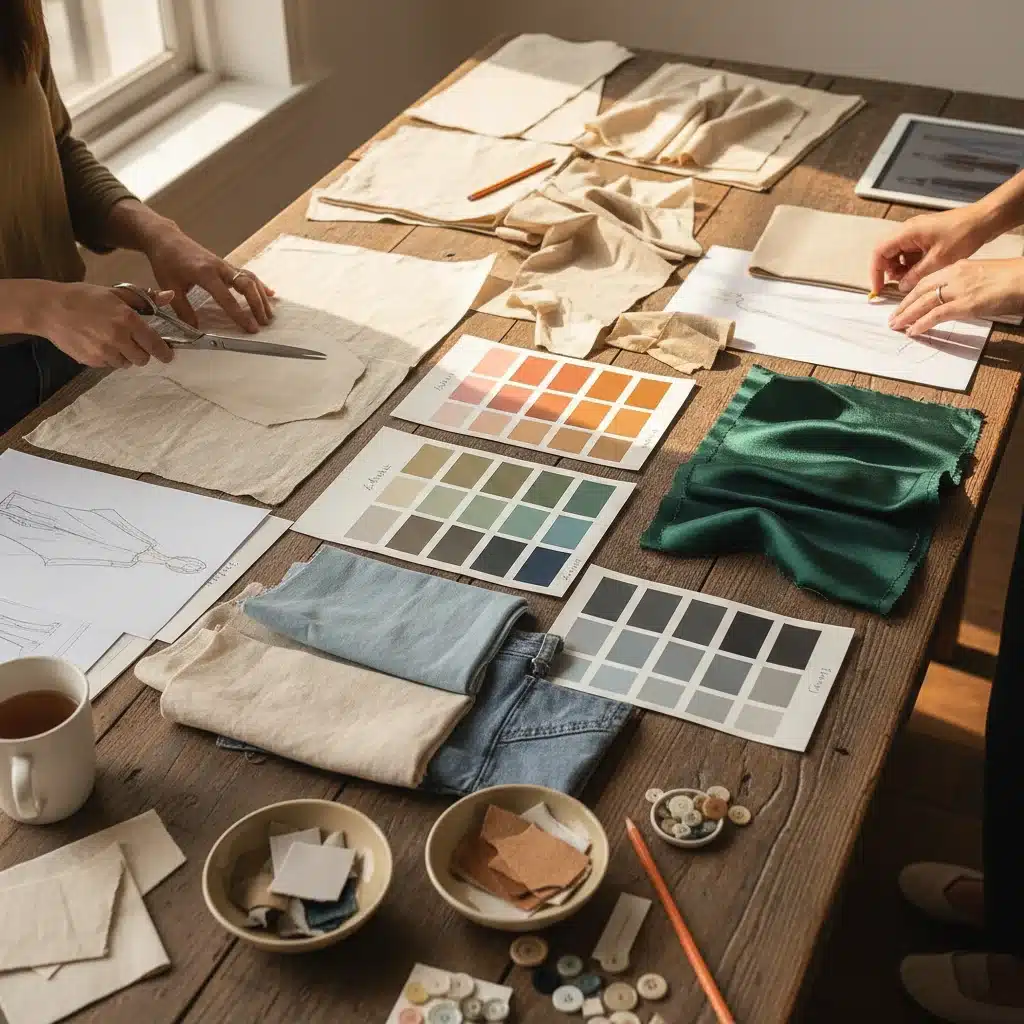
After extensive research, analyzing runway shows, digital presentations, and industry buzz, we’ve narrowed down our list to three emerging fashion designers who are not only creating exceptional work but are also embodying the spirit of innovation and consciousness that defines the future of fashion. These individuals represent diverse aesthetics and approaches, yet all share an unwavering commitment to originality and impact.
Designer 1: Anya Sharma – The Sculptural Innovator
Anya Sharma is a name that has been whispered with increasing frequency among fashion critics and insiders. Her designs are characterized by their architectural precision, sculptural silhouettes, and a masterful use of unconventional materials. Sharma’s background in industrial design is evident in her collections, which often feature garments that blur the lines between clothing and art installation. She challenges traditional notions of wearability, yet her pieces possess an undeniable elegance and strength that makes them highly coveted.
What sets Anya apart as one of the leading emerging fashion designers is her innovative approach to material science. She frequently collaborates with textile engineers to develop bespoke fabrics that are not only sustainable but also possess unique structural properties. Imagine dresses crafted from biodegradable polymers that mimic the sheen of metal, or coats woven from recycled carbon fibers that offer unparalleled lightness and warmth. Her commitment to pushing the boundaries of what textiles can do, combined with her visionary aesthetic, positions her as a true game-changer. Her collections often explore themes of human connection with technology and nature, translating complex ideas into wearable forms that are both thought-provoking and beautiful. Her future shows are anticipated to be immersive experiences, further cementing her status as an artist beyond fashion. Her meticulous attention to detail and unwavering pursuit of perfection in every stitch and seam ensures that each piece is a testament to high craftsmanship. Anya’s work is a testament to the idea that fashion can be both intellectually stimulating and profoundly appealing, making her a compelling figure among emerging fashion designers.
Designer 2: Kai Chen – The Cultural Storyteller
Kai Chen is an emerging fashion designer whose work is a vibrant celebration of cultural heritage and contemporary expression. Drawing heavily from his East Asian roots, Chen reinterprets traditional motifs, techniques, and philosophies through a modern lens. His collections are a rich tapestry of intricate embroidery, luxurious silks, and innovative cuts that honor the past while firmly looking towards the future. He is particularly renowned for his gender-fluid designs, which advocate for inclusivity and individual expression, resonating deeply with a generation that rejects rigid sartorial boundaries.
Chen’s commitment to ethical production and supporting artisan communities is another cornerstone of his brand. He works closely with craftspeople in various regions, ensuring fair wages and preserving traditional techniques that might otherwise be lost. This dedication to social responsibility, combined with his breathtaking aesthetic, makes him a powerful voice among emerging fashion designers. His pieces are not just garments; they are cultural artifacts, each telling a story of craftsmanship, identity, and global interconnectedness. In 2026, we expect Kai Chen to continue expanding his global footprint, bringing his unique blend of heritage and innovation to an even wider audience. His ability to fuse disparate elements into a harmonious whole is a rare talent, marking him as a designer of significant influence. The narratives woven into his garments speak volumes, making his brand a beacon for cultural appreciation and modern elegance. His designs evoke a sense of timelessness, demonstrating that tradition and innovation can coexist beautifully. Kai Chen’s approach offers a refreshing counter-narrative to fast fashion, emphasizing longevity, artistry, and cultural depth, distinguishing him as a crucial figure among emerging fashion designers.
Designer 3: Lena Petrova – The Sustainable Maximalist
Lena Petrova is challenging the notion that sustainable fashion must be minimalist or muted. Her brand is a riot of color, texture, and bold silhouettes, proving that environmental consciousness can coexist with exuberant maximalism. Petrova is a master of upcycling, transforming discarded fabrics, vintage garments, and industrial waste into breathtaking, one-of-a-kind pieces. Her designs often feature unexpected juxtapositions – a delicate lace dress adorned with rugged hardware, or a tailored jacket crafted from repurposed denim and embellished with hand-painted motifs.
As an emerging fashion designer, Lena’s strength lies in her ability to see potential where others see waste. Her creative process involves meticulous deconstruction and reconstruction, giving new life and narrative to forgotten materials. Each of her collections is a testament to her artistic vision and her unwavering belief in circular fashion. She not only creates beautiful clothing but also inspires a new way of thinking about consumption and creativity. In 2026, we anticipate Lena Petrova’s influence to grow significantly, inspiring both consumers and fellow designers to embrace a more playful, yet profoundly responsible, approach to fashion. Her work is a powerful statement against disposability, proving that true luxury can be found in ingenuity and conscious creation. Her fearless experimentation with form and function, combined with an ethical backbone, makes her a standout. Petrova’s designs are conversation starters, imbued with a vibrant energy that reflects her personality and mission. She epitomizes the idea that fashion can be both ethical and incredibly exciting, solidifying her position as a leading light among emerging fashion designers.
The Impact of Emerging Designers on Global Fashion Trends
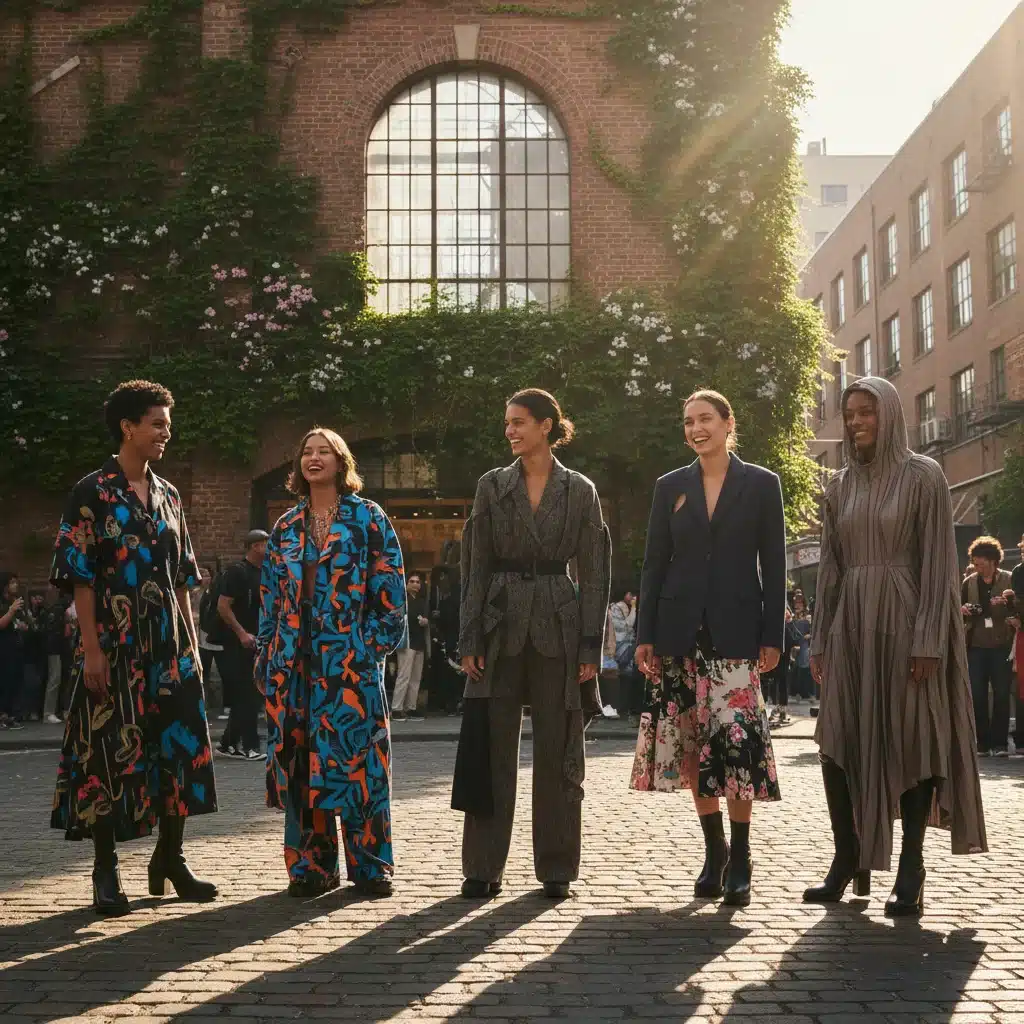
The influence of emerging fashion designers extends far beyond their individual brands. They are often the catalysts for new trends, introducing innovative concepts and challenging established aesthetics that eventually trickle down to mainstream fashion. Their fearless experimentation with silhouettes, materials, and cultural references often sets the stage for what becomes popular in subsequent seasons. For example, the increasing acceptance of gender-fluid clothing, the rise of artisanal craftsmanship, and the pervasive push for sustainability can all be traced back to the pioneering efforts of independent and emerging talents.
Moreover, these designers often foster a more inclusive and diverse fashion landscape. Unburdened by the legacy of traditional fashion houses, they are free to cast diverse models, celebrate different body types, and draw inspiration from a wider array of global cultures. This commitment to inclusivity not only enriches the aesthetic palette of fashion but also makes it more relatable and accessible to a broader audience. As these emerging fashion designers gain more prominence, their values and vision will undoubtedly shape the overarching narrative of global fashion, making it more representative and forward-thinking.
Beyond the Runway: Building Community and Conscious Consumption
Many emerging fashion designers are not just focused on creating collections; they are also building communities around their brands. Through engaging storytelling, behind-the-scenes glimpses, and direct interaction with their followers, they create a sense of connection and shared values. This approach fosters a loyal customer base that is invested not just in the product but also in the ethos of the brand. In an era of fast fashion and fleeting trends, this emphasis on community and conscious consumption is a powerful differentiator.
Furthermore, these designers often advocate for a slower, more thoughtful approach to fashion. They encourage consumers to invest in high-quality, durable pieces that tell a story, rather than constantly chasing disposable trends. This shift towards mindful purchasing aligns with broader societal trends towards sustainability and ethical living. By championing longevity, repair, and mindful consumption, emerging fashion designers are not only creating beautiful clothes but also contributing to a more responsible and sustainable future for the entire industry. Their impact is holistic, influencing not only what we wear but also how we think about and interact with our wardrobes.
The Future is Bright: Supporting the Next Generation
The journey of an emerging fashion designer is often fraught with challenges, from securing funding to navigating complex production processes and gaining media attention. Therefore, supporting these talents is crucial for the continued evolution and vitality of the fashion industry. As consumers, we can make a difference by choosing to invest in their unique creations, following their journeys on social media, and spreading the word about their innovative work. Industry professionals, from buyers to journalists and stylists, also play a vital role in nurturing and promoting these nascent brands.
Looking ahead to 2026, the landscape will undoubtedly be vibrant and diverse, shaped by the creative forces of these pioneering individuals. The designers we’ve highlighted – Anya Sharma, Kai Chen, and Lena Petrova – represent just a fraction of the incredible talent waiting to be discovered. Their work signals a future where fashion is more thoughtful, more sustainable, and more expressive than ever before. By keeping an eye on these emerging fashion designers, we not only gain a glimpse into the future of style but also contribute to building a more innovative and responsible fashion ecosystem. The excitement of discovering a new talent, watching their vision unfold, and witnessing their impact on the global stage is one of the most rewarding aspects of being a fashion enthusiast. The future of fashion is in their hands, and it looks incredibly promising.