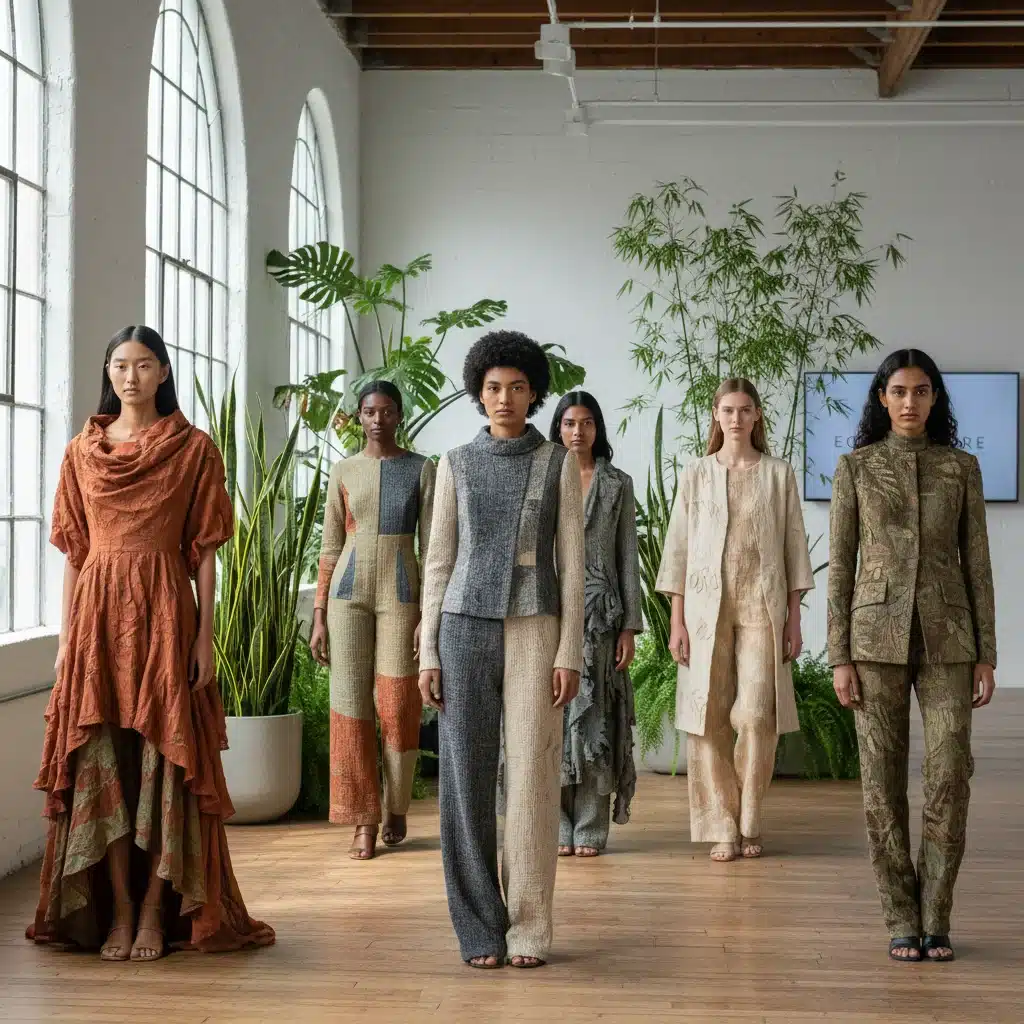
The Top 5 Sustainable Fabric Innovations Dominating US Fashion in 2026: An Insider’s Look at Eco-Chic Trends
The fashion industry, long criticized for its environmental footprint, is undergoing a profound transformation. As consumers become increasingly conscious of their purchasing choices, and regulatory pressures mount, the demand for sustainable practices and materials has never been higher. By 2026, the US fashion landscape is set to be redefined by a wave of sustainable fabric innovations that are not only eco-friendly but also push the boundaries of design, comfort, and performance. This isn’t just about reducing harm; it’s about pioneering a regenerative future for textiles.
From bio-engineered materials grown in labs to revolutionary recycling techniques that give new life to waste, these advancements are poised to become mainstream. This article delves into the top five sustainable fabric innovations that are capturing the imagination of designers, manufacturers, and consumers alike, offering an exclusive look at the materials that will shape our wardrobes and the planet’s future. Understanding these trends is crucial for anyone involved in or passionate about the fashion industry, as they represent a paradigm shift towards a more responsible and resilient ecosystem.
The Imperative for Sustainable Fabric Innovations in Fashion
Before we dive into the specifics, it’s essential to grasp why sustainable fabric innovations are not merely a passing trend but a critical necessity. The traditional textile industry is a significant contributor to global pollution, from excessive water consumption and chemical use in cultivation and dyeing to massive waste generation from fast fashion cycles. The production of conventional fabrics like cotton and polyester has devastating environmental consequences, including habitat destruction, water contamination, and greenhouse gas emissions. The rise of conscious consumerism, particularly among younger generations, has fueled a demand for transparency and ethical sourcing. Brands that fail to adapt risk losing market share and relevance in an increasingly eco-aware world.
Advertisements
Moreover, legislative bodies are beginning to implement stricter environmental regulations, pushing companies to adopt more sustainable practices. The European Union, for instance, has been at the forefront of developing policies aimed at reducing textile waste and promoting circularity. While the US market may have different regulatory landscapes, the global nature of fashion means that these pressures inevitably influence domestic operations. Therefore, investing in sustainable fabric innovations is not just good for the planet; it’s also a smart business strategy, offering competitive advantages, fostering brand loyalty, and future-proofing operations against evolving market demands and environmental challenges. The shift towards sustainability is a multifaceted response to a complex global problem, driven by both ethical considerations and economic imperatives.
1. Mycelium-Based Leathers: The Fungi Revolution
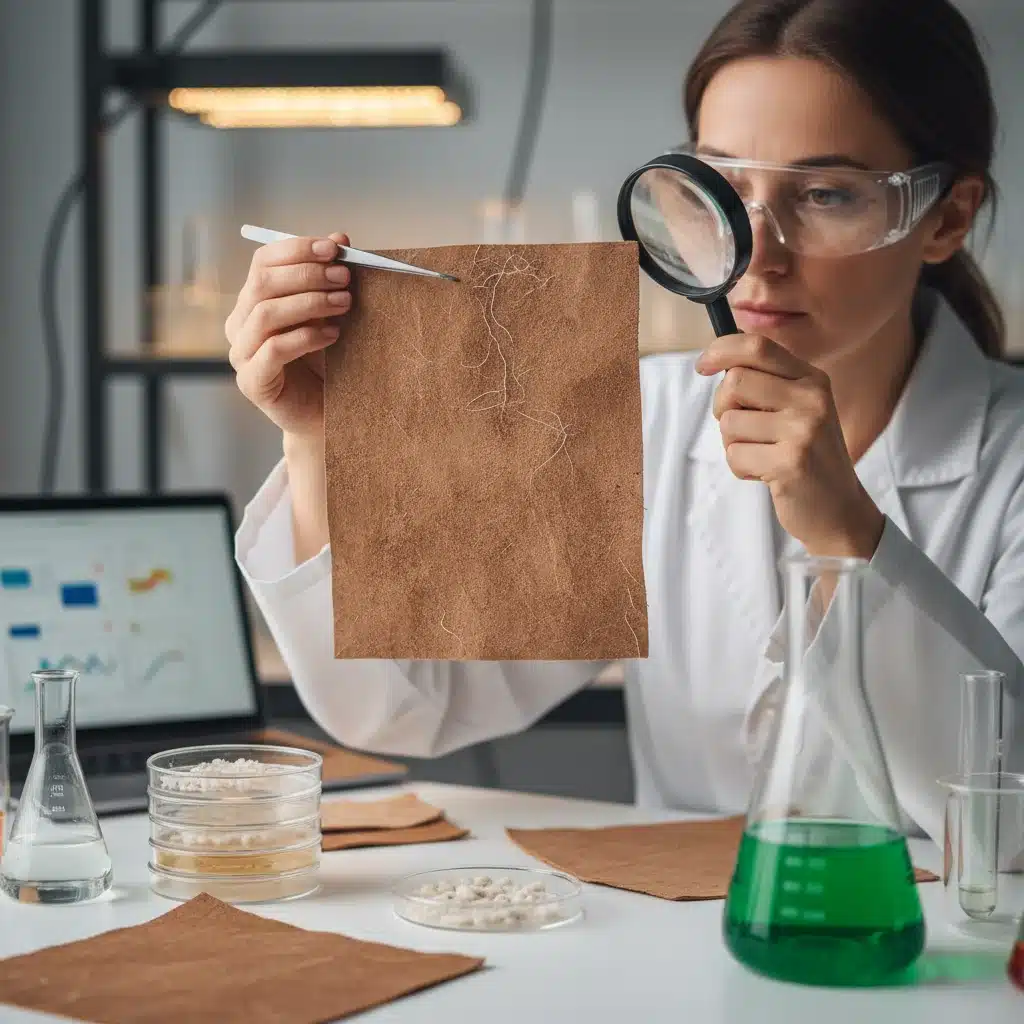
Perhaps one of the most exciting and rapidly developing areas in sustainable fabric innovations is mycelium-based leathers. Mycelium, the root structure of fungi, can be cultivated to create a material that remarkably mimics the look, feel, and durability of traditional animal leather. Unlike conventional leather production, which is resource-intensive and often involves harsh chemicals, mycelium leathers require significantly less water, land, and energy. They can be grown in controlled environments, often using agricultural waste as a feedstock, making the process highly circular and low-impact.
Companies like Bolt Threads with their Mylo™ material, and MycoWorks with Reishi™ are leading the charge, partnering with major fashion houses to bring these innovative alternatives to market. These bio-fabricated materials offer a scalable and ethical solution to the environmental and ethical concerns associated with animal agriculture. They are also biodegradable, addressing the end-of-life problem that synthetic leathers pose. By 2026, we anticipate seeing mycelium leathers not just in high-end designer collections but also in mainstream accessories, footwear, and even apparel, signaling a significant shift in consumer acceptance and availability of truly sustainable alternatives. The versatility and aesthetic appeal of these materials are paving the way for a fashion future where luxury and sustainability are not mutually exclusive.
2. Regenerative Cellulosic Fibers: Beyond Traditional Rayon
Cellulosic fibers, derived from plant pulp, have long been a staple in fashion. However, traditional rayon and viscose production often involves environmentally harmful processes, including deforestation and chemical-intensive manufacturing. The next generation of sustainable fabric innovations in this category focuses on regenerative cellulosic fibers. These materials are not only sourced from sustainably managed forests but are also processed using closed-loop systems that recover and reuse solvents, significantly reducing water pollution and chemical waste.
Lyocell (Tencel™ by Lenzing is a prime example) has already gained considerable traction due to its eco-friendly production process and excellent properties, including softness, breathability, and durability. However, newer innovations are pushing the boundaries further. Companies are exploring cellulose derived from agricultural waste products like cotton linters, hemp, and even citrus peels, transforming what would otherwise be waste into valuable textile resources. These advancements promise to deliver high-performance fabrics with a much lower environmental footprint, offering a truly circular approach to textile production. The focus on regenerative sourcing and closed-loop manufacturing makes these cellulosic fibers a cornerstone of future sustainable fashion, providing comfort and style without compromising the planet.
3. Advanced Recycled Materials: From Ocean Plastics to Textile Waste
Recycling is not new, but the sophistication and scale of advanced recycled materials are transforming the fashion industry. The focus has moved beyond simply repurposing plastic bottles into polyester. Today’s sustainable fabric innovations include high-quality textiles derived from ocean plastics, discarded fishing nets, and even post-consumer textile waste that was once considered unrecyclable. Technologies like chemical recycling are breaking down complex polymer blends into their molecular components, allowing for the creation of virgin-quality fibers from old garments, thus closing the loop on textile waste.
Brands are increasingly incorporating recycled nylon (ECONYL® is a notable example) and recycled polyester into their collections, offering consumers durable and stylish options that reduce reliance on virgin fossil fuels and divert waste from landfills and oceans. The challenge lies in scaling these technologies and establishing robust collection and sorting infrastructures. However, with significant investment and collaborative efforts across the supply chain, recycled materials are poised to become a dominant force in US fashion by 2026, offering a tangible solution to the industry’s waste problem. These advancements are critical for achieving a circular economy in fashion, where materials are kept in use for as long as possible.

4. Bio-Synthetics and Bio-Based Polymers: Engineering for Performance and Planet
While traditional synthetics like polyester and nylon are derived from fossil fuels, bio-synthetics and bio-based polymers offer a promising sustainable alternative. These materials are engineered from renewable biological resources such as corn starch, sugarcane, or castor beans. This shift reduces dependence on finite fossil fuels and can significantly lower greenhouse gas emissions during production. The beauty of bio-synthetics lies in their ability to mimic the performance characteristics of conventional synthetics – durability, stretch, water resistance – while being more environmentally friendly.
Innovations in this space include bio-based nylon, bio-based spandex, and even biodegradable polyesters like PHA (polyhydroxyalkanoates). While some bio-based materials are still in their nascent stages of development and scalability, the rapid advancements in biotechnology and material science suggest that they will play a crucial role in the future of sustainable fashion. By 2026, we expect to see more performance wear, activewear, and even everyday garments incorporating these advanced materials, offering consumers high-tech functionality with a clear conscience. The ongoing research and development in this field are focused on making these materials fully biodegradable or compostable at the end of their life cycle, further enhancing their environmental credentials and contributing to a truly circular economy.
5. Algae-Based Textiles and Dyes: Harnessing Marine Power
The ocean, often overlooked as a resource for textiles, is emerging as a powerful source of sustainable fabric innovations. Algae, a fast-growing and abundant organism, is being explored for both fiber production and natural dyes. Algae-based fibers offer a compelling alternative to conventional materials, requiring minimal land, freshwater, and no pesticides for cultivation. The process of extracting cellulose from algae for textile production is still relatively nascent but holds immense potential for scalability and environmental benefits.
Beyond fibers, algae are also revolutionizing the dyeing process. Traditional textile dyeing is notorious for its heavy water consumption and chemical pollution. Algae-based dyes offer a vibrant, non-toxic, and renewable alternative. Companies are developing methods to extract pigments from various types of algae to create a spectrum of colors, significantly reducing the environmental impact of textile coloration. By 2026, we anticipate seeing a growing number of brands experimenting with algae-derived materials and dyes, particularly in swimwear, activewear, and casual apparel, capitalizing on their natural properties and eco-friendly profile. This innovation represents a holistic approach to sustainability, leveraging natural biological processes to create fashion that is both beautiful and benign to the planet.
The Road Ahead: Challenges and Opportunities for Sustainable Fabric Innovations
While the future of fashion looks brighter with these sustainable fabric innovations, several challenges remain. Scalability is a significant hurdle; many of these cutting-edge materials are still produced in smaller quantities, making them more expensive than their conventional counterparts. Investment in research and development, coupled with government incentives and industry collaboration, will be crucial to bring these innovations to mass market. Consumer education is another vital component. While awareness of sustainable fashion is growing, many consumers are still unfamiliar with these new materials and their benefits. Brands have a responsibility to communicate the value proposition of these eco-friendly options clearly and effectively.
Furthermore, establishing robust supply chains for these novel materials requires significant infrastructure development and coordination across various sectors. From sourcing raw materials to manufacturing, distribution, and end-of-life solutions, every stage needs to be re-evaluated through a sustainability lens. However, the opportunities presented by these innovations far outweigh the challenges. They offer a pathway to a truly circular economy, where waste is minimized, resources are conserved, and the environmental impact of fashion is drastically reduced. Brands that embrace these changes will not only contribute to a healthier planet but also position themselves as leaders in a rapidly evolving market, appealing to a new generation of conscious consumers.
Conclusion: Shaping a Sustainable Wardrobe for 2026 and Beyond
The year 2026 promises to be a landmark period for sustainable fabric innovations in US fashion. From mycelium leathers offering ethical alternatives to animal products, to regenerative cellulosic fibers minimizing environmental harm, and advanced recycling technologies closing the loop on waste, the industry is on the cusp of a material revolution. Bio-synthetics are redefining performance with a conscience, while algae-based textiles and dyes are unlocking the untapped potential of marine resources.
These five innovations are not just about new materials; they represent a fundamental shift in how we conceive, produce, and consume fashion. They are driven by a growing awareness of environmental degradation, coupled with an insatiable human desire for creativity and progress. As these materials become more accessible and affordable, they will empower designers to create collections that are not only aesthetically captivating but also ethically sound and environmentally responsible. The journey towards a fully sustainable fashion industry is ongoing, but with these groundbreaking sustainable fabric innovations leading the way, the future of fashion looks not only chic but also green. It’s an exciting time to be part of an industry that is actively striving to heal the planet, one thread at a time.