The Rise of Bespoke Fashion US: Customization & Personalization in 2026
In an era defined by individuality and self-expression, the fashion industry is undergoing a profound transformation. Gone are the days when mass-produced apparel dominated wardrobes. Today, consumers crave unique pieces that reflect their personal style, values, and aspirations. This shift has propelled bespoke fashion US to the forefront, making customization and personalization not just a luxury, but an expectation. As we look towards 2026, several pioneering brands in the United States are setting new benchmarks, leveraging innovative technologies and artisanal craftsmanship to deliver unparalleled bespoke experiences. This article delves into the dynamic landscape of personalized fashion, highlighting the key players, their strategies, and the broader implications for the industry.
Understanding the Bespoke Fashion US Phenomenon
What exactly defines bespoke fashion US, and why is it experiencing such a resurgence? At its core, bespoke fashion refers to clothing or accessories made to an individual’s specific measurements and preferences. It’s a process that involves close collaboration between the designer and the client, resulting in a garment that is truly one-of-a-kind. While traditionally associated with high-end tailoring, the concept has expanded to encompass a wider range of products, from sneakers and handbags to jewelry and everyday wear.
The Driving Forces Behind Personalization
Several factors are fueling the demand for personalized and bespoke fashion. Firstly, the rise of social media and influencer culture has amplified the desire for unique personal branding. Everyone wants to stand out, and custom clothing offers an authentic way to express identity. Secondly, an increasing awareness of sustainability and ethical consumption has led consumers to seek out higher-quality, long-lasting items that align with their values. Bespoke pieces, often crafted with superior materials and attention to detail, inherently offer greater durability and a reduced environmental footprint compared to fast fashion.
Advertisements
Moreover, advancements in technology, including 3D scanning, AI-powered design tools, and efficient supply chain management, have made customization more accessible and scalable. Brands can now offer a wider array of personalized options without compromising on production efficiency or affordability. This technological integration is critical for the continued growth of bespoke fashion US.
The Economic Impact and Market Growth of Bespoke Fashion US
The market for personalized goods, including fashion, is experiencing robust growth. Reports indicate that the global personalized gifts market, which includes custom apparel, is projected to reach significant figures in the coming years, underscoring a broader consumer trend. In the US, the luxury segment, where bespoke fashion often resides, continues to thrive, driven by discerning consumers willing to invest in quality and exclusivity. This economic momentum provides a fertile ground for brands specializing in custom creations.
Challenges and Opportunities in the Bespoke Market
Despite its promise, the bespoke fashion market faces challenges. The intricate nature of customization can lead to longer production times and higher costs. Managing complex supply chains for unique materials and individual orders requires sophisticated logistics. However, these challenges also present opportunities for innovation. Brands that can streamline their bespoke processes, offer transparent pricing, and deliver exceptional customer service are poised to capture a significant share of the market.
For brands looking to enter or expand in the bespoke fashion US space, understanding consumer psychology is paramount. It’s not just about offering choices; it’s about guiding customers through the design process, making it an enjoyable and empowering experience. The emotional connection forged during the creation of a personalized item often translates into fierce brand loyalty.
4 Brands Leading the Bespoke Fashion Movement in the US for 2026
As we navigate towards 2026, several US-based brands are excelling in the realm of customization and personalization. They represent diverse segments of the fashion industry, from luxury apparel to everyday accessories, each demonstrating a unique approach to engaging consumers in the co-creation process.
1. The Custom Clothier: Redefining Tailoring
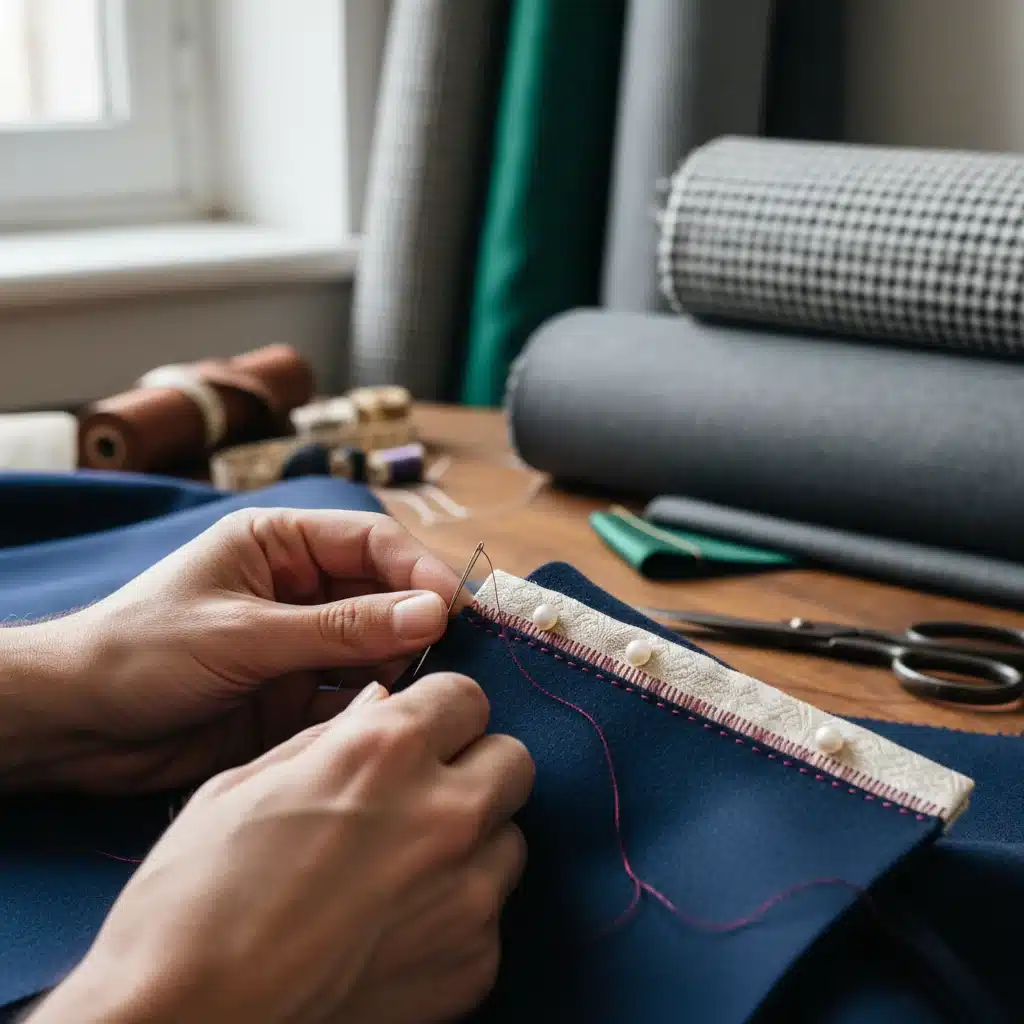
For decades, bespoke tailoring has been the epitome of personalized fashion. However, ‘The Custom Clothier’ (a hypothetical but representative brand) has taken this tradition into the 21st century. Leveraging advanced 3D body scanning technology, they create hyper-accurate digital profiles of their clients, ensuring a perfect fit every time. Their online platform allows customers to choose from an extensive range of fabrics, lapel styles, button types, and lining patterns, visualizing their custom suit or shirt in real-time before a single cut is made.
What sets ‘The Custom Clothier’ apart is their commitment to sustainable practices. They source organic and recycled fabrics, minimize waste through precise cutting algorithms, and offer repair services to extend the lifespan of their garments. Their personalized approach extends beyond fit and style; it encompasses a narrative of conscious consumption, resonating deeply with the modern consumer. The brand’s success is a testament to how traditional bespoke fashion US can evolve with technology and ethical considerations.
2. SneakerCraft: The Art of Personalized Footwear
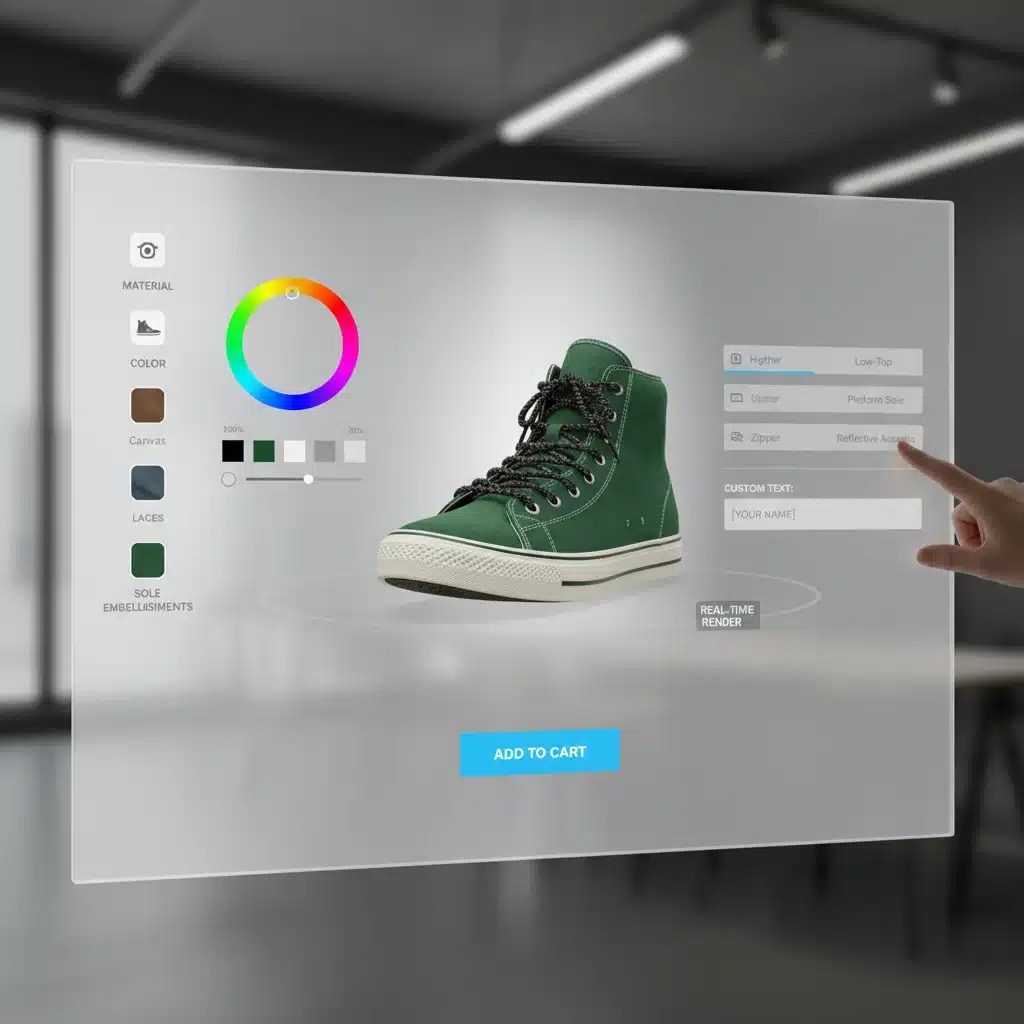
Sneakers have transcended their athletic origins to become a staple of contemporary fashion. ‘SneakerCraft’ has capitalized on this trend by offering an unparalleled level of customization for footwear. Their interactive online design studio allows customers to select every component of their shoe, from the sole and upper material to the laces, stitching color, and even personalized embroidery. The platform features an intuitive drag-and-drop interface and real-time 3D rendering, making the design process engaging and user-friendly.
‘SneakerCraft’ has also built a vibrant community around its brand, encouraging customers to share their designs on social media and participate in design challenges. This community-driven approach not only fosters brand loyalty but also provides valuable insights into emerging design preferences. Their focus on high-quality, durable materials ensures that each custom-designed pair is not only stylish but also built to last, reinforcing the value proposition of bespoke fashion US in the casual wear segment.
3. Adorned Atelier: Bespoke Jewelry for Every Story
Jewelry has always been deeply personal, often carrying sentimental value. ‘Adorned Atelier’ elevates this concept by offering a fully bespoke jewelry design experience. Clients can collaborate with expert jewelers to create engagement rings, wedding bands, or unique statement pieces from scratch. The process begins with a consultation, where clients share their vision, inspiration, and preferred materials.
Utilizing CAD software and 3D printing, ‘Adorned Atelier’ creates realistic prototypes, allowing clients to visualize and even try on their designs before the final piece is crafted. They specialize in ethically sourced gemstones and recycled precious metals, appealing to a clientele that values both beauty and responsible sourcing. Each piece tells a unique story, making ‘Adorned Atelier’ a leader in personalized luxury within the bespoke fashion US landscape, proving that customization is not limited to clothing.
4. Denim Dreams: Custom-Fit Jeans for the Modern Wardrobe
Finding the perfect pair of jeans can be a lifelong quest for many. ‘Denim Dreams’ aims to end this search by offering custom-fit and personalized denim. Through a combination of precise measurements (taken in-store or guided online), advanced algorithms, and customer preference inputs, they craft jeans that fit like a second skin. Customers can choose from various denim washes, weights, thread colors, hardware, and even pocket designs.
Beyond fit, ‘Denim Dreams’ allows for personalization through embroidery, patching, and distressing options, enabling customers to create a truly unique pair of jeans that reflects their individual style journey. Their commitment to quality manufacturing in the US and the use of premium, sustainable denim fabrics further enhance their appeal. ‘Denim Dreams’ exemplifies how a staple item can be transformed into a bespoke experience, making custom denim a significant part of the bespoke fashion US movement.
The Technological Edge: How Innovation Fuels Bespoke Fashion US
The evolution of bespoke fashion US would not be possible without the relentless march of technological innovation. From initial design to final production, technology is streamlining processes, enhancing precision, and making personalization more accessible than ever before.
Artificial Intelligence and Machine Learning in Design
AI and machine learning algorithms are revolutionizing how brands understand and cater to individual preferences. By analyzing vast datasets of customer choices, body measurements, and fashion trends, AI can predict optimal designs, suggest complementary elements, and even generate unique patterns. This not only speeds up the design process but also helps brands offer more relevant and appealing customization options.
3D Printing and Advanced Manufacturing
3D printing is no longer a niche technology; it’s becoming an integral part of bespoke production. For jewelry, footwear components, and even certain apparel details, 3D printing allows for rapid prototyping and the creation of complex geometries that would be difficult or impossible with traditional methods. This technology significantly reduces lead times and allows for intricate, one-off designs, crucial for bespoke fashion US.
Augmented Reality (AR) and Virtual Try-On
The ability to virtually try on custom garments or accessories before they are made is a game-changer for customer confidence and satisfaction. AR applications allow users to see how a personalized item would look on them, adjust colors, and experiment with different styles from the comfort of their home. This immersive experience minimizes returns and enhances the overall bespoke journey, making it more interactive and less risky for the consumer.
Blockchain for Transparency and Authenticity
As customization grows, so does the need for authenticity and supply chain transparency. Blockchain technology can provide an immutable record of a garment’s journey, from the sourcing of raw materials to its final creation. This is particularly valuable for luxury bespoke items, assuring customers of the origin and ethical production of their unique pieces. For the discerning consumer of bespoke fashion US, this level of transparency builds trust and reinforces brand value.
The Future Outlook: What to Expect from Bespoke Fashion US Beyond 2026
The trajectory of bespoke fashion US points towards an even more integrated and immersive future. We can anticipate several key developments that will further entrench personalization as a cornerstone of the industry.
Hyper-Personalization and Predictive Design
Beyond simply offering choices, future bespoke experiences will likely involve hyper-personalization powered by predictive analytics. Imagine clothing that not only fits perfectly but also adapts to your mood, activity level, or even local weather conditions, based on data collected from wearables and other smart devices. AI will play an even greater role in suggesting designs that align with a customer’s evolving aesthetic, almost anticipating their next style preference.
Circular Bespoke Models
Sustainability will continue to be a major driver. We might see the emergence of ‘circular bespoke’ models, where garments are designed for disassembly, repair, and eventual recycling or upcycling into new custom pieces. This closed-loop system would further reduce waste and extend the lifecycle of bespoke items, aligning perfectly with the values of conscious consumers.
Democratization of Bespoke
While traditionally a luxury, technological advancements and innovative business models could make bespoke fashion more accessible to a wider demographic. Modular design systems, efficient micro-factories, and localized production could reduce costs, bringing personalized fashion within reach of more consumers without compromising on quality or uniqueness. This democratization could significantly expand the market for bespoke fashion US.
Experiential Retail and Co-Creation Spaces
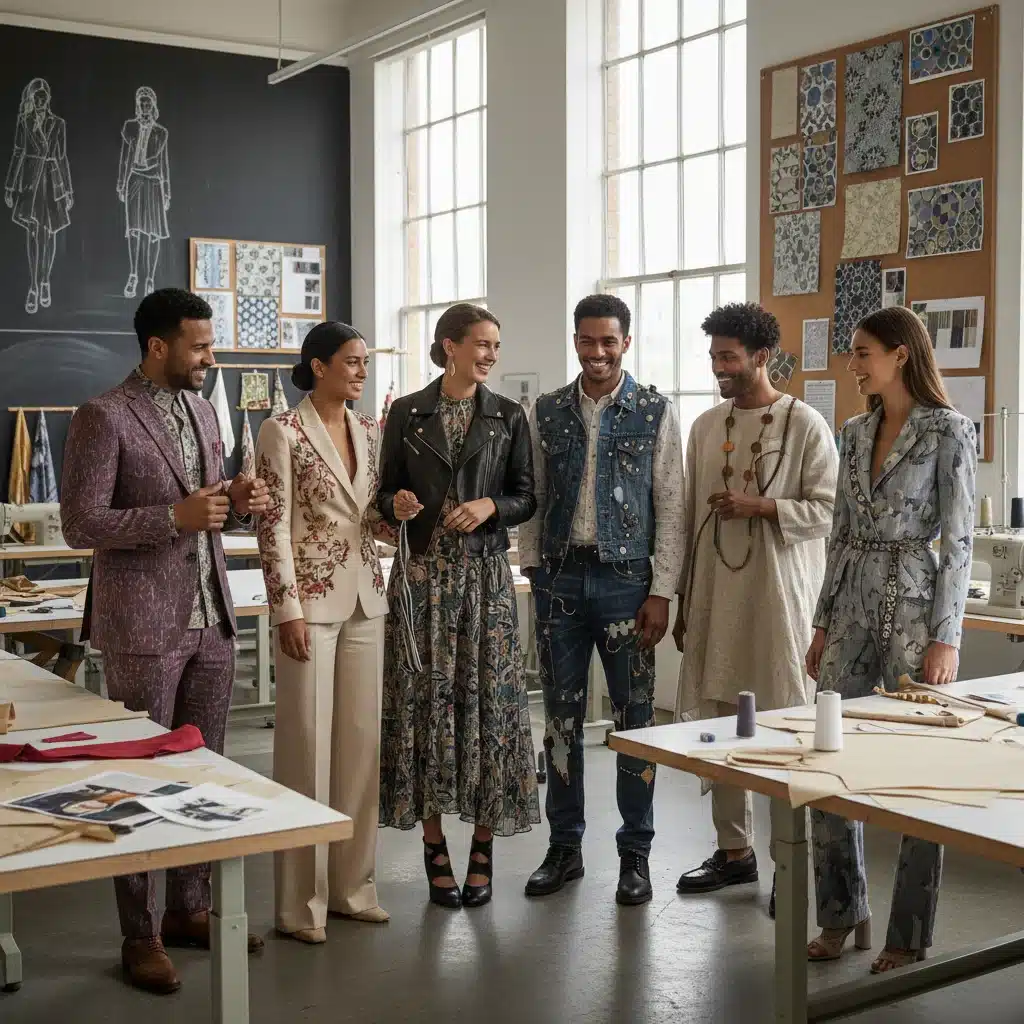
Physical retail spaces will transform into experiential hubs where customers can actively participate in the design process. These co-creation spaces might feature 3D body scanners, material libraries, design workshops, and even on-site artisans, offering a highly engaging and educational experience. The act of designing a custom piece will become as much a part of the purchase as the item itself.
Conclusion: The Enduring Appeal of Bespoke Fashion US
The movement towards customization and personalization in the US fashion industry is not a fleeting trend but a fundamental shift in consumer expectations and brand strategies. The brands highlighted – ‘The Custom Clothier’, ‘SneakerCraft’, ‘Adorned Atelier’, and ‘Denim Dreams’ – are just a few examples of the innovative spirit driving bespoke fashion US forward. They demonstrate that by embracing technology, championing sustainability, and prioritizing the individual, brands can forge deeper connections with their customers and create products that truly resonate.
As we move towards 2026 and beyond, the bespoke fashion landscape will continue to evolve, offering consumers unprecedented opportunities to express their unique identities through their clothing and accessories. This is more than just fashion; it’s about empowerment, sustainability, and the celebration of individual style in a world that increasingly values authenticity. The future of fashion is personal, and the US is at the forefront of this exciting revolution.