Decoding Consumer Behavior Shifts: How 15% of Shoppers Are Redefining Fashion in 2026
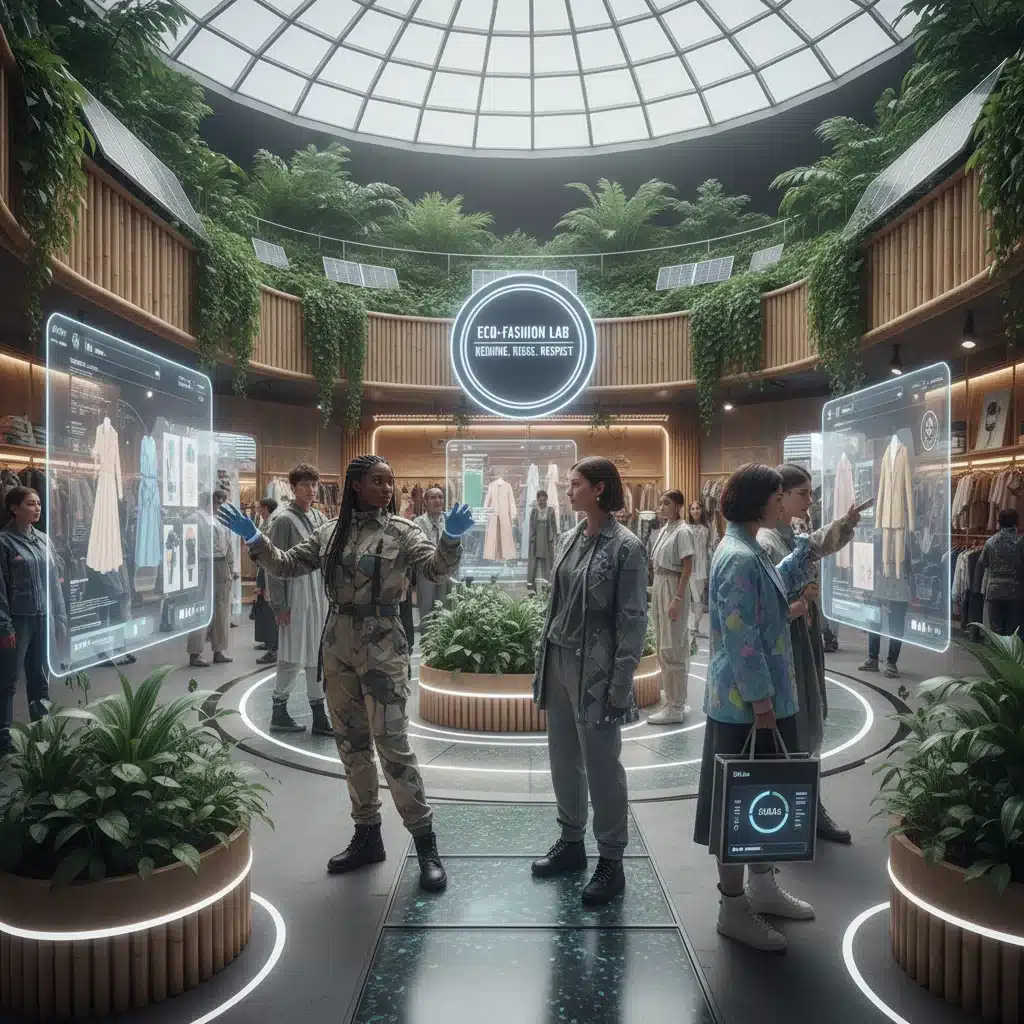
The fashion industry, a perpetual kaleidoscope of trends and transformations, stands at the precipice of another significant evolution. As we hurtle towards 2026, a distinct segment of consumers is emerging as the primary catalyst for change. This influential group, representing approximately 15% of the global shopper base, is not merely adapting to existing trends; they are actively shaping the future of fashion through their evolving preferences, values, and purchasing habits. Understanding these profound consumer behavior shifts is not just advantageous for brands; it is an absolute imperative for survival and growth.
For decades, fashion operated on a relatively predictable cycle: designers dictated, brands produced, and consumers followed. However, the advent of digital technology, coupled with a heightened global consciousness, has inverted this paradigm. Today, consumers, particularly this avant-garde 15%, wield unprecedented power. They are demanding more than just aesthetically pleasing garments; they seek authenticity, transparency, sustainability, and a personalized experience that resonates with their individual identities and values. This article delves deep into these pivotal consumer behavior shifts, exploring how this influential minority is setting the agenda for the fashion industry in the coming years.
The Rise of the Conscious Consumer: Sustainability as a Non-Negotiable
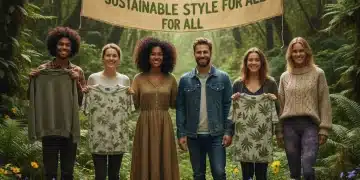
Perhaps the most significant of the current consumer behavior shifts is the unwavering commitment to sustainability. While discussions around ethical production and environmental impact have been ongoing for years, they have now transcended niche conversations to become mainstream expectations. The 15% of shoppers leading this charge are not just interested in sustainable options; they demand them. For them, a brand’s environmental footprint and social responsibility are as crucial as design and price.
Advertisements
This demographic scrutinizes supply chains, questions material sourcing, and actively seeks out brands committed to circularity, fair labor practices, and reduced waste. Fast fashion, once the darling of the industry, is increasingly viewed with skepticism, if not outright disdain. These consumers are willing to invest more in durable, high-quality pieces that last longer, reducing their overall consumption and environmental impact. They prioritize timelessness over fleeting trends, and ethical production over mass-produced anonymity.
Brands that fail to integrate genuine sustainability practices into their core operations risk alienating this powerful segment. Greenwashing, or the deceptive marketing of environmentally friendly practices, is quickly exposed by these informed shoppers, leading to significant reputational damage. Transparency, therefore, becomes a cornerstone of brand-consumer relationships. Sharing detailed information about manufacturing processes, material origins, and labor conditions is no longer optional; it’s a prerequisite for earning the trust and loyalty of this discerning 15%.
Digital Natives and the Metaverse: Blurring Realities in Fashion
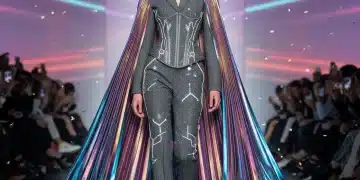
Another profound aspect of the evolving consumer behavior shifts is the complete immersion of these trendsetters in the digital realm. This 15% largely comprises digital natives and early adopters who are comfortable navigating virtual worlds, augmented reality (AR) experiences, and non-fungible tokens (NFTs). For them, fashion extends beyond the physical wardrobe into their digital identities.
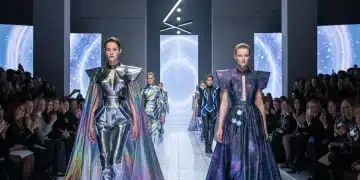
The metaverse, once a futuristic concept, is now a burgeoning marketplace for digital fashion. Consumers are purchasing virtual outfits for their avatars, attending virtual fashion shows, and experimenting with AR filters that allow them to ‘try on’ clothes digitally. This isn’t just a gimmick; it’s a fundamental shift in how they perceive and interact with fashion. Digital garments offer a creative outlet, a means of self-expression without the environmental impact of physical production, and an opportunity to engage with brands in novel, interactive ways.
Brands that embrace digital fashion, from creating NFT collections to developing immersive AR shopping experiences, are positioning themselves at the forefront of this revolution. The ability to seamlessly blend physical and digital offerings, creating a holistic brand experience across multiple realities, will be a key differentiator. These consumers expect a frictionless transition between their online and offline lives, and their fashion choices reflect this integrated existence.
The Quest for Authenticity and Personalization
In a world saturated with choices, the influential 15% of shoppers are seeking authenticity and personalization above all else. They are wary of mass-market trends and generic offerings. Instead, they crave unique pieces that reflect their individuality and stories that resonate with their personal values. This is one of the most critical consumer behavior shifts to grasp.
Personalization goes beyond merely adding a monogram to a product. It encompasses tailored recommendations based on individual style preferences, body types, and even ethical considerations. It involves co-creation opportunities, where consumers can have a say in the design process, making them feel more connected to the brand and the product. Brands that can deliver highly individualized experiences, from custom-made garments to curated collections, will capture the attention and loyalty of this segment.
Authenticity, on the other hand, relates to a brand’s narrative and its genuine commitment to its stated values. These consumers are adept at sniffing out inauthenticity. They prefer brands with transparent storytelling, real human connections, and a clear purpose beyond profit. Micro-influencers and peer recommendations often hold more sway than traditional celebrity endorsements, precisely because they are perceived as more authentic and relatable.
From Ownership to Access: The Rise of Rental and Resale
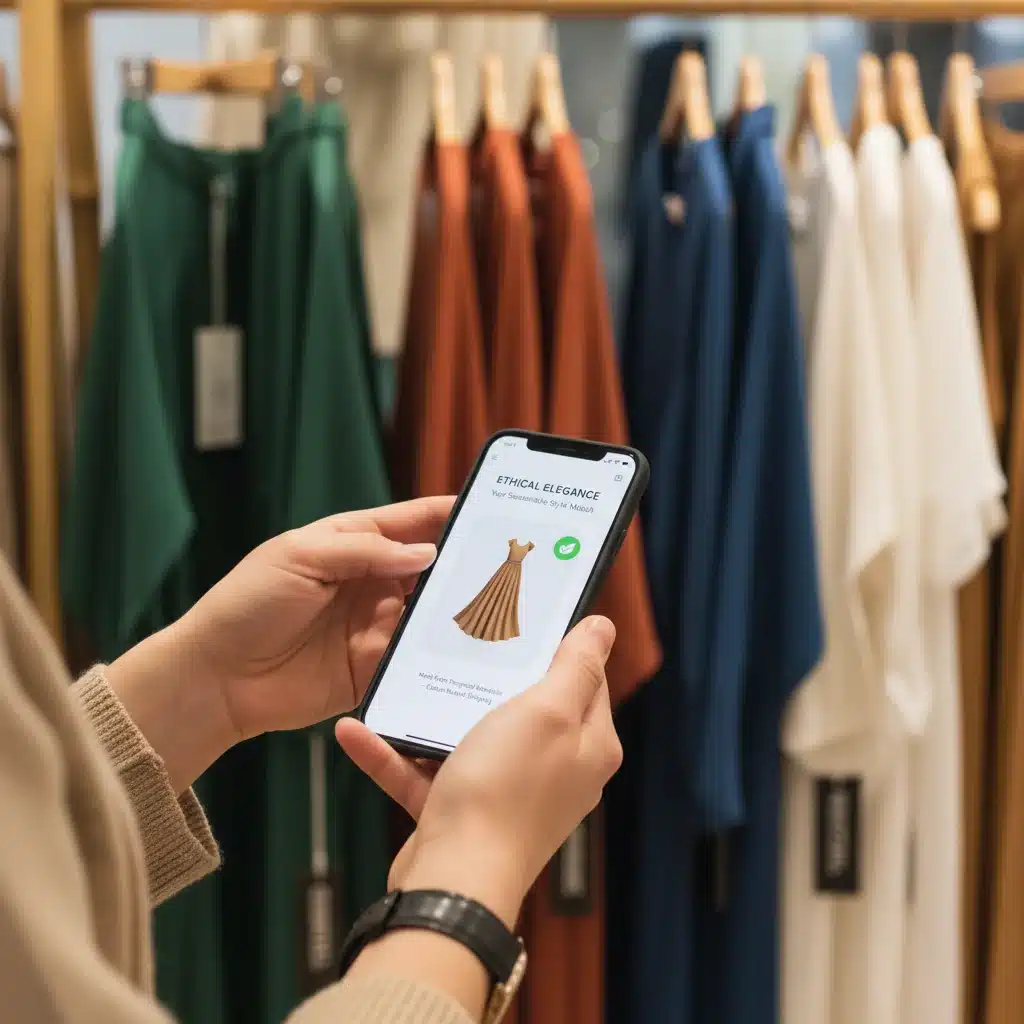
The traditional model of fashion consumption, centered on ownership, is being challenged by a significant consumer behavior shift towards access. The 15% of shoppers redefining fashion are increasingly embracing rental and resale platforms as viable, and often preferred, alternatives to outright purchase. This shift is driven by a combination of factors: sustainability concerns, a desire for novelty without commitment, and economic pragmatism.
Rental services allow consumers to wear high-end or trendy pieces for specific occasions without the financial burden or environmental impact of buying new. Resale markets, fueled by platforms for pre-owned luxury and vintage items, offer a sustainable way to refresh wardrobes and extend the lifecycle of garments. This circular economy model appeals strongly to consumers who are conscious of waste and resource depletion.
For brands, this presents both a challenge and an opportunity. Instead of solely focusing on selling new items, they must explore strategies to participate in the rental and resale ecosystem. This could involve launching their own rental services, partnering with established resale platforms, or designing products with durability and timelessness in mind to increase their value in the secondary market. Brands that ignore this shift risk being left behind as consumers increasingly opt for more flexible and sustainable consumption models.
Community and Co-creation: Beyond Transactional Relationships
The influential 15% of shoppers view their relationship with fashion brands as more than purely transactional. They seek community, engagement, and opportunities for co-creation. This represents a fundamental consumer behavior shift from passive consumption to active participation.
Social media platforms are not just for marketing; they are spaces for dialogue, feedback, and community building. These consumers want to feel heard and valued. They participate in online polls, offer suggestions for new products, and share their style inspirations with fellow brand enthusiasts. Brands that foster vibrant online communities, engaging with their audience in authentic and responsive ways, will cultivate deeper loyalty.
Co-creation takes this a step further, inviting consumers to actively contribute to the design process. This could involve voting on fabric choices, submitting design ideas, or even collaborating on limited-edition collections. By involving consumers in the creative journey, brands not only tap into a rich source of innovation but also forge stronger emotional connections. This sense of ownership and shared purpose is incredibly powerful in building brand advocacy.
The Experience Economy: Fashion as Immersive Engagement
In line with the desire for authenticity and community, these leading consumers are prioritizing experiences over mere products. This consumer behavior shift means that fashion is no longer just about what you buy, but the entire journey and story behind it. Retail environments are transforming from simple points of sale into immersive brand experiences.
Flagship stores are becoming experiential hubs, offering workshops, events, customization services, and opportunities to interact with brand representatives. Pop-up shops provide unique, temporary experiences that generate buzz and exclusivity. Even online, brands are leveraging virtual events, interactive content, and personalized styling sessions to create a more engaging and memorable experience.
The narrative around a product, its craftsmanship, its ethical journey, and the values it represents, are all part of the experience. Consumers are willing to pay a premium for experiences that enrich their lives, educate them, or connect them to a larger purpose. Fashion brands must think beyond selling clothes and instead focus on selling a lifestyle, a philosophy, and a memorable interaction at every touchpoint.
Data-Driven Personalization and AI: The Future of Tailored Fashion
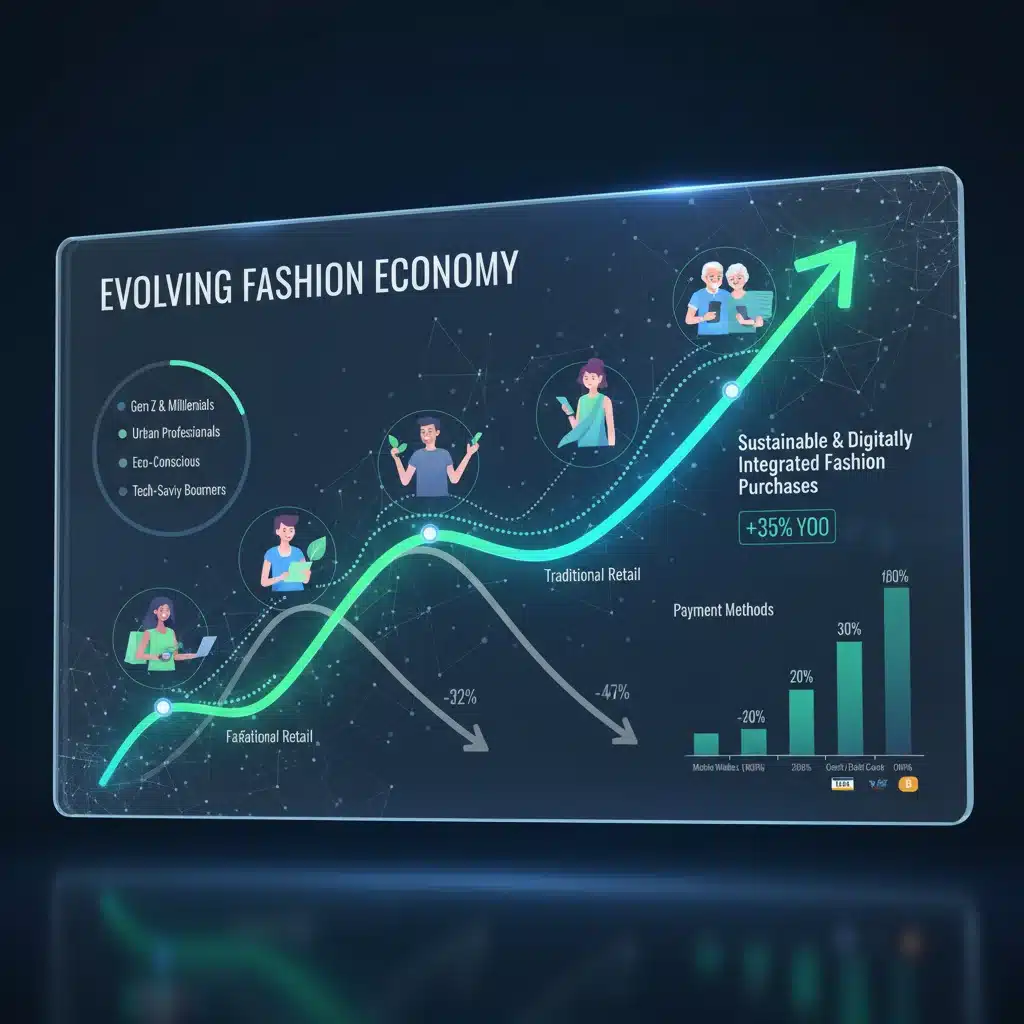
Underpinning many of these consumer behavior shifts is the increasing role of data and artificial intelligence (AI). The influential 15% of shoppers expect hyper-personalization, and AI is the key to delivering it at scale. From intelligent recommendation engines to AI-powered virtual stylists, technology is enabling brands to understand individual preferences with unprecedented precision.
AI can analyze purchasing history, browsing behavior, social media interactions, and even biometric data (with consent) to offer truly tailored product suggestions. It can help optimize inventory, predict trends, and even assist in sustainable design by identifying popular materials and minimizing waste. The challenge for brands lies in leveraging this data ethically and transparently, ensuring consumer privacy while still delivering highly relevant experiences.
The future of fashion will see AI not just as a back-end tool, but as an an integral part of the customer-facing experience. Imagine AI-powered chatbots that offer instant styling advice, or virtual fitting rooms that use AI to accurately simulate how garments will look and fit. These technologies will empower consumers with more informed choices and a more efficient, enjoyable shopping journey.
The Impact on Brand Strategy and Retail Models
These profound consumer behavior shifts necessitate a fundamental re-evaluation of brand strategies and retail models. Brands can no longer afford to be reactive; they must be proactive, anticipating the needs and values of this leading 15% to maintain relevance and drive innovation.
- Agile Supply Chains: The demand for transparency and sustainability requires brands to build more agile, ethical, and localized supply chains.
- Hybrid Retail: The blending of physical and digital experiences mandates a hybrid retail approach, where online and offline channels are seamlessly integrated.
- Value-Driven Marketing: Marketing messages must move beyond product features to communicate brand values, purpose, and impact.
- Innovation in Materials: Investment in sustainable materials, upcycling technologies, and circular design principles is crucial.
- Community Engagement: Brands must actively foster communities, encourage user-generated content, and facilitate co-creation.
- Data Ethics: A strong emphasis on data privacy and ethical AI usage will build trust with increasingly savvy consumers.
The traditional retail calendar, with its rigid seasonal collections, may also need to adapt to the fluid, on-demand preferences of these consumers. Drop culture, limited-edition collaborations, and direct-to-consumer models offer greater flexibility and responsiveness to evolving tastes.
Conclusion: Navigating the Future of Fashion with Foresight
The 15% of shoppers who are currently redefining fashion are more than just a demographic segment; they are a powerful force driving the entire industry towards a more sustainable, digital, personalized, and experiential future. Their collective consumer behavior shifts are not fleeting trends but foundational changes that will shape how fashion is designed, produced, marketed, and consumed for decades to come.
For brands and retailers, the message is clear: listen intently, innovate boldly, and adapt swiftly. Embrace sustainability not as a marketing ploy, but as a core business principle. Dive into the digital realm, exploring the metaverse and AI as new frontiers for creativity and connection. Prioritize authenticity, foster community, and deliver experiences that resonate deeply with individual values.
The fashion landscape of 2026 will be characterized by brands that have successfully navigated these complex consumer behavior shifts, transforming challenges into opportunities. Those that fail to acknowledge and respond to these profound changes risk becoming relics of a bygone era. The future of fashion is being written by these discerning consumers, and brands have a unique opportunity to co-author its most exciting chapters.