Mindful Shopping Habits: Your 3-Month Guide to Sustainable Fashion in the U.S.
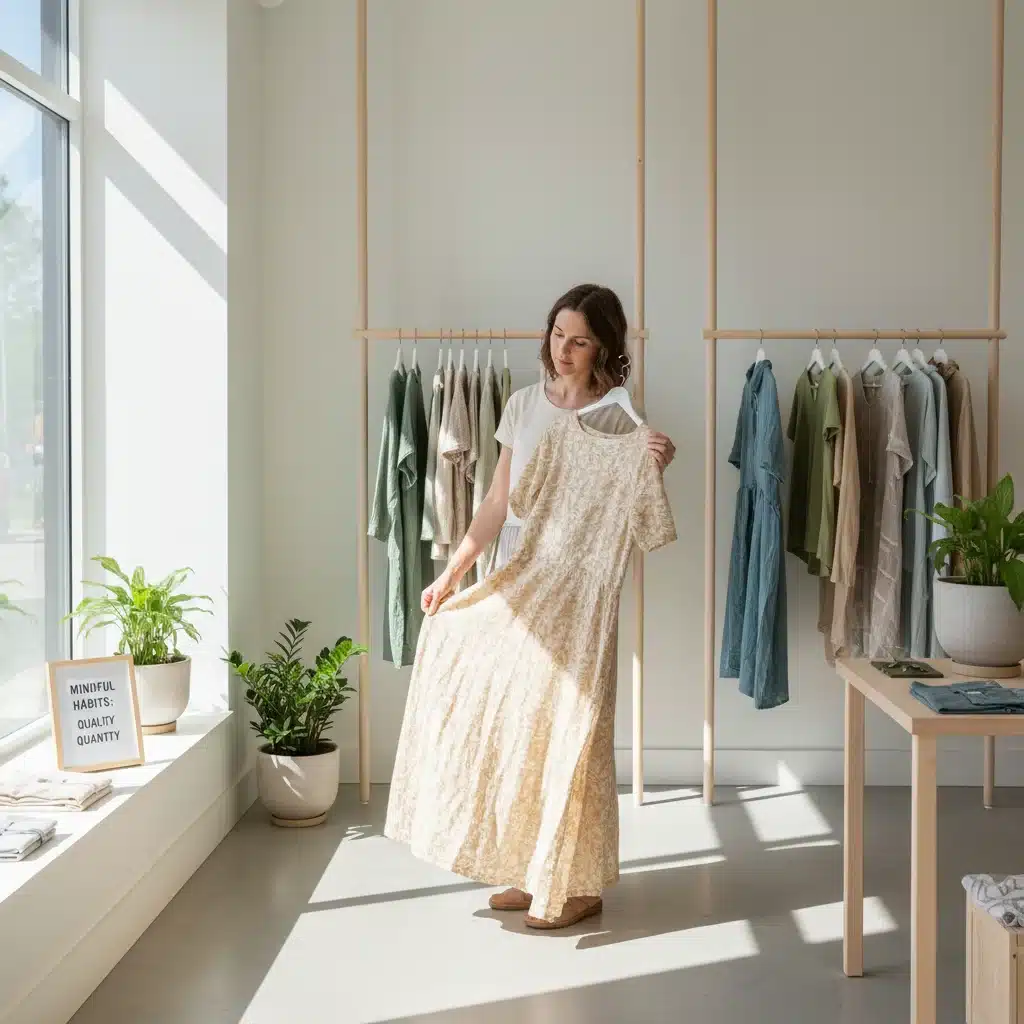
In an age dominated by instant gratification and endless choices, the fashion industry has become a symbol of both innovation and excess. Fast fashion, characterized by its rapid production cycles, trend-driven designs, and incredibly low prices, has reshaped how we consume clothing. While it offers accessibility and variety, its environmental and social costs are staggering, pushing us towards a critical need for more mindful shopping habits. This comprehensive guide is designed for individuals in the U.S. who are ready to break free from the fast fashion cycle and cultivate truly sustainable and ethical consumption patterns over a transformative three-month period.
The journey to adopting mindful shopping habits isn’t just about what you buy; it’s about understanding the ‘why’ behind your purchases, appreciating the craftsmanship, and recognizing the true value of your wardrobe. It’s a commitment to a lifestyle that values longevity, quality, and ethical production over fleeting trends and disposable items. Over the next 90 days, we’ll delve deep into strategies, resources, and reflections that will empower you to make informed decisions, build a sustainable wardrobe, and contribute positively to a more responsible fashion ecosystem.
The Pervasive Impact of Fast Fashion: Why Mindful Shopping Habits Matter Now More Than Ever
Before we embark on our three-month transformation, it’s crucial to grasp the full scope of fast fashion’s impact. Understanding the problem is the first, vital step towards embracing mindful shopping habits. The statistics are sobering: the fashion industry is responsible for 10% of global carbon emissions, more than international flights and maritime shipping combined. Textile dyeing is the second-largest polluter of water globally, and approximately 85% of textiles go to landfills each year, with much of it being synthetic fibers that can take hundreds of years to decompose.
Beyond the environmental devastation, fast fashion often relies on exploitative labor practices. Garment workers, predominantly women in developing countries, often work long hours in unsafe conditions for meager wages, far below a living wage. This human cost is frequently hidden behind the glossy advertisements and tempting price tags. The sheer volume of clothing produced and discarded also fuels a culture of disposability, where garments are seen as temporary, leading to a constant desire for newness rather than appreciation for what we already own.
Adopting mindful shopping habits isn’t just a personal choice; it’s a powerful act of resistance against this unsustainable system. It’s about choosing to support brands that prioritize ethical labor, sustainable materials, and transparent supply chains. It’s about recognizing that every purchase has a ripple effect, and by making conscious decisions, we can collectively push the industry towards more responsible practices. This shift is not about deprivation but about enrichment – investing in pieces that bring joy, last longer, and align with our values.
Month 1: Awareness and Assessment – Laying the Foundation for Mindful Shopping Habits
The first month of your journey is dedicated to introspection and understanding your current relationship with fashion. This foundational phase is essential for developing sustainable mindful shopping habits.
Week 1: Digital Detox and Wardrobe Inventory
Step 1: Unfollow Fast Fashion Influencers and Brands. Begin by curating your digital environment. Unfollow social media accounts that promote excessive consumption or fast fashion brands. Replace them with accounts focused on sustainable fashion, ethical brands, capsule wardrobes, and slow living. This reduces external pressure and allows you to think more clearly about your personal style and needs.
Step 2: The Wardrobe Audit. This is perhaps the most crucial step. Dedicate a significant chunk of time to go through every single item in your closet, drawers, and even under your bed. Ask yourself these questions for each item:
- When was the last time I wore this? (Be honest: if it’s been over a year, it’s a strong candidate for removal.)
- Does it fit me well? Is it comfortable?
- Does it align with my current style and lifestyle?
- Is it in good condition? Can it be repaired?
- Do I genuinely love this item? Does it make me feel good when I wear it?
Categorize your clothing into four piles: Keep, Repair, Donate/Sell, and Discard (only if truly beyond repair/recycling). Be ruthless but realistic. The goal is not to have an empty closet, but one filled with items you truly value and wear. This process helps you visualize your consumption patterns and identify redundancies, paving the way for better mindful shopping habits.
Step 3: Identify Your Style DNA. As you audit your wardrobe, pay attention to the items you love and wear frequently. What colors, fabrics, silhouettes, and styles consistently appear? This exercise helps you define your core aesthetic, making future purchases more intentional and less susceptible to fleeting trends. Understanding your true style is a cornerstone of developing effective mindful shopping habits.
Week 2: Research and Education
Step 1: Dive into Sustainable Fashion Resources. Spend time learning about sustainable materials (e.g., organic cotton, linen, hemp, Tencel, recycled polyester), ethical certifications (e.g., Fair Trade, GOTS), and the true cost of clothing. Websites like Good On You, Fashion Revolution, and The True Cost documentary are excellent starting points. Educating yourself is empowering and strengthens your resolve to adopt mindful shopping habits.
Step 2: Understand Fabric Lifecycles. Learn about the environmental impact of different fabrics. For instance, conventional cotton is resource-intensive, while synthetic fibers like polyester contribute to microplastic pollution. Understanding these nuances will guide your choices when you eventually start shopping again, fostering more mindful shopping habits.
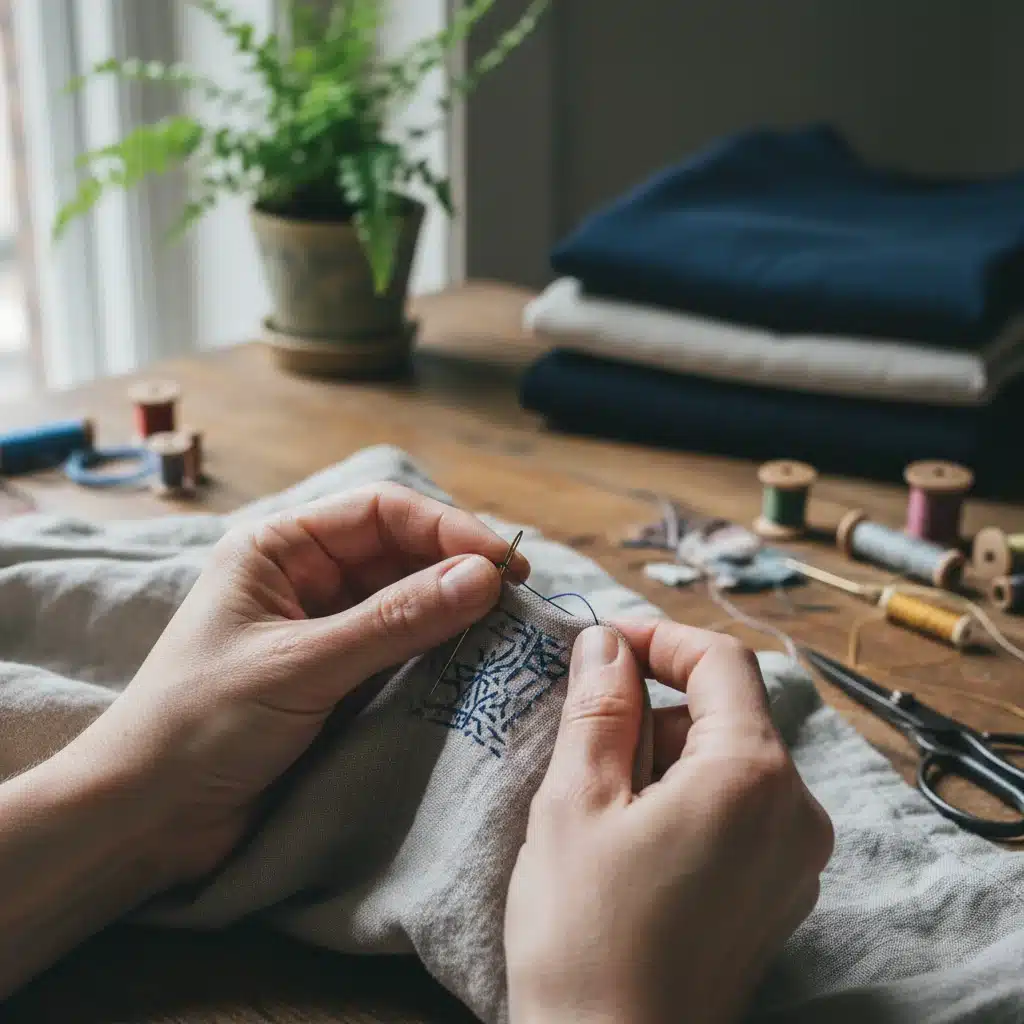
Step 3: Explore Repair and Upcycling Tutorials. Look up basic mending skills – sewing on a button, patching a small tear, or hemming pants. YouTube and craft blogs are fantastic resources. The ability to repair extends the life of your clothes and reduces the need for new purchases, a key component of mindful shopping habits.
Week 3: Budgeting and Needs Assessment
Step 1: Implement a Spending Freeze. For this week (and ideally extending into next month), commit to not buying any new clothing. This pause allows you to appreciate what you already have and breaks the impulse-buying cycle. It’s a crucial step in reprogramming your brain for mindful shopping habits.
Step 2: Create a ‘Needs-Based’ Wishlist. Based on your wardrobe audit, identify genuine gaps in your wardrobe. Do you actually need a new pair of black trousers, or do you just *want* one? Focus on versatile, high-quality basics that will complement your existing wardrobe. Prioritize items that can be worn in multiple ways and across different seasons. This wishlist will be your guide for future mindful shopping habits.
Step 3: Allocate a Sustainable Fashion Budget. If you typically spend X amount on fast fashion each month, consider reallocating that budget towards fewer, higher-quality, ethically produced items. This mental shift helps you see value in investment pieces rather than quantity. Financial planning is an integral part of developing robust mindful shopping habits.
Week 4: Embracing Your Current Wardrobe
Step 1: Experiment with Styling. Challenge yourself to create new outfits using only the clothes you decided to keep. Mix and match items you wouldn’t normally pair together. Look for inspiration from capsule wardrobe blogs or Pinterest. This practice helps you maximize your current wardrobe and reduces the perceived need for new items, reinforcing mindful shopping habits.
Step 2: Care for Your Clothes. Learn proper washing, drying, and storage techniques for different fabrics. Proper care significantly extends the lifespan of your garments. This seemingly small habit is a powerful aspect of sustainable living and mindful shopping habits.
Step 3: Reflect and Journal. Take time to reflect on your progress. What have you learned about your shopping triggers? What emotions arise when you resist buying new clothes? Journaling can provide valuable insights into your relationship with consumption and solidify your commitment to mindful shopping habits.
Month 2: Conscious Consumption – Redefining Your Shopping Experience
Having laid the groundwork in Month 1, Month 2 is about putting your newfound knowledge into practice. This is where you actively start to redefine your mindful shopping habits.
Week 5: Exploring Secondhand and Vintage
Step 1: Discover Local Thrift Stores and Consignment Shops. Begin exploring the treasure troves of pre-loved fashion. Thrift stores, consignment shops, and vintage boutiques offer unique, often high-quality items at a fraction of the retail price. This is a fantastic way to acquire new-to-you pieces without contributing to new production, a cornerstone of mindful shopping habits.
Step 2: Utilize Online Secondhand Platforms. Websites and apps like ThredUp, Poshmark, Depop, and The RealReal make it easy to buy and sell used clothing. You can even search for specific brands or styles. This expands your options significantly while adhering to mindful shopping habits principles.
Step 3: Learn to Spot Quality. When shopping secondhand, inspect items carefully for damage, fabric composition, and construction. Look for natural fibers and well-made seams. Developing an eye for quality will serve you well in all aspects of your mindful shopping habits.
Week 6: Supporting Ethical and Sustainable Brands
Step 1: Research and Vet Brands. If you absolutely need to buy something new that you can’t find secondhand, dedicate time to researching ethical and sustainable brands. Look for transparency in their supply chain, use of eco-friendly materials, fair labor certifications, and commitment to circularity. Websites like Good On You can be invaluable here. This meticulous research is central to developing truly mindful shopping habits.
Step 2: Understand Certifications. Familiarize yourself with labels like GOTS (Global Organic Textile Standard), Fair Trade Certified, B Corp, Oeko-Tex, and Bluesign. These certifications indicate that a brand meets specific environmental and social standards, guiding your mindful shopping habits.
Step 3: Prioritize Quality Over Quantity. Remember your budget reallocation from Month 1. Instead of buying multiple cheap items, invest in one high-quality, ethically produced piece that will last for years. This shift is fundamental to sustainable and mindful shopping habits.
Week 7: The ’30 Wears’ Test and Intentional Purchases
Step 1: Adopt the ’30 Wears’ Rule. Before buying any new item (even secondhand or from an ethical brand), ask yourself: ‘Will I wear this at least 30 times?’ If the answer isn’t a resounding yes, reconsider the purchase. This simple rule encourages intentionality and helps prevent impulse buys, fostering stronger mindful shopping habits.
Step 2: Practice Mindful Waiting. If you see something you like, don’t buy it immediately. Wait 24-48 hours. Often, the initial urge fades, and you realize you don’t truly need it. This pause is a powerful tool for developing mindful shopping habits.
Step 3: Reflect on Your ‘Why.’ Before making a purchase, take a moment to reflect on your motivation. Are you buying out of genuine need, or is it boredom, peer pressure, or an attempt to fill an emotional void? Addressing these underlying triggers is crucial for long-term mindful shopping habits.
Week 8: Exploring Alternatives to Buying New
Step 1: Organize a Clothing Swap. Host or join a clothing swap with friends or community members. This is a fun and free way to refresh your wardrobe without buying anything new, perfectly aligning with mindful shopping habits.
Step 2: Rent or Borrow for Special Occasions. For formal events or costumes, consider renting outfits instead of buying something you’ll only wear once. Services like Rent the Runway offer stylish options. This reduces waste and is a smart aspect of mindful shopping habits.
Step 3: Learn Basic Alterations. Sometimes, a garment just needs a small tweak to become perfect. Learning to hem, take in seams, or add a dart can transform ill-fitting items into beloved pieces, extending their life and supporting mindful shopping habits.
Month 3: Sustaining the Shift – Long-Term Mindful Shopping Habits
By Month 3, you should feel a significant shift in your approach to fashion. This final month focuses on cementing these changes and integrating mindful shopping habits into your lifestyle permanently.
Week 9: Embracing a Capsule Wardrobe Philosophy
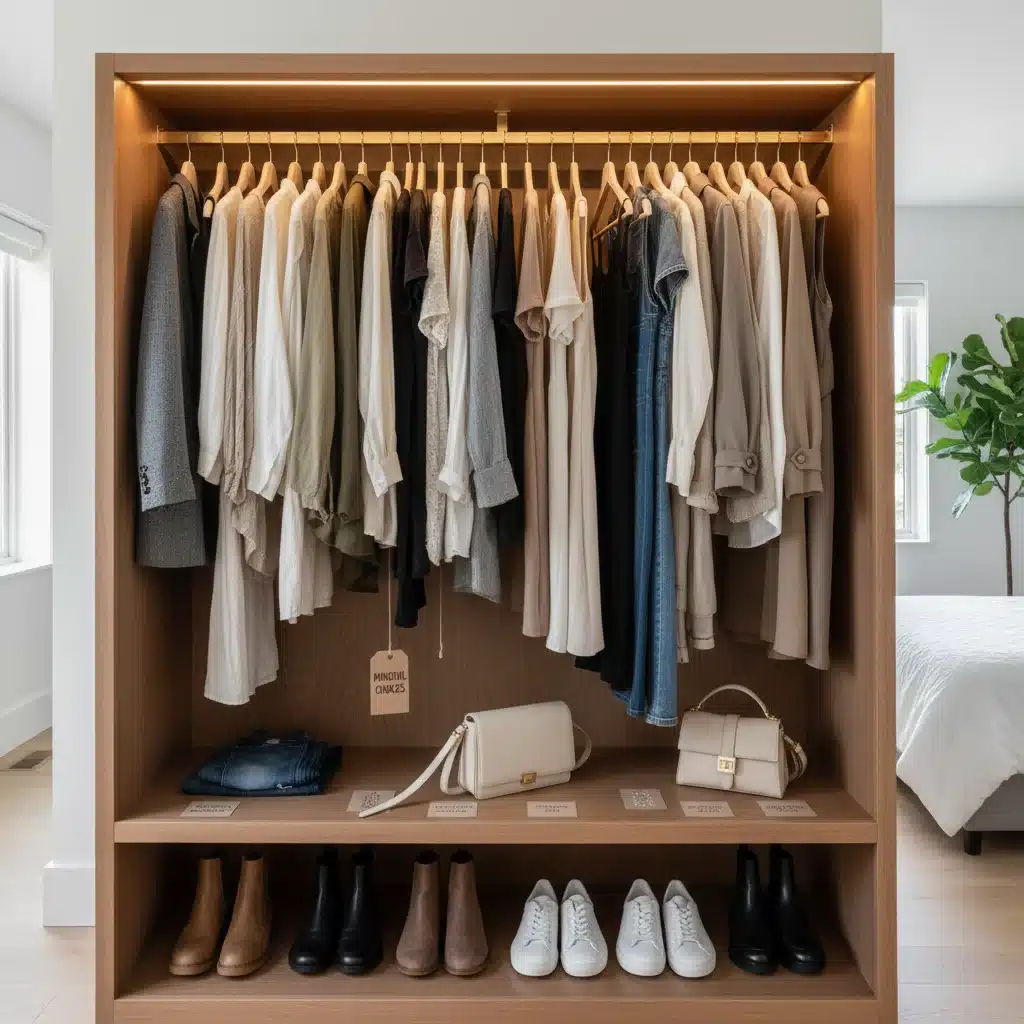
Step 1: Curate Your Capsule Wardrobe. Based on your style DNA and needs assessment, begin consciously building a capsule wardrobe. This involves selecting a limited number of versatile, high-quality pieces that can be mixed and matched to create numerous outfits. The goal is functionality, longevity, and personal expression, all hallmarks of mindful shopping habits.
Step 2: Focus on Versatility. When considering new additions, prioritize items that can transition seamlessly between different occasions, seasons, and style aesthetics. Think about how each new piece integrates with at least three other items in your existing wardrobe. This strategic approach is key to maintaining mindful shopping habits.
Step 3: Develop a Personal Uniform (Optional). Many proponents of mindful consumption adopt a ‘personal uniform’ – a go-to combination of items that simplifies dressing and reduces decision fatigue. This doesn’t mean wearing the exact same thing every day, but rather having a few trusted silhouettes and color palettes that you know work for you. This streamlines your choices and reinforces mindful shopping habits.
Week 10: Repair, Repurpose, and Recycle
Step 1: Prioritize Repair. Make repair your first instinct when an item gets damaged. Whether it’s a simple mend you do yourself or taking it to a professional tailor, extending the life of your clothes is paramount to mindful shopping habits.
Step 2: Get Creative with Repurposing. Before discarding an item, consider if it can be repurposed. An old t-shirt can become a cleaning rag, denim can be turned into shorts or patches, and even fabric scraps can be used for crafts. This reduces waste significantly, aligning with mindful shopping habits.
Step 3: Understand Textile Recycling. For items truly beyond repair or repurposing, research local textile recycling options. Many cities and brands offer textile take-back programs to ensure materials are recycled rather than sent to landfills. Proper disposal is the final step in responsible and mindful shopping habits.
Week 11: Advocating and Inspiring Change
Step 1: Share Your Journey. Talk to friends and family about your transition to mindful shopping habits. Share your insights, challenges, and successes. Your personal journey can inspire others to re-evaluate their own consumption patterns.
Step 2: Support Ethical Brands Actively. When you find a brand that truly aligns with your values, support them not just with your purchases but also by sharing their story, leaving reviews, and engaging with them on social media. Your advocacy helps grow the sustainable fashion movement, reinforcing mindful shopping habits.
Step 3: Stay Informed. The sustainable fashion landscape is constantly evolving. Continue to read articles, follow ethical fashion advocates, and stay informed about new innovations and challenges in the industry. Continuous learning is vital for maintaining effective mindful shopping habits.
Week 12: Reflection and Future Planning
Step 1: Review Your Progress. Look back at your initial wardrobe audit and compare it to your current closet. Acknowledge how far you’ve come. Celebrate your successes in developing mindful shopping habits.
Step 2: Set New Goals. What further steps can you take? Perhaps challenge yourself to a year without buying any new clothing, or commit to only buying secondhand for specific categories. Continuous improvement is key to lasting mindful shopping habits.
Step 3: Embrace Imperfection. This journey is not about perfection, but about progress. There will be times you might slip up, and that’s okay. The goal is to consistently strive for more mindful shopping habits, learning from every experience.
Beyond Three Months: A Lifetime of Mindful Shopping Habits
The three-month program is merely the beginning of a lifelong commitment to mindful shopping habits. By now, you should have developed a deeper appreciation for your clothes, a clearer understanding of your personal style, and a strong ethical compass guiding your purchasing decisions. This isn’t just about fashion; it’s about conscious living, reducing your environmental footprint, and contributing to a more just and sustainable world.
Remember that every mindful choice you make, no matter how small, sends a powerful message to the industry. As consumers, we have immense power to drive change. By consistently embracing mindful shopping habits, you become an agent of that change, inspiring others and fostering a future where fashion is synonymous with ethics, sustainability, and genuine value. Your wardrobe is more than just clothes; it’s a reflection of your values, and with mindful shopping habits, it can become a powerful statement for a better world.