AI in Fashion: Shaping Style and Trends in 2026
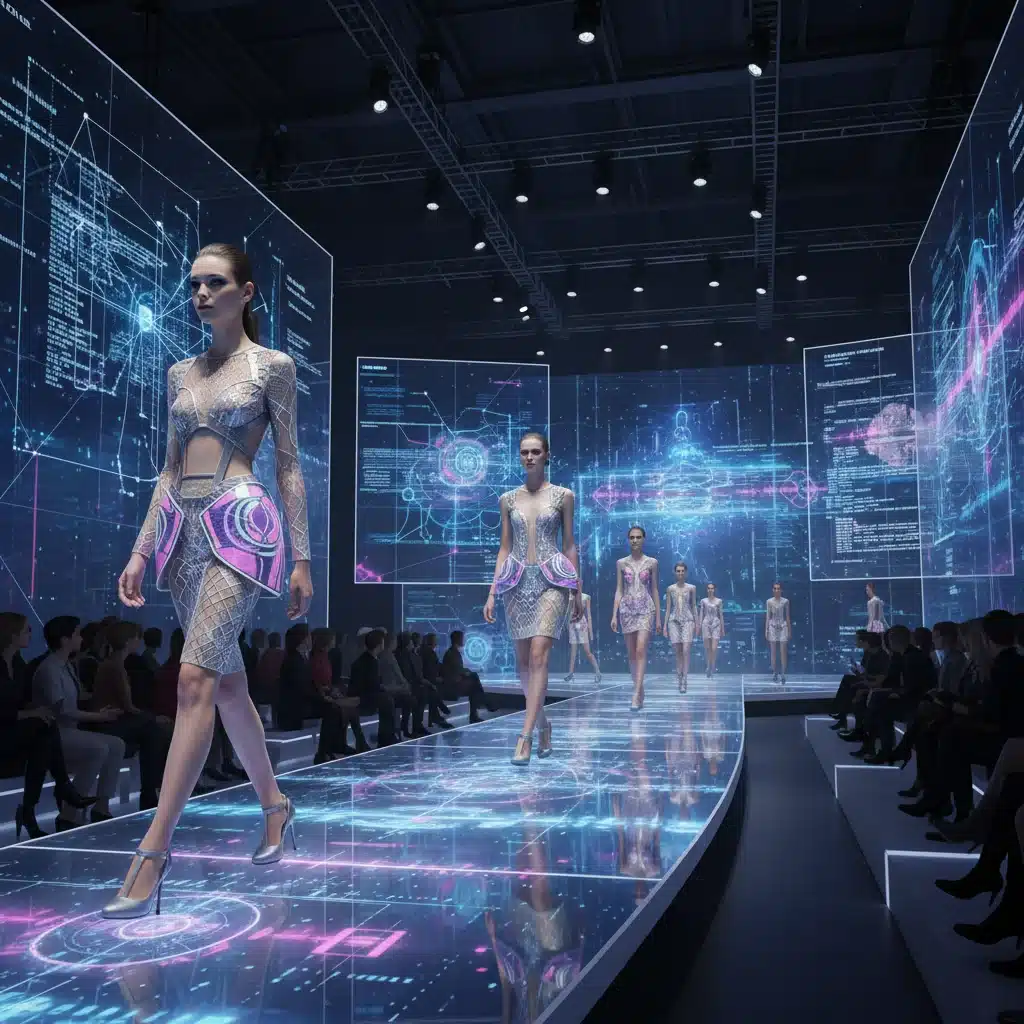
The year is 2026, and the fashion industry, once considered a bastion of human creativity and intuition, is now irrevocably intertwined with the power of artificial intelligence. From the initial spark of design inspiration to the final garment landing in a consumer’s hands, AI Fashion Trends are not just a passing fad; they are the new normal. This technological revolution is reshaping every facet of style, offering unprecedented opportunities for innovation, efficiency, and personalization. But what does this truly mean for designers, manufacturers, retailers, and ultimately, the consumer? Let’s delve into the major developments that are defining AI’s role in fashion today and what we can expect as this exciting journey continues.
The Dawn of Algorithmic Design: Where Creativity Meets Code
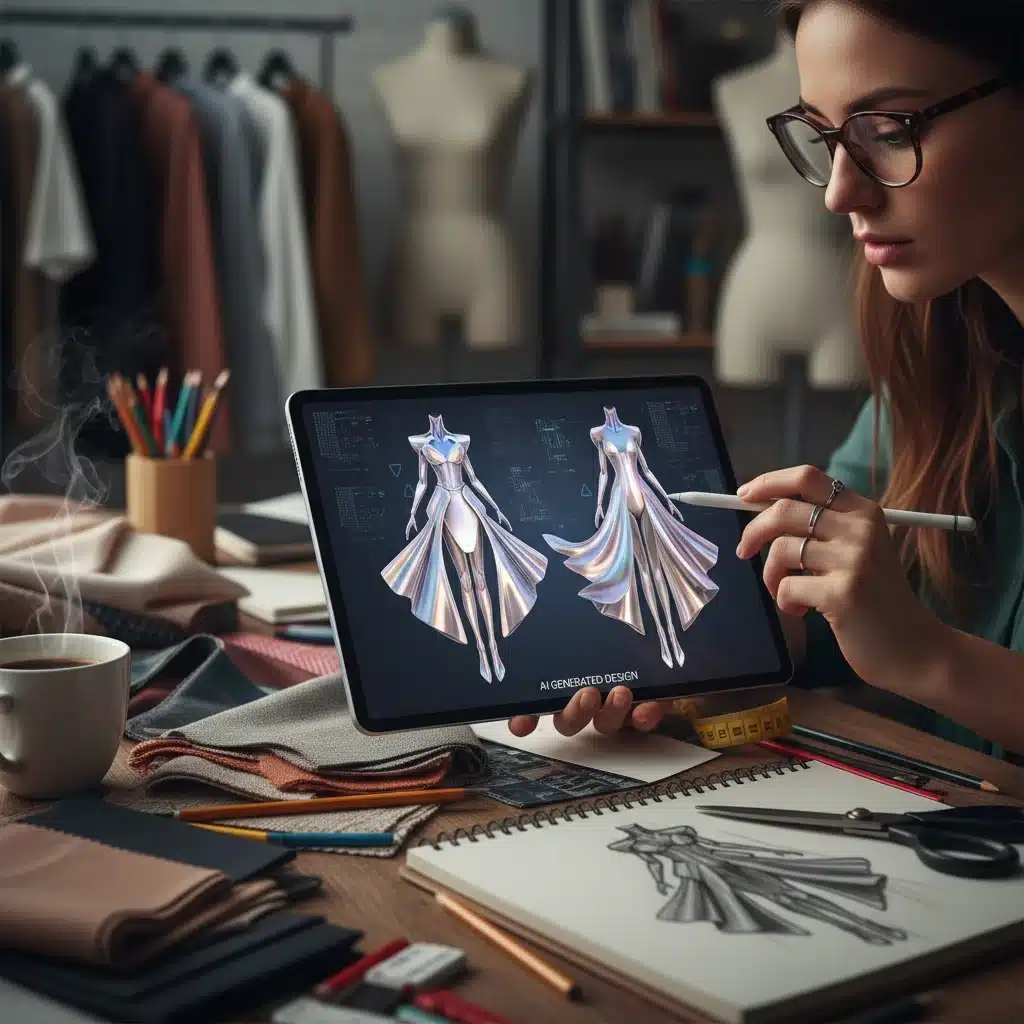
One of the most profound impacts of AI on the fashion world is in the realm of design itself. Gone are the days when design was solely a human endeavor. In 2026, AI algorithms are acting as powerful co-creators, capable of generating novel patterns, silhouettes, and even entire collections. These intelligent systems analyze vast datasets of historical trends, current popular styles, cultural influences, and even real-time social media sentiment to predict what consumers will want next. This predictive capability allows designers to be more proactive and less reactive, reducing the risk of creating unpopular collections and minimizing waste.
For instance, sophisticated generative adversarial networks (GANs) can produce an infinite array of unique prints and fabric textures that would take human designers countless hours to conceive. Imagine an AI that can learn the aesthetic principles of a renowned designer and then generate new pieces in their signature style, yet with a fresh, contemporary twist. This isn’t science fiction; it’s the reality of 2026. Designers are no longer just sketching; they are curating and refining AI-generated concepts, using AI as an extension of their own creative vision. This collaborative approach leads to a fascinating blend of human artistry and algorithmic precision, pushing the boundaries of what’s aesthetically possible.
Advertisements
Furthermore, AI is democratizing design. Smaller brands and independent designers can now access tools that were once the exclusive domain of large fashion houses. With AI-powered software, they can experiment with complex designs, visualize them in 3D, and even simulate how different fabrics will drape and move, all before a single stitch is sewn. This reduces prototyping costs and accelerates the design cycle, making the industry more agile and responsive to rapid shifts in AI Fashion Trends.
Smart Manufacturing and Supply Chain Optimization
Beyond the design studio, AI is revolutionizing the notoriously complex and often inefficient fashion supply chain. In 2026, AI-driven analytics are providing unparalleled insights into every stage, from raw material sourcing to production and distribution. Predictive analytics, for example, are used to forecast demand with remarkable accuracy, allowing brands to optimize inventory levels, reduce overproduction, and minimize costly markdowns. This is a game-changer for sustainability, as less waste means a smaller environmental footprint.
Automation in manufacturing, powered by AI and robotics, is also becoming more prevalent. Smart factories are equipped with AI-driven machines that can perform intricate tasks, from cutting fabric with minimal waste to assembling garments with precision. These systems can monitor quality in real-time, identify defects, and even self-correct, leading to higher quality products and reduced human error. The integration of AI in manufacturing also allows for greater flexibility, enabling brands to produce smaller, more customized batches of clothing quickly, responding to micro-trends and individual consumer preferences.
Logistics and distribution are also being streamlined by AI. Algorithms optimize shipping routes, predict potential delays, and manage warehouse operations more efficiently. This means faster delivery times, reduced shipping costs, and a more responsive supply chain overall. The ability to track garments from concept to consumer with AI-powered visibility ensures transparency and accountability, crucial aspects for modern, ethically conscious brands and consumers alike. The entire ecosystem of fashion is becoming more interconnected and intelligent, driven by continuous data analysis and optimization through AI.
Personalization at Scale: The Future of Retail
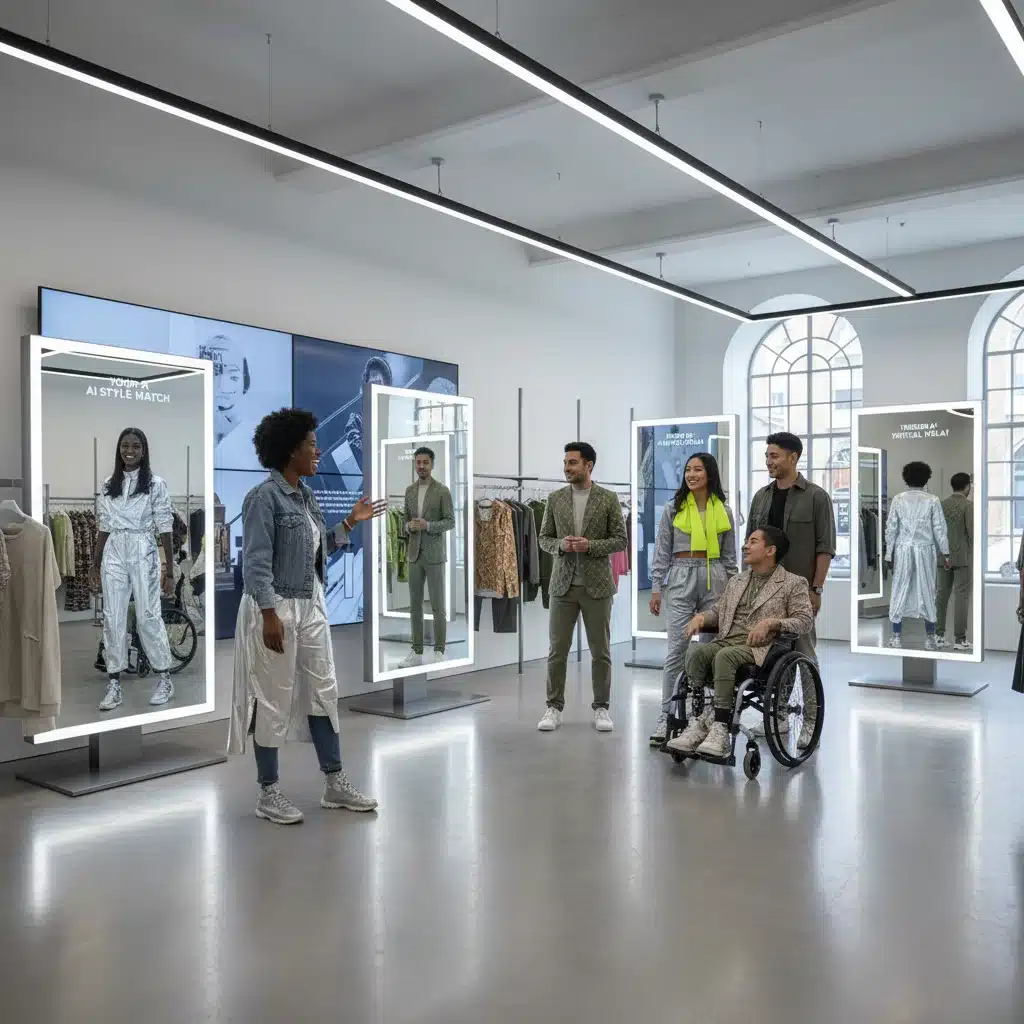
The consumer experience in 2026 is profoundly shaped by AI. The era of one-size-fits-all marketing is long over. Instead, AI is enabling hyper-personalization, making every shopping journey feel unique and tailored to individual tastes. Recommendation engines, powered by sophisticated machine learning algorithms, analyze browsing history, purchase patterns, social media activity, and even body shape data to suggest clothing items that are not only aesthetically pleasing but also likely to fit well and align with personal style.
Virtual try-on technologies, enhanced by AI, are commonplace both online and in physical stores. Augmented reality (AR) mirrors allow shoppers to virtually ‘wear’ clothes without physically trying them on, seeing how different outfits look on their own body shape and skin tone. This reduces returns, a significant pain point for both consumers and retailers, and enhances the overall shopping experience. Chatbots and virtual assistants, powered by natural language processing (NLP), provide instant customer support, answer style-related questions, and even offer personalized styling advice, mimicking the expertise of a personal shopper available 24/7.
AI also plays a crucial role in dynamic pricing and inventory management in retail. By analyzing real-time demand, competitor pricing, and external factors like weather or local events, AI can adjust prices to maximize sales and minimize waste. This level of responsiveness ensures that products are always available when and where consumers want them, further enhancing customer satisfaction and loyalty. The future of retail is smart, intuitive, and deeply personalized, thanks to the continuous advancements in AI Fashion Trends.
Sustainability and Ethical Practices: AI as an Ally
The fashion industry has long been criticized for its environmental impact and ethical shortcomings. In 2026, AI is emerging as a powerful ally in the push towards a more sustainable and ethical future. As mentioned earlier, AI’s ability to optimize supply chains and predict demand significantly reduces overproduction and waste. This alone has a massive positive impact on resource consumption and landfill burden.
Furthermore, AI is being used to develop innovative sustainable materials. Researchers are employing machine learning to discover new biodegradable fabrics, optimize recycling processes for textiles, and even design garments that are inherently more durable and repairable. AI can analyze the lifecycle of a product, from raw material extraction to disposal, identifying areas where environmental impact can be minimized. This data-driven approach to sustainability is far more effective than traditional methods, leading to tangible improvements across the industry.
Ethical considerations are also being addressed with AI. Transparency in the supply chain, facilitated by AI-powered tracking systems, helps ensure fair labor practices and responsible sourcing of materials. Consumers can increasingly access information about where and how their clothes were made, empowering them to make more informed and ethical purchasing decisions. AI can even monitor working conditions in factories, flagging anomalies or potential issues that require human intervention. While not a panacea, AI provides tools that empower brands to be more accountable and consumers to be more aware, fostering a more responsible fashion ecosystem.
The Human Element: Adapting to a New Paradigm
Despite the pervasive influence of AI, the human element remains central to fashion. AI is a tool, albeit a very powerful one, that augments human capabilities rather than replacing them entirely. Designers are evolving into curators, stylists are becoming data interpreters, and retailers are transforming into experience architects. The skills required in the fashion industry are shifting, with a greater emphasis on data literacy, technological proficiency, and the ability to collaborate effectively with AI systems.
Educational institutions are adapting their curricula to prepare the next generation of fashion professionals for this AI-driven landscape. Courses in AI for fashion design, data analytics in retail, and sustainable supply chain management are becoming standard. The industry is witnessing a fascinating synergy where human creativity, intuition, and emotional intelligence are combined with the analytical power and efficiency of AI. This collaboration is leading to outcomes that neither could achieve alone, fostering an era of unprecedented innovation and problem-solving within the fashion world. The unique human ability to understand culture, emotion, and aesthetic nuance remains irreplaceable, but now it is amplified by artificial intelligence.
Challenges and Ethical Considerations
While the benefits of AI in fashion are immense, there are also significant challenges and ethical considerations that the industry is actively addressing in 2026. Data privacy is paramount, especially with the collection of personal preference and body shape data for personalization. Robust regulations and transparent data handling practices are essential to build and maintain consumer trust. The potential for algorithmic bias is another concern. If AI systems are trained on biased datasets, they could perpetuate or even amplify existing inequalities in fashion, such as promoting narrow beauty standards or overlooking certain demographics. Ensuring diverse and representative training data is crucial to mitigate this risk.
The impact on employment is also a frequently discussed topic. While AI and automation may displace some traditional roles, they also create new opportunities and demand for different skill sets. The focus is on upskilling and reskilling the workforce to adapt to these changes, ensuring a smooth transition. Furthermore, the question of intellectual property for AI-generated designs is complex and evolving. Who owns the copyright for a design created by an algorithm? These are legal and ethical frontiers that are being navigated as AI becomes more sophisticated.
Finally, the environmental impact of AI itself, particularly the energy consumption of large-scale data centers and complex algorithms, is a growing concern. The industry is looking for ways to develop and deploy ‘green AI’ solutions that minimize their carbon footprint. Addressing these challenges responsibly is key to ensuring that AI’s transformative power is harnessed for the greater good of the fashion industry and society.
The Future Outlook: Beyond 2026
Looking beyond 2026, the integration of AI in fashion is only set to deepen. We can anticipate even more sophisticated predictive capabilities, allowing for ‘zero-waste’ production models where garments are only made when a customer explicitly orders them, or even before they realize they want them. Imagine clothing that adapts to your body temperature, changes color based on your mood, or even repairs itself – these are not far-fetched concepts in an AI-powered future. Smart textiles embedded with sensors could provide real-time data on fit, comfort, and even health metrics, creating truly personalized and interactive garments.
The metaverse and digital fashion are also areas where AI will play an increasingly dominant role. AI will be instrumental in creating realistic digital avatars, designing virtual clothing, and facilitating immersive shopping experiences in virtual worlds. The lines between physical and digital fashion will continue to blur, with AI acting as the bridge between these two realms. Furthermore, AI will continue to drive the circular economy in fashion, enabling advanced sorting and recycling technologies, and fostering new business models based on rental, repair, and resale.
The evolution of AI Fashion Trends is a dynamic and continuous process. It promises a future where fashion is more efficient, sustainable, personalized, and creatively expansive than ever before. While challenges remain, the industry’s commitment to innovation and responsible technological adoption ensures that AI will continue to be a force for positive transformation, shaping the way we design, produce, and experience style for decades to come.
Conclusion
In conclusion, 2026 marks a pivotal moment in the history of fashion, where artificial intelligence has moved beyond a mere tool to become an integral partner in creativity, production, and consumption. From algorithmic design that pushes aesthetic boundaries to optimized supply chains that champion sustainability, and hyper-personalized retail experiences that delight consumers, AI’s influence is pervasive and transformative. While navigating the ethical complexities and ensuring responsible implementation are crucial, the trajectory of AI in fashion points towards an exciting future. It’s a future where innovation flourishes, waste diminishes, and every garment tells a story not just of human artistry, but also of intelligent design. The convergence of technology and style is not just a trend; it’s the defining characteristic of modern fashion, continually evolving and redefining what’s possible in the world of apparel and adornment.