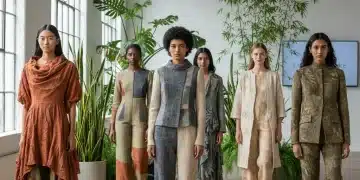
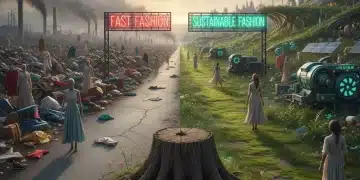
Textile Innovations: Eco-Friendly Fabrics Revolutionizing Fashion by 2027
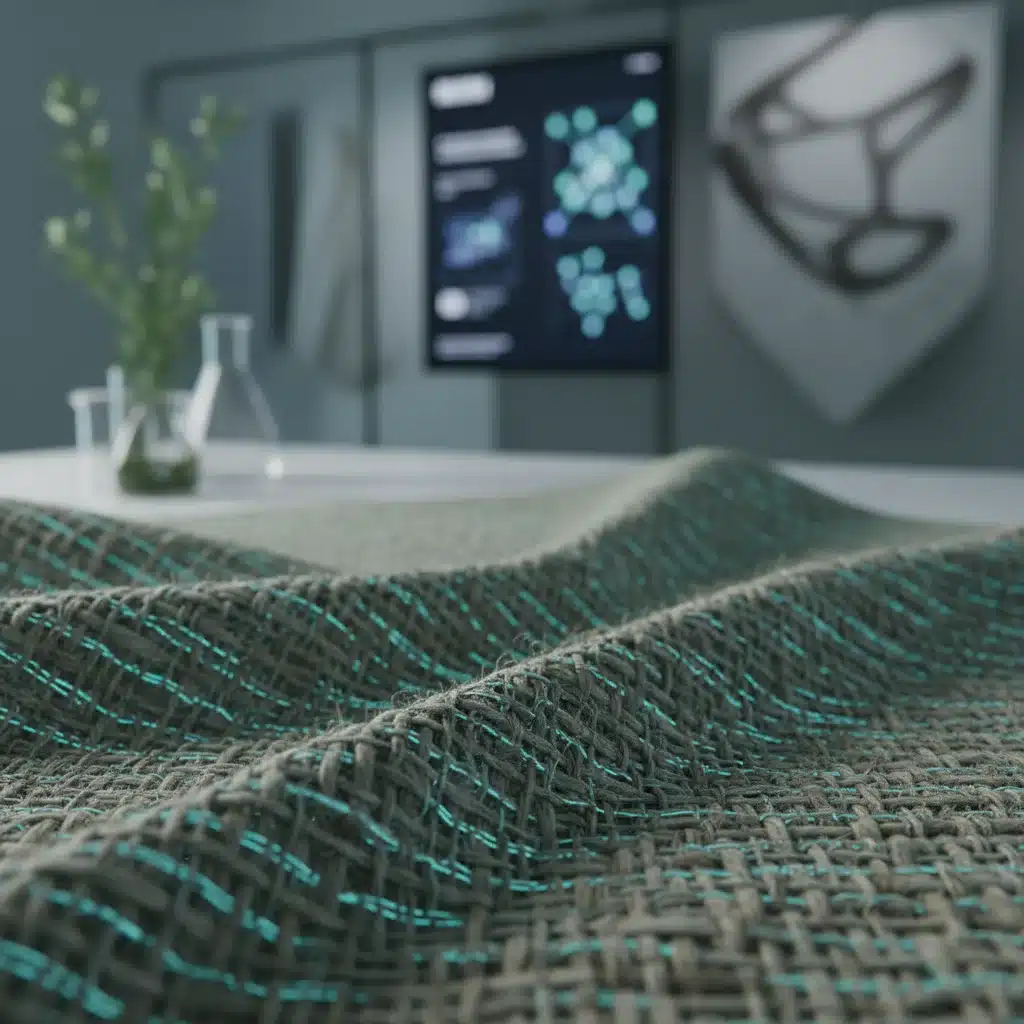
Textile Innovations: Breakthroughs in Eco-Friendly Fabrics Set to Revolutionize Fashion by 2027
The fashion industry, long criticized for its environmental footprint, is on the cusp of a monumental transformation. Propelled by growing consumer awareness, stringent regulations, and relentless scientific inquiry, eco-friendly textile innovations are no longer niche concepts but mainstream imperatives. By 2027, these groundbreaking advancements are set to fundamentally redefine how clothes are made, worn, and disposed of, ushering in an era of truly sustainable fashion. This comprehensive article delves into the most significant breakthroughs, exploring the science, the impact, and the promising future of sustainable textiles.
The journey towards a greener fashion industry is complex, touching upon every stage of the product lifecycle, from raw material sourcing to manufacturing processes, and ultimately, to end-of-life solutions. Traditional textiles like conventional cotton, polyester, and nylon have well-documented environmental drawbacks, including excessive water consumption, pesticide use, reliance on fossil fuels, and persistent microplastic pollution. The urgency to find viable, scalable alternatives has never been greater, and the response from innovators has been nothing short of revolutionary. This article will illuminate the most impactful eco-friendly textile innovations that are not just theoretical possibilities but are already making their way from laboratories to runways and retail shelves, setting the stage for a dramatic shift in the global fashion landscape within the next five years.
The Dawn of Next-Generation Sustainable Fibers: Beyond Organic Cotton
While organic cotton has been a cornerstone of sustainable fashion for years, the next wave of eco-friendly textile innovations is pushing boundaries far beyond traditional natural fibers. Researchers and companies are exploring a vast array of novel materials, each offering unique environmental benefits and performance characteristics. These next-generation fibers are designed to minimize resource consumption, reduce pollution, and often provide enhanced functionality.
Bio-Based Synthetics: A Greener Alternative to Petroleum
One of the most exciting areas of development is bio-based synthetics. These materials aim to replicate the performance of traditional synthetic fibers like polyester and nylon but are derived from renewable biomass instead of fossil fuels. Imagine performance activewear made from corn starch, sugarcane, or even castor beans. Polylactic Acid (PLA), for example, is a biodegradable polyester derived from fermented plant starch. It offers excellent moisture-wicking properties and a soft hand feel, making it suitable for activewear and everyday apparel. Another promising material is Sorona, a partially bio-based polymer from DuPont, which uses plant-based ingredients for 37% of its composition, offering stretch and recovery similar to spandex but with a lower environmental impact. These bio-based options represent a significant step towards reducing the fashion industry’s reliance on non-renewable resources.
Advertisements
Cellulosic Fibers: Sustainable Evolution from Wood Pulp
Cellulosic fibers, derived from wood pulp, have long been a staple in fashion, with viscose and rayon being common examples. However, traditional production methods can be chemically intensive and contribute to deforestation. The new generation of cellulosic fibers, often referred to as ‘man-made cellulosic fibers’ (MMCFs), are engineered for sustainability. Lyocell (Tencel is a well-known brand) is a prime example, produced in a closed-loop system where 99% of the solvents are recovered and reused. This dramatically reduces water and chemical waste. Innovators are also exploring alternative feedstocks for cellulosic fibers, such as agricultural waste (e.g., rice straw, banana peels) and even recycled cotton, further closing the loop and reducing the demand on virgin resources. These advanced cellulosic fibers offer luxurious drape, breathability, and versatility, making them ideal for a wide range of applications from luxury fashion to everyday wear.
Agricultural Waste & Novel Plant Fibers: From Trash to Treasure
The concept of ‘waste as a resource’ is central to many emerging eco-friendly textile innovations. Agricultural waste, often discarded or burned, is being ingeniously transformed into high-quality textiles. Pineapple leaf fiber (Piñatex), for instance, utilizes the leaves left over from pineapple harvests to create a durable, leather-like material. Similarly, fibers from banana stalks, orange peels (Orange Fiber), and even coffee grounds are being processed into wearable fabrics. These innovations not only provide sustainable material alternatives but also create additional income streams for farmers and reduce agricultural waste, embodying a truly circular approach to resource management. The aesthetic and performance qualities of these novel plant fibers are continually improving, making them increasingly competitive with traditional materials.
Revolutionizing Production: Water, Energy, and Chemical Efficiency
Beyond the raw materials themselves, the manufacturing processes for textiles are undergoing radical changes to minimize environmental impact. The focus is on reducing water and energy consumption, eliminating hazardous chemicals, and improving overall resource efficiency. These process-driven eco-friendly textile innovations are critical for achieving true sustainability.
Waterless Dyeing Technologies: A Game Changer
Dyeing is one of the most water-intensive and polluting stages in textile production. Traditional dyeing processes can consume vast quantities of water and discharge heavily contaminated wastewater. Waterless dyeing technologies are emerging as a revolutionary solution. Techniques like supercritical CO2 dyeing use carbon dioxide in a fluid state to carry dyes into fabrics, eliminating the need for water entirely. This not only saves billions of liters of water but also reduces energy consumption (as there’s no water to heat) and eliminates the need for drying. While still gaining traction, these technologies are poised to become standard practice in the coming years, significantly reducing the fashion industry’s water footprint.
Low-Impact Manufacturing & Automation
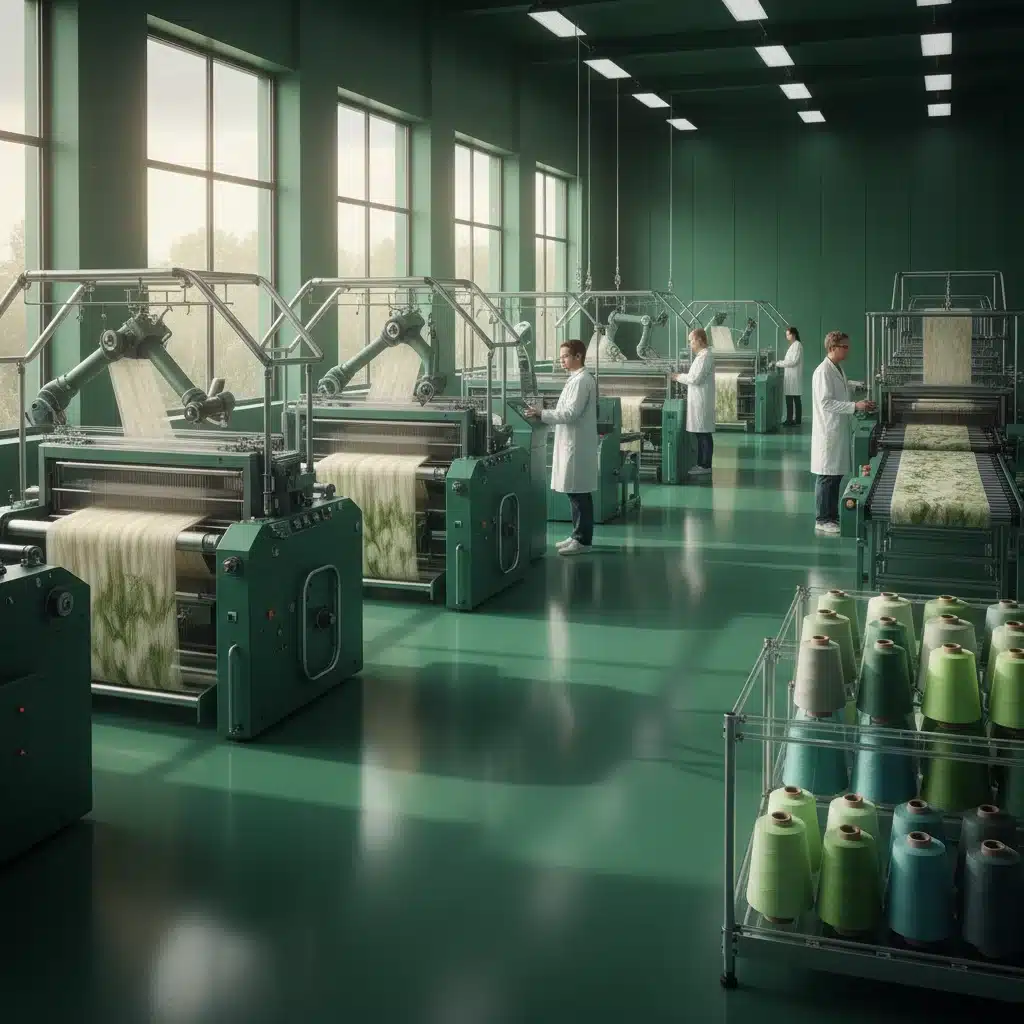
Advancements in automation and lean manufacturing principles are also contributing to more sustainable production. Precision knitting, for example, allows garments to be knitted in 3D directly from yarn, minimizing fabric waste from cutting. Micro-factories, often located closer to consumers, reduce transportation emissions and enable on-demand production, curbing overproduction. Furthermore, the development of non-toxic, biodegradable chemicals for textile processing, from sizing agents to finishes, is crucial. Certifications like OEKO-TEX and GOTS are driving the adoption of safer chemical management practices, and ongoing research is continually identifying even greener alternatives.
Energy Efficiency and Renewable Energy Integration
Textile factories are increasingly adopting energy-efficient machinery and integrating renewable energy sources. Solar panels on factory roofs, biomass boilers, and even geothermal energy are becoming more common. Reducing the energy consumed per unit of textile produced, coupled with a shift towards cleaner energy, is vital for decarbonizing the fashion supply chain. This holistic approach to manufacturing, focusing on both material inputs and process outputs, is a hallmark of the new wave of eco-friendly textile innovations.
The Circular Economy in Fashion: Design for Longevity and Recycling
Perhaps the most transformative aspect of eco-friendly textile innovations is the shift towards a circular economy model. This paradigm moves away from the traditional linear ‘take-make-dispose’ approach, advocating for products designed for durability, repairability, and ultimately, infinite recycling. By 2027, the groundwork for a truly circular fashion system will be firmly in place.
Designing for Durability and Repairability
The most sustainable garment is often the one that lasts the longest. Designers are increasingly focusing on creating high-quality, timeless pieces that withstand trends and wear. This involves selecting durable fibers, employing robust construction techniques, and considering modular designs that allow for easy repair or replacement of components. The rise of repair services and platforms that promote garment longevity is a testament to this shift, challenging the fast-fashion mentality.
Fiber-to-Fiber Recycling: Closing the Loop
Recycling textiles has traditionally been challenging due to the complex blends of fibers and the degradation of material quality. However, significant breakthroughs in fiber-to-fiber recycling are revolutionizing this space. Chemical recycling processes can break down textile waste into its molecular components, allowing for the creation of new, high-quality fibers that are indistinguishable from virgin materials. This is particularly promising for polyester and cotton blends. Mechanical recycling, while more established, is also improving, with new technologies capable of processing a wider variety of textile waste without significant quality loss.
Companies like Renewcell are leading the charge with their Circulose material, made from 100% textile waste, offering a tangible example of how old clothes can become new ones without compromising quality. These advancements are crucial for diverting massive amounts of textile waste from landfills and drastically reducing the demand for new raw materials. The infrastructure for collecting, sorting, and processing textile waste on a large scale is rapidly developing, paving the way for a truly circular fashion ecosystem.
Biodegradable and Compostable Textiles: The Ultimate End-of-Life Solution
For textiles that cannot be recycled indefinitely, biodegradability offers a vital end-of-life solution. Naturally derived fibers, when free from synthetic coatings or harmful dyes, can decompose harmlessly, returning nutrients to the earth. Research is also progressing on bio-based synthetics that are designed to biodegrade in specific environments (e.g., industrial composting facilities or even home composting). This ensures that even if a garment reaches the end of its wearable life and cannot be recycled, it does not contribute to persistent pollution. The challenge lies in ensuring these materials truly biodegrade without leaving harmful residues and in educating consumers on proper disposal methods.

The Role of Technology and Digitalization in Sustainable Textiles
Digitalization and advanced technologies are indispensable drivers of eco-friendly textile innovations. From design to supply chain management, technology is enabling greater transparency, efficiency, and sustainability.
3D Design and Virtual Prototyping
The use of 3D design software and virtual prototyping is dramatically reducing the need for physical samples, which saves materials, energy, and transportation emissions. Designers can visualize, iterate, and refine garments in a virtual space, leading to more efficient production and fewer wasted resources. This technology also allows for better fit and customization, further reducing returns and textile waste.
Blockchain for Supply Chain Transparency
Blockchain technology is emerging as a powerful tool for enhancing transparency and traceability in complex textile supply chains. By creating an immutable record of every step – from fiber origin to finished garment – blockchain can verify the authenticity of sustainable claims, ensure ethical labor practices, and provide consumers with unprecedented insight into the provenance of their clothes. This level of transparency is crucial for building trust and holding brands accountable for their sustainability commitments.
AI and Data Analytics for Optimization
Artificial intelligence and data analytics are being used to optimize every aspect of textile production. AI can predict demand more accurately, minimizing overproduction. It can also optimize cutting patterns to reduce fabric waste, monitor energy consumption in factories, and even identify sustainable material alternatives based on performance and environmental metrics. This data-driven approach is essential for continuously improving the sustainability performance of the fashion industry.
Consumer Behavior and Industry Collaboration: The Human Element
While technological advancements are critical, the success of eco-friendly textile innovations ultimately depends on shifts in consumer behavior and robust industry collaboration. Education, accessibility, and collective action are key to mainstreaming sustainable fashion.
Educating the Consumer: Demand Drives Change
Consumers play a pivotal role in driving the adoption of sustainable textiles. Increased awareness about the environmental and social impacts of fashion, coupled with a desire for more ethical and eco-friendly options, creates market demand. Brands are responding by clearly communicating their sustainability efforts, often through transparent labeling and storytelling. As consumers become more discerning, their purchasing power will continue to incentivize brands to invest in eco-friendly textile innovations.
Cross-Industry Collaboration and Policy Support
Addressing the systemic challenges of fashion sustainability requires collaboration across the entire value chain – from fiber producers and textile manufacturers to brands, retailers, and even waste management companies. Industry alliances, consortia, and initiatives are fostering knowledge sharing, standard setting, and collective investment in sustainable solutions. Furthermore, supportive government policies, such as extended producer responsibility (EPR) schemes for textiles and incentives for sustainable production, are crucial for accelerating the transition to a circular fashion economy. These collaborations ensure that innovations are not developed in isolation but are integrated into a cohesive, industry-wide strategy.
Challenges and the Path Forward for Eco-Friendly Textile Innovations
Despite the remarkable progress, significant challenges remain on the path to a fully sustainable fashion industry. Scaling up eco-friendly textile innovations from laboratory to mass production, achieving cost competitiveness with conventional materials, and building robust recycling infrastructure are complex undertakings. There is also the challenge of ‘greenwashing,’ where brands make misleading sustainability claims, underscoring the need for clear standards and third-party verification.
However, the momentum is undeniable. By 2027, we can expect to see a significant increase in the market share of sustainable textiles, with a wider array of innovative materials becoming readily available and affordable. Consumers will have more choices for genuinely eco-friendly apparel, and brands that fail to adapt will risk losing relevance. The continuous investment in research and development, coupled with growing consumer and regulatory pressure, will ensure that the fashion industry continues its trajectory towards a more responsible and sustainable future.
Conclusion: A Greener Wardrobe by 2027
The landscape of fashion is undergoing an unprecedented transformation driven by eco-friendly textile innovations. From bio-based synthetics and advanced cellulosic fibers to waterless dyeing and sophisticated recycling technologies, the industry is reimagining every step of its value chain. By 2027, these breakthroughs will have moved beyond the experimental phase to become integral components of mainstream fashion. Consumers will benefit from garments that are not only stylish and performant but also environmentally benign, reflecting a deeper commitment to planetary well-being.
The future of fashion is undoubtedly sustainable. The convergence of scientific ingenuity, technological advancement, and a collective commitment to environmental stewardship is paving the way for a greener, more ethical, and truly circular apparel industry. The innovations discussed here are not just trends; they are foundational shifts that will redefine our relationship with clothes and the planet for generations to come. Get ready for a wardrobe revolution, fueled by the incredible potential of eco-friendly textile innovations, by 2027.