Redefining Leisure: 5 US Hobbies Gaining Popularity in Early 2026

Redefining Leisure: 5 US Hobbies Gaining Popularity in Early 2026
As we navigate the ever-evolving landscape of modern life, the way Americans choose to spend their leisure time is constantly shifting. Early 2026 is witnessing a fascinating resurgence and emergence of new activities that are captivating hearts and minds across the nation. These burgeoning pastimes offer more than just a way to pass the time; they provide avenues for personal growth, community building, and a much-needed break from the digital grind. If you’re looking to inject some fresh excitement into your routine or discover a new passion, understanding these popular US hobbies is your first step.
The concept of ‘leisure’ itself is being redefined. It’s no longer just about passive consumption but active engagement, skill development, and meaningful connection. People are seeking hobbies that offer a sense of accomplishment, a connection to nature, or a way to express their creativity. This shift reflects a broader societal trend towards well-being, mindfulness, and authentic experiences. So, what exactly are these popular US hobbies that are capturing the nation’s attention? Let’s dive in and explore the trends shaping our free time.
1. Micro-Gardening and Indoor Ecosystems
In an increasingly urbanized world, the desire to connect with nature remains strong. This is where micro-gardening and the creation of indoor ecosystems have truly blossomed into one of the most popular US hobbies. Far beyond simple potted plants, this trend encompasses everything from intricate terrariums and vivariums to sophisticated hydroponic systems for growing herbs and vegetables in small spaces. It’s a testament to our innate biophilia – the human tendency to connect with nature and other living systems.
Advertisements
The Allure of Miniature Worlds
Terrariums, in particular, have seen a massive surge in popularity. These self-contained miniature worlds require minimal maintenance once established, making them perfect for busy individuals or those living in apartments without outdoor space. The act of designing and building a terrarium is a meditative process, allowing enthusiasts to create a tiny, living landscape. It combines elements of horticulture, design, and even a touch of scientific understanding of ecosystems. Online communities dedicated to terrarium building are thriving, with members sharing tips, rare plant finds, and stunning creations.
Hydroponics for the Home Chef
Beyond aesthetics, functional micro-gardening is also on the rise. Home hydroponic kits, once niche, are now widely accessible and affordable. Growing fresh herbs, leafy greens, and even small fruits indoors year-round has become a practical and rewarding hobby. This trend appeals to health-conscious individuals, foodies, and those looking to reduce their carbon footprint. The satisfaction of harvesting your own pesticide-free produce, just steps from your kitchen, is unparalleled. This focus on sustainable living and self-sufficiency makes it one of the most engaging and popular US hobbies.
Benefits Beyond the Green Thumb
Engaging in micro-gardening offers numerous mental health benefits. The act of nurturing plants can reduce stress, improve focus, and provide a sense of purpose. It’s a quiet, contemplative activity that offers a digital detox, allowing individuals to engage with something tangible and alive. As more people seek solace and connection in their homes, these miniature green oases provide a perfect escape and a continuous source of natural beauty.

2. Advanced Board Gaming and Tabletop RPGs
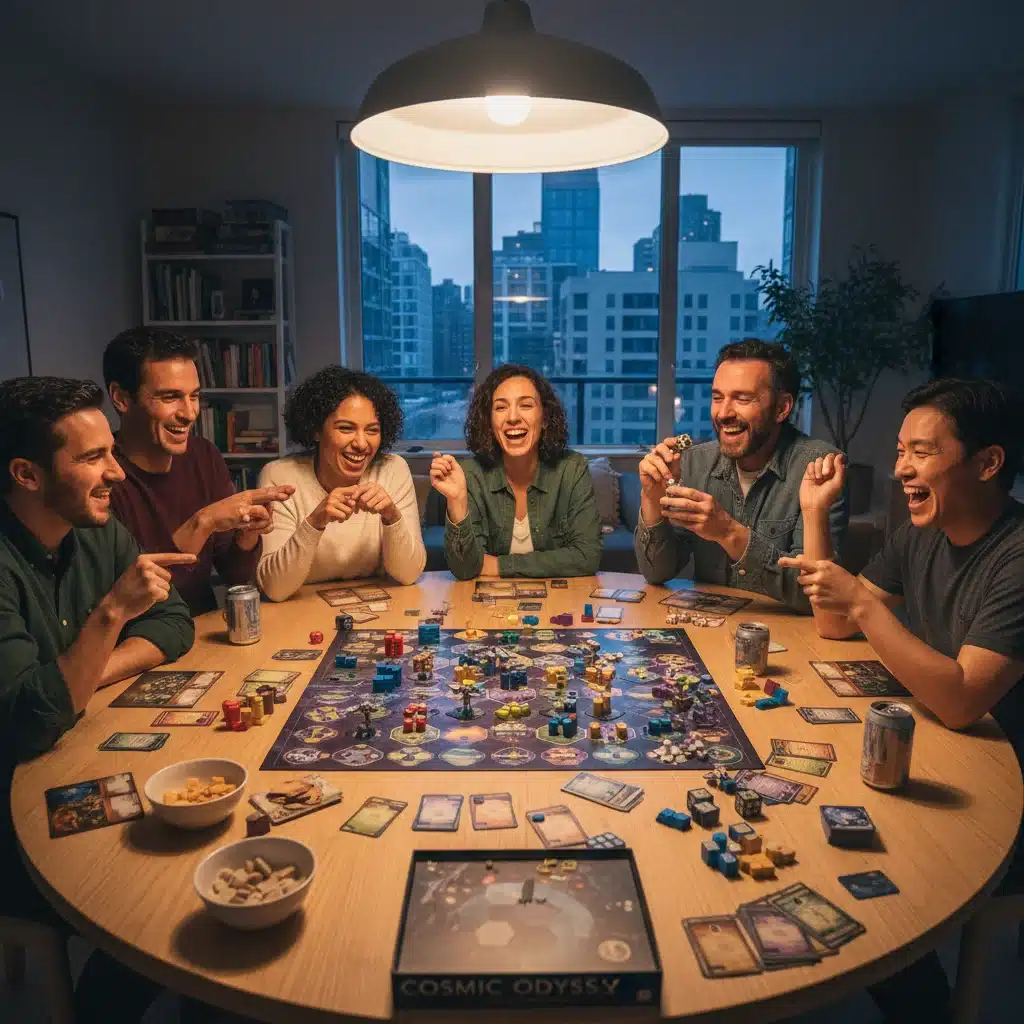
Forget Monopoly and Scrabble (though classics endure!). The world of board games and tabletop role-playing games (RPGs) has exploded in complexity, artistry, and community engagement, making it one of the most popular US hobbies for social interaction and strategic thinking. Modern board games offer immersive narratives, intricate mechanics, and stunning components that rival video games in depth and replayability.
A Renaissance of Analog Play
The appeal lies in the face-to-face interaction, the shared storytelling, and the tactile experience that digital platforms often lack. From cooperative games where players work together to save the world, to competitive strategy games that test wits and planning, there’s a genre for everyone. Games like ‘Gloomhaven,’ ‘Terraforming Mars,’ and ‘Root’ have cultivated massive followings, leading to dedicated game nights, conventions, and online communities where strategies are debated and new releases eagerly anticipated.
The Rise of Tabletop RPGs
Tabletop RPGs, led by giants like ‘Dungeons & Dragons,’ have also seen a significant resurgence. Propelled by popular culture references and streaming actual-play campaigns, more people are discovering the joy of collaborative storytelling. These games foster creativity, problem-solving skills, and social bonding as players collectively weave intricate narratives. Game Masters (GMs) act as facilitators, creating worlds and challenges for players to overcome, making each session a unique and memorable experience. This deep level of engagement solidifies its place among popular US hobbies.
Building Communities One Game at a Time
The social aspect is a huge draw. Board game cafes are popping up in cities, providing dedicated spaces for people to meet, learn new games, and socialize. Online forums and local gaming groups make it easy for newcomers to find players and dive into this rich hobby. It’s a fantastic way to disconnect from screens and reconnect with friends and family, or even make new ones, all while exercising your brain and imagination. The shared experience and camaraderie are what make these games so enduringly popular.
3. Digital Art and Animation for Amateurs
The accessibility of powerful digital tools has democratized art creation, making digital art and animation one of the most popular US hobbies for creative expression. No longer confined to professional studios, individuals can now create stunning visuals and animations from their home computers or even tablets.
Tools for Every Skill Level
Software like Procreate, Clip Studio Paint, and even free alternatives like Krita and GIMP, have made digital painting and illustration accessible to beginners. User-friendly interfaces, extensive online tutorials, and a vibrant community of digital artists provide ample resources for learning. From character design and concept art to digital portraits and abstract pieces, the possibilities are endless. This accessibility has lowered the barrier to entry, allowing more people to explore their artistic side.
Bringing Creations to Life with Animation
Animation, once considered highly technical, is also becoming more approachable. Simple frame-by-frame animation apps and software with intuitive timelines allows amateurs to create short animated clips, GIFs, and even more complex narratives. This hobby appeals to those who enjoy storytelling and seeing their drawings come to life. The satisfaction of watching a static image gain movement and personality is incredibly rewarding.
Online Galleries and Communities
Platforms like ArtStation, DeviantArt, and Instagram serve as virtual galleries where digital artists can share their work, receive feedback, and connect with a global community. This sense of belonging and the opportunity to showcase one’s creations fuel motivation and foster continuous learning. Workshops, online courses, and YouTube channels dedicated to digital art education are booming, indicating the strong interest in this creative outlet. The ability to share and receive validation for one’s work contributes significantly to its status as one of the popular US hobbies.
4. Urban Exploration (Urbex) and Abandoned Photography
For the adventurous and the curious, urban exploration, or ‘urbex,’ combined with photography, has emerged as a thrilling and thought-provoking pastime. This hobby involves exploring man-made structures, usually abandoned ruins or hidden components of cities, to document their decay and history. It’s a blend of history, photography, adventure, and a touch of mystery, making it a uniquely popular US hobby.
The Thrill of Discovery
Urbex enthusiasts seek out forgotten places – old factories, derelict hospitals, abandoned homes, or disused subway stations. Each location tells a story, often frozen in time, offering a glimpse into a past era. The thrill comes from discovering these hidden gems, navigating their often-challenging environments, and uncovering the narratives they hold. It’s an activity that requires respect for the locations, safety precautions, and often, extensive research.
Capturing the Beauty of Decay
Photography is an integral part of urbex. The decaying architecture, peeling paint, overgrown vegetation, and forgotten artifacts create incredibly poignant and visually striking scenes. Photographers aim to capture the melancholic beauty, the textures, and the atmosphere of these abandoned spaces. The resulting images are often hauntingly beautiful, prompting viewers to ponder about the lives once lived within those walls. Social media platforms like Instagram and Flickr are filled with stunning examples of urbex photography, inspiring others to take up the lens.
Ethical Considerations and Safety
It’s crucial to note that responsible urbex adheres to a strict code of ethics: ‘take nothing but pictures, leave nothing but footprints.’ Trespassing is illegal and dangerous, so many enthusiasts seek permission or focus on publicly accessible ruins. Safety is paramount, as abandoned structures can be unstable and hazardous. Despite the risks, the allure of uncovering hidden histories and capturing unique photographic opportunities continues to draw a growing number of adherents to this captivating hobby.
5. Specialized DIY Electronics and Robotics
The maker movement continues to evolve, and in early 2026, specialized DIY electronics and robotics have become increasingly popular US hobbies. Thanks to affordable microcontrollers like Arduino and Raspberry Pi, along with accessible 3D printing technology, individuals can now build complex gadgets and robots from scratch.
From Kits to Custom Creations
Gone are the days when electronics were solely the domain of engineers. Starter kits for building simple robots, smart home devices, or custom LED displays are widely available and come with user-friendly instructions. As enthusiasts gain confidence, they move on to more ambitious projects, designing and coding their own unique creations. This hobby fosters problem-solving skills, logical thinking, and a deep understanding of how technology works.
The Rise of Home Robotics
Miniature robotics, in particular, has seen a surge. Hobbyists are building everything from autonomous rovers and robotic arms to interactive art installations. The satisfaction of seeing a piece of hardware you assembled and programmed come to life and perform a task is incredibly rewarding. Online communities, forums, and YouTube channels provide a wealth of tutorials, project ideas, and troubleshooting advice, making it easier for newcomers to get started.
3D Printing: The Perfect Companion
3D printing plays a crucial role in this hobby, allowing makers to design and fabricate custom enclosures, mounts, and unique mechanical parts for their electronic projects. This synergy between electronics, programming, and physical design opens up endless possibilities for innovation and personalization. Whether it’s building a custom weather station, a voice-controlled assistant, or a small battle bot, the ability to bring complex ideas into physical reality makes this one of the most intellectually stimulating and popular US hobbies.
The Enduring Appeal of Popular US Hobbies
The landscape of leisure is always changing, but certain core human desires remain constant: the need for connection, creativity, learning, and a sense of accomplishment. The popular US hobbies emerging in early 2026 perfectly encapsulate these desires. From the quiet contemplation of micro-gardening to the collaborative storytelling of RPGs, the artistic expression of digital art, the adventurous spirit of urbex, and the intellectual challenge of DIY electronics, there’s a rich tapestry of activities waiting to be explored.
These hobbies are more than just pastimes; they are avenues for personal development, stress relief, and community building. They offer a counterbalance to the demands of work and the constant influx of digital information, providing tangible, engaging experiences. As society continues to evolve, so too will our leisure pursuits, but the fundamental human need to engage in meaningful and enjoyable activities will always drive the creation and adoption of new popular US hobbies.
So, whether you’re looking to cultivate a green thumb, embark on epic quests, bring your digital visions to life, explore forgotten corners of the world, or build the next great gadget, there’s a popular US hobby out there for you. Dive in, explore, and discover the joy of new passions that enrich your life and connect you with others who share your enthusiasm.