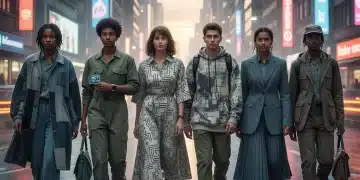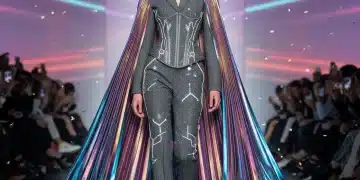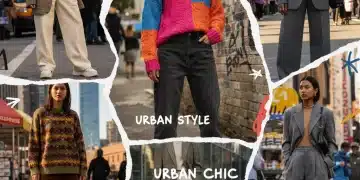
Fashion is a cyclical phenomenon, a continuous loop where past trends are unearthed, dusted off, and reintroduced with a fresh perspective. For US audiences in 2026, this cycle is bringing back a particularly potent dose of nostalgia: the iconic styles of the 1990s and early 2000s. However, this isn’t merely a carbon copy of what once was. Instead, we are witnessing a captivating era of vintage fashion reimagined, where beloved aesthetics are being reworked, refined, and infused with contemporary sensibilities, sustainability concerns, and a keen eye for individuality. This deep dive will explore the forces driving this revival, the key pieces making a comeback, and how designers and consumers alike are embracing this exciting fusion of old and new.
The Irresistible Pull of Nostalgia: Why We’re Looking Back
The resurgence of 90s and early 2000s fashion isn’t accidental; it’s a reflection of several cultural and psychological factors. For many, this period represents a simpler time, a pre-digital or early-digital era that evokes feelings of comfort and familiarity. The 90s, with its grunge, minimalist, and hip-hop influences, offered a diverse palette of styles that championed self-expression and challenged traditional norms. The early 2000s, or Y2K era, brought forth an optimistic, playful, and often audacious aesthetic, characterized by vibrant colors, low-rise silhouettes, and a burgeoning celebrity culture.
Advertisements
For younger generations, who didn’t experience these trends firsthand, it’s an exciting discovery of ‘new’ aesthetics that feel fresh and rebellious. Social media platforms, particularly TikTok and Instagram, act as powerful engines for this trend, allowing users to share and reinterpret vintage looks, creating viral moments and inspiring countless others. This digital amplification has accelerated the cycle, making vintage fashion reimagined a dominant force in contemporary style.
Moreover, in an increasingly complex world, fashion often provides an escape. Revisiting these eras offers a sense of stability and joy, a comfortable retreat into a past that feels less uncertain. This emotional connection is a significant driver behind the enduring appeal of these vintage styles, making them more than just fleeting trends but rather cultural touchstones being given a second life.
Key Elements of 90s Fashion Reimagined for 2026
The 1990s were a decade of diverse fashion expressions, from the laid-back grunge scene to the sleek minimalism of designer labels. For 2026, these elements are being selectively picked and blended with modern aesthetics, creating something entirely new yet deeply familiar.
Grunge Gets a Glamorous Glow-Up
Gone are the days of purely ripped jeans and oversized flannel. While the essence of grunge – a rebellious, anti-establishment attitude – remains, its execution has evolved. Expect to see more elevated fabrics, tailored silhouettes, and a sophisticated approach to layering. Think silk slip dresses paired with structured blazers, combat boots with delicate lace, and distressed denim given a premium finish. The color palette might remain muted, but the textures and detailing will speak of luxury and intentionality. This iteration of vintage fashion reimagined takes the raw energy of grunge and refines it, making it suitable for a wider range of occasions without losing its edge.
Minimalism with a Modern Twist
The minimalist movement of the 90s, characterized by clean lines, neutral colors, and understated elegance, is also making a significant comeback. However, 2026’s version is less about stark simplicity and more about thoughtful construction and sustainable choices. High-quality foundational pieces, well-tailored trousers, classic knitwear, and versatile outerwear form the core. The ‘modern twist’ comes in the form of unexpected cut-outs, innovative fabric blends, and a focus on ethical production. This approach to vintage fashion reimagined emphasizes longevity and quality over fast-fashion consumption, appealing to a more conscious consumer base.
The Resurgence of Sportswear and Athleisure
The 90s laid the groundwork for today’s athleisure obsession, with tracksuits, oversized hoodies, and branded sportswear becoming everyday staples. In 2026, this trend continues to thrive but with a polished, elevated feel. Performance fabrics are integrated into everyday wear, and comfort remains paramount. Think chic matching sets, elevated sneakers, and activewear seamlessly integrated into professional or semi-formal outfits. The key is in the styling – pairing a vintage-inspired tracksuit with a tailored coat or a sports bra with high-waisted trousers blurs the lines between casual and chic, embodying the spirit of vintage fashion reimagined.
Embracing the Early 2000s: Y2K’s Second Coming
The early 2000s, often dubbed Y2K fashion, is perhaps the most audacious and polarizing of the returning trends. Characterized by its playful, often overtly feminine, and sometimes quirky aesthetic, Y2K fashion is being softened and modernized for 2026, making it more wearable and less costume-like.
Low-Rise, But Not Too Low
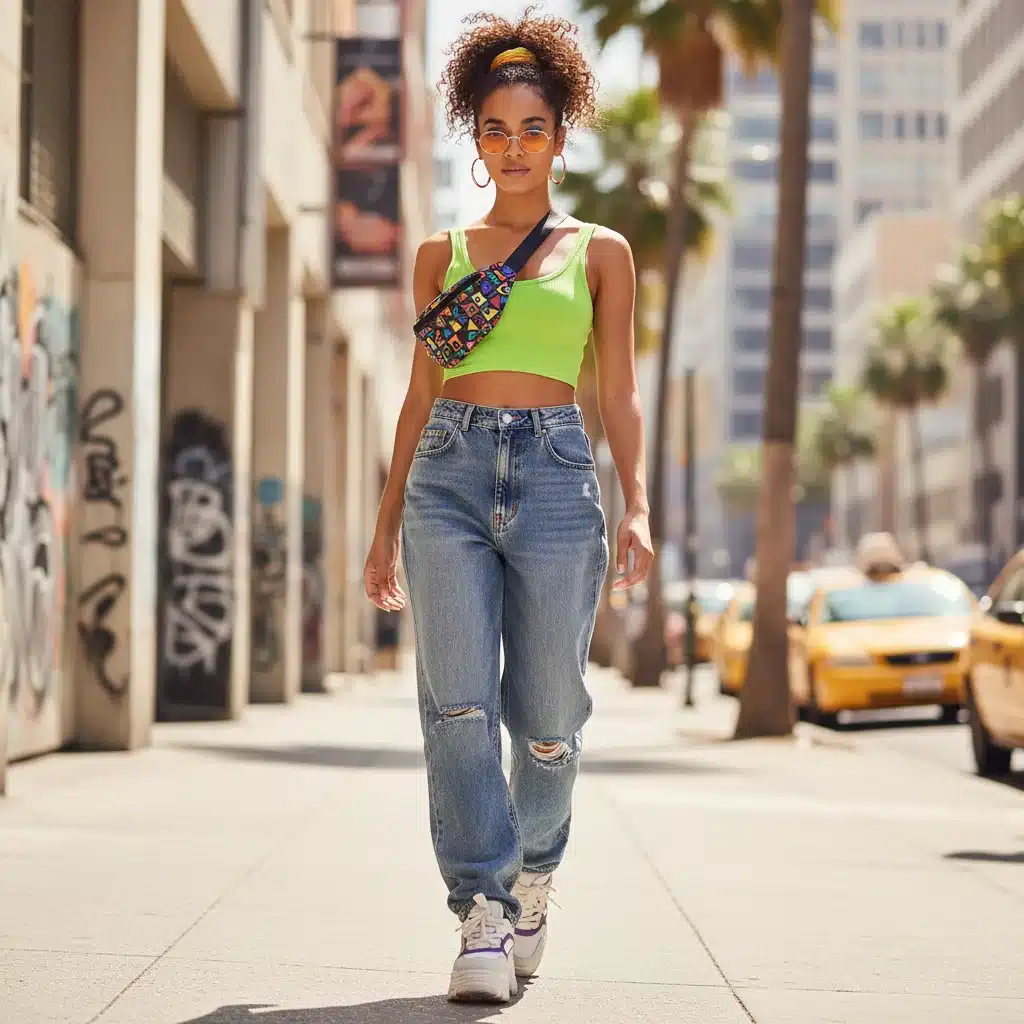
The infamous low-rise silhouette is back, but with a crucial adjustment: it’s often a mid-to-low rise, offering a more flattering and comfortable fit than its early 2000s predecessor. Paired with slightly baggier tops or longer hemlines, the look is less about baring all and more about a subtle nod to the era. Denim remains a key player, but expect more variety in washes and cuts, moving beyond the ultra-distressed look to include cleaner, more sophisticated finishes. This careful reinterpretation ensures that vintage fashion reimagined maintains its appeal without alienating a modern audience.
Baguette Bags and Butterfly Clips: Accessories Reborn
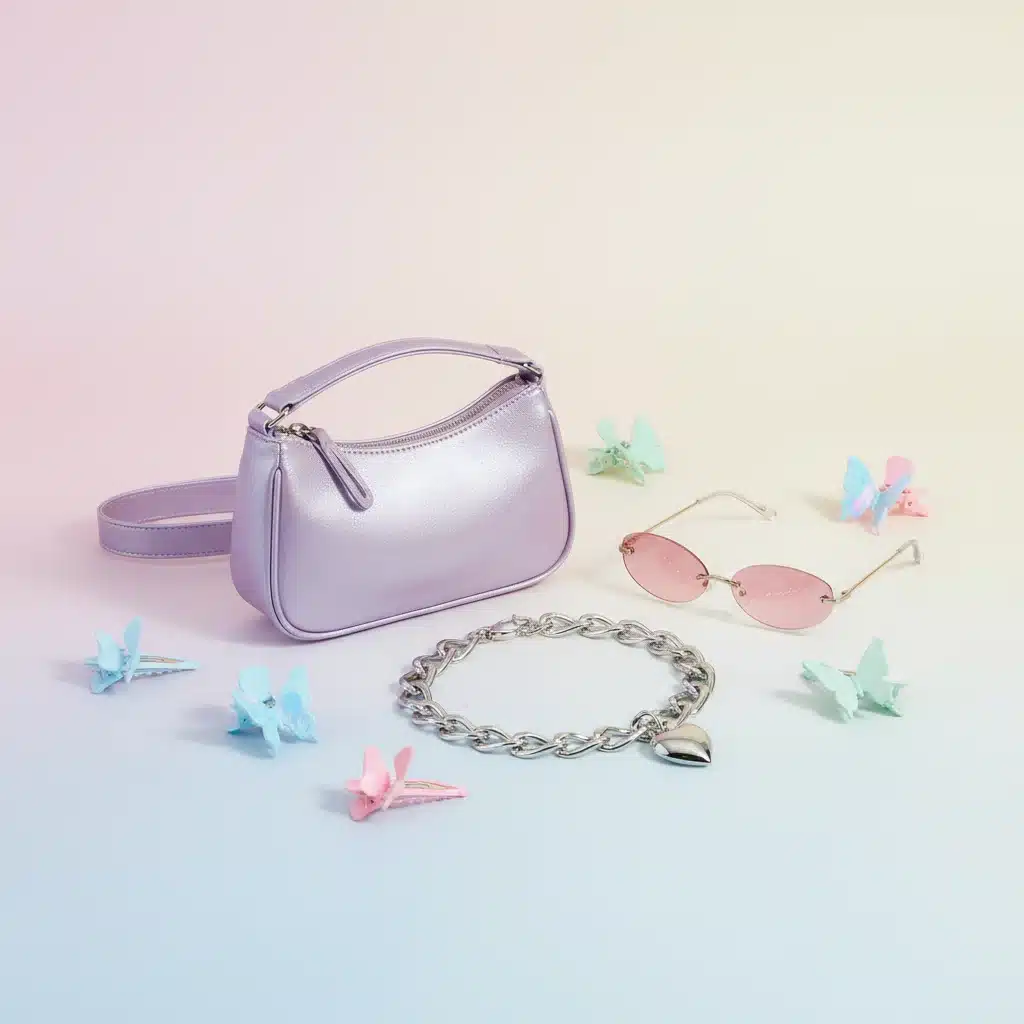
Accessories are often the easiest way to incorporate a vintage touch, and the early 2000s offer a treasure trove. Baguette bags, once a symbol of celebrity street style, are back in various materials and colors, offering a compact yet stylish option. Butterfly clips, once relegated to childhood, are now being used in sophisticated up-dos or to add a whimsical touch to sleek hairstyles. Chunky jewelry, especially silver, and tinted sunglasses complete the look, providing a subtle yet impactful way to embrace vintage fashion reimagined.
Velour Tracksuits and Rhinestone Embellishments, Elevated
The velour tracksuit, once synonymous with Juicy Couture and celebrity paparazzi shots, is returning, but with a refined edge. Expect more luxurious fabrics, tailored cuts, and sophisticated color palettes. Rhinestone embellishments, once liberally applied, are now used sparingly as accents on denim, tops, or accessories, adding a touch of sparkle without overwhelming the outfit. This thoughtful approach to Y2K elements ensures that the trend feels fresh and relevant, rather than a mere replica, showcasing the true essence of vintage fashion reimagined.
The Role of Sustainability in Vintage Fashion Reimagined
One of the most significant differences between the original 90s/2000s trends and their 2026 revival is the pervasive influence of sustainability. Consumers are increasingly conscious of fashion’s environmental impact, leading to a greater demand for ethical and eco-friendly choices. This aligns perfectly with the concept of vintage fashion reimagined.
Thrifting and Upcycling as Mainstream Practices
The rise of online resale platforms and the growing popularity of brick-and-mortar thrift stores have made acquiring authentic vintage pieces easier than ever. Consumers are actively seeking out original 90s and 2000s garments, not just for their aesthetic appeal but also for their sustainable value. Upcycling, where old clothes are transformed into new ones, is also gaining traction, allowing individuals to customize their vintage finds and create truly unique pieces. This commitment to extending the life cycle of clothing is a cornerstone of the modern vintage fashion reimagined movement.
Designers Embracing Circularity
Beyond individual efforts, established and emerging designers are incorporating sustainable practices into their collections inspired by these eras. This includes using recycled materials, organic fabrics, and ethical manufacturing processes. Some brands are even creating capsule collections that directly reference 90s and 2000s styles but are produced with a strong emphasis on sustainability, demonstrating that fashion can be both nostalgic and forward-thinking. This conscious approach elevates the entire concept of vintage fashion reimagined, giving it a deeper purpose.
Styling Your Reimagined Vintage Look for 2026
Integrating 90s and early 2000s elements into your 2026 wardrobe is all about balance and personal interpretation. The goal is not to look like you stepped out of a time capsule, but rather to infuse your contemporary style with a touch of nostalgia.
Mix and Match Eras
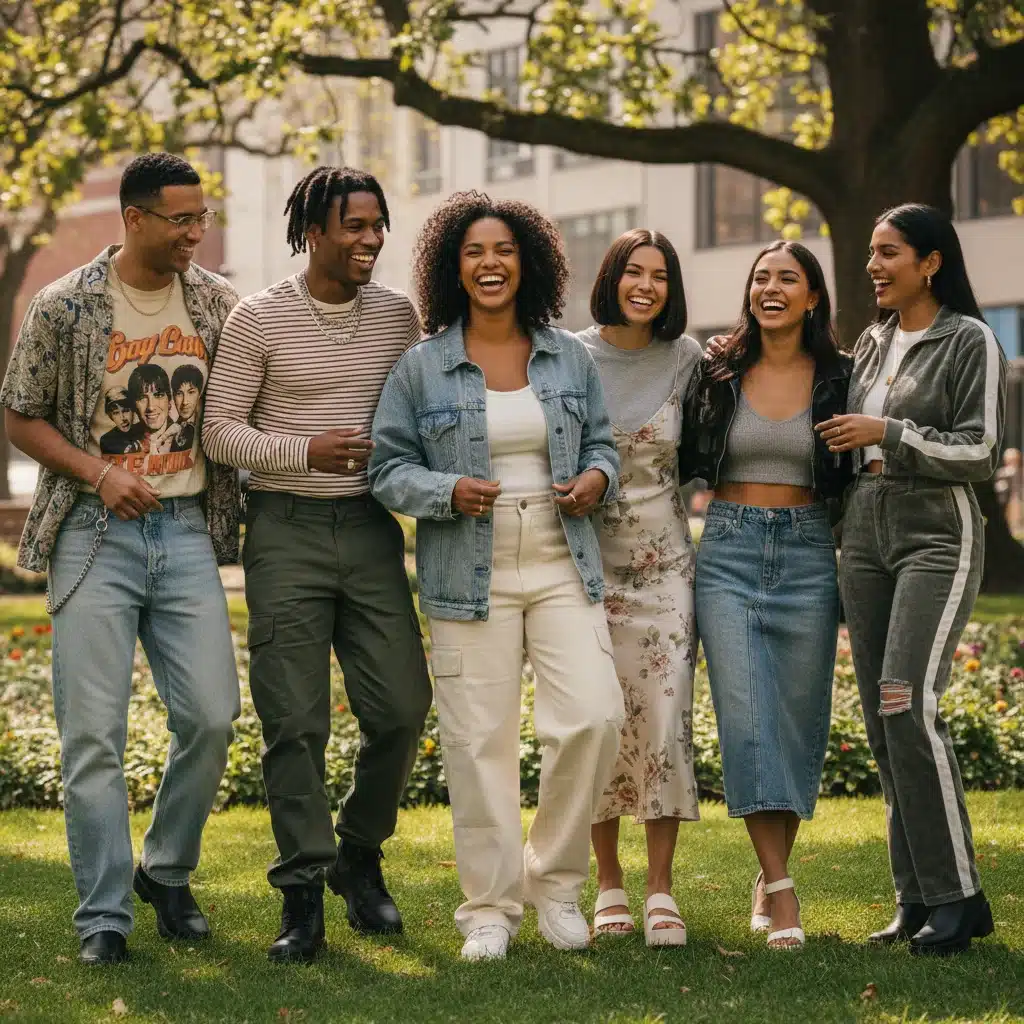
Don’t feel limited to sticking to one decade. Combine a 90s grunge band tee with early 2000s cargo pants and modern sneakers for a dynamic, multi-layered look. The beauty of vintage fashion reimagined lies in its versatility and the freedom it offers to experiment with different influences. A minimalist 90s slip dress can be modernized with a chunky Y2K necklace and a contemporary blazer, creating a harmonious blend of styles.
Focus on Key Silhouettes and Details
Instead of going head-to-toe vintage, pick out a few key silhouettes or details that resonate with you. A pair of baggy jeans, a cropped cardigan, a mini skirt, or a graphic tee can instantly evoke the desired era without overwhelming your outfit. Attention to detail, such as specific washes of denim, particular necklines, or unique accessory choices, can make all the difference in achieving an authentic yet updated feel for your vintage fashion reimagined ensemble.
Personalize with Modern Touches
Always ground your vintage-inspired outfits with modern elements. This could be a contemporary handbag, a sleek pair of heels, a modern hairstyle, or current makeup trends. These modern touches ensure your look feels relevant and fresh, preventing it from appearing dated. The art of vintage fashion reimagined is about making the past relevant to the present, and personalization is key to achieving this.
The Future of Vintage: Beyond 2026
The enduring appeal of vintage fashion reimagined suggests that this trend is more than just a fleeting moment. As we move beyond 2026, we can anticipate further evolution. The focus on individuality, sustainability, and personal expression will likely continue to shape how we interact with historical fashion. The boundaries between decades will likely blur even further, creating a rich tapestry of influences that allows for truly unique and innovative styling.
Furthermore, technology will play an increasing role. Virtual try-on experiences, AI-powered styling suggestions, and digital fashion will likely intersect with physical vintage pieces, offering new ways to experiment with and appreciate older styles. The concept of a ‘digital wardrobe’ could include virtual vintage pieces, further expanding the reach and accessibility of vintage fashion reimagined.
The fashion industry will also continue to adapt, with more brands embracing upcycling initiatives, promoting garment longevity, and offering repair services. This shift towards a more circular economy will naturally enhance the value and desirability of vintage clothing, ensuring that styles from the past continue to inspire and inform the fashion of the future. The conversation around ethical consumption and conscious styling will only deepen, making the reimagination of vintage fashion a cornerstone of sustainable style for years to come.
Conclusion: A Seamless Blend of Past and Present
The revival of 1990s and early 2000s fashion for 2026 US audiences is a testament to fashion’s cyclical nature and our ongoing fascination with nostalgia. However, this isn’t a simple rerun; it’s a sophisticated act of vintage fashion reimagined. By blending beloved aesthetics with modern sensibilities, a focus on sustainability, and an emphasis on personal expression, designers and consumers are creating a vibrant, dynamic fashion landscape. From the refined grunge to the elevated Y2K, these styles are proving their timeless appeal, demonstrating that the best of the past can indeed pave the way for an exciting and stylish future. So, whether you’re dusting off old treasures or seeking out new interpretations, embrace the art of reimagining vintage and make these iconic eras your own.