The 2026 Guide to Sustainable Fashion: 7 Key Brands Redefining American Style
The 2026 Guide to Sustainable Fashion: 7 Key Brands Redefining American Style
The fashion industry stands at a critical juncture. With growing awareness of environmental impact and ethical concerns, consumers are increasingly demanding transparency and responsibility from brands. Welcome to 2026, where sustainable American fashion is not just a niche market but a burgeoning movement, redefining style with purpose. This comprehensive guide delves into the landscape of ethical clothing, spotlighting seven pioneering American brands that are not only meeting these demands but setting new benchmarks for the future.
For decades, the fashion industry operated under a linear model: produce, consume, discard. This approach, fueled by fast fashion, has led to staggering waste, pollution, and often, exploitative labor practices. However, the tide has turned. The discerning consumer of 2026 is no longer content with fleeting trends; they seek longevity, quality, and a clear conscience. This shift has propelled sustainable American fashion to the forefront, with brands embracing circularity, innovative materials, and fair labor. Our focus today is on those trailblazers who are proving that style and sustainability can, and must, coexist.
Understanding Sustainable American Fashion in 2026
Before we introduce our featured brands, it’s crucial to define what ‘sustainable American fashion’ truly means in 2026. It’s a multi-faceted concept encompassing environmental protection, social equity, and economic viability. A truly sustainable brand considers its entire supply chain, from raw material sourcing to garment disposal, striving for minimal negative impact and maximum positive contribution.
Advertisements
Key Pillars of Sustainable Fashion:
- Eco-friendly Materials: Utilizing organic cotton, recycled polyester, hemp, linen, Tencel, modal, and innovative bio-based fabrics that require less water, pesticides, and energy.
- Ethical Production: Ensuring fair wages, safe working conditions, and no forced labor throughout the manufacturing process, both domestically and internationally.
- Circular Economy Principles: Designing for durability, repairability, and recyclability. This includes take-back programs, upcycling initiatives, and minimizing waste at every stage.
- Reduced Water & Energy Consumption: Implementing efficient production methods that conserve water and rely on renewable energy sources.
- Transparency: Openly sharing information about supply chains, material origins, and labor practices, allowing consumers to make informed choices.
- Longevity & Quality: Creating timeless, well-made pieces that are built to last, counteracting the disposable nature of fast fashion.
The demand for sustainable American fashion has grown exponentially. According to recent market analyses, consumers are willing to pay a premium for ethical products, and brands that align with these values are seeing significant growth. This shift isn’t just about altruism; it’s smart business, reflecting a profound change in consumer priorities.
The Pioneers: 7 American Brands Redefining Sustainable Style
These brands represent the vanguard of sustainable American fashion. They are innovators, disruptors, and champions of change, each bringing a unique approach to ethical production and design.
1. Everlane: Radical Transparency, Elevated Basics
Everlane has long been a beacon of transparency in the fashion industry, and by 2026, they’ve only deepened their commitment. Known for their high-quality, timeless basics, Everlane provides detailed cost breakdowns and factory information for every product. Their focus on durable materials like organic cotton, recycled cashmere, and renewed denim minimizes environmental impact. In 2026, they’ve expanded their ‘Renew’ collection, aiming for 100% recycled or renewed materials in their synthetic fibers. Their commitment to ethical factories worldwide ensures fair wages and safe conditions, making them a cornerstone of sustainable American fashion.
What sets Everlane apart is their unwavering dedication to showing consumers exactly where their clothes come from and what they cost to make. This ‘radical transparency’ empowers consumers to understand the true value behind their purchases, fostering a deeper connection to the products and the people who make them. Their designs are minimalist and versatile, encouraging a ‘less is more’ approach to wardrobe building, which is inherently sustainable.
2. Patagonia: Uncompromising Environmentalism & Durability
A perennial leader in sustainability, Patagonia continues to set the gold standard. While primarily an outdoor apparel brand, their influence on sustainable American fashion is undeniable. By 2026, Patagonia has achieved near-complete reliance on recycled materials for many of their core products, from fleece to down insulation. Their ‘Worn Wear’ program, which encourages repair and reuse, has expanded, offering extensive repair services and a platform for buying and selling used Patagonia gear. Their advocacy for environmental causes and their B Corp certification underscore their holistic approach to sustainability. They are a prime example of a brand that puts planet over profit, consistently innovating to reduce its footprint.
Patagonia’s commitment extends beyond materials and repair; they are vocal activists for environmental protection, donating a percentage of sales to grassroots environmental organizations. Their business model is built on creating durable, high-performance gear that lasts for decades, directly combating the throwaway culture prevalent in much of the fashion world. This dedication makes them an icon of responsible manufacturing and a true leader in sustainable American fashion.
3. Reformation: Glamour Meets Green
Reformation has masterfully blended high fashion with high sustainability, proving that eco-friendly can also be incredibly chic. By 2026, they have further refined their ‘RefScale,’ which tracks the environmental impact of each garment, including water usage, carbon emissions, and waste generated. They use a significant percentage of sustainable materials such as Tencel Lyocell, recycled fabrics, and sustainably sourced viscose. Their Los Angeles factory operates with strict environmental standards and fair labor practices, embodying the essence of sustainable American fashion. They are a testament to the idea that you don’t have to sacrifice style for sustainability.
Reformation’s designs are known for their flattering silhouettes and on-trend appeal, making sustainable choices accessible to a broader audience. They actively promote a circular economy by designing clothes that are meant to be cherished and worn repeatedly, and they offer clear guidance on how to care for garments to extend their life. Their commitment to supply chain transparency and continuous improvement in their environmental metrics keeps them at the forefront of the sustainable movement.
4. Outerknown: Surfer Style with a Conscience
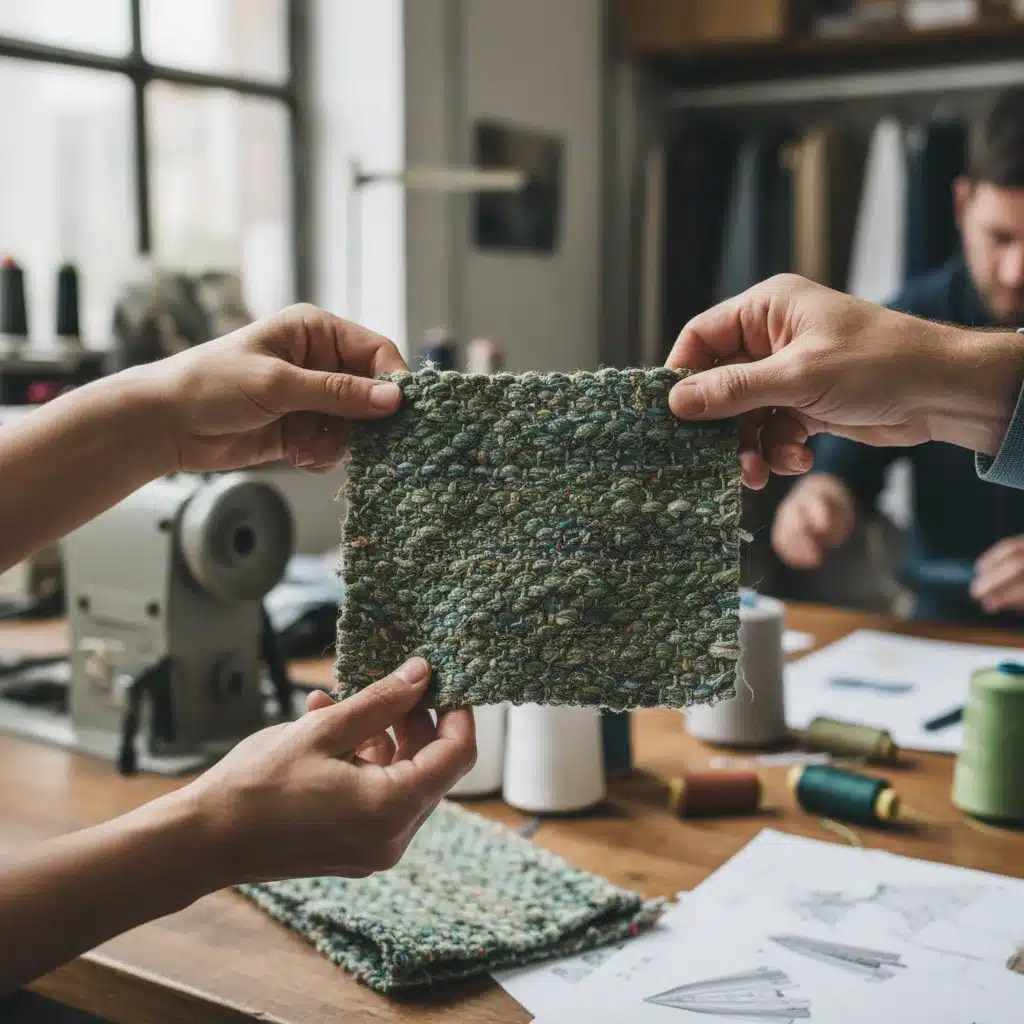
Founded by surfing legend Kelly Slater, Outerknown brings a laid-back, coastal aesthetic to sustainable American fashion. By 2026, they’ve expanded their use of innovative materials like Econyl (recycled nylon from fishing nets) and organic cotton, alongside hemp and other low-impact fibers. Their commitment to fair labor is evident in their Fair Trade Certified factories, ensuring that every worker receives fair wages and works in safe conditions. Outerknown’s ‘S.E.A. Jeans’ line, made with minimal water and toxic chemicals, continues to be a benchmark for sustainable denim, showcasing that even wardrobe staples can be produced responsibly.
Beyond their materials and labor practices, Outerknown champions longevity and versatility in their designs. Their pieces are built to withstand the rigors of an active lifestyle while remaining stylish and comfortable. They actively participate in environmental initiatives, reflecting their deep connection to the ocean and the natural world. Outerknown proves that a relaxed, casual style can be deeply rooted in ethical production and environmental stewardship, making them a significant player in sustainable American fashion.
5. Nudie Jeans: Denim Done Right, Forever
While a Swedish brand, Nudie Jeans has a significant presence and impact on sustainable American fashion through its robust US operations and philosophy. By 2026, Nudie Jeans has solidified its position as a leader in sustainable denim. They exclusively use 100% organic cotton for all their denim. What truly sets them apart is their free repair service for life on all their jeans. This radical commitment to product longevity directly combats textile waste and encourages a circular approach to fashion. They also offer opportunities to buy and sell pre-owned Nudie Jeans, further extending the lifespan of their products.
Nudie Jeans’ dedication to sustainability goes beyond materials and repair. They are transparent about their supply chain, working closely with suppliers to ensure fair working conditions and responsible environmental practices. Their ethos is centered around the idea that jeans should be worn, repaired, and loved for a long time, developing character with each wear. This philosophy makes them an exemplary model for any brand aiming for true sustainability within the American market and beyond.
6. Christy Dawn: Farm-to-Closet & Regenerative Agriculture
Christy Dawn takes sustainable American fashion to a new level with their ‘Farm-to-Closet’ initiative. By 2026, they’ve expanded their regenerative cotton farm in India, where they directly oversee the cultivation of organic cotton that actively improves soil health and biodiversity. This direct sourcing model ensures transparency and ethical practices from the very first seed. Their garments are crafted in Los Angeles using deadstock fabrics (leftover materials from other fashion houses) and their own regenerative cotton, minimizing waste and maximizing resource efficiency. Their romantic, vintage-inspired designs resonate with consumers looking for unique, ethically made pieces.
The ‘Farm-to-Closet’ model is revolutionary because it addresses the environmental impact at the very beginning of the supply chain. By investing in regenerative agriculture, Christy Dawn is not just reducing harm but actively healing the planet. Their commitment to fair wages for their artisans and their focus on small-batch production further solidify their position as a leader in truly holistic sustainable American fashion. They offer a beautiful vision of how fashion can be a force for good, from the ground up.
7. Eileen Fisher: Timeless Design, Circular Economy Pioneer
Eileen Fisher has been a pioneer in sustainable fashion for decades, and by 2026, their commitment to circularity is more robust than ever. Known for their elegant, minimalist designs and high-quality natural fibers, Eileen Fisher has a comprehensive take-back program called ‘Renew,’ where customers can return worn Eileen Fisher garments. These pieces are then cleaned, repaired, and resold, or remade into new designs through their ‘Resewn’ initiative. This closed-loop system is a gold standard for circular fashion within sustainable American fashion.
Their focus on timeless design means their clothes transcend fleeting trends, encouraging consumers to build a lasting, versatile wardrobe. They prioritize organic and recycled materials, ensuring that their environmental footprint is as small as possible. Eileen Fisher’s dedication to fair labor practices and community engagement further solidifies their reputation as a brand that truly embodies sustainability across all facets of its operation. They prove that luxury and responsibility can go hand-in-hand, making enduring contributions to ethical fashion.
The Future is Now: Embracing Sustainable American Fashion
The brands highlighted above are just a glimpse into the vibrant and growing world of sustainable American fashion. Their innovative approaches, unwavering ethical commitments, and dedication to quality are paving the way for a more responsible industry. As consumers, our choices hold immense power. By supporting these brands and others like them, we can accelerate the shift towards a fashion ecosystem that respects both people and the planet.
Beyond the Brands: What You Can Do
- Educate Yourself: Learn about material impacts, ethical certifications, and the true cost of fast fashion.
- Buy Less, Choose Well: Invest in high-quality, timeless pieces that you’ll wear for years, rather than accumulating trendy items that quickly go out of style.
- Shop Secondhand: Explore thrift stores, consignment shops, and online marketplaces for pre-loved treasures. This is one of the most sustainable ways to shop.
- Repair & Upcycle: Extend the life of your clothes by repairing them when they tear or altering them to give them a new look.
- Care for Your Clothes: Follow washing instructions, wash less frequently, and air dry when possible to reduce energy consumption and preserve garment integrity.
- Ask Questions: Demand transparency from your favorite brands. Where do their materials come from? Who made their clothes?
- Support Local & Small Businesses: Often, smaller, local brands have more control over their supply chains and a stronger commitment to ethical practices.
The journey towards a fully sustainable fashion industry is ongoing, but the progress made by these American brands by 2026 is truly inspiring. They demonstrate that it’s possible to create beautiful, desirable clothing without compromising our values or the health of our planet. The future of fashion is ethical, circular, and deeply conscious, and these brands are leading the charge.
The Economic Impact of Sustainable American Fashion
The growth of sustainable American fashion isn’t just an environmental or ethical victory; it also has significant economic implications. By investing in local production, ethical supply chains, and innovative material research, these brands are contributing to job creation and fostering a resilient domestic industry. The shift away from offshore fast fashion production means more opportunities for skilled labor within the United States, supporting local economies and communities. Furthermore, the focus on quality and durability translates into a more stable market, reducing the boom-and-bust cycles often associated with disposable fashion trends.
Sustainable brands often cultivate a loyal customer base who value transparency and ethical practices. This loyalty can lead to more predictable revenue streams and allow companies to invest further in sustainable innovations. The demand for eco-friendly products is not a passing fad; it’s a fundamental shift in consumer values that will continue to shape the market for decades to come. Therefore, brands that embrace sustainability are not only doing good but are also positioning themselves for long-term economic success.
Challenges and Opportunities for Sustainable American Fashion
Despite the progress, the path to widespread sustainable American fashion is not without its challenges. Scaling sustainable practices can be complex and expensive, especially for smaller brands. The cost of organic materials, fair labor, and eco-friendly manufacturing processes can be higher than conventional methods, potentially impacting price points. Additionally, consumer education remains crucial; while awareness is growing, many are still unaware of the true impact of their clothing choices or the benefits of sustainable alternatives.
However, these challenges also present immense opportunities. Technological advancements in material science are continuously making sustainable options more accessible and affordable. Innovations in textile recycling and upcycling technologies are creating new pathways for circularity. Government policies and incentives could further support sustainable manufacturing and consumer adoption. The increasing collaboration between brands, NGOs, and consumers is fostering a powerful collective movement towards a more sustainable future. The narrative of sustainable American fashion is one of continuous innovation and collective responsibility.
Conclusion: A Brighter Future for Fashion
The year 2026 marks a significant milestone in the evolution of sustainable American fashion. The seven brands we’ve explored – Everlane, Patagonia, Reformation, Outerknown, Nudie Jeans, Christy Dawn, and Eileen Fisher – are more than just clothing labels; they are pioneers of a new era. They embody the principles of ethical production, environmental stewardship, and timeless design, proving that fashion can be a powerful force for good. By supporting these brands and adopting more conscious consumption habits, we can collectively contribute to a fashion industry that is not only stylish but also responsible, equitable, and sustainable for generations to come.
The choice to embrace sustainable fashion is a choice for a better future – a future where our clothing reflects our values, where people are treated fairly, and where the planet thrives. Join the movement and make every purchase count.