American Fashion Trends 2026: Decoding Evolving Aesthetics
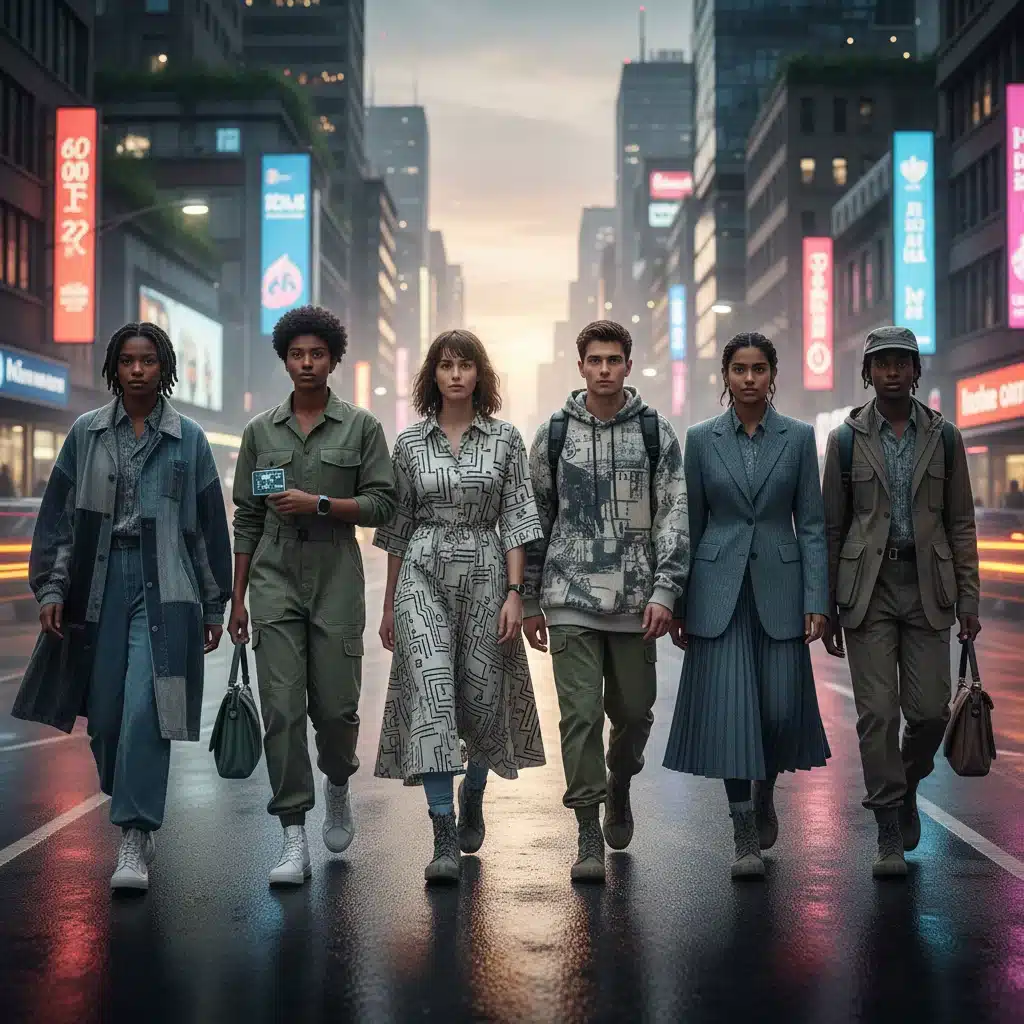
The Evolving American Aesthetic: What’s Driving Fashion Choices in Mid-2026?
The landscape of American fashion is a vibrant, ever-shifting tapestry, constantly rewoven by cultural shifts, technological advancements, and evolving societal values. As we navigate mid-2026, the American Fashion Trends are more dynamic and multifaceted than ever before. Gone are the days of monolithic style dictates; instead, we witness a beautiful mosaic of personal expression, driven by conscious consumerism, digital influence, and an unwavering quest for comfort. This article delves deep into the core elements shaping what Americans choose to wear, exploring the forces that define the contemporary aesthetic and predict its trajectory.
Understanding these trends isn’t merely about predicting hemlines or color palettes; it’s about grasping the underlying currents of identity, aspiration, and practicality that inform every purchase. From the rise of ‘phygital’ fashion experiences to the pervasive influence of social media micro-trends, the way Americans interact with clothing is undergoing a profound transformation. We’ll examine how sustainability has moved from a niche concern to a mainstream expectation, how comfort wear continues its reign, and how technology is blurring the lines between the physical and digital wardrobes. Join us as we unravel the intricate threads of American Fashion Trends in 2026.
Sustainability at the Forefront: More Than Just a Buzzword
One of the most significant shifts in American Fashion Trends for mid-2026 is the undeniable dominance of sustainability. What once felt like an optional add-on has become a foundational pillar of consumer expectation. Shoppers, particularly younger generations, are increasingly scrutinizing the ethical and environmental footprint of their clothing. This isn’t just about organic cotton anymore; it encompasses the entire lifecycle of a garment, from sourcing raw materials to manufacturing processes, labor practices, and end-of-life disposal.
Advertisements
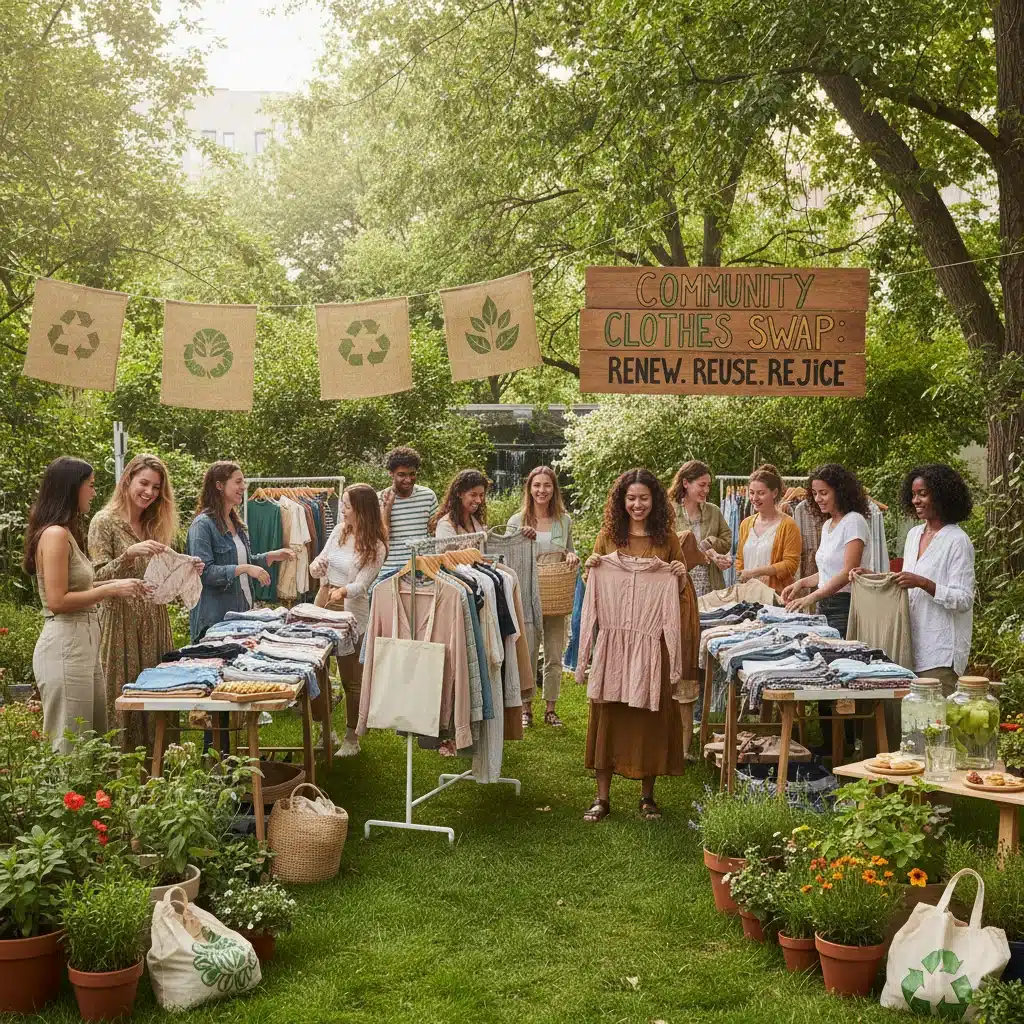
Brands are responding by embracing circular economy principles. We see a surge in rental services, allowing consumers to enjoy high-fashion pieces without the commitment of ownership, thus reducing waste. Resale platforms are thriving, making pre-owned clothing not only accessible but also fashionable. Upcycling and repair services are gaining traction, empowering individuals to extend the life of their garments and add a unique, personalized touch. The narrative around fashion is shifting from fast consumption to thoughtful investment, with an emphasis on quality, durability, and versatility.
Furthermore, transparency is key. Consumers demand to know where their clothes come from, who made them, and under what conditions. Supply chain traceability, once a complex and often opaque process, is becoming a non-negotiable for reputable brands. Innovations in material science are also playing a crucial role, with researchers developing biodegradable fabrics, lab-grown leathers, and textiles made from recycled plastics or agricultural waste. These advancements are not only reducing environmental impact but also inspiring new aesthetic possibilities, contributing to the diverse tapestry of American Fashion Trends.
The impact of this sustainable shift is profound. It’s influencing design choices, manufacturing techniques, marketing strategies, and even the very definition of luxury. For many, true luxury now lies in conscious consumption and timeless pieces that defy fleeting fads, rather than disposable fast fashion. This evolving mindset is a powerful force, reshaping the entire industry and pushing it towards a more responsible future.
The Digital Dimension: Phygital Fashion and AI Influence
Technology continues to be a potent catalyst for change in American Fashion Trends. In mid-2026, the lines between physical and digital fashion are increasingly blurred, giving rise to ‘phygital’ experiences. Virtual try-on apps, powered by augmented reality (AR), are commonplace, allowing consumers to visualize how clothes will look on them without stepping into a changing room. This not only enhances the online shopping experience but also reduces returns, a significant environmental concern.
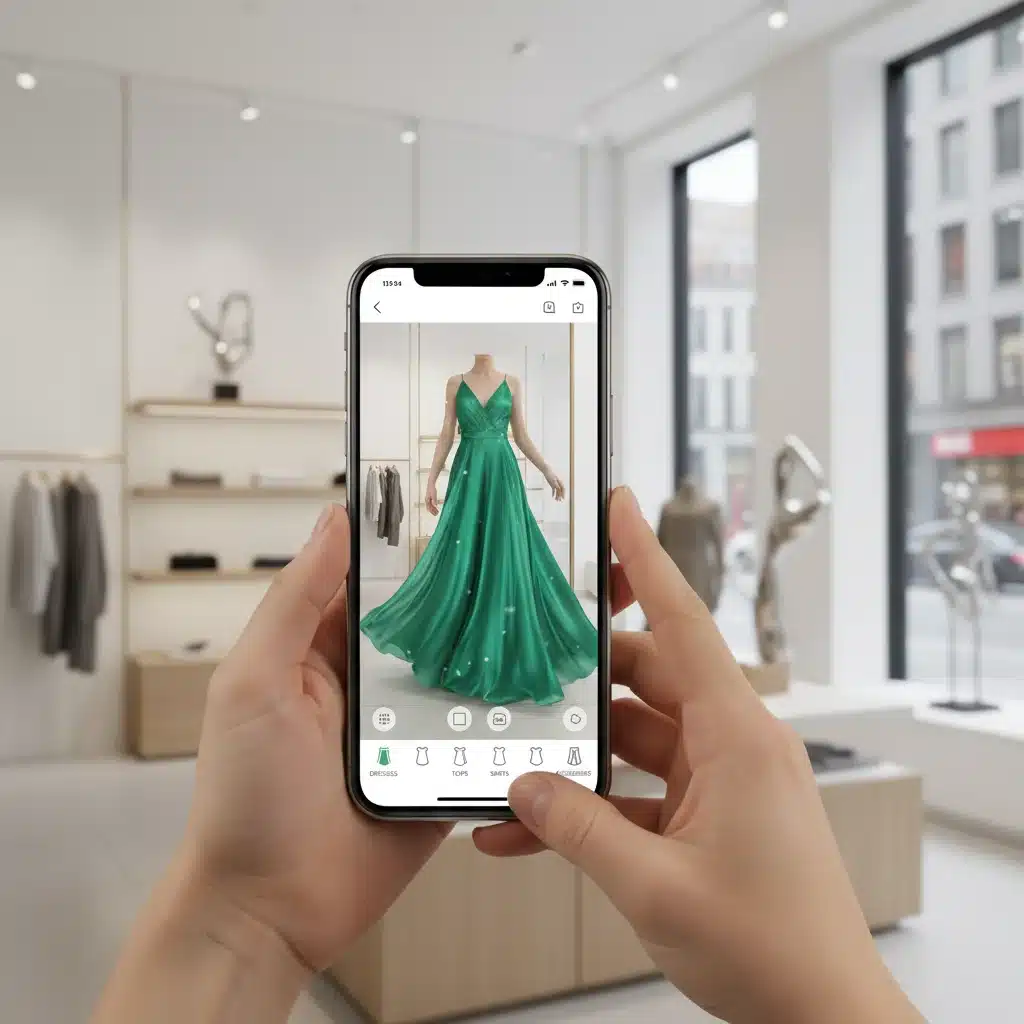
Non-fungible tokens (NFTs) and the metaverse are also making their mark. While still nascent for many, digital fashion items, from virtual sneakers to entire couture collections, are becoming a status symbol in online communities. These digital garments offer a new realm for creative expression, allowing users to experiment with styles that might be impractical or impossible in the physical world. Brands are leveraging these platforms to engage with tech-savvy consumers, offering exclusive digital drops and immersive brand experiences.
Artificial intelligence (AI) is another game-changer. AI algorithms are being used to predict upcoming trends by analyzing vast amounts of data from social media, sales figures, and cultural events. This allows designers to create collections that are more aligned with consumer desires, minimizing waste and optimizing production. Personalization, too, is being driven by AI, with algorithms recommending clothing based on individual preferences, past purchases, and even body shape, creating a more tailored and efficient shopping journey. This data-driven approach is refining American Fashion Trends at an unprecedented pace.
Social media platforms remain incredibly influential, acting as incubators for micro-trends that can explode overnight. TikTok, Instagram, and newer platforms dictate what’s ‘in,’ with influencers and content creators playing a pivotal role in disseminating styles and inspiring millions. The democratization of fashion, where anyone with a phone can become a trendsetter, means that styles emerge from diverse subcultures rather than solely from traditional fashion houses. This bottom-up approach to trend creation adds to the dynamic and diverse nature of American Fashion Trends in 2026.
The Comfort Imperative: Athleisure’s Enduring Legacy
The pandemic accelerated a trend that was already well underway: the prioritization of comfort. In mid-2026, comfort wear, particularly athleisure, continues to be a dominant force in American Fashion Trends. This isn’t just about sweatpants and hoodies anymore; it’s about integrating functional, comfortable fabrics and silhouettes into everyday wardrobes, blurring the lines between activewear and casual attire.
Performance fabrics, once reserved for the gym, are now found in dresses, tailored trousers, and even formal wear. Think moisture-wicking materials, four-way stretch, and wrinkle-resistant properties that make clothing not only comfortable but also practical for busy lifestyles. The aesthetic is often minimalist, clean, and versatile, allowing for easy transitions from a work-from-home setup to a casual outing or even a relaxed evening event.
The popularity of oversized silhouettes, relaxed fits, and soft, tactile materials speaks to a collective desire for ease and unrestrictive movement. This comfort imperative extends beyond clothing to footwear, with sneakers and comfortable flats dominating over high heels for most everyday occasions. Even in professional settings, dress codes have significantly relaxed, accommodating more comfortable and personalized interpretations of business attire. This isn’t a fleeting fad; it’s a fundamental shift in how Americans approach dressing, valuing well-being and practicality alongside style.
This focus on comfort also intertwines with the growing emphasis on mental health and self-care. Dressing in clothes that feel good and allow for freedom of movement contributes to a sense of ease and confidence. The ‘power suit’ of the past has been reimagined as the ‘power comfort’ ensemble, enabling individuals to feel strong and capable without sacrificing their physical comfort. This deep-seated preference for comfort is a cornerstone of current American Fashion Trends and shows no signs of waning.
Nostalgia Reimagined: Y2K and Beyond
Nostalgia is a cyclical force in fashion, and mid-2026 sees a continued reimagining of past eras, particularly the late 1990s and early 2000s (Y2K). However, this isn’t a direct replication; it’s a curated and modernized interpretation. Elements like low-rise bottoms, cargo pants, baby tees, baguette bags, and vibrant, playful colors are making a comeback, but often with a contemporary twist. Fabrics might be more sustainable, silhouettes might be slightly refined, and styling is distinctly 2026.
This resurgence is driven by Gen Z, who are discovering these styles for the first time, and Millennials, who are revisiting their youth with a fresh perspective. The internet plays a crucial role in this, with archival fashion content and viral throwbacks fueling interest. Brands are tapping into this by releasing updated versions of iconic pieces, collaborating with designers from those eras, or drawing direct inspiration from vintage aesthetics. This selective appropriation allows for a fresh take on familiar styles, preventing them from feeling dated.
Beyond Y2K, we also see subtle nods to other decades, filtered through a modern lens. The 1970s influence might appear in earthy color palettes and relaxed tailoring, while 1980s power dressing might be reinterpreted with softer shoulders and more fluid fabrics. The key is adaptation – taking inspiration from the past while firmly grounding it in the present’s values and technological capabilities. This nostalgic yet forward-looking approach is a defining characteristic of many American Fashion Trends.
This cyclical nature of fashion also highlights the importance of investing in timeless pieces that can be styled in various ways across different eras. While micro-trends come and go, foundational garments often find their way back into vogue, proving the value of quality and versatility. The current wave of nostalgia is a testament to fashion’s ability to constantly reinvent itself, drawing from its rich history while always looking ahead.
Gender Fluidity and Inclusivity: Redefining Norms
The conversation around gender fluidity and inclusivity has profoundly impacted American Fashion Trends. In mid-2026, gender-neutral clothing is no longer a niche market but an increasingly mainstream offering. Brands are designing collections that transcend traditional gender binaries, focusing on fit, silhouette, and aesthetic appeal rather than assigning garments to specific genders.
This manifests in oversized blazers, relaxed-fit trousers, gender-neutral denim, and a broader spectrum of colors and prints available to all. The emphasis is on personal style and comfort, allowing individuals to express themselves authentically without conforming to outdated gender norms. This shift is not just about clothing; it reflects a broader societal movement towards greater acceptance and recognition of diverse identities.
Inclusivity also extends to size diversity. The fashion industry is slowly but surely moving away from exclusive sizing, with more brands offering extended size ranges and showcasing diverse body types in their campaigns. This push for body positivity and realistic representation is crucial for making fashion accessible and appealing to a wider audience. Brands that genuinely embrace inclusivity, not just as a marketing tactic but as a core value, are resonating deeply with consumers.
Furthermore, cultural appropriation is a more scrutinized topic than ever. Brands are becoming more conscious of the origins of designs and patterns, striving for cultural appreciation and collaboration rather than insensitive appropriation. This sensitivity reflects a more globally aware and ethically conscious consumer base that expects brands to be responsible and respectful. These evolving ethical considerations are deeply embedded in the current American Fashion Trends, reflecting a more mature and empathetic industry.
The Rise of ‘Quiet Luxury’ and Elevated Basics
While some trends lean towards bold expression, mid-2026 also sees the continued ascent of ‘quiet luxury‘ and elevated basics within American Fashion Trends. This aesthetic prioritizes understated elegance, impeccable craftsmanship, and high-quality materials over overt branding or flashy designs. It’s about subtle sophistication and timeless appeal, often characterized by neutral color palettes, clean lines, and luxurious textures.
Consumers investing in quiet luxury are looking for garments that will last, pieces that can be mixed and matched effortlessly, and items that exude an air of effortless chic. This trend is a direct response to the fast fashion cycle, promoting thoughtful consumption and a rejection of disposable clothing. It’s about building a versatile wardrobe of foundational pieces that can be dressed up or down, forming the backbone of a sophisticated personal style.
Elevated basics, such as perfectly tailored t-shirts, cashmere sweaters, well-fitting denim, and classic trench coats, are central to this movement. The focus is on the quality of the fabric, the precision of the cut, and the subtle details that elevate a simple garment into something truly special. This emphasis on enduring style over fleeting trends aligns perfectly with the broader shift towards sustainability and conscious consumerism. For many, true style in 2026 is about investing in fewer, better things that stand the test of time, a core tenet of discerning American Fashion Trends.
This approach also speaks to a desire for simplicity and intentionality in dressing. In a world saturated with information and choices, the appeal of a streamlined, high-quality wardrobe is undeniable. It offers a sense of calm and confidence, allowing individuals to focus on their lives rather than being constantly concerned with chasing the latest fleeting fad.
The Influence of Global Cuisines and Travel on Style
The increasingly interconnected world means that American Fashion Trends are rarely insular. In mid-2026, global influences, particularly from diverse cuisines and travel experiences, continue to shape style choices. As Americans explore new cultures through food and travel, these experiences subtly weave their way into fashion. We see inspirations from vibrant patterns found in Asian textiles, the relaxed silhouettes of Mediterranean coastal wear, or the rich color palettes of South American craftsmanship.
This isn’t about cultural appropriation, but rather a respectful appreciation and integration of elements that resonate with a globalized perspective. For example, the popularity of certain culinary trends might inspire color stories or fabric textures. A renewed interest in traditional artisanal crafts from different regions might lead to a greater demand for handcrafted details or unique embroidery. Travel documentaries and social media posts from far-flung destinations expose consumers to diverse aesthetics, broadening their sartorial horizons.
The desire for unique, storytelling pieces also plays a role here. Consumers are increasingly seeking out items that feel authentic, that have a narrative, or that reflect a global perspective. This could mean supporting brands that work directly with artisans in developing countries, or opting for pieces that incorporate traditional techniques with a modern twist. The result is a richer, more eclectic blend of styles within the overall American Fashion Trends.
Furthermore, the practicalities of travel also influence design. Versatile garments that pack well, resist wrinkles, and can transition seamlessly from day to night are highly valued. This functional aspect, combined with an appreciation for global aesthetics, creates a dynamic interplay that continues to enrich the American wardrobe. The world’s cultures are indeed providing an endless source of inspiration, making fashion in 2026 a truly global conversation.
Conclusion: A Future of Conscious and Diverse Expression
As we conclude our exploration of American Fashion Trends in mid-2026, a clear picture emerges: the future of American style is defined by consciousness, diversity, and personalization. The era of rigid fashion rules is over, replaced by an emphasis on individual expression, ethical consumption, and the seamless integration of technology. Sustainability is no longer a niche concern but a fundamental expectation, driving innovation in materials, production, and consumption models.
Comfort remains paramount, influencing everything from fabric choices to silhouettes, while digital advancements continue to revolutionize how we discover, try on, and even own clothing. Nostalgia provides a rich wellspring of inspiration, reinterpreted for a modern sensibility, and the growing embrace of gender fluidity and inclusivity is reshaping norms, making fashion more accessible and representative for everyone. Finally, global influences ensure that American style remains a vibrant, ever-evolving reflection of an interconnected world.
The fashion landscape of 2026 is one where consumers are empowered, informed, and intentional. They demand more from brands, not just in terms of aesthetics but also ethics and environmental responsibility. This shift represents a positive trajectory for the industry, pushing it towards greater innovation, inclusivity, and a more sustainable future. The American Fashion Trends we see today are not just about what we wear, but about what we value, reflecting a deeper cultural evolution towards a more thoughtful and expressive society.