Sustainable Living in 2026: 4 Practical US Home Swaps Saving 15% on Eco-Essentials
The year 2026 marks a pivotal moment in our collective journey towards a more sustainable future. As environmental consciousness grows, more and more US households are seeking tangible ways to reduce their ecological footprint without sacrificing convenience or breaking the bank. The good news? Embracing sustainable living has never been easier, or more affordable. By making strategic eco-friendly home swaps, you can not only contribute positively to the planet but also enjoy significant financial savings. This comprehensive guide will walk you through four practical, impactful changes you can implement in your home right now, promising an average saving of 15% on essential eco-products.
Our planet faces unprecedented challenges, from climate change to resource depletion. Every small action, when multiplied across millions of households, creates a powerful wave of change. Sustainable living isn’t just a trend; it’s a necessity, and it’s becoming increasingly accessible. In 2026, the market for eco-friendly products has matured, offering high-quality, durable, and cost-effective alternatives to traditional items. This article focuses on actionable steps that resonate with the modern US homeowner – practical, efficient, and beneficial for both your wallet and the environment.
The concept of eco-friendly home swaps revolves around replacing everyday items with more sustainable versions. This isn’t about radical lifestyle overhauls, but rather intelligent, informed choices that accumulate over time. Think of it as an investment in your home’s future, your family’s health, and the well-being of the planet. We’ve meticulously researched and identified four key areas where these swaps can yield the most significant impact and savings for US households.
1. The Kitchen Revolution: From Single-Use to Reusable & Durable
The kitchen is often the heart of the home, but it can also be a major source of waste. From plastic wrap to disposable cleaning supplies, traditional kitchen habits generate a significant amount of landfill waste. Making eco-friendly home swaps in this area can dramatically reduce your environmental impact and lead to considerable long-term savings.
Advertisements
Smart Swaps for a Greener Kitchen:
- Reusable Food Storage: Bid farewell to plastic wrap and single-use bags. Invest in glass containers, silicone bags (like Stasher bags), and beeswax wraps. These alternatives are durable, washable, and keep food fresh longer. While the initial investment might seem higher, they pay for themselves within months, eliminating recurring purchases of disposable items.
- Concentrated & Refillable Cleaners: Instead of buying new plastic bottles of cleaning solutions every time, opt for concentrated formulas or refillable systems. Many brands now offer cleaning tablets or pouches that dissolve in water, significantly reducing plastic waste. Companies like Blueland and Grove Collaborative provide excellent options that are also often made with non-toxic, biodegradable ingredients.
- Compostable Sponges & Brushes: Traditional synthetic sponges are made from plastic and can harbor bacteria. Switch to natural loofah sponges, bamboo brushes, or cellulose sponges that are biodegradable and more hygienic.
- Reusable Coffee Filters & Pods: If you’re a coffee connoisseur, consider a reusable coffee filter for your drip machine or refillable pods for your single-serve brewer. This prevents countless disposable filters and plastic pods from ending up in landfills.
The Savings & Impact:
By implementing these kitchen swaps, a typical US household can expect to save around $100-$250 annually on disposable items and cleaning supplies. Furthermore, you’ll be diverting hundreds of plastic items from landfills each year, contributing to a circular economy and reducing plastic pollution. The health benefits of reducing exposure to chemicals in traditional cleaners are an added bonus.
2. Bathroom Bliss: Water-Wise & Zero-Waste Personal Care
The bathroom, much like the kitchen, is a prime candidate for eco-friendly home swaps. From water consumption to plastic packaging, there’s ample opportunity to make a difference. These swaps not only conserve precious resources but also introduce you to innovative, high-quality personal care products.
Transformative Bathroom Swaps:
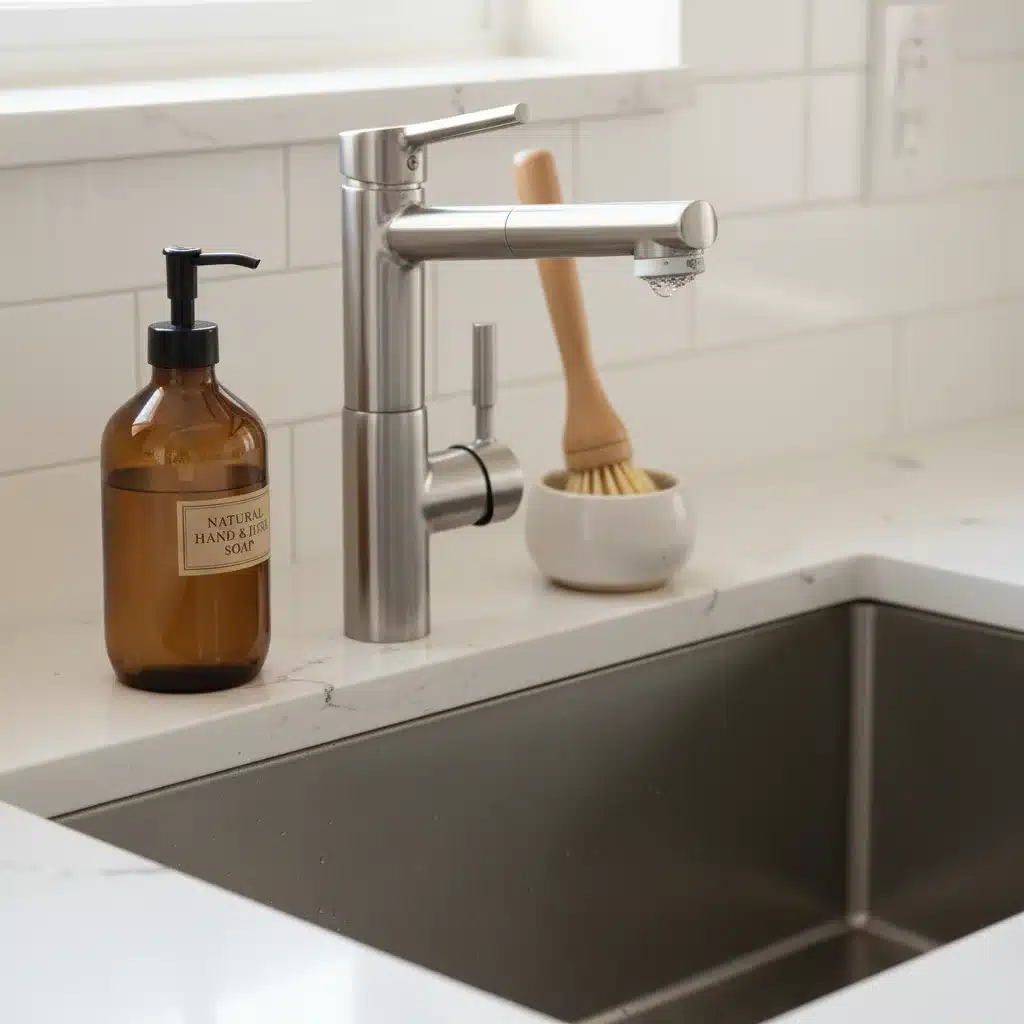
- Low-Flow Showerheads & Faucet Aerators: This is one of the most impactful water-saving swaps. Modern low-flow showerheads provide excellent water pressure while using significantly less water. Faucet aerators are inexpensive and easy to install, reducing water flow without compromising effectiveness.
- Solid Shampoo & Conditioner Bars: Say goodbye to plastic bottles! Shampoo and conditioner bars are compact, long-lasting, and come in minimal, often compostable, packaging. They are just as effective as their liquid counterparts and are perfect for travel.
- Bamboo Toothbrushes & Toothpaste Tabs: Plastic toothbrushes contribute billions of pieces of plastic waste annually. Bamboo toothbrushes are biodegradable and equally effective. Pair them with toothpaste tabs, which come in glass jars or compostable pouches, eliminating plastic toothpaste tubes.
- Reusable Cotton Pads & Menstrual Products: For personal care, switch from disposable cotton pads to reusable ones for makeup removal. For menstrual hygiene, consider menstrual cups or reusable cloth pads, which are not only eco-friendly but often more comfortable and cost-effective in the long run.
The Savings & Impact:
Water-saving fixtures can reduce your water bill by 10-15%, translating to annual savings of $50-$150, depending on your usage and local rates. The switch to solid personal care products and reusable items can save an additional $75-$200 per year, while drastically reducing plastic waste in your bathroom. This area truly exemplifies how eco-friendly home swaps can lead to both environmental good and financial gain.
3. Energy Efficiency: Smart Tech & Mindful Consumption
Energy consumption is a significant contributor to carbon emissions and a major household expense. Fortunately, 2026 offers an array of smart technologies and simple habits that make eco-friendly home swaps in energy a breeze. These changes often have the most significant financial returns.
Power-Saving Swaps:
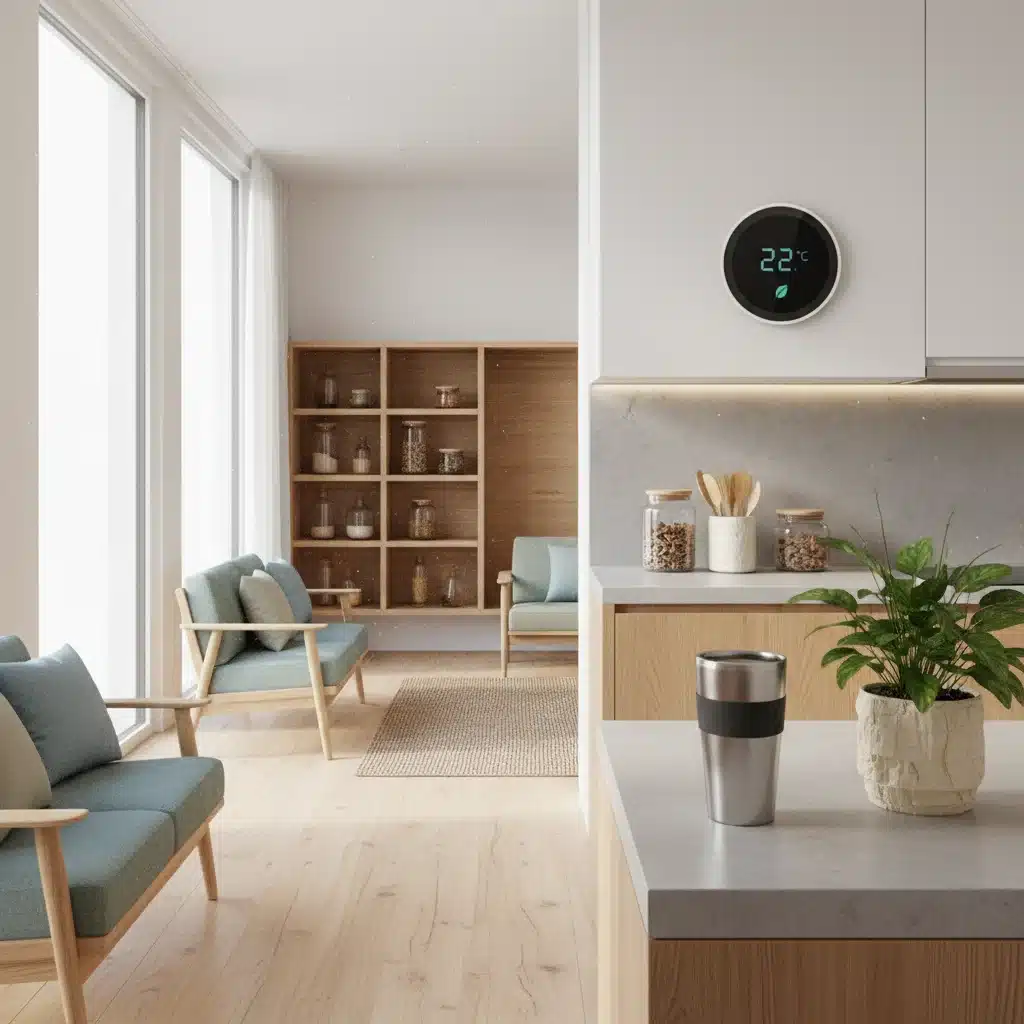
- Smart Thermostats: Devices like Nest or Ecobee learn your habits and optimize heating and cooling, saving significant energy. They allow you to control your home’s climate remotely, ensuring you’re only heating or cooling when necessary. This can lead to substantial reductions in your energy bill.
- LED Lighting Throughout: If you haven’t already, replace all incandescent and CFL bulbs with LEDs. LEDs consume up to 80% less energy and last much longer, reducing both your electricity bill and the frequency of bulb replacements.
- Smart Power Strips: These strips automatically cut power to devices that are turned off or in standby mode, eliminating ‘vampire drain’ – the energy appliances consume even when not in use. This is a simple yet effective way to reduce wasted electricity.
- Energy-Efficient Appliances (When Upgrading): While not an immediate swap, when your old appliances (refrigerator, washing machine, dishwasher) need replacing, prioritize Energy Star certified models. The initial investment might be slightly higher, but the long-term energy savings are substantial.
The Savings & Impact:
Energy efficiency swaps offer some of the most impressive savings. A smart thermostat alone can save you 10-12% on heating and 15% on cooling costs, potentially hundreds of dollars annually. Switching to LED lighting can reduce your lighting energy consumption by 75-80%, leading to another $50-$150 in annual savings. Collectively, these eco-friendly home swaps can cut your overall energy bill by 15-30%, making a significant dent in your household budget and carbon footprint.
4. Laundry Room Revamp: Sustainable Cycles & Products
The laundry room is another area ripe for eco-friendly home swaps. From water and energy consumption to chemical-laden detergents, traditional laundry practices can be quite resource-intensive. Modern eco-friendly alternatives offer effective cleaning with a much smaller environmental impact.
Greener Laundry Swaps:
- Cold Water Washing: A simple yet powerful change. Modern detergents are formulated to be effective in cold water, eliminating the need for energy-intensive hot water cycles. This can save a significant amount of electricity or gas used for water heating.
- Concentrated & Eco-Friendly Detergents: Opt for plant-based, biodegradable laundry detergents that come in concentrated forms or even innovative laundry sheets. These reduce chemical runoff into waterways and minimize packaging waste. Brands like Tru Earth, sheets laundry club, and Seventh Generation offer excellent options.
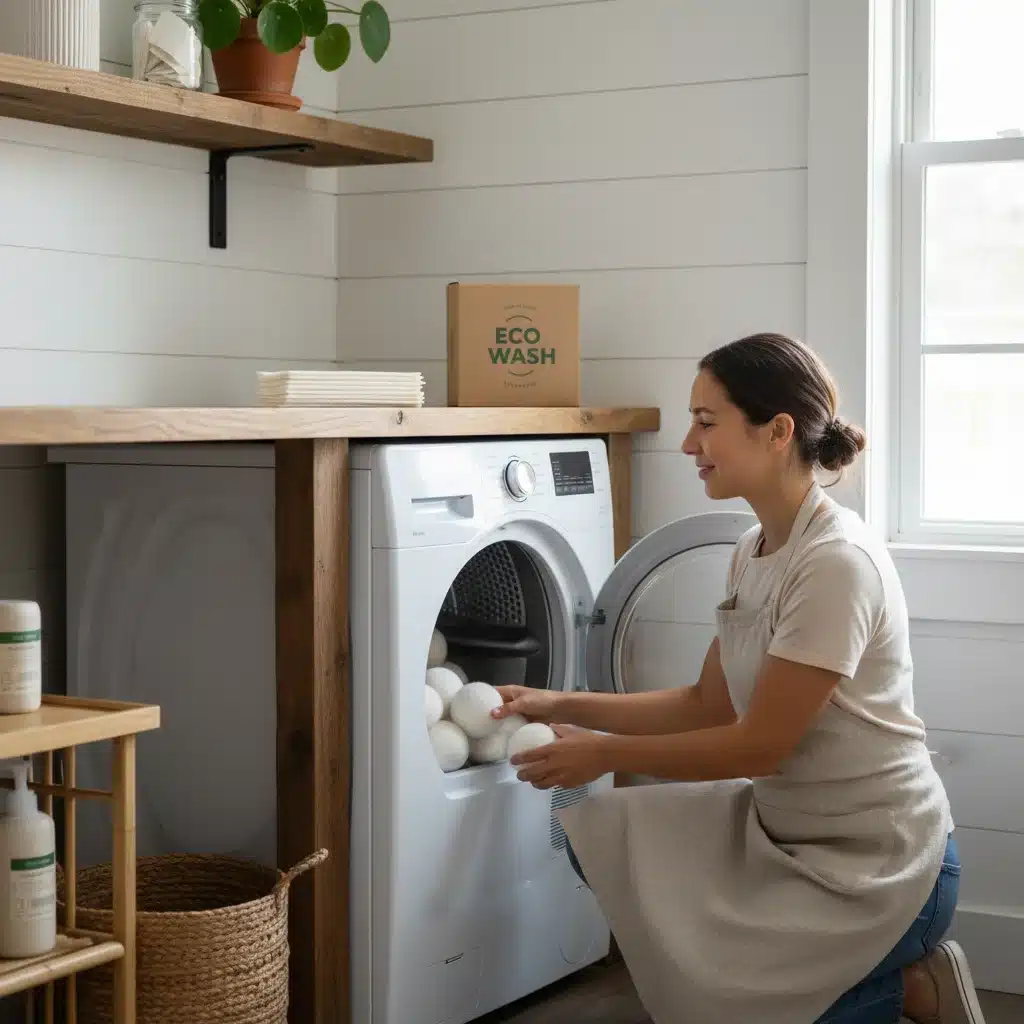
- Wool Dryer Balls: Ditch single-use dryer sheets, which often contain chemicals and contribute to waste. Wool dryer balls reduce drying time by absorbing moisture and separating clothes, saving energy. They also naturally soften fabrics and reduce static, without harmful chemicals.
- Line Drying (When Possible): The ultimate energy-saving laundry swap is line drying. If weather permits and you have the space, hanging your clothes to dry uses zero energy and extends the life of your garments.
The Savings & Impact:
Switching to cold water washing can save you $50-$150 annually on energy costs. Eco-friendly detergents and wool dryer balls, while potentially having a slightly higher upfront cost for some brands, often last longer and eliminate the need for fabric softener and dryer sheets, leading to annual savings of $30-$70. The environmental benefit of reducing chemical discharge and energy consumption is substantial, making these eco-friendly home swaps incredibly worthwhile.
Integrating Eco-Friendly Home Swaps into Your Life: A Step-by-Step Approach
Making these eco-friendly home swaps doesn’t have to be overwhelming. Here’s a practical approach to seamlessly integrate them into your daily routine:
- Start Small: Don’t try to change everything at once. Pick one area, like the kitchen or bathroom, and focus on a few key swaps. Once those are established, move on to the next.
- Educate Yourself: Research brands and products. Read reviews and look for certifications (e.g., USDA Organic, Ecocert, Leaping Bunny) that align with your values.
- Use Up What You Have: Before buying new eco-friendly alternatives, use up your existing products. This prevents waste and ensures a smooth transition.
- Invest in Quality: Often, eco-friendly products are designed to be durable and long-lasting. While the initial cost might be higher, their longevity often makes them more cost-effective over time.
- Track Your Savings: Keep a record of your spending on disposable items before and after your swaps. Seeing the financial benefits can be a powerful motivator.
- Involve Your Family: Make it a family effort. Educate children on why these changes are important and let them participate in choosing new eco-friendly items.
Beyond the Swaps: Cultivating a Sustainable Mindset
While the four areas discussed provide excellent starting points for eco-friendly home swaps, true sustainable living extends beyond product choices. It’s about cultivating a mindset of conscious consumption, resourcefulness, and respect for the environment.
Additional Tips for a Sustainable 2026:
- Reduce, Reuse, Recycle (in that order): Always prioritize reducing consumption first, then reusing items, and finally recycling what cannot be avoided or reused.
- Support Local & Ethical Businesses: When purchasing, consider buying from local businesses that prioritize sustainable practices and ethical sourcing. This reduces transportation emissions and supports your community.
- Grow Your Own: Even a small herb garden can reduce your reliance on store-bought produce and connect you more deeply with your food source.
- Mindful Consumption: Before buying anything new, ask yourself if you truly need it. Can you borrow it, repair an existing item, or buy it second-hand?
- Advocate for Change: Use your voice to support policies and initiatives that promote sustainability in your community and beyond.
The Future is Green: Why 2026 is the Year for Eco-Friendly Home Swaps
As we navigate through 2026, the urgency of adopting sustainable practices is clearer than ever. The good news is that the tools, products, and knowledge to make these changes are readily available and increasingly affordable. The market for eco-friendly products is booming, driven by consumer demand and technological innovation. This means more choices, better quality, and competitive pricing for you.
The 15% savings on eco-essentials is not just a hypothetical figure; it’s an achievable goal for US households committed to making these practical eco-friendly home swaps. Beyond the financial benefits, the peace of mind that comes from knowing you are contributing to a healthier planet is immeasurable. Each swap, no matter how small, adds up to a significant collective impact.
Conclusion: Your Home, Your Impact
Embracing sustainable living through eco-friendly home swaps is a powerful way for US households to positively impact the environment and their finances. By focusing on the kitchen, bathroom, energy consumption, and laundry room, you can make practical, effective changes that yield significant savings and reduce your ecological footprint.
Remember, sustainability is a journey, not a destination. Every step you take, every swap you make, contributes to a greener, healthier future for generations to come. Start today, and be part of the solution. Your home, your wallet, and our planet will thank you.